The best glasses match your face shape, lifestyle, prescription, comfort needs, and personal style.
Choosing what style glasses should I get is about more than following a trend. The right pair should fit well, support your vision, suit your daily routine, and make you feel like yourself. This guide combines practical fitting advice, face-shape tips, lens knowledge, and style ideas to help you choose with confidence.
Start With Your Face Shape
Your face shape can help you find balanced frames, but it should not control your choice. Most people have a mix of shapes, and features such as cheekbones, jaw width, and brow line matter too.
Here is a simple guide:
• Round faces often suit rectangular, square, or geometric frames. These shapes add structure and make the face look longer.
• Square faces often look good in round, oval, or softly curved frames. Curved edges can soften a strong jaw.
• Oval faces are quite flexible. Most frame styles work well, but frames should not be much wider than the cheekbones.
• Heart-shaped faces may suit thin, light frames, rounded styles, or frames that are wider at the bottom.
• Long or oblong faces often benefit from taller lenses, bold temples, and frames with a strong bridge.
• Diamond-shaped faces may look balanced in oval, cat-eye, or rimless frames that highlight the eyes.
Face-shape advice is a starting point, not a rule. A bold square frame can look great on a square face if the size and color feel right.
When people ask me what style glasses should I get, I first suggest checking frame balance. The frame should support your features, not compete with them.

Match the Frames to Your Personal Style
Your glasses sit in the center of your face, so they become part of your identity. Think of them like a jacket you wear every day. They should match your wardrobe, work setting, and comfort level.
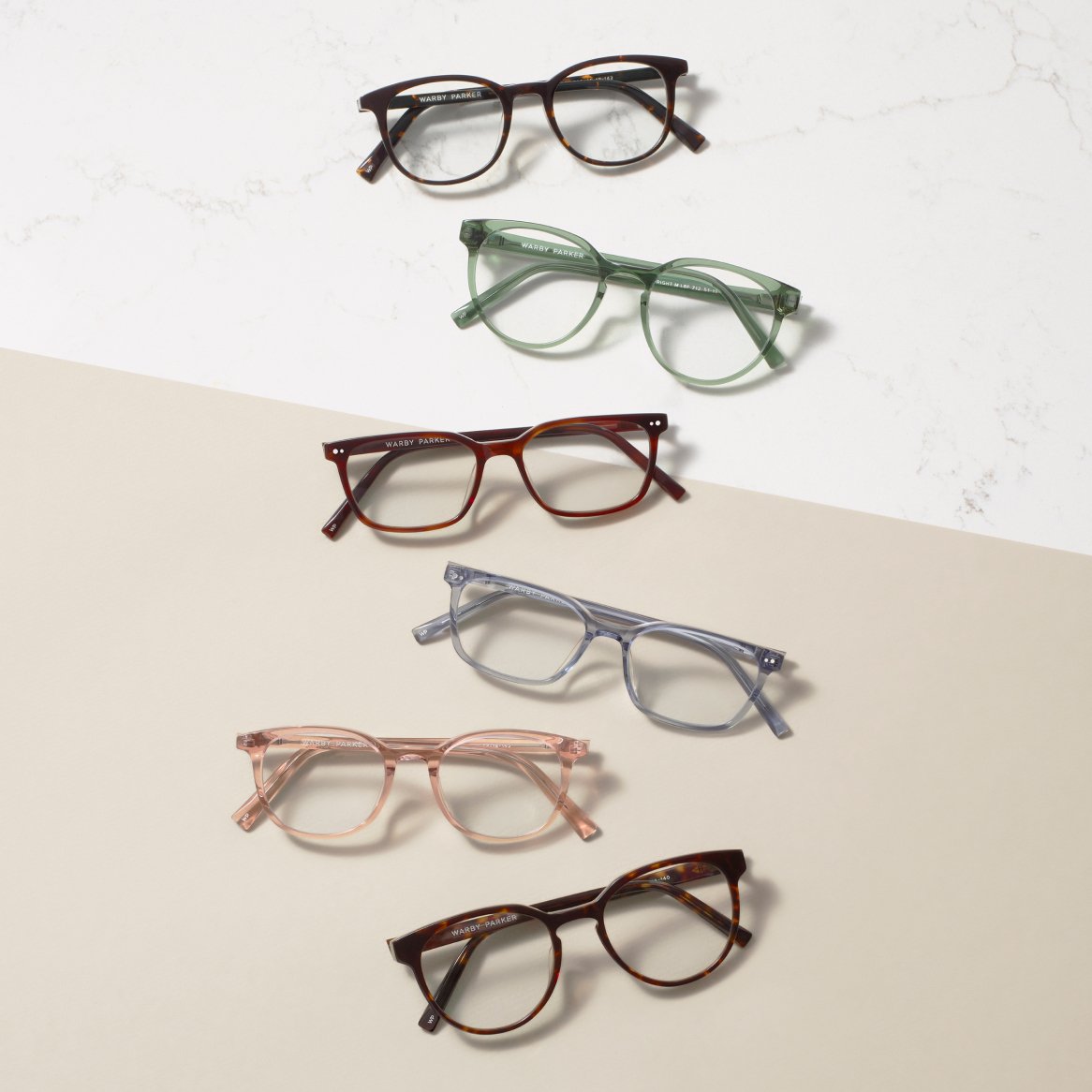
consider these popular styles:
Classic and professional frames
Black, brown, tortoiseshell, and dark blue frames give a polished look. They work well for offices, interviews, meetings, and daily wear.
Choose a simple rectangular frame for a sharp look. Choose a soft oval or rounded frame for a more relaxed appearance.
Modern and minimal frames
Thin metal frames, clear acetate, and rimless designs create a light, clean look. These styles are useful if you want your glasses to feel subtle.
Clear frames can suit many outfits, but they may show makeup, skin oils, or discoloration more easily.
Bold and creative frames
Bright colors, thick acetate, cat-eye shapes, and geometric designs make glasses a visible part of your style. They can add energy to a simple outfit.
If you choose a bold frame, keep the shape comfortable and the fit secure. Style should never force you to tolerate slipping, pinching, or poor vision.
Retro-inspired frames
Round frames, browline glasses, aviators, and oversized designs can give a vintage feel. Look for updated versions with lighter materials and better nose support.
The best answer to what style glasses should I get may be a frame that reflects your personality rather than your face shape alone.
Consider Your Lifestyle and Daily Needs
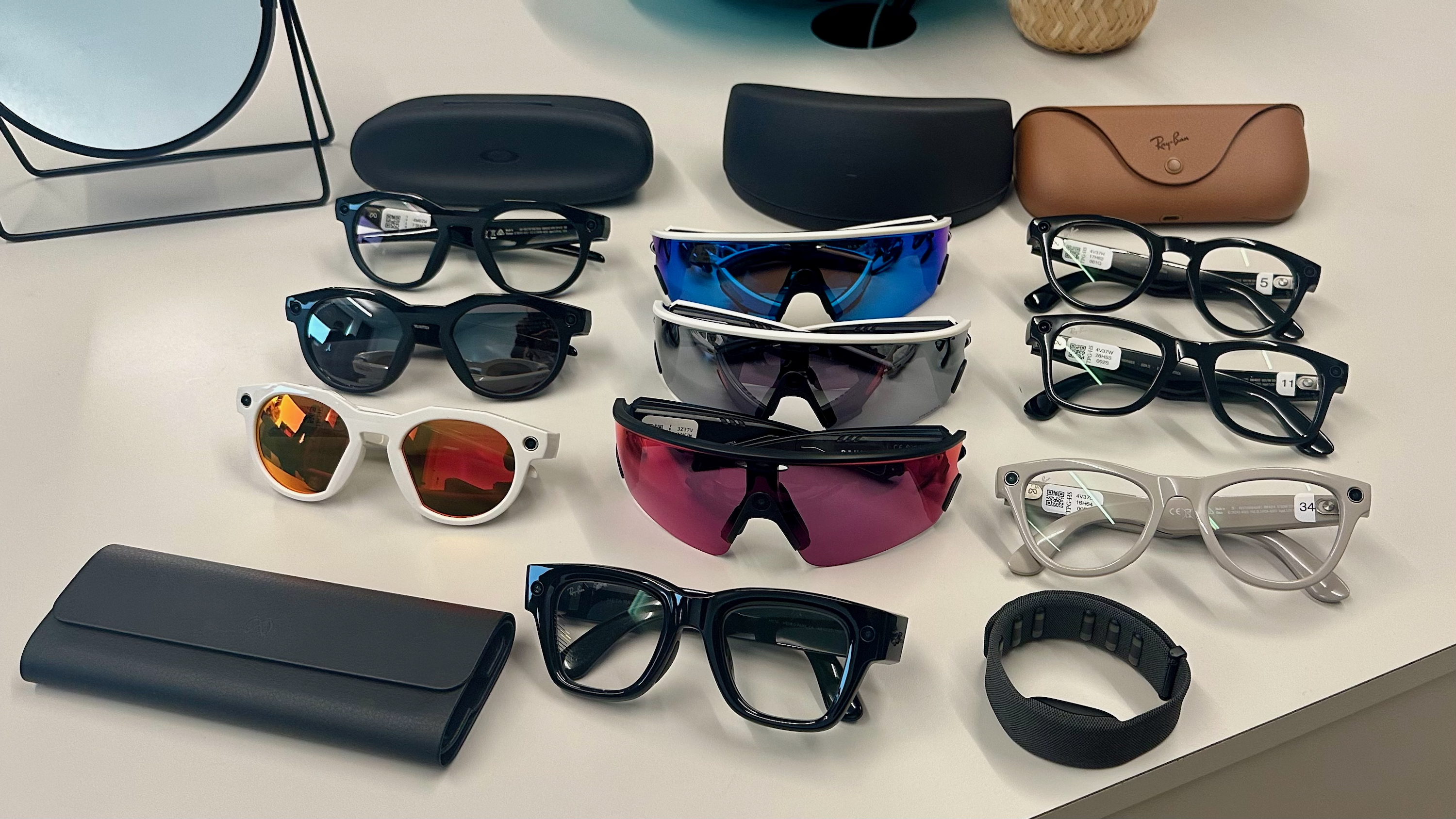
Your routine should guide your frame material, lens design, and frame shape. Glasses for a desk job may not be ideal for sports, travel, or outdoor work.
Ask yourself:
• Do you wear glasses all day?
• Do you spend many hours looking at screens?
• Do you exercise or play sports?
• Do you work outdoors?
• Do you travel often?
• Do you need sunglasses or transition lenses?
• Do you change between glasses and contact lenses?
For active lifestyles, look for flexible frames, secure hinges, and durable lenses. Polycarbonate or Trivex lenses can be useful for sports and children because they resist impact better than standard plastic lenses.
For office work, choose lightweight frames with comfortable nose support. If you work at a computer, ask an eye care professional about your prescription and screen distance. Blue-light filtering may help some people feel more comfortable, but it does not replace regular breaks, good lighting, or proper screen distance.
For outdoor use, consider prescription sunglasses with full ultraviolet protection. UV protection helps protect the eyes from harmful ultraviolet radiation. Polarized lenses can reduce glare from roads, water, and snow, but they may affect how some digital displays appear.
If you need one pair for nearly everything, choose a medium-weight frame in a neutral color. This is often the safest answer when someone asks what style glasses should I get for daily wear.
Get the Frame Size Right
A stylish frame will not look or feel good if it is the wrong size. Frame fit affects comfort, vision, appearance, and how often you need adjustments.
Most glasses have three numbers printed inside the temple. They show:
• Lens width
• Bridge width
• Temple length
For example, a frame marked 52-18-140 has lenses that are 52 millimeters wide, a bridge that is 18 millimeters wide, and temples that are 140 millimeters long.
Use your current glasses as a guide, but do not treat the numbers as an absolute rule. Different shapes fit differently, even when the measurements look similar.
A well-fitting frame should:
• Stay in place when you look down
• Sit evenly on your face
• Rest comfortably on your nose
• Keep your eyes near the center of each lens
• Avoid touching your cheeks
• Avoid pressing behind your ears
• Keep the temples from squeezing your head
Your pupils should sit close to the optical center of the lenses. This matters more with strong prescriptions, progressive lenses, and larger frames.
A common mistake is choosing oversized glasses because they look fashionable online. Large frames can be attractive, but they may feel heavy, slide down, or increase lens thickness. Try the frame in person when possible, or use a reliable virtual try-on tool with clear size information.
Choose the Right Frame Material
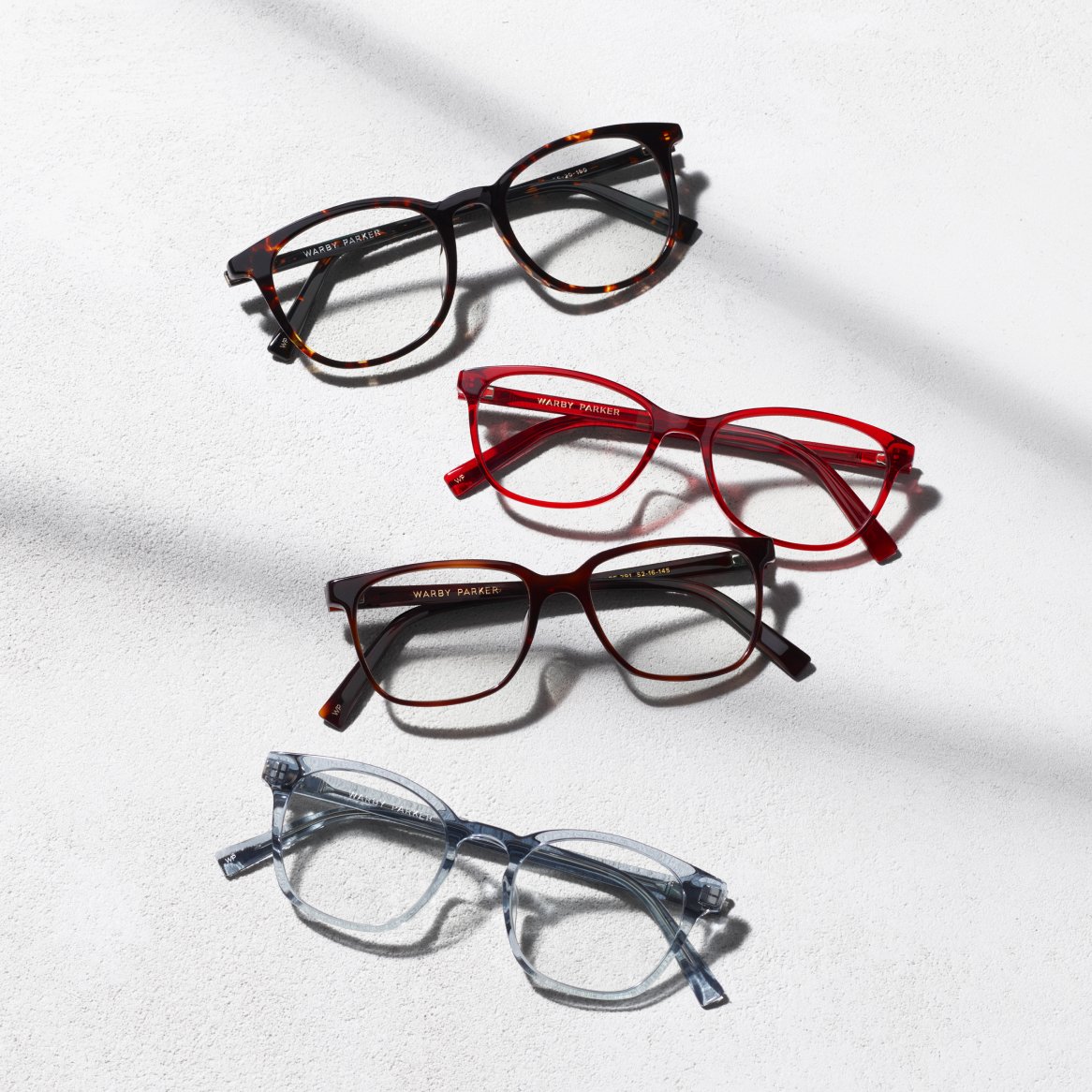
Frame materials affect weight, strength, flexibility, and appearance.
Acetate
Acetate is a plant-based plastic known for rich colors and strong patterns. It is often thicker than ordinary plastic and can be adjusted by an optician.
It is a good choice for bold frames, tortoiseshell patterns, and people who want many color options.
Metal
Metal frames are often thin and light. Titanium is especially valued for its strength, low weight, and corrosion resistance.
Metal frames can be a good option for a subtle, professional look. Some people with sensitive skin may need nickel-free materials.
Stainless steel
Stainless steel frames can be durable and fairly light. They often provide a clean design at a moderate price.
Flexible plastic
Flexible frames may work well for children, travelers, and people who are hard on their glasses. Still, flexible does not mean indestructible. Hinges and lenses can still break.
Rimless and semi-rimless frames
These frames create a light appearance. They may suit people who want glasses to blend into their face.
They can require more care, especially when the lenses are drilled or held by a thin nylon cord.
When deciding what style glasses should I get, think about how you treat your current pair. If you often sit on your glasses or place them loose in a bag, choose durable materials and a protective case.
Pick Lenses That Fit Your Prescription
Frame style is important, but lenses affect how clearly and comfortably you see. Your eye examination should guide the prescription and lens design.
Common lens choices include:
• Single-vision lenses for one viewing distance
• Bifocal lenses for two viewing distances
• Progressive lenses for near, middle, and far vision
• High-index lenses for stronger prescriptions
• Photochromic lenses that darken outdoors
• Polarized lenses that reduce reflected glare
• Polycarbonate or Trivex lenses for impact resistance
High-index lenses can make strong prescriptions thinner and lighter. However, they may cost more and can reflect more light without an anti-reflective coating.
An anti-reflective coating can reduce reflections and improve the appearance of the lenses. It may also make night driving more comfortable for some people. It does not remove all glare or solve every night-vision problem.
Progressive lenses require careful measurements and a reasonable adjustment period. Frame height matters because the lens must provide enough room for distance, intermediate, and reading zones.
Ask your optician about the best lens material for your prescription. Do not choose only by the frame’s appearance. Clear vision and comfort are the foundation of good glasses.
Choose Colors That Work With Your Features
Frame color can change the overall effect of your glasses. You do not need to match your frames exactly to your skin tone or hair color, but some shades may feel more natural.
Warm colors often include:
• Brown
• Gold
• Copper
• Olive
• Warm tortoiseshell
Cool colors often include:
• Black
• Silver
• Gray
• Navy
• Blue
• Clear
Neutral colors such as dark brown, gray, and transparent crystal are easy to wear with many outfits. They can be helpful if you want one pair for work and social events.
If you want your glasses to brighten your face, try a clear frame, soft color, or warm translucent tone. If you want more definition, choose black, dark tortoiseshell, or deep blue.
Your personal contrast matters too. Dark hair and eyebrows may support a bold frame. Lighter features may look balanced with a softer color, although contrast can also be a fun style choice.
The best answer to what style glasses should I get may be a color that makes you smile when you see yourself in the mirror.

Avoid Common Glasses-Buying Mistakes
Many poor frame choices come from rushing the decision. A few extra minutes can prevent months of discomfort.
Avoid these mistakes:
• Choosing a frame only because it looks good on a model
• Ignoring the bridge fit
• Buying frames that are too wide
• Picking heavy frames for all-day wear
• Forgetting that strong prescriptions may need smaller lenses
• Selecting fashion sunglasses without proper UV protection
• Assuming a higher price always means better quality
• Skipping professional measurements for progressive lenses
• Buying from a seller with unclear return or warranty rules
Try moving your head, smiling, and looking down while testing frames. Your glasses should stay in place without constant adjustment.
One lesson I often share is to wear the frame for several minutes before deciding. A frame can feel fine at first but become uncomfortable around the nose or ears after a short time.
Also check the side view. The temples should sit comfortably, and the frame should not tilt sharply forward or backward. Small adjustments by a trained optician can improve the fit, but adjustments cannot fully fix the wrong frame size.
Use This Simple Shopping Process
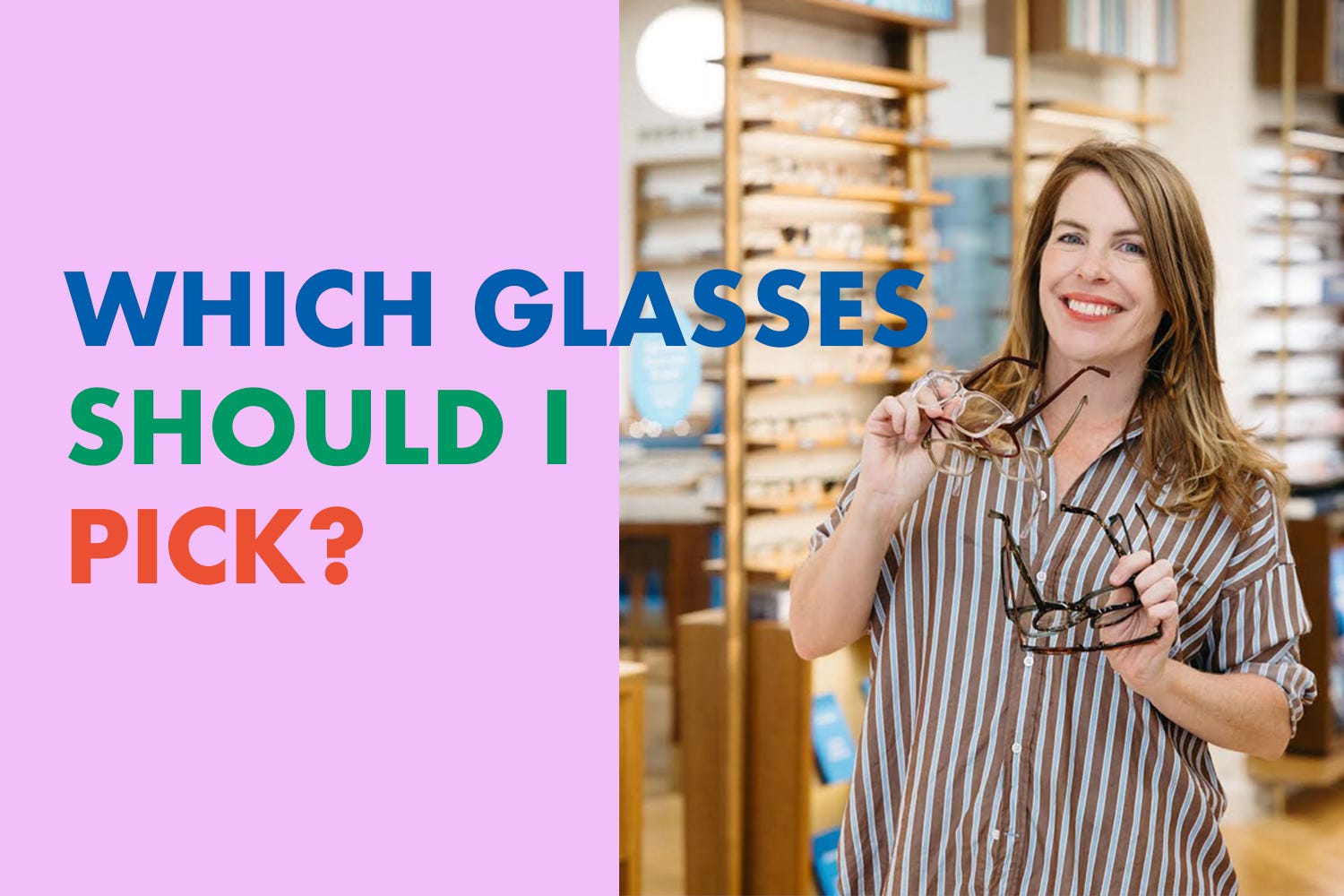
If you still wonder what style glasses should I get, use this step-by-step method.
-
Confirm your current prescription and eye health needs.
-
Decide whether you need everyday glasses, computer glasses, sunglasses, or a specialty pair.
-
Set a budget that includes the frame, lenses, coatings, case, and future adjustments.
-
Choose two or three frame shapes that balance your features.
-
Check the frame measurements and bridge design.
-
Compare materials based on weight, strength, and sensitivity.
-
Test the fit by looking down, smiling, and moving your head.
-
Ask about lens thickness, coatings, UV protection, and warranty coverage.
-
Take photos from the front and side if you are shopping with a friend.
-
Confirm the return policy before ordering online.
For online shopping, use a current photo and measure the width of a pair that already fits well. A virtual try-on can show the general look, but it cannot measure comfort, lens position, or bridge fit with complete accuracy.
An in-person fitting is especially valuable for children, high prescriptions, progressive lenses, and people with unusual bridge or temple needs.
How Much Should You Spend?
Glasses prices vary widely. A higher price may reflect better materials, brand design, advanced lenses, or service. It does not always mean the frame will fit your face better.
A practical budget should account for:
• Frame quality
• Prescription lens type
• Lens thickness
• Anti-reflective coating
• UV protection
• Progressive lens measurements
• Repairs and adjustments
• A strong case
If you need glasses every day, comfort and durability may be worth more than a trendy label. If you need occasional reading glasses, your needs may be simpler, but an eye examination is still important when vision changes persist.
Be cautious with very low-cost glasses that have unclear lens information or poor return policies. A bargain is not helpful if the frame causes headaches, the lenses distort your vision, or the glasses break quickly.
Insurance, flexible spending accounts, and health savings accounts may help cover eligible vision expenses. Check your plan rules before buying.
Frequently Asked Questions About What Style Glasses Should I Get
What style glasses should I get for a round face?
Rectangular, square, and softly angled frames often add structure to a round face. Choose a size that follows your face without extending far beyond the cheekbones.
What style glasses should I get for an oval face?
Most frame shapes can suit an oval face, including rectangular, round, cat-eye, and geometric styles. Keep the frame balanced with your face and avoid very narrow designs if they make the face look longer.
What style glasses should I get for everyday use?
Choose a lightweight frame in a flexible, neutral design that matches most of your clothes. The frame should fit securely, feel comfortable for long periods, and work well with your prescription.
Are bigger glasses better?
Not always. Oversized glasses can provide a bold look, but they may slide, feel heavy, or create thicker lenses for some prescriptions.
Should glasses match my skin tone?
Matching is optional. Warm, cool, and neutral colors can all work, so choose a shade that suits your wardrobe and makes you feel confident.
Are clear frames still popular?
Yes, clear and translucent frames remain popular because they look modern and work with many outfits. They may need more cleaning because fingerprints and skin oils are easy to see.
How often should I replace my glasses?
Replace glasses when your prescription changes, the lenses become damaged, or the frame no longer fits well. Many people also replace them when coatings wear away or the frame becomes difficult to adjust.
Conclusion
The best glasses combine clear vision, a secure fit, daily comfort, and a style that feels natural to you. Face shape can guide your search, but your prescription, lifestyle, frame size, lens needs, and personal taste matter just as much.
When deciding what style glasses should I get, try several shapes and wear each one for a few minutes. Check the fit from every angle, ask about lens options, and choose quality service over guesswork. Explore more eyewear guides, visit a trusted optical professional, and share your favorite frame style in the comments.

Rubel Miah is the Senior Editor at MyStyleGrid.com, where he brings a sharp editorial eye and an unshakable love for fashion to everything he does. A true style addict, Rubel lives and breathes trends, from streetwear to high fashion, and has a knack for turning inspiration into impactful stories. With years of experience in fashion journalism and digital media, he curates content that empowers readers to express themselves through style. When he’s not editing features or forecasting the next big thing, you’ll find him hunting down vintage pieces or capturing street style moments around the city.