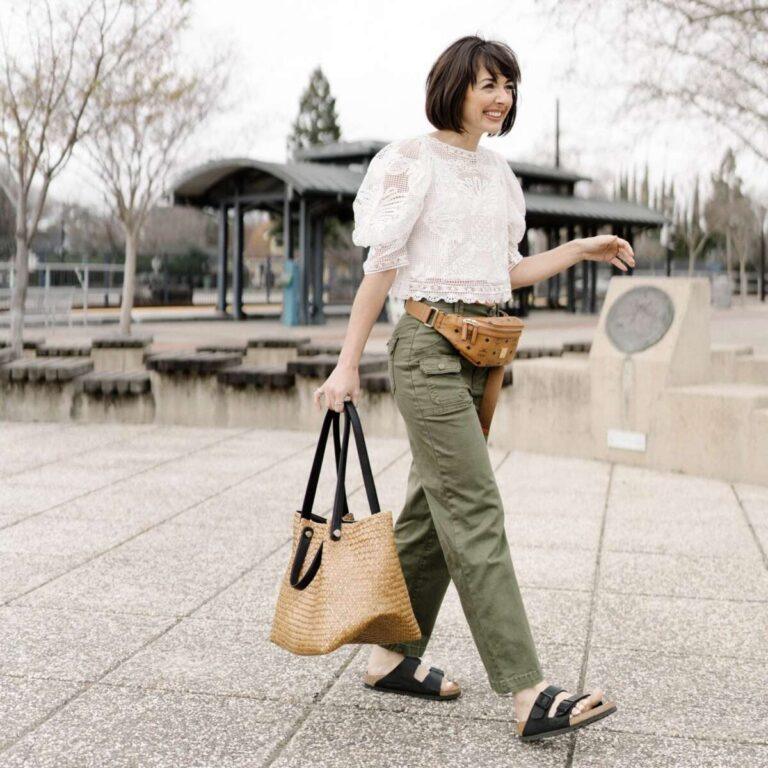
Choose women’s pants by fit, balance, color, and comfort, then build each outfit around the pants’ shape.
Learning how to style pants women can wear for work, weekends, travel, and evenings becomes much easier when you understand proportion. Wide-leg trousers need a different top than slim jeans, while cropped pants often need careful shoe choices. This guide shares practical styling rules, outfit formulas, common mistakes, and simple ways to make every pair feel polished and personal.
What to Consider Before Styling Women’s Pants
Good styling starts before you choose a top. The cut, fabric, rise, length, and color of your pants shape the whole outfit. Think of pants as the foundation of a room: when the base feels right, everything else fits more easily.
When deciding how to style pants women already own, check these details first:
• Fit: Pants should feel secure without pulling at the waist, hips, or thighs.
• Rise: High-rise pants often define the waist, while mid-rise styles offer a relaxed, classic feel.
• Leg shape: Straight, wide-leg, bootcut, flare, tapered, and skinny pants each create a different visual line.
• Length: Full-length pants can look elegant, while cropped pants show more of the shoe and ankle.
• Fabric: Denim feels casual, wool looks polished, linen feels relaxed, and faux leather adds edge.
• Color: Neutral shades are easy to repeat, while bright colors or prints become the main focus.
Fit matters more than size. Clothing sizes vary widely between brands, so use the waistband, seat, and leg shape as your guide. A tailor can often improve the look of trousers with small changes to the hem or waist.
A simple rule is to balance volume. If your pants are loose and flowing, try a closer-fitting top. If your pants are slim, a relaxed shirt, blazer, or sweater can create a more modern shape.

How to Style Pants Women Can Wear Every Day
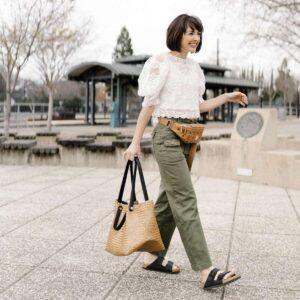
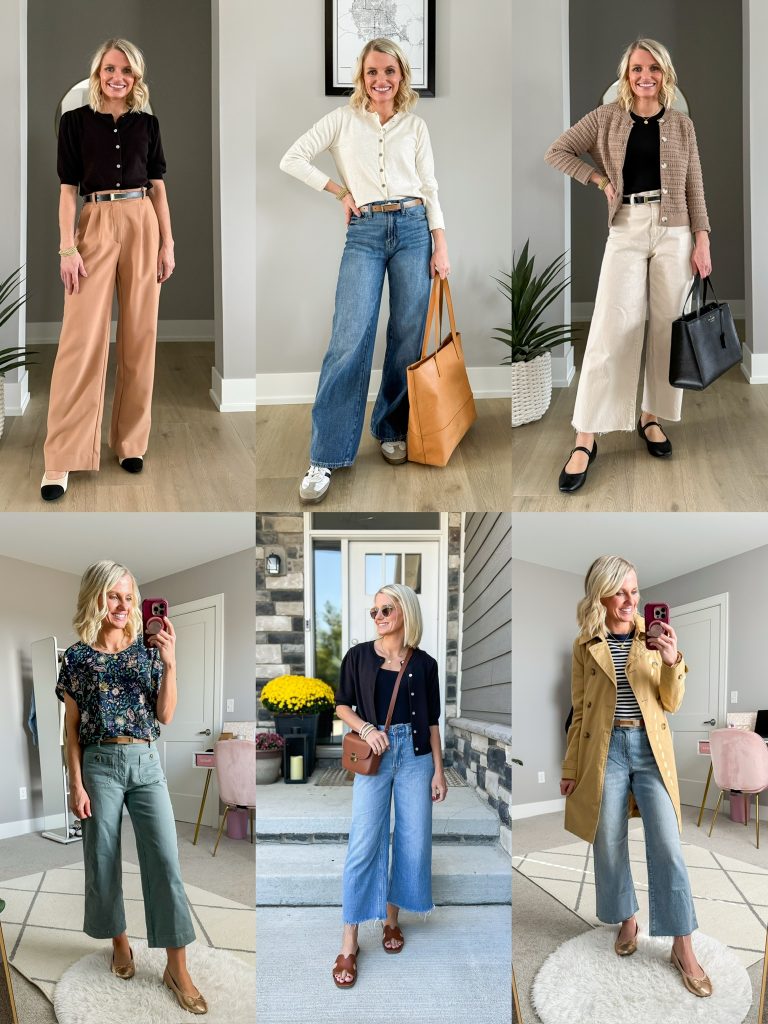
Daily outfits should feel easy, not dull. The best casual pants outfits combine one comfortable piece, one structured piece, and one detail that shows personality. For example, pair straight-leg jeans with a soft T-shirt, a tailored blazer, and clean sneakers.
Here are reliable everyday outfit formulas:
• Straight-leg jeans with a tucked cotton T-shirt, leather belt, and loafers.
• Wide-leg pants with a fitted knit top and low-profile sneakers.
• Cargo pants with a simple tank, denim jacket, and ankle boots.
• Tapered trousers with a loose button-down shirt and ballet flats.
• Pull-on ponte pants with a long cardigan and leather sneakers.
The tuck makes a major difference. A full tuck defines the waist, while a front tuck creates a relaxed shape. If the fabric is thick, try a shorter top instead of forcing a bulky tuck.
For casual errands, use color to make basic pieces look intentional. Black pants with a white shirt are classic, but adding tan shoes, a blue jacket, or a printed scarf gives the outfit more depth.
One styling lesson I often return to is this: comfort looks more polished when the outfit has one clear shape. If every item is oversized, the outfit may lose structure. Add a fitted tank, a short jacket, or a neat shoe to give the look a clean finish.
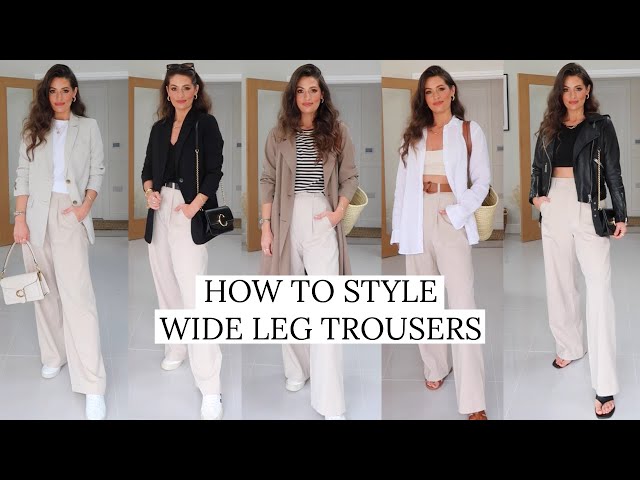
How to Style Wide-Leg Pants
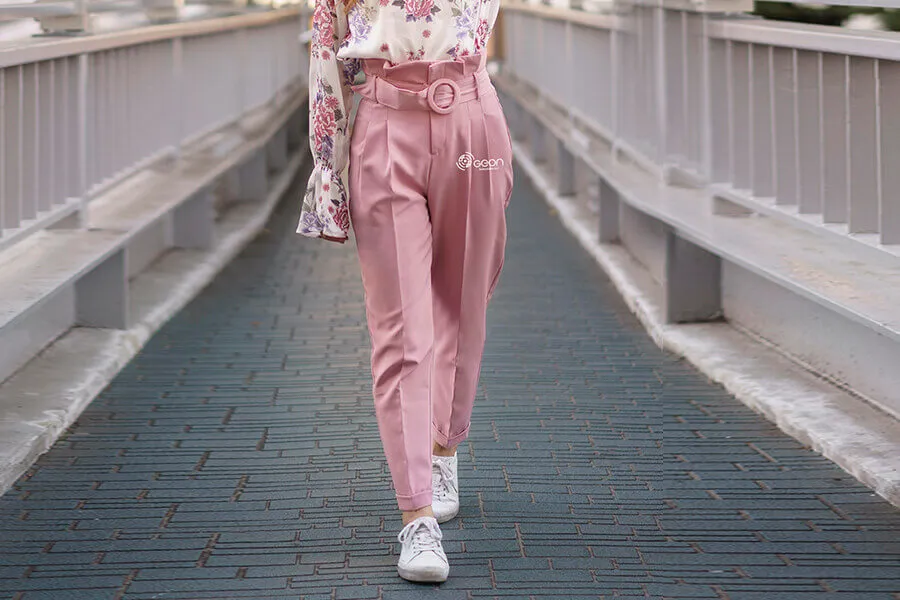
Wide-leg pants create movement and comfort, but they can overwhelm the body if the proportions are not balanced. The easiest approach is to show the waist or keep the top close to the body.
Try these combinations:
• High-waisted wide-leg trousers with a tucked blouse and pointed flats.
• Wide-leg jeans with a fitted sweater and platform sneakers.
• Linen wide-leg pants with a cropped cardigan and woven sandals.
• Satin wide-leg pants with a simple tank and heeled sandals.
• Pleated trousers with a tucked shirt and structured blazer.
The hem should skim the top of your shoe without dragging on the floor. If you plan to wear wide-leg pants with heels, hem them for that shoe height. Wearing them with flat shoes later may make the pants look too long.
A belt can help anchor wide-leg pants, especially when the top is tucked in. Choose a slim belt for a delicate look or a medium-width belt for stronger structure.
Avoid pairing very wide pants with a long, loose top unless you want a deliberately relaxed silhouette. The combination can work, but it usually needs a cropped jacket, visible waistline, or heeled shoe to keep the outfit from looking shapeless.
When considering how to style pants women choose for summer, linen wide-leg pants are an excellent option. Look for a lined pair or wear suitable undergarments because light fabric can be slightly sheer.
How to Style Straight-Leg and Slim Pants
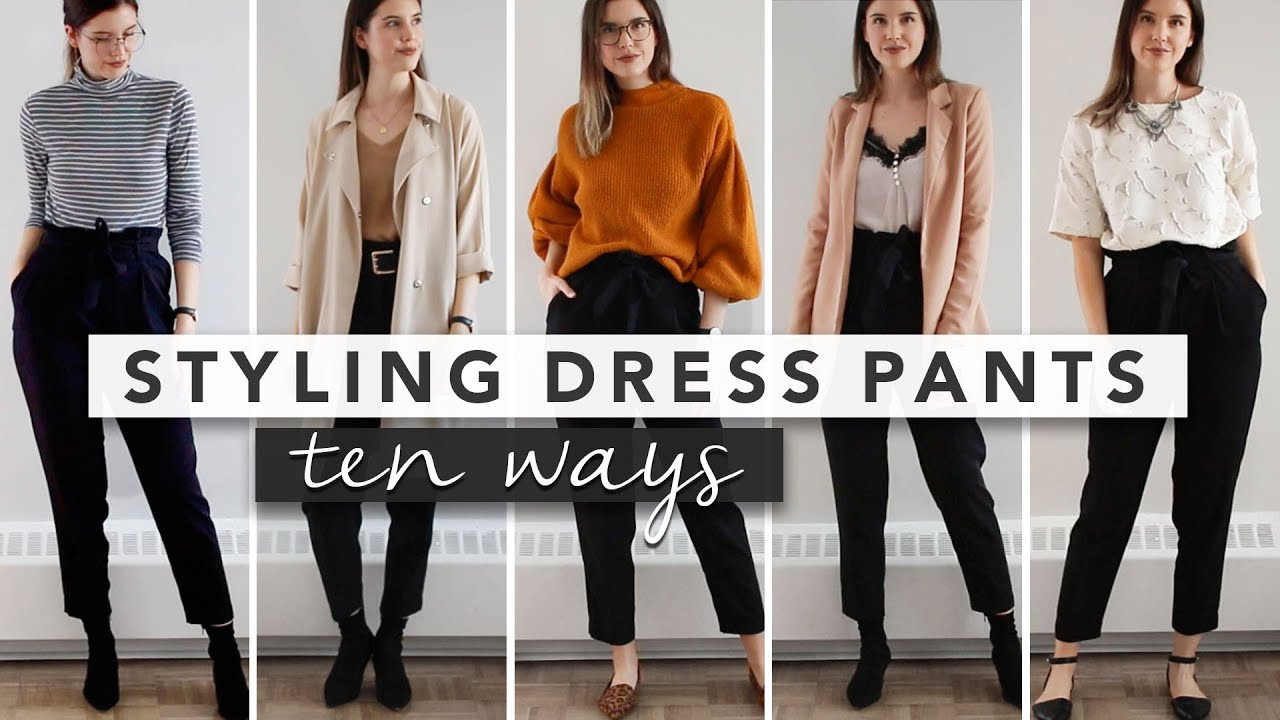
Straight-leg pants are among the easiest styles to wear because they sit between fitted and loose. They create a clean line without feeling as restrictive as skinny pants.
For a modern outfit, wear straight-leg pants with:
• A tucked white shirt and loafers.
• A cropped jacket and ankle boots.
• A fitted tee and denim overshirt.
• A fine-knit sweater and ballet flats.
• A blazer, simple tank, and low heels.
Slim pants work well with volume on top. Try a loose button-down, long cardigan, or oversized blazer. Keep at least one part of the outfit neat so the overall look still feels intentional.
Pay attention to the ankle. Slim pants that stop just above the ankle can look sharp with loafers or ballet flats. Full-length slim pants often look best with pointed shoes or boots that create one long line.
Black slim trousers are useful for work and evening outfits. Add a silk-style blouse and small earrings for dinner, or wear a crew-neck sweater and loafers for the office.
A common mistake is wearing very tight pants with a very tight top and very delicate shoes. That combination may feel dated or overly narrow. Add texture or volume through a blazer, cardigan, chunky shoe, or structured bag.

How to Style Cropped Pants
Cropped pants can make an outfit feel light and fresh, but the length and footwear matter. A cropped hem draws attention to the lower leg, so the shoe becomes part of the styling.
For a balanced look, try:
• Cropped trousers with pointed flats to lengthen the foot.
• Cropped jeans with ankle boots and a tucked sweater.
• Cropped wide-leg pants with heeled sandals.
• Capri-style pants with a relaxed shirt and simple sneakers.
• Cropped chinos with loafers and a striped top.
The most flattering length depends on the cut. Straight cropped pants often look best a few inches above the ankle. Wide cropped pants need enough space around the leg so they do not look accidental or overly short.
Avoid a shoe that visually cuts the foot at the same point as the pant hem if you want a longer line. For example, a high-contrast ankle strap can make the leg look shorter. This is not a rule you must follow, but it is useful when creating a streamlined outfit.
If you prefer more coverage, wear cropped pants with shoes in a similar color to your skin tone or pants. Matching socks can also make the look feel more current, especially with loafers or sneakers.

How to Style Pants for Work
Work outfits need comfort, polish, and enough structure to suit your setting. Start with tailored pants in black, navy, gray, brown, cream, or subtle pinstripes. Then add a shirt, knit, blazer, or jacket with a clear shape.
Professional outfit ideas include:
• Black trousers with a tucked blouse, belt, and pointed flats.
• Navy wide-leg pants with a fine-knit top and matching blazer.
• Gray ankle pants with a button-down shirt and loafers.
• Brown trousers with an ivory sweater and leather pumps.
• Tapered pants with a knit blazer and low block heels.
For a balanced work wardrobe, choose pants that can create at least three outfits. A pair of navy trousers might work with a white shirt, a blue sweater, and a patterned blouse. This approach saves money and reduces the stress of getting dressed.
Fabric also affects professionalism. Wool blends, ponte, cotton twill, and polished crepe usually hold their shape well. Very thin jersey or wrinkled linen may be less suitable for formal settings, though workplace standards differ.
Your workplace dress code should guide the final choice. A creative office may welcome bold color and sneakers, while a formal office may call for tailored trousers and closed-toe shoes. When unsure, dress slightly more polished and adjust after observing the environment.
One practical lesson is to test work pants while sitting. The waistband, pockets, and knee area may behave differently at a desk than they do in front of a mirror.

How to Style Pants for Evening Outfits
Pants can look just as elegant as a dress for dinner, parties, and special events. The key is to use rich texture, a refined fit, or one noticeable accessory.
Try these evening combinations:
• Satin trousers with a fitted camisole and heeled sandals.
• Black wide-leg pants with a velvet top and statement earrings.
• Tailored trousers with a one-shoulder blouse and clutch.
• Faux leather pants with a soft knit and pointed ankle boots.
• Sequin pants with a plain black top and simple jewelry.
Keep the rest of the outfit calm when the pants are bold. A printed or metallic pair usually needs a solid top and quiet accessories. If the pants are simple, you can add interest with a dramatic sleeve, bright shoe, or sculptural necklace.
Black pants are especially flexible for evening dressing. Change the mood with fabric: satin looks soft and fluid, velvet feels rich, and leather adds a sharper edge.
Pay attention to underwear and layering. Smooth, seamless pieces can prevent visible lines under satin or fitted fabric. A short lining or slip-style layer may also improve comfort and movement.
How to Style Pants by Body Proportion
There is no single body type that owns a certain style. The most useful approach is to focus on balance, comfort, and the areas you want to highlight. Clothing should support your shape, not force you into a rulebook.
Use these proportion tips as options:
• If you want to define your waist, try high-rise pants with a tucked or cropped top.
• If you want a longer leg line, choose pants and shoes in similar colors.
• If you want more volume at the hip, try pleats, cargo pockets, or wide-leg cuts.
• If you want a cleaner hip line, choose flat-front pants with minimal pocket detail.
• If you want to balance broad shoulders, wide-leg or bootcut pants can add visual weight below.
• If you prefer coverage at the waist, try a half tuck or a structured jacket that ends near the hip.
The best fit is not always the smallest fit. Pants need enough room for sitting, walking, and normal movement. Pulling across the front or horizontal lines at the hips often signal that you need a different size, rise, or cut.
A mirror check helps, but movement is the real test. Sit, walk, bend, and raise your arms. If the pants stay comfortable and the outfit still looks balanced, you have likely found a strong fit.
How to Style Pants Women Can Wear in Every Season
The same pants can work across the year when you change the layers and shoes. Seasonal styling is less about buying new clothes and more about adjusting texture and coverage.
For spring, wear trousers with lightweight knits, cotton shirts, ballet flats, and loafers. Add a trench coat or cropped jacket for cool mornings.
For summer, choose breathable fabrics such as linen, cotton, or lightweight blends. Pair them with tanks, short-sleeve shirts, woven sandals, and simple jewelry.
For fall, add textured layers. Corduroy pants, denim, and wool trousers work well with sweaters, ankle boots, scarves, and leather jackets.
For winter, wear thicker trousers with thermal layers, long coats, boots, and wool accessories. Wide-leg pants can fit over sleek boots, while slim pants tuck neatly into tall boots.
Color can shift with the season, but it does not need to follow strict rules. Cream, olive, rust, chocolate brown, and burgundy can feel autumnal, while white, soft blue, and pale yellow can feel fresh in warmer months.
When deciding how to style pants women want to wear all year, focus on fabric weight and layering. A lightweight trouser may need a slip or lining in cold weather, while heavy wool can feel uncomfortable during summer.

Shoes and Accessories That Complete the Outfit
Shoes can change the mood and proportion of pants more than almost any other item. A sneaker makes tailored pants feel casual, while a pointed heel gives them a dressier line.
Match shoes to the pants’ shape:
• Wide-leg pants work well with platforms, low heels, pointed flats, and sleek sneakers.
• Straight-leg pants suit loafers, ankle boots, ballet flats, and clean sneakers.
• Slim pants pair easily with tall boots, loafers, pumps, and minimalist sandals.
• Cropped pants look good with flats, low heels, sneakers, and sandals that keep the ankle visible.
Belts are useful when pants have belt loops, especially with tucked tops. Choose a belt that either matches your shoes or adds a deliberate contrast.
Bags should support the outfit’s scale. A large tote works with relaxed daily pants, while a small shoulder bag or clutch suits evening trousers. Jewelry can add polish without changing the entire outfit.
A simple styling formula is one focal point. Let the pants, shoes, bag, or top lead the outfit, then keep the other pieces supportive. Too many competing details can make even expensive clothing look busy.
Common Mistakes to Avoid
Even stylish outfits can feel wrong when small details are ignored. Most mistakes are easy to fix once you know what to check.
Avoid these common problems:
• Pants that drag on the ground: Adjust the hem for the shoes you wear most.
• Too much fabric at the ankle: Try a different length or a slimmer shoe.
• A bulky tuck: Use a thinner top, a half tuck, or a shorter layer.
• Pockets that gape: The pants may be too small across the hips or need a different cut.
• Wrinkled trousers: Hang them properly and follow the care label.
• Too many loose layers: Add a fitted base or shorter jacket.
• The wrong undergarments: Choose smooth, supportive pieces for light or fitted fabric.
• Ignoring the occasion: Casual pants may not suit formal events, even with dressy accessories.
One mistake I see often is styling the pants in isolation. An outfit may look fine from the waist down but feel unbalanced when the top, shoe, and bag are added. Always check the complete outfit in a mirror or take a quick photo from a few steps away.
Care matters, too. Washing denim too often can affect color and shape, while heat can shrink some fabrics. Read the garment label, use a steamer when suitable, and store tailored pants on a proper hanger.
A Simple Method for Building an Outfit
If you are unsure how to style pants women already have in their closet, follow this five-step method.
-
Choose the pants first. Pick the pair that suits the occasion and feels comfortable.
-
Decide on the shape. Choose a fitted, tucked, cropped, or structured top based on the pants’ volume.
-
Add a third piece. Try a blazer, cardigan, jacket, vest, or overshirt.
-
Select the shoes. Consider the hem, the occasion, and the length you want to create.
-
Add one finishing detail. Use a belt, watch, earrings, scarf, or bag to make the outfit feel complete.
For example, start with high-rise black wide-leg pants. Add a fitted cream sweater, a camel blazer, pointed flats, and a simple belt. The result feels polished because the colors are calm and the proportions are clear.
Another option is straight-leg jeans with a white T-shirt. Add a navy blazer, brown loafers, and a leather tote. This outfit works for casual offices, lunch, travel, and many everyday plans.
Take a photo when an outfit works well. Your phone can become a personal style reference. Over time, you will notice which rises, colors, lengths, and shoes make you feel most confident.
How to Style Pants Women Frequently Ask About
How can women style wide-leg pants without looking shorter?
Pair wide-leg pants with a defined waist, a tucked top, or a shorter jacket. Shoes with a low heel or a similar color to the pants can also create a longer visual line.
What tops look best with women’s pants?
The best top depends on the pants’ volume. Fitted tops balance wide-leg pants, while relaxed shirts and blazers can balance slim or straight-leg pants.
Can women wear sneakers with dress pants?
Yes. Clean, low-profile sneakers can make tailored pants look modern and relaxed. Choose a neat pair and keep the rest of the outfit structured.
How should women style pants for a business casual office?
Try tailored trousers with a blouse, knit top, blazer, loafers, or low heels. Stick with polished fabrics and make sure the pants are comfortable when sitting and walking.
What shoes should women wear with cropped pants?
Flats, loafers, sneakers, ankle boots, sandals, and low heels can all work. The best choice depends on the pant width, hem length, and the amount of leg you want to show.
How can women make pants look more flattering?
Start with the right rise, comfortable fit, and suitable length. Then balance the outfit with intentional proportions, supportive undergarments, and shoes that suit the pant shape.
Are belts necessary when styling women’s pants?
Belts are not required, but they can define the waist and finish a tucked outfit. Choose one that works with the pants’ belt loops and complements your shoes or bag.
Conclusion
Learning how to style pants women can wear with confidence comes down to a few strong habits: choose the right fit, balance the proportions, consider the hem, and match the fabric to the occasion. Wide-leg, straight, cropped, slim, tailored, and casual pants can all become versatile wardrobe staples when styled with care.
Start with one pair you already own and create three outfits for different settings. Try a new tuck, shoe, layer, or color combination, then save the looks that feel best. Explore more practical style guides, and share your favorite pants outfit with someone who enjoys getting dressed, too.
Madison Clark is a footwear expert and the voice behind MyStyleGrid.com. She specializes in honest shoe reviews, style tips, and practical guides to help readers find the perfect pair for any occasion. With years of experience in blogging and content creation, Madison makes footwear knowledge simple, stylish, and easy to follow.