Most people need three to five pairs of dress pants for a flexible, well-balanced wardrobe.
Knowing how many pairs of dress pants you need depends on your work dress code, laundry routine, climate, and social calendar. A lawyer in court each day will need more pairs than someone who dresses up once a month. This guide uses practical wardrobe planning, fabric care, and real-life outfit needs to help you choose the right number without wasting money or closet space.
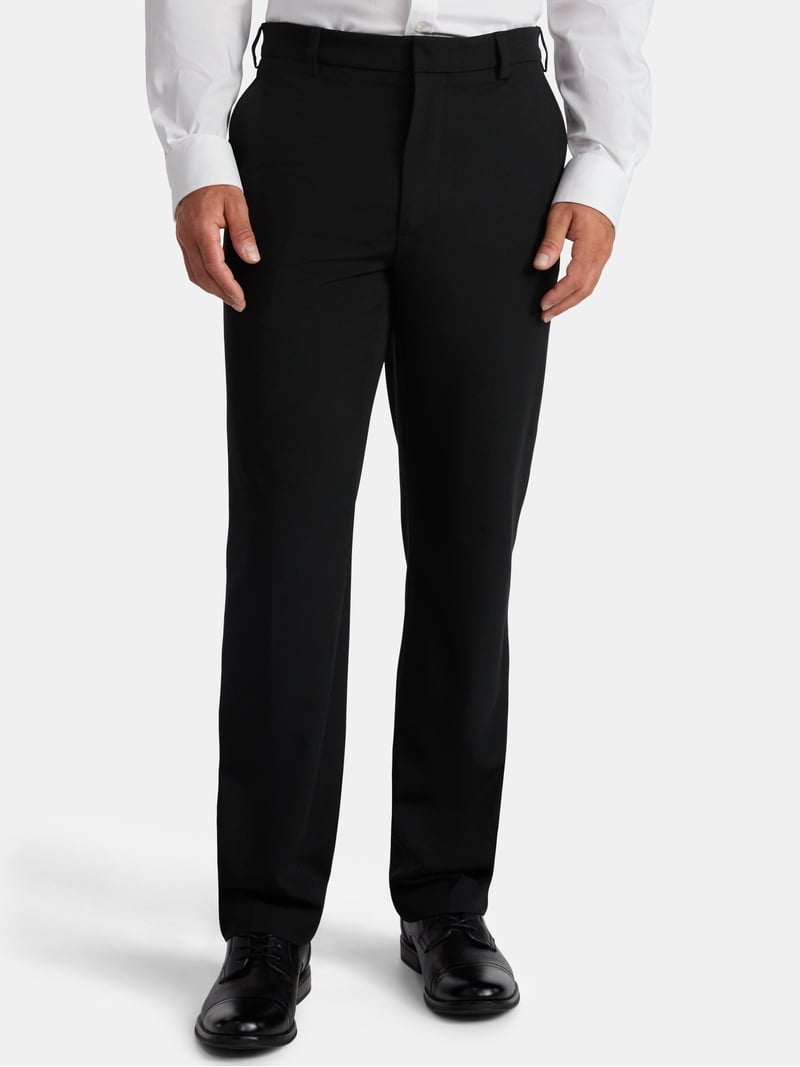
The short answer: How many pairs of dress pants do I need?
For most adults, three to five pairs of dress pants offer the best balance. This number gives you enough variety for work, events, travel, and unexpected plans.
Here is a simple guide:
• One to two pairs work for occasional wear.
• Three pairs suit a casual office or part-time professional wardrobe.
• Four to five pairs fit most full-time office workers.
• Six to eight pairs may help people who wear dress pants every workday.
• Eight or more pairs are usually reserved for formal careers, frequent travel, or strong personal style needs.
When deciding how many pairs of dress pants you need, think about how often you wear them between washes. Dress pants usually do not need washing after every use. If you air them out and spot-clean small marks, one pair can often serve for several wears.
Still, rotation matters. Wearing the same pair every day can cause shine, wrinkles, odor, and faster wear. A small group of well-made pants often lasts longer than one heavily used pair.
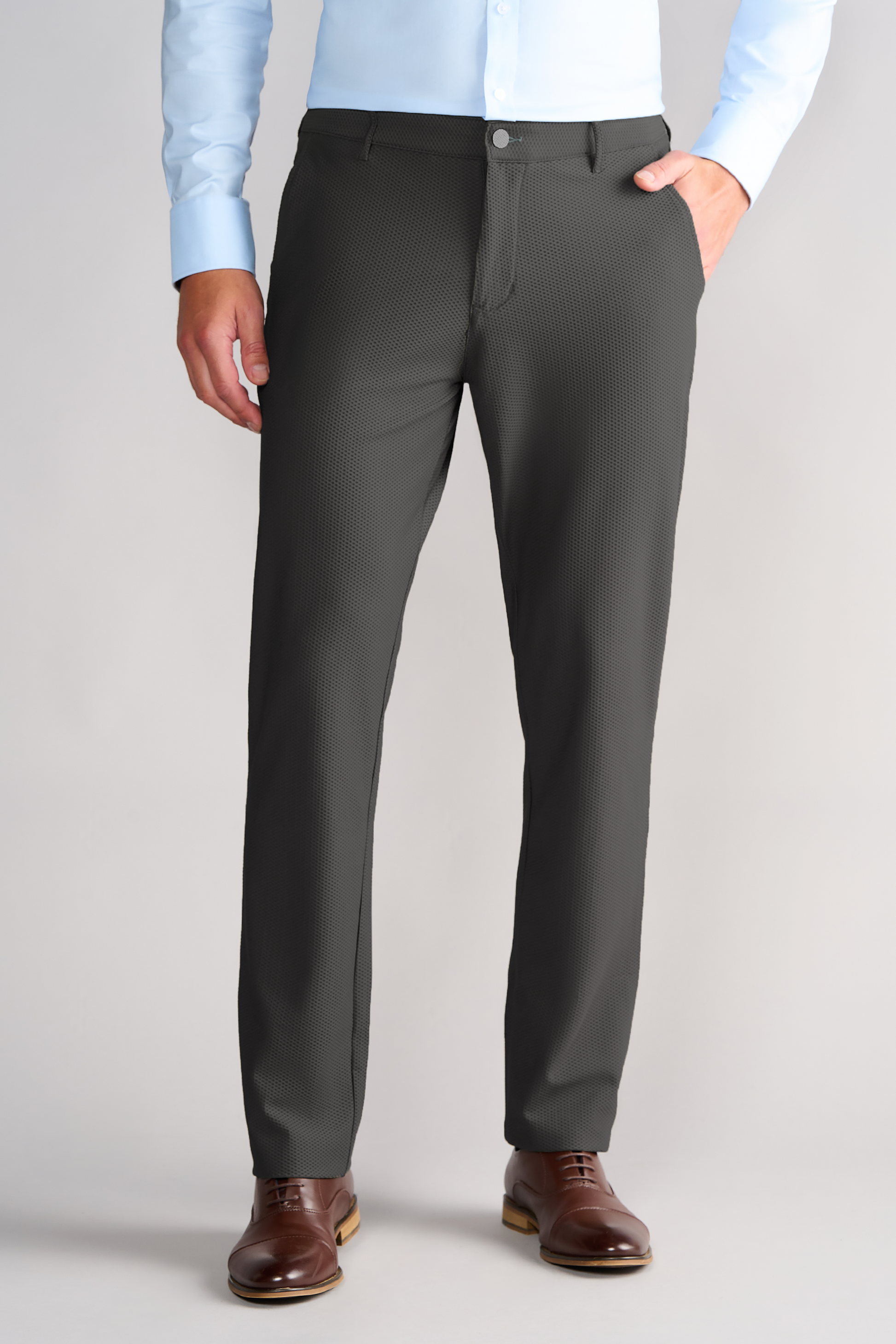
Factors that affect how many pairs of dress pants you need
There is no universal number. Your ideal wardrobe should match your real life, not an imaginary lifestyle.
Your workplace dress code
Your job is often the biggest factor. A formal office may require pressed trousers, wool slacks, or a suit every day. A business-casual office may allow chinos, dark jeans, or knit pants alongside dress pants.


Ask yourself:
• Do I wear dress pants every weekday?
• Do I need a different color each day?
• Do clients, meetings, or court appearances require formal clothing?
• Can I wear the same pants twice in one week?
If you wear dress pants five days a week, owning four to six pairs gives you room to rotate them. If your office is more relaxed, three pairs may be enough.
Your laundry schedule
People who do laundry once a week need more clothing than people who wash clothes every few days. This is especially true if your pants become dirty during commuting, outdoor work, or long shifts.
For example, someone who does laundry every Sunday may need five pairs for a full workweek. Someone who washes clothes on Wednesday and Sunday might manage with three or four pairs.
Laundry also affects fabric quality. Washing wool or tailored pants too often can shorten their life. Many care labels recommend dry cleaning only when needed, with brushing, airing, and spot treatment between cleanings.
Your lifestyle and social plans
Your daily routine matters as much as your job. You may need extra dress pants if you attend dinners, religious services, weddings, networking events, or performances.
A person with a simple workweek may need four pairs. The same person may need six if they attend formal events often and do not want to repeat an outfit.
Your climate
Hot, humid weather can increase sweat and washing needs. In that case, breathable wool, linen blends, cotton, and lightweight tropical fabrics may help. You may also need more pairs so each one can fully air out.
Cold climates create different needs. Heavier wool pants, flannel trousers, and darker colors can work well during winter. You may need fewer pairs if seasonal clothing stays fresh and clean for longer.
Your budget and closet space
A larger wardrobe is not always a better wardrobe. A few high-quality pairs that fit well can create more outfits than many poor-fitting pairs.
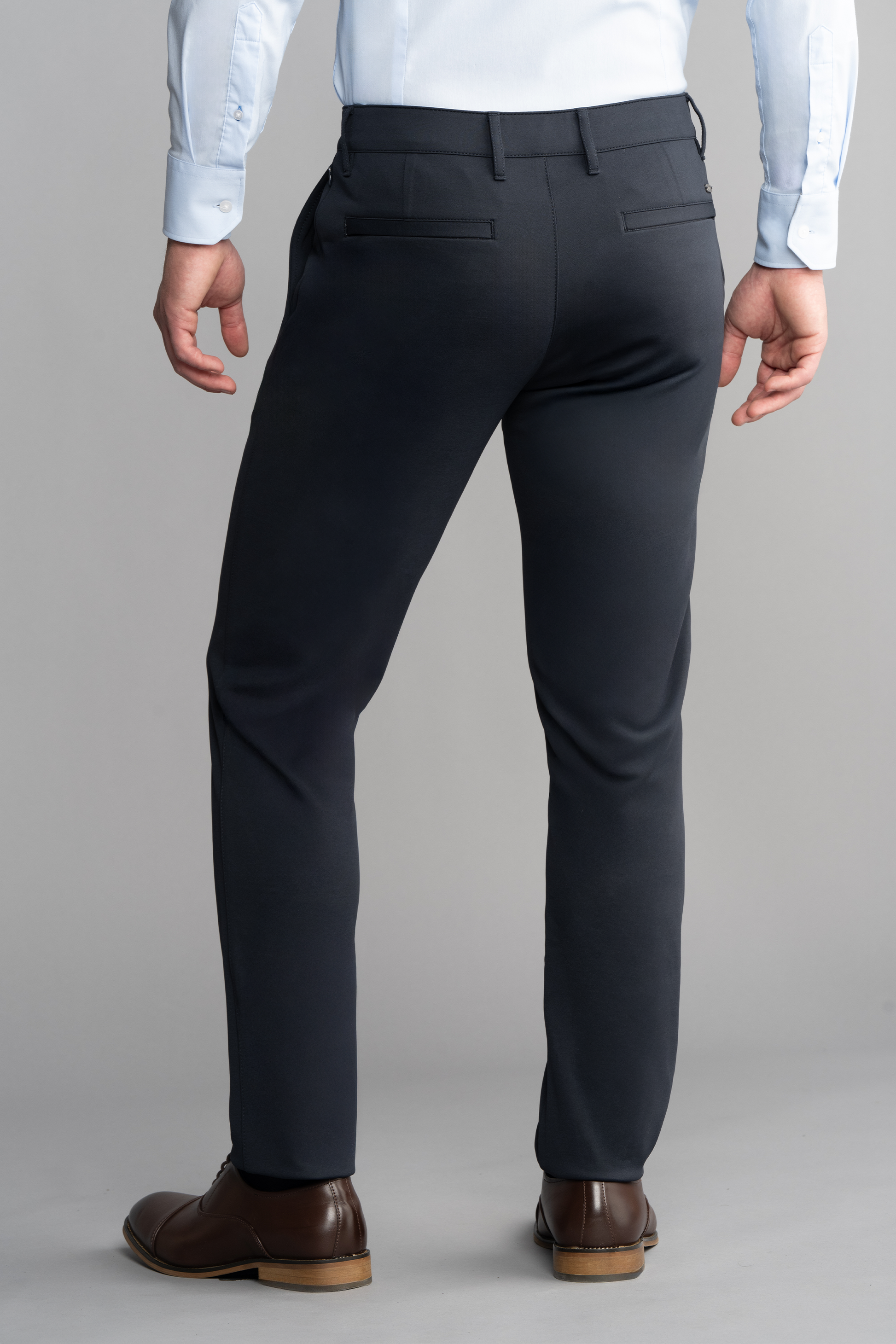
If money is tight, begin with neutral colors and add pieces slowly. Black, charcoal, navy, and medium gray cover many settings. Once those basics work, add brown, tan, olive, or subtle patterns.


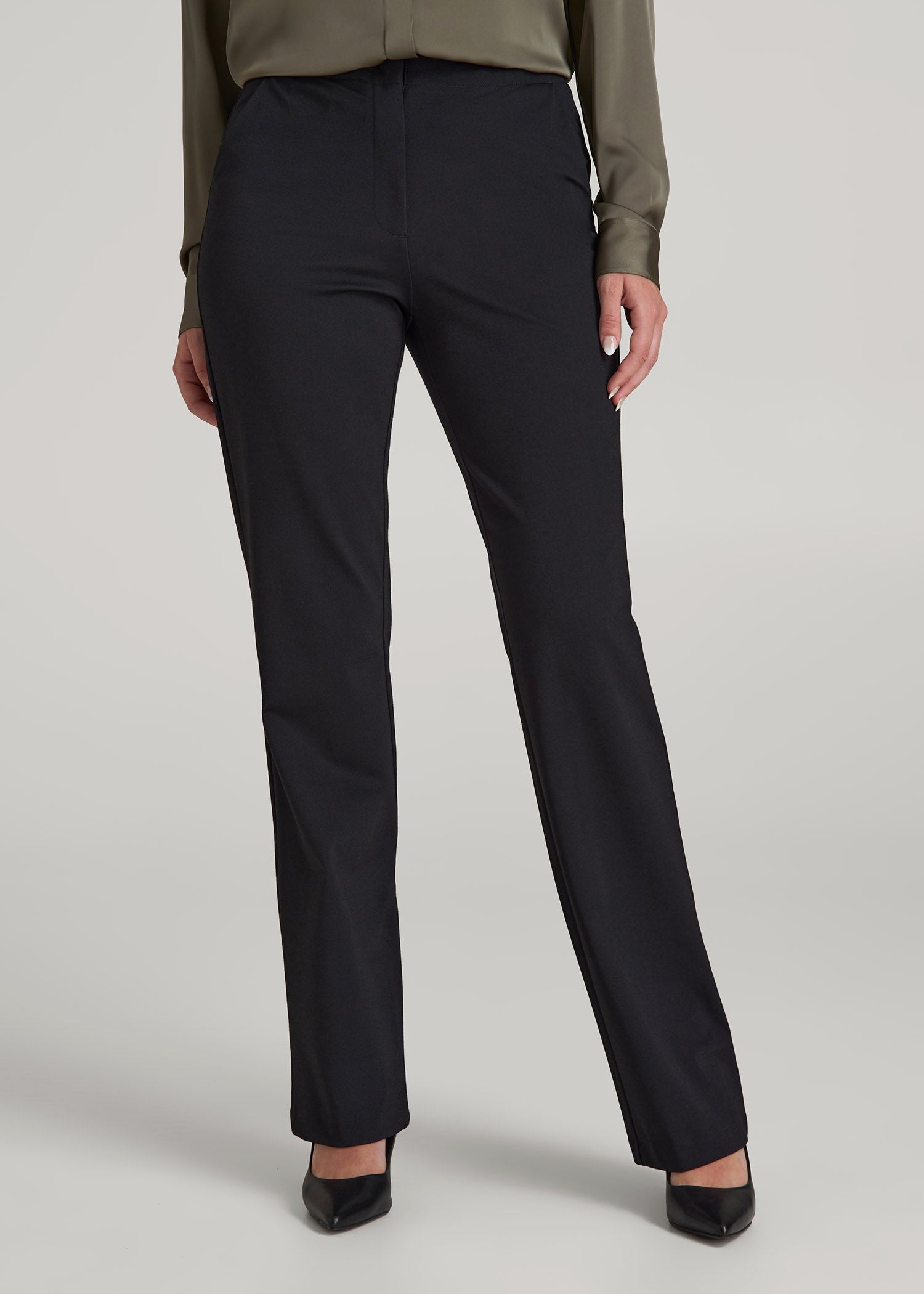
How many dress pants do you need for work?
Most full-time office workers should start with four pairs of dress pants. This allows a weekday rotation without forcing you to wear the same pair on consecutive days.
A practical work wardrobe might include:
• One pair of navy pants
• One pair of charcoal pants
• One pair of medium gray pants
• One pair of black or dark brown pants
This group works with white, blue, gray, cream, and patterned shirts. It also pairs well with black, brown, and burgundy shoes.
If your workplace requires formal clothing every day, consider five or six pairs. You may want two pairs in your most-used color, especially charcoal or navy.
A simple rotation could look like this:
-
Wear navy on Monday.
-
Wear gray on Tuesday.
-
Wear charcoal on Wednesday.
-
Wear black or brown on Thursday.
-
Wear navy or gray on Friday.


Let each pair rest at least one day before wearing it again. Use a sturdy hanger and brush away dust after each use. This small habit can help your pants keep their shape.
How many dress pants do you need for a business-casual office?
A business-casual worker often needs three to four pairs. You can combine dress pants with chinos, dark jeans, and clean, tailored cords.
For example, you might wear:
• Dress pants on Monday and Thursday
• Chinos on Tuesday
• Dark jeans on Wednesday
• Dress pants or chinos on Friday
This approach reduces the number of dress pants you need while keeping your outfits polished. Always follow your employer’s rules, since “business casual” can mean different things from one workplace to another.
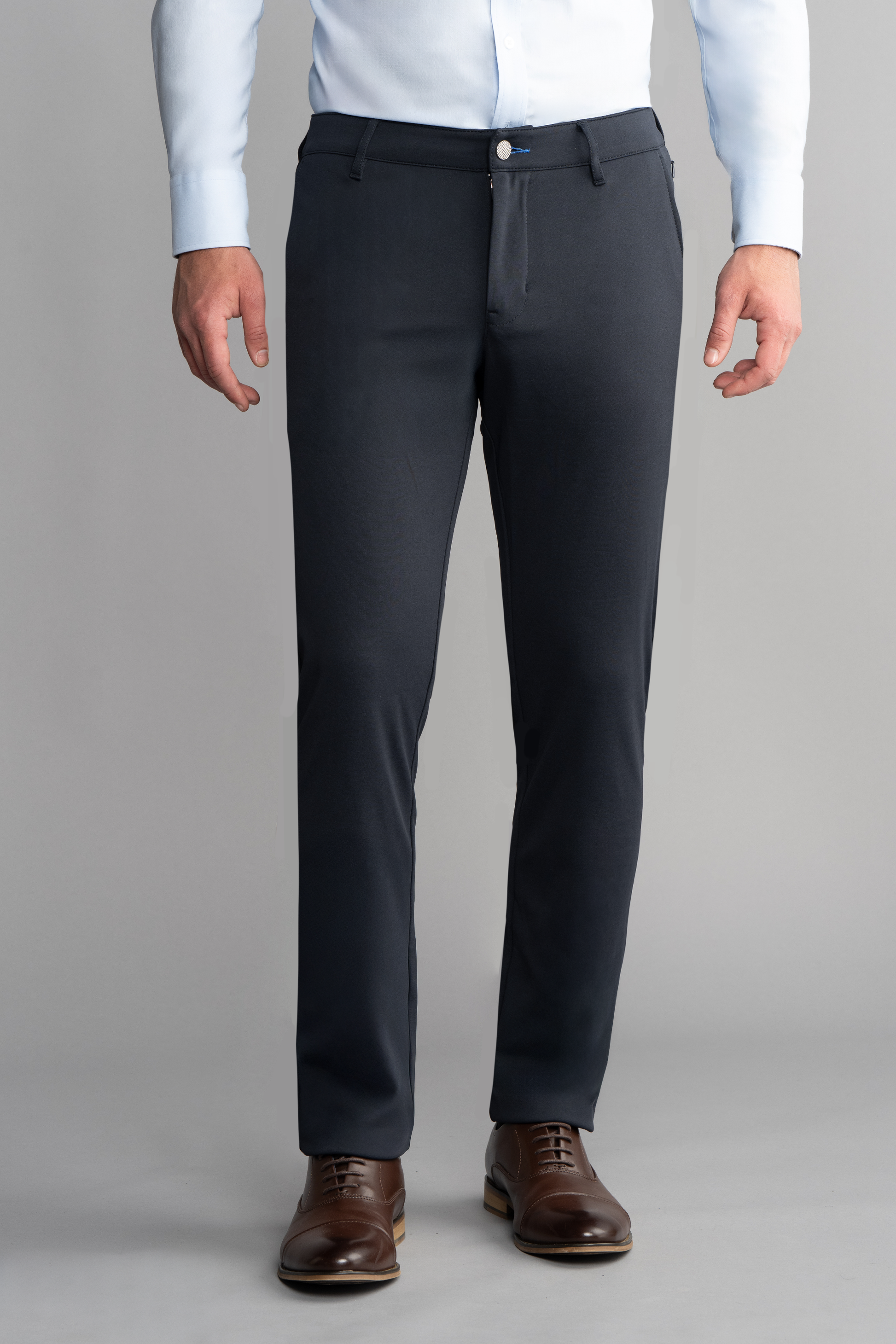
How many dress pants do you need for occasional events?
If you wear dress pants only for weddings, interviews, dinners, or religious events, two pairs may be enough. One dark pair and one medium or light pair will cover most situations.
A useful combination is:
• Charcoal or navy for formal events
• Khaki, tan, or medium gray for daytime events
Dark pants are more flexible for evening wear. Lighter pants work well for spring, summer, outdoor events, and relaxed gatherings.
If you attend formal events only a few times each year, you may not need a large collection. Focus on fit, clean hems, and fabric quality. A well-fitted pair looks better than several neglected pairs.


You may also rent formal clothing for rare black-tie events. Dress pants alone may not work with every formal dress code. A tuxedo requires matching formal trousers with the correct rise, stripe, and fabric.
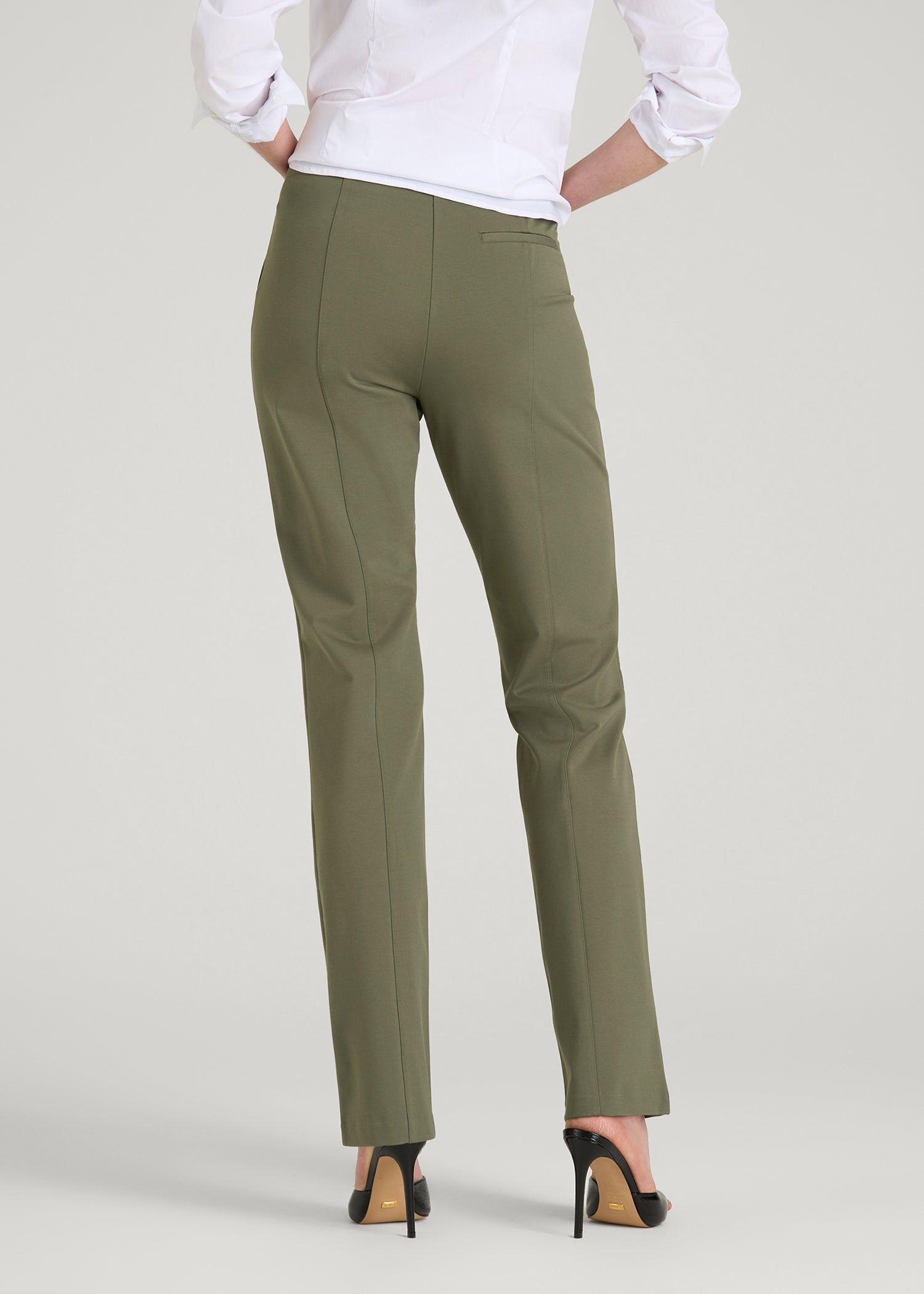
How many pairs of dress pants do you need for travel?
For a short business trip, two pairs of dress pants are often enough. Three pairs may be better for a week-long trip or a schedule filled with meetings.
Choose fabrics that resist wrinkles and coordinate with the same shoes and jackets. A travel-friendly group might include:
• One navy pair
• One charcoal pair
• One wrinkle-resistant gray pair
Pack each pair carefully. Turn the pants inside out if the fabric is delicate. Fold them along the crease, place tissue paper between layers if needed, and hang them as soon as you arrive.
A travel steamer can remove light wrinkles. Avoid placing very hot steam close to delicate fabrics without checking the care label first.
When planning how many pairs of dress pants you need for travel, also consider access to laundry. A hotel laundry service or a quick wash can reduce how much you pack.

The best colors for a small dress pants wardrobe
Color choice can reduce the number of pants you need. Neutral colors create more outfit combinations and help each pair work across seasons.
Navy
Navy dress pants are among the most useful options. They pair with white shirts, blue shirts, gray sweaters, brown shoes, and black shoes.
Charcoal
Charcoal looks formal and works well for interviews, offices, weddings, and dinners. It is often more versatile than plain black.
Gray
Medium gray pants offer a softer look. They work with navy blazers, black sweaters, white shirts, and many casual jackets.
Black
Black dress pants suit formal settings and evening events. They can look severe in some daytime offices, so they may not be your first choice for everyday wear.
Brown and tan
Brown and tan pants are useful for relaxed settings. They look best with blue, cream, white, olive, and denim tones.
A small wardrobe might start with navy, charcoal, and medium gray. Add black or brown based on your lifestyle.

How to build a dress pants capsule wardrobe
A capsule wardrobe uses a small number of items that work together. The goal is not to own as little as possible. The goal is to make dressing simple.
Start with the following steps:
-
List the settings where you wear dress pants.
-
Count how many days per week you need them.
-
Choose two or three neutral colors.
-
Check that your shirts, jackets, belts, and shoes match those colors.
-
Buy the best fit you can afford.
-
Add a seasonal fabric only when you have a clear need.
For many people, a five-pair capsule wardrobe works well:
• Navy wool or wool blend
• Charcoal wool or wool blend
• Medium gray trouser
• Black formal trouser
• Tan cotton or linen blend
This list is only a starting point. You may prefer olive, brown, or patterned trousers. Your clothes should reflect your work, climate, body, and taste.
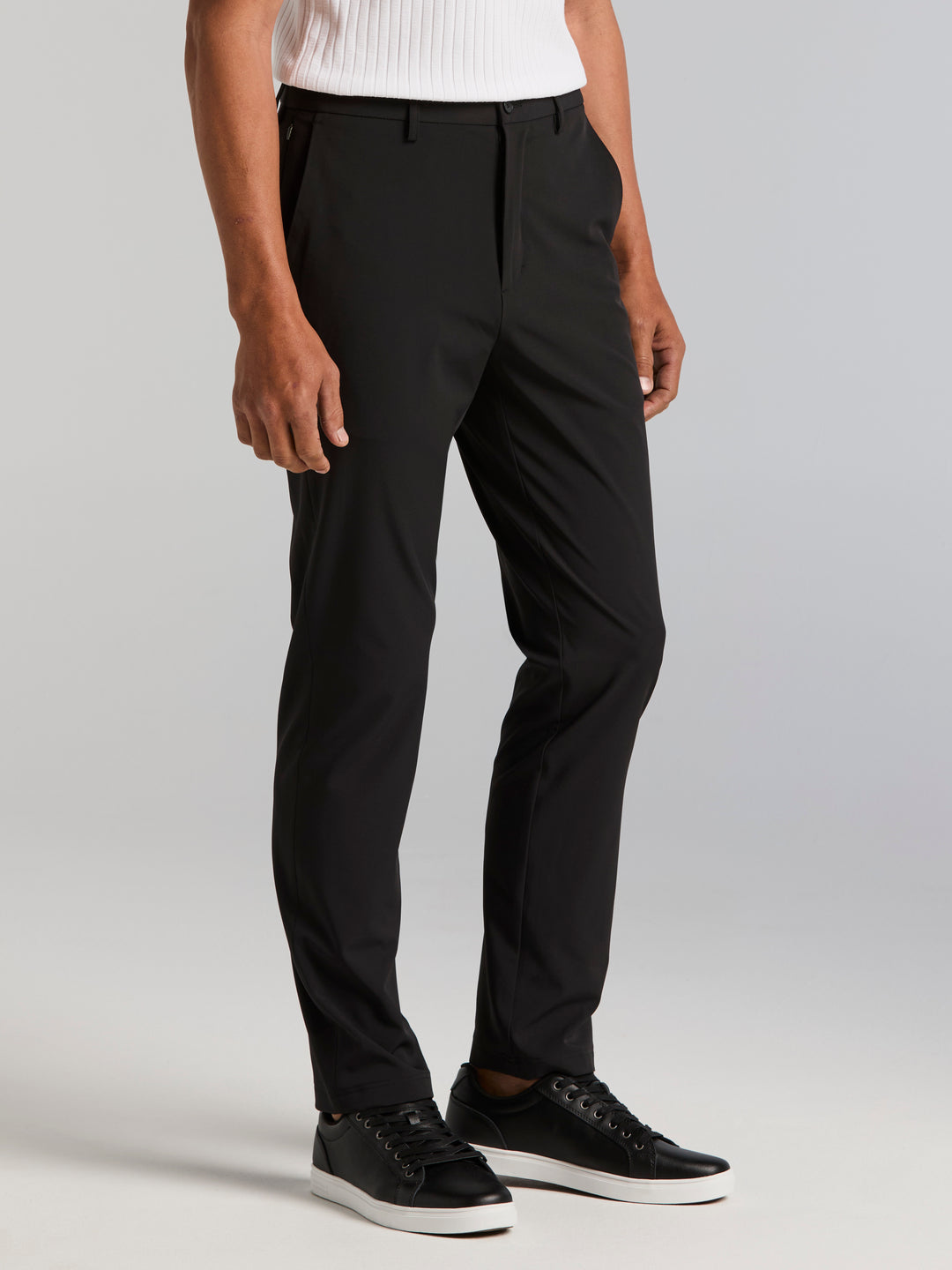
Fit matters more than the number of pairs. The waistband should sit comfortably without pinching. The seat should lie smooth. The front should not pull across the thighs, and the hem should meet your shoes neatly.
A tailor can often improve the waist, seat, or hem. However, major changes to the rise or overall shape may not be possible. Try to buy pants that fit well before alterations.
How often should you wear and clean dress pants?
Dress pants usually benefit from careful rotation. After wearing them, hang them by the waistband or use a hanger with a firm grip. Let them air out in a dry place before returning them to the closet.
Cleaning needs depend on fabric, sweat, stains, and use. Always follow the care label. The Federal Trade Commission requires care instructions on many clothing products sold in the United States, but those instructions still require judgment based on actual wear.
Use these basic habits:
• Brush off dust and lint after use.
• Treat small spills quickly.
• Air pants before storing them.
• Steam light wrinkles when the fabric allows it.
• Avoid overusing dry cleaning.
• Keep pants in a cool, dry closet.
• Store seasonal pants clean and fully dry.
A common mistake is washing every pair after one normal office day. Another mistake is wearing one favorite pair repeatedly because it fits best. Both habits can damage the fabric and shorten the garment’s life.
In my experience with wardrobe planning, the best results come from a simple rotation. People often buy more pants when the real problem is poor fit. A proper hem and a comfortable waistband can make an older pair feel like a new one.
Signs that you need more dress pants
You may need to add another pair if:
• You wear the same pair twice before it can rest.
• You run out of clean pants before laundry day.
• You need formal clothes for several events in one week.
• Your current pairs are all the same color or fabric.
• You travel often and cannot wash clothes easily.
• Your pants show wear at the knees, seat, or inner thighs.
• You avoid certain outfits because nothing matches.
You may not need more pants if your closet is full but you still struggle to dress. That problem may point to poor color planning, weak fit, or a lack of suitable shirts and shoes.
Before buying, inspect your current wardrobe. Make a list of what each pair does well and where it fails. This prevents duplicate purchases.
Signs that you own too many dress pants
A large collection can become wasteful when many pairs serve the same purpose. You may own too many if:
• Several pairs have not been worn in a year.
• Most pairs need alterations or repairs.
• You own many nearly identical black or gray trousers.
• Your closet is so crowded that pants wrinkle.
• You forget what you own.
• You buy new pants because older pairs are hard to see.
A useful test is the “three-outfit rule.” Keep a pair if you can create at least three outfits for real situations. If you cannot, consider tailoring, donating, reselling, or recycling it according to local textile programs.
Do not discard pants simply because they are old. Good wool trousers can last for years with care. Repair a loose hem, replace worn buttons, or ask a tailor whether the fabric can be restored.
Common mistakes when buying dress pants
Many shoppers focus on the number of pairs and overlook the details that make pants useful.
Buying only one color
Black may seem safe, but a wardrobe made only of black pants can feel limited. Navy and charcoal often create more outfit options for work and formal events.
Ignoring fabric weight
Heavy wool may feel uncomfortable in summer. Thin fabric may not provide enough warmth in winter. Match fabric weight to your local weather and indoor temperature.
Choosing style over fit
A fashionable cut cannot fix pants that pinch, sag, or bunch. Comfort and clean lines should come first.
Forgetting alterations
Even expensive pants may need hemming. Budget for simple tailoring when comparing prices.
Cleaning too often
Frequent cleaning can weaken fibers and fade color. Air and spot-clean pants between full cleanings when appropriate.
Buying without checking your shoes
The trouser break depends on the shoes you wear. Try pants with the shoes you plan to use most often, especially if you need a precise hem.
A simple buying plan for different lifestyles
Use this guide as a starting point.
Minimal wardrobe
Choose two pairs:
• One charcoal or navy pair
• One gray, black, or tan pair
This works for occasional events and limited budgets.
Standard office wardrobe
Choose four pairs:
• Navy
• Charcoal
• Gray
• Black or brown
This is a strong starting point for most office workers.
Formal daily wardrobe
Choose five to seven pairs:
• Two navy pairs
• Two charcoal or gray pairs
• One black pair
• One brown or seasonal pair
• One spare pair for travel or emergencies
Frequent traveler
Choose three to five pairs in wrinkle-resistant fabrics. Prioritize colors that share the same belts, shoes, shirts, and jackets.
Seasonal wardrobe
Choose three warm-weather pairs and three cold-weather pairs if your climate changes sharply. Store off-season pants properly so they remain ready to wear.
Frequently Asked Questions About How Many Pairs of Dress Pants Do I Need
Is three pairs of dress pants enough?
Three pairs can be enough for a business-casual wardrobe, especially if you also wear chinos or dark jeans. Rotate them, air them after use, and wash or clean them according to the care label.
How many pairs of dress pants should a man own?
Most men can begin with four to five pairs of dress pants. The best number depends on work requirements, laundry habits, climate, and how often formal events appear on the calendar.
How many pairs of dress pants should a woman own?
Many women can build a useful wardrobe with three to five pairs of dress pants. Include colors and cuts that suit your workplace, preferred shoes, and daily comfort.
Should I wear the same dress pants two days in a row?
It is better to avoid wearing the same pair on consecutive days when possible. Resting pants helps air out moisture, reduce wrinkles, and limit stress on the fabric.
What color dress pants should I buy first?
Navy or charcoal is usually the best first choice because each color works with many shirts, jackets, and shoes. Add medium gray, black, brown, or tan based on your wardrobe and dress code.
How long should a good pair of dress pants last?
A good pair can last several years when it fits well and receives proper care. Wear frequency, fabric quality, body movement, cleaning methods, and storage all affect its lifespan.
Do I need separate dress pants for summer and winter?
Not always. A medium-weight wool blend can work across much of the year, but separate seasonal pants improve comfort in very hot or very cold climates.
Conclusion
For most people, four pairs of dress pants provide a dependable starting point. Choose versatile colors, prioritize fit, rotate your pants, and match the number to your work, laundry routine, travel needs, and social life.
You do not need a packed closet to dress well. Start with the pairs you will wear often, then add one at a time when a real gap appears. Review your wardrobe, plan your next purchase carefully, and share your own dress pants strategy in the comments.

Rubel Miah is the Senior Editor at MyStyleGrid.com, where he brings a sharp editorial eye and an unshakable love for fashion to everything he does. A true style addict, Rubel lives and breathes trends, from streetwear to high fashion, and has a knack for turning inspiration into impactful stories. With years of experience in fashion journalism and digital media, he curates content that empowers readers to express themselves through style. When he’s not editing features or forecasting the next big thing, you’ll find him hunting down vintage pieces or capturing street style moments around the city.