The midsole of a shoe is the cushioned layer between the upper and outsole that absorbs impact and supports movement.
If you look at a shoe from the side, the midsole is the thick foam section above the rubber outsole. It affects comfort, stability, energy return, weight, and how your foot feels during each step. Understanding the midsole of a shoe makes it easier to choose footwear for walking, running, work, hiking, or daily use.
What Is the Midsole of a Shoe?
The midsole of a shoe is the layer placed between the upper and the outsole. It is usually made from foam, rubber foam, or a combination of materials. Its main job is to cushion your foot and help control how your shoe responds when it hits the ground.
Think of the midsole as the shoe’s shock absorber. The outsole touches the road, while the upper holds your foot in place. The midsole sits between them and manages much of the force created when you walk, run, jump, or land.
A well-designed midsole of a shoe can:
• Reduce pressure under the heel and forefoot
• Help absorb impact
• Support a smooth stride
• Improve comfort during long hours
• Add stability to the shoe
• Return some energy with each step
• Shape the shoe’s overall ride and feel
The midsole is not the same as the insole. The insole is the removable footbed inside the shoe. The midsole is built into the shoe and usually cannot be removed without taking the shoe apart.
Where Is the Midsole Located?
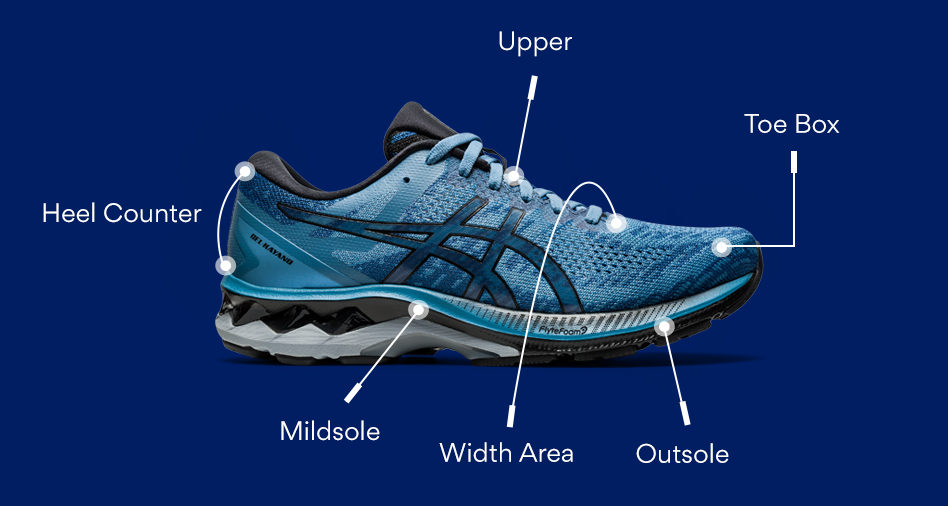
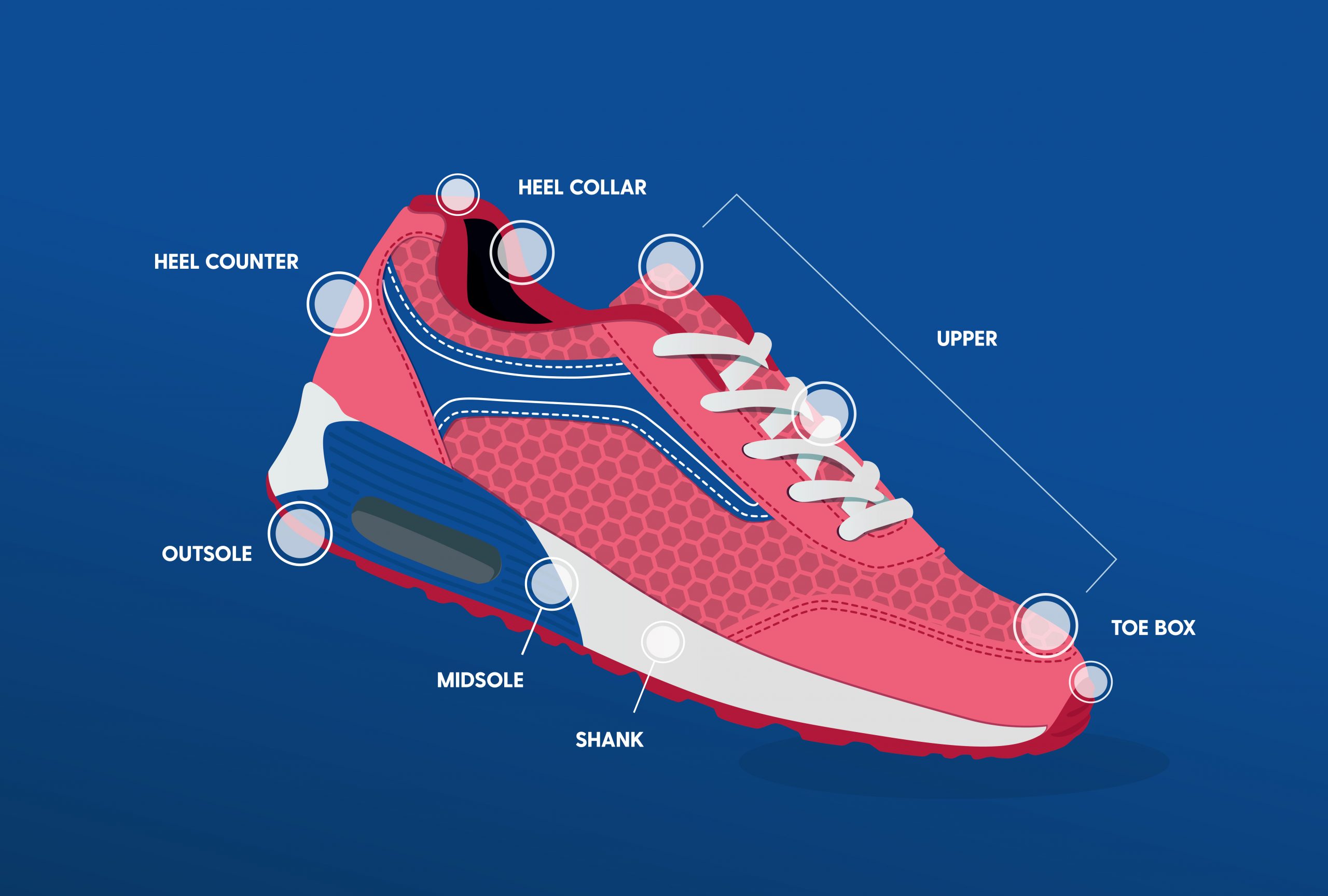
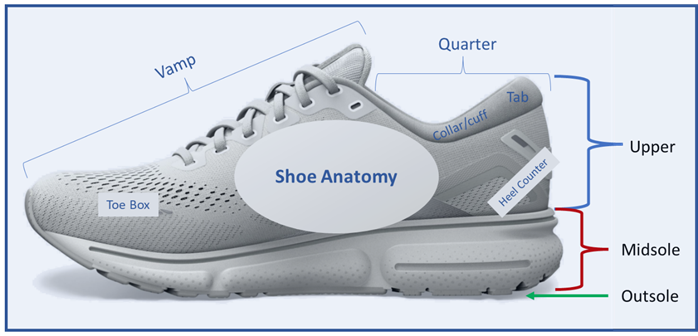
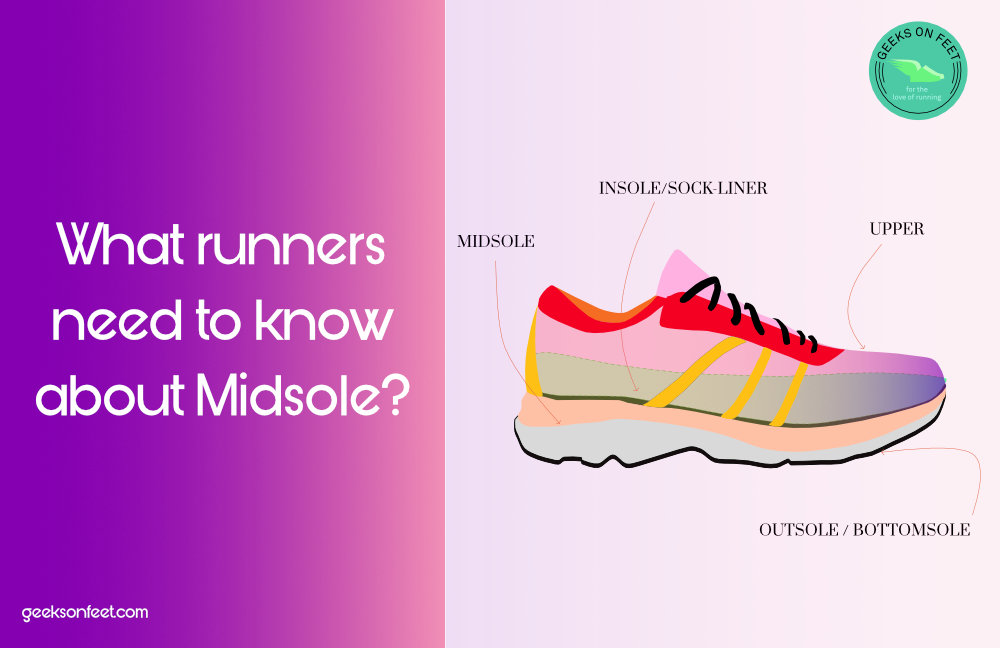
The midsole of a shoe is found between the upper and the outsole. You can usually identify it as the foam or rubber layer that runs along the side of the shoe.
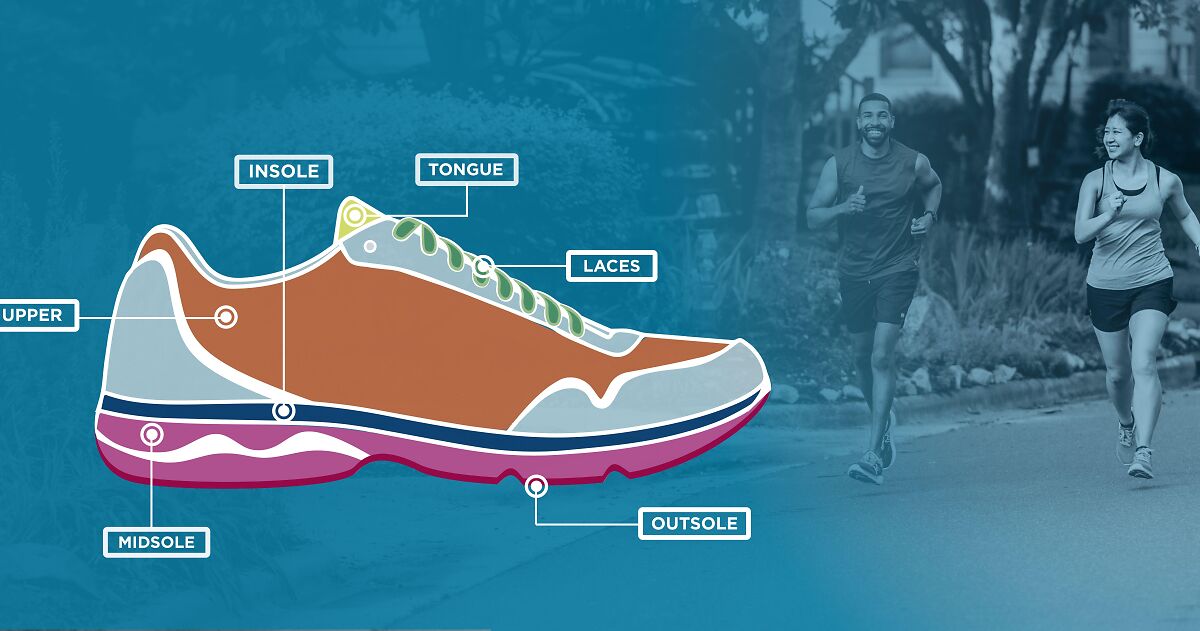
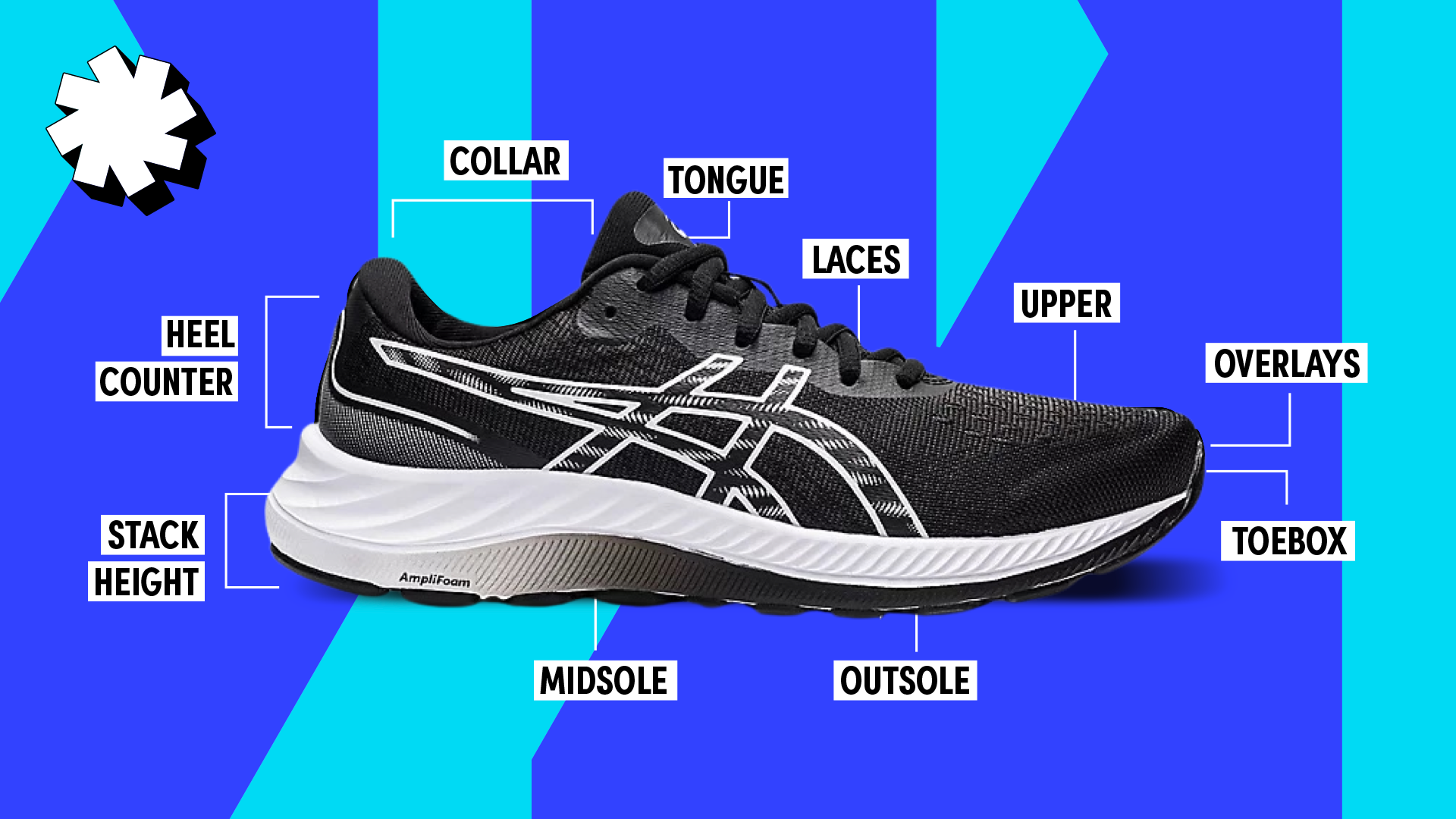
A shoe has three main parts:
- Upper: The upper covers and secures your foot. It may use mesh, leather, knit fabric, or synthetic material.
- Midsole: The midsole cushions your foot and controls the shoe’s response.
- Outsole: The outsole contacts the ground and provides traction and wear resistance.
Some shoes also include a sock liner or removable insole above the midsole. This adds a small amount of comfort but does not replace the main cushioning system.
On many athletic shoes, the midsole is easy to see. It may be white, colored, or made from two layers of foam. On dress shoes and some work shoes, the midsole may be hidden inside the construction.
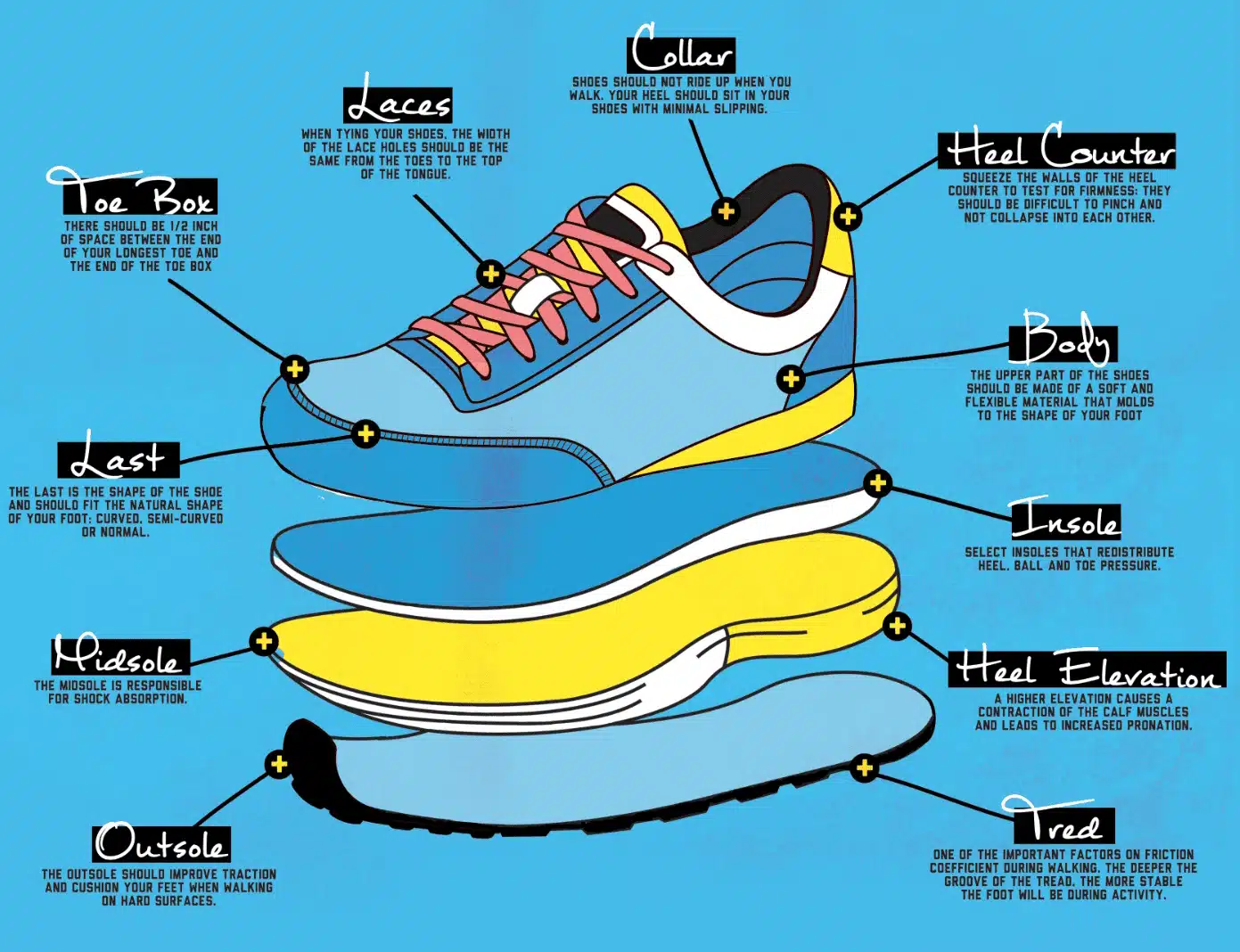
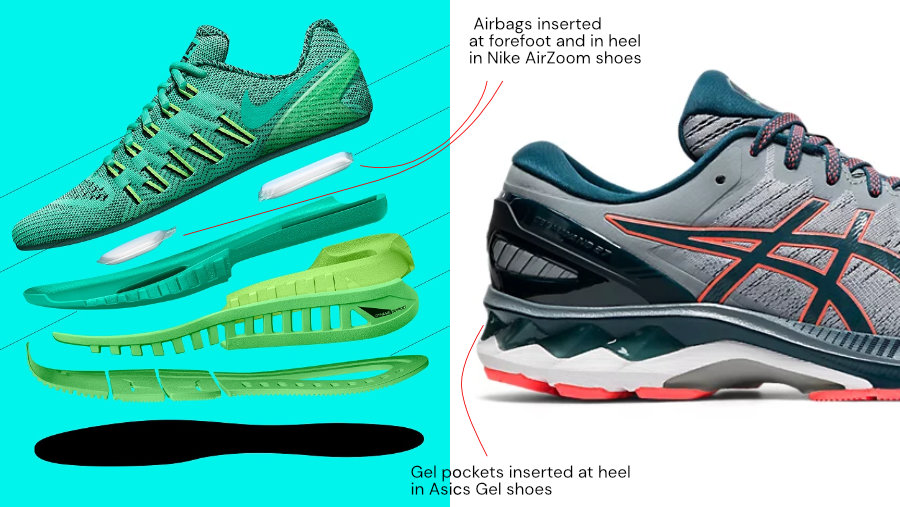
The midsole can also include a shank, plate, post, or support section. These parts can make the shoe stiffer, more stable, or more protective.
What Does a Shoe Midsole Do?
The midsole of a shoe performs several jobs at the same time. Its design can change how comfortable, stable, and efficient a shoe feels.
Cushioning and impact control
Every foot strike creates force. Walking creates less force than running, but the midsole still needs to spread pressure across the foot. Foam helps soften this contact and may reduce the harsh feeling of hard surfaces.
Cushioning does not remove all impact. Instead, it manages the load and changes how quickly force travels through the shoe. This is why two shoes with similar thickness can feel very different.
Support and stability
A midsole can help keep the foot and shoe aligned. Some midsoles use firmer foam on the inner side, wider platforms, or guiding structures to reduce unwanted movement.
However, the midsole does not correct every foot problem. A person with pain, an injury, or a medical condition should seek advice from a qualified health professional.
Energy return
Some foam materials compress and spring back quickly. This can create a lively feeling during walking or running. Energy return is not the same as producing energy for you, but it can make a shoe feel more responsive.
Soft foam often feels gentle and comfortable. Firm, responsive foam may feel faster and more direct. The best choice depends on your activity, foot shape, body weight, and personal preference.
Flexibility and movement
The midsole controls how easily a shoe bends. Walking shoes often need natural flex near the toes. Running shoes may bend in a more controlled way, while hiking shoes may use a stiffer midsole for protection on uneven ground.
Common Midsole Materials
Manufacturers use different materials to create the midsole of a shoe. Each material has strengths and limits.
EVA foam
EVA, or ethylene-vinyl acetate, is one of the most common midsole materials. It is light, flexible, and comfortable.
EVA foam is popular because it is easy to shape and works well for many types of shoes. Its main weakness is that it can compress over time. After many miles, the foam may feel flatter and less springy.
Polyurethane foam
Polyurethane, often called PU, is denser and more durable than standard EVA. It can provide a firm and stable feel.
PU is common in work shoes, walking shoes, and safety footwear. It may last longer, but it is often heavier than EVA and can feel less soft.
TPU foam
Thermoplastic polyurethane, or TPU, can offer good durability, flexibility, and resilience. It may be used as a full midsole or blended with other foams.
TPU often resists compression better than basic EVA. The trade-off can be added weight or a firmer ride.
PEBA foam
PEBA is a lightweight foam used in many high-performance running shoes. It can feel soft while also offering strong energy return.
This material is often found in premium racing or performance shoes. It may cost more and may not provide the stable feel that every walker or runner wants.
Rubber and blended compounds
Some midsoles include rubber for extra durability or protection. A rubber-rich midsole can handle rough use, but it may feel heavier and less flexible.
Many modern shoes combine several foam types. A soft foam may sit above a firmer foam, creating a balance between comfort and control.
Different Types of Shoe Midsoles
Not every midsole of a shoe has the same structure. Shoe makers change the shape and firmness to suit a specific activity.
Neutral midsoles
A neutral midsole usually provides cushioning without strong motion-control features. It allows the foot to move in a natural way.
This design is common in everyday walking shoes and neutral running shoes. It can suit many people, but fit matters more than the label alone.
Stability midsoles
A stability midsole may use firmer foam, a wider base, or a support element. These features can make the shoe feel more secure.
Stability does not automatically mean better. A shoe that feels too rigid may cause discomfort, especially if your foot prefers a more flexible platform.
Minimal midsoles
Minimal shoes use less foam and often have a low heel-to-toe drop. They can provide a close-to-the-ground feel.
They also offer less cushioning and protection. Anyone moving into minimal shoes should do so slowly to reduce the risk of overloading muscles and tendons.
Max-cushion midsoles
Max-cushion shoes use a thick midsole to create a soft and protective ride. They can feel comfortable during long walks or runs on hard surfaces.
More foam does not always mean more comfort. A tall midsole can feel less stable for some users, especially on uneven ground.
Rock plates and protective inserts
Hiking and trail shoes may include a rock plate inside the midsole. This firm layer helps shield the foot from sharp stones and rough terrain.
A protective insert can make a shoe safer outdoors, but it may reduce flexibility. The right balance depends on the trail and the type of load you expect.
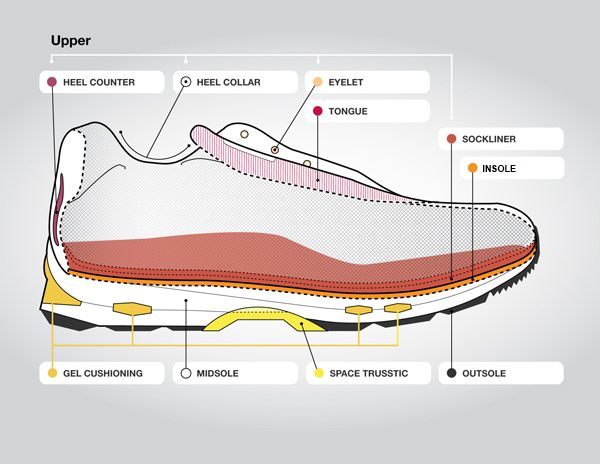
Midsole Versus Outsole and Insole
Many shoppers confuse the midsole of a shoe with the outsole or insole. Knowing the difference helps you understand a shoe’s design.
The outsole is the bottom layer. It touches the ground and uses rubber or another durable compound for grip. It usually wears down before the midsole fails.
The insole sits inside the shoe under your foot. It can add comfort and shape, and you can often remove or replace it. The insole has a much smaller effect on impact control than the built-in midsole.
The midsole sits between these two parts. It is the main layer that controls cushioning, stability, flexibility, and ride quality.
A simple comparison looks like this:
• Upper: Holds and protects the foot
• Insole: Adds removable comfort inside the shoe
• Midsole: Absorbs force and shapes the ride
• Outsole: Provides traction and resists wear
How to Choose the Right Shoe Midsole
The best midsole of a shoe depends on how you use the shoe. Start with your activity rather than choosing based only on appearance.
For walking
Choose a midsole that feels comfortable from heel to toe. Moderate cushioning, easy flex, and a stable base work well for many walkers.
Walk in the shoes before buying them if possible. Your heel should stay in place, and your toes should have room to move.
For running
Runners often look for a balance of cushioning, weight, stability, and responsiveness. A soft midsole may feel pleasant, while a firmer foam may feel quicker and more controlled.
Do not assume the most expensive foam is best. Fit, comfort, and your running surface are more important than marketing terms.
For standing at work
If you stand for long periods, look for a supportive midsole with enough cushioning but not excessive softness. A very soft shoe may feel comfortable at first and tiring later.
A stable heel and a wide enough forefoot can also improve comfort during a long shift.
For hiking
Hiking shoes need protection, stability, and grip. A firmer midsole and rock plate can help on rocky ground, while a more flexible design may suit easy trails.
Match the shoe to the terrain. A stiff mountain boot may be unnecessary for a flat park trail.
For daily wear
For casual use, choose a midsole that feels natural and suits your normal surfaces. A medium-firm foam often offers a useful mix of comfort and stability.
In my experience testing different footwear designs, the biggest mistake is choosing by appearance alone. A shoe can look modern and still feel wrong after two hours of walking.
Signs of a Worn-Out Midsole
The midsole of a shoe can wear out before the upper looks damaged. Foam may lose its ability to recover after repeated compression.
Watch for these signs:
• The shoe feels flatter than it did when new
• You notice new foot, knee, hip, or back discomfort
• The midsole has visible creases or permanent wrinkles
• One side looks lower than the other
• The shoe feels unstable or uneven
• You feel more ground impact than before
• The outsole is worn in a tilted pattern
Mileage can provide a rough guide, but it is not a rule. A runner’s weight, walking style, surface, climate, and shoe design all affect midsole life. A shoe used for daily standing may wear differently from a shoe used only for short runs.
Do not keep using a shoe just because the upper still looks clean. Foam can lose performance without obvious damage. Rotating two pairs may allow each midsole to recover between uses and may extend the useful life of both pairs.
Benefits and Limitations of Midsole Cushioning
A good midsole can make footwear more comfortable and useful, but cushioning has limits.
Benefits
• It can reduce the harsh feel of hard ground
• It can improve comfort during long periods of use
• It can protect the foot from small stones and uneven surfaces
• It can help a shoe feel smooth and controlled
• It can support different walking and running styles
Limitations
• Cushioning cannot guarantee injury prevention
• Soft foam may feel unstable for some people
• Thick foam can add height and weight
• Foam can lose resilience over time
• A midsole cannot fix an incorrect shoe size
• The same foam may feel different in different temperatures
Research on footwear and injury risk shows that no single shoe feature prevents injuries for everyone. Comfort and a proper fit remain key factors. If a shoe causes pain, stop using it and consider professional guidance.
Practical Tips for Midsole Care
You cannot fully restore a worn midsole, but you can slow unnecessary damage.
- Use the shoe for its intended activity. Avoid using running shoes for heavy work or technical hiking unless they are designed for it.
- Keep shoes dry. If they become wet, let them air-dry away from direct heat.
- Do not place them in a hot dryer. High heat can affect foam, adhesives, and upper materials.
- Store shoes in a cool, dry place. Extreme heat can speed up material aging.
- Rotate pairs when possible. This gives compressed foam time between uses.
- Check the sidewalls and tread often. Early wear is easier to spot than sudden discomfort.
- Replace shoes when performance changes. Comfort and support matter more than appearance.
One lesson I have learned from comparing old and new footwear is simple: a shoe may still look fine while its midsole feels dead. Trust changes in comfort and stability, not just the condition of the fabric.
Frequently Asked Questions About What Is the Midsole of a Shoe
Is the midsole the same as the sole?
No. The sole usually refers to the bottom part of the shoe, while the midsole is the cushioning layer above the outsole. The outsole touches the ground, and the midsole manages impact and support.
What is the midsole of a shoe made from?
The midsole of a shoe is commonly made from EVA, polyurethane, TPU, PEBA, rubber, or blended foam compounds. Manufacturers may combine materials to balance softness, durability, weight, and energy return.
Can you replace the midsole of a shoe?
In most sneakers, replacing the midsole is difficult and often not cost-effective. A skilled cobbler may repair or rebuild some shoes, but many modern foam midsoles require replacing the entire shoe.
How long does a shoe midsole last?
There is no exact lifespan for every midsole. Use, body weight, storage, surface, and foam type all matter, but reduced cushioning, visible creasing, and new discomfort are useful signs that replacement may be needed.
Is a softer midsole better?
Not always. A soft midsole can feel comfortable, but a firmer midsole may offer better stability and control for some users. The best choice is the one that feels comfortable, secure, and suitable for your activity.
Does the midsole affect foot pain?
It can affect how pressure and impact feel under your foot, but it does not diagnose or cure foot pain. If pain continues or worsens, stop using the shoe and consult a qualified medical professional.
What is the difference between an insole and a midsole?
An insole is the removable layer inside the shoe where your foot rests. The midsole is the built-in layer beneath it that provides most of the shoe’s cushioning and structural support.
Conclusion
The midsole of a shoe is the key layer between the upper and outsole. It helps manage impact, adds cushioning, controls stability, and shapes how the shoe feels during movement. Materials such as EVA, PU, TPU, and PEBA can create very different levels of softness, durability, and energy return.
When choosing shoes, focus on fit, comfort, activity, and the surface you use most. Inspect the midsole regularly, and replace shoes when they feel flat, uneven, or uncomfortable. Use this knowledge to compare shoes with confidence, explore more footwear guides, and share your experience in the comments.

Madison Clark is a footwear expert and the voice behind MyStyleGrid.com. She specializes in honest shoe reviews, style tips, and practical guides to help readers find the perfect pair for any occasion. With years of experience in blogging and content creation, Madison makes footwear knowledge simple, stylish, and easy to follow.