Hand-wash Hoka tennis shoes gently, avoid machine cycles, use mild soap, and air-dry naturally.
I’ve cleaned many pairs of Hoka shoes and tested methods that protect cushioning and fabric. This guide shows exactly how to wash hoka tennis shoes safely, step by step. I combine hands-on experience, manufacturer care tips, and practical trouble-shooting so you get clean shoes without damage. Read on for simple, proven steps and real-world tips to keep your Hoka tennis shoes fresh and long-lasting.
Why proper cleaning matters for Hoka tennis shoes
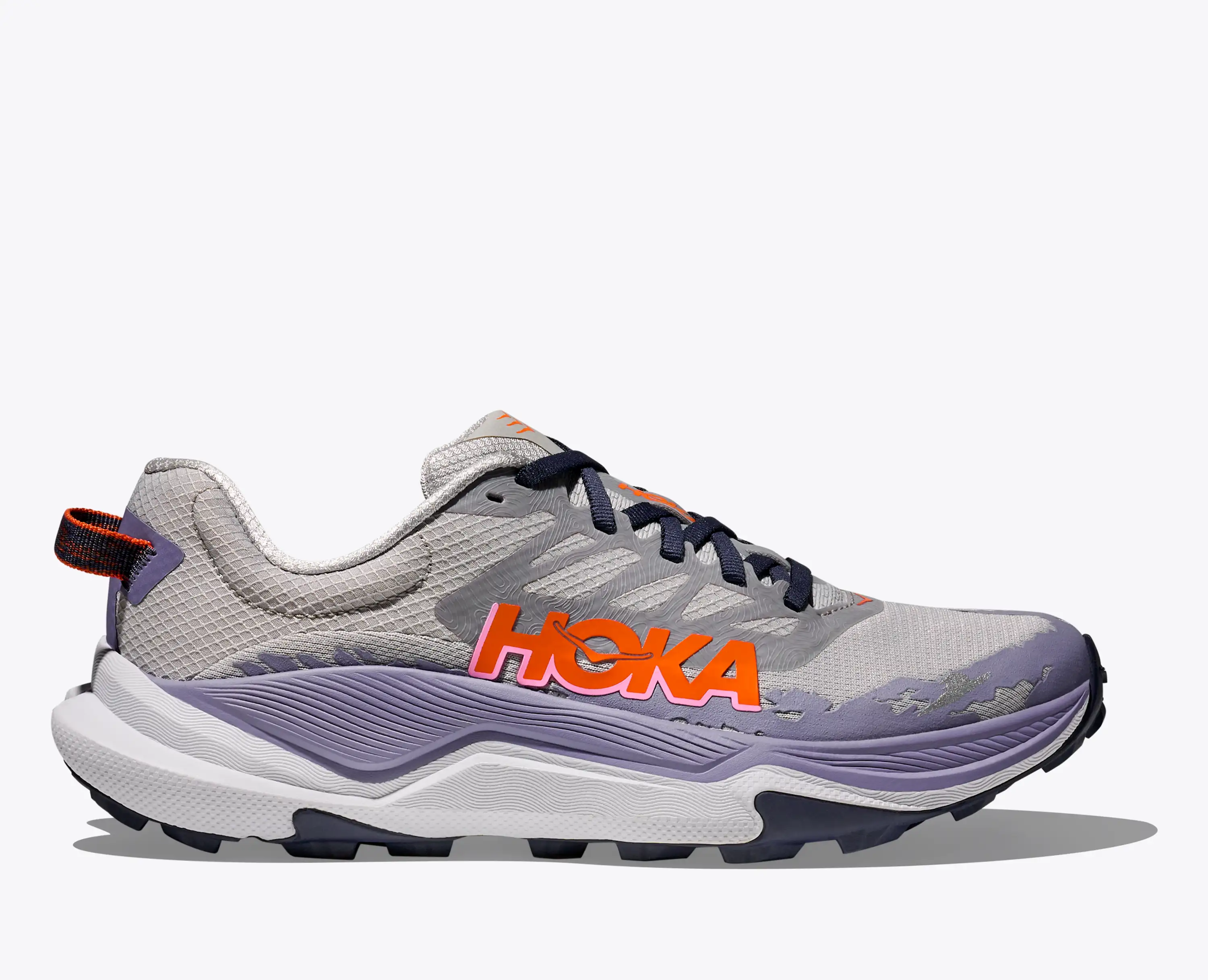
Hoka shoes use soft foams and engineered uppers. Cleaning them wrong can compress midsole foam, separate glue lines, or fade textiles. Knowing how to wash hoka tennis shoes helps maintain cushioning, fit, and warranty safety. Clean shoes also reduce odor, prevent bacterial growth, and keep traction reliable on court.

What you need before you begin
Prepare a small, clean workspace. Use gentle supplies to avoid harming foam and fabric.
- Soft brush or old toothbrush for scrubbing.
- Mild liquid soap or gentle laundry detergent.
- Clean cloths or microfiber towels.
- Bowl or bucket for warm water.
- Mesh laundry bag (only for safe machine use, rarely recommended).
- Shoe trees or crumpled paper for reshaping while drying.
Keep cleaning products mild. Harsh detergents or bleach can weaken glue and foam. Have everything within reach before you start the cleaning process.

Step-by-step: How to wash hoka tennis shoes
This step-by-step section explains how to wash hoka tennis shoes by hand, the safest and most reliable method.
- Prepare the shoes
- Remove laces and insoles. Laces clean easier separately. Insoles dry faster on their own.
- Knock out loose dirt by gently tapping the soles together outdoors.
- Brush off surface debris with a soft brush.
- Mix a gentle cleaning solution
- Use warm water and a small amount of mild soap. Aim for suds, not saturation.
- Too much detergent leaves residue and can attract dirt back to the shoe.
- Spot clean uppers
- Dip the soft brush in solution and work in gentle circles.
- Focus on dirty spots and stains. Avoid soaking the upper fabric.
- Blot excess moisture with a clean cloth.
- Clean midsoles and outsoles
- Use the brush and more pressure on midsoles and outsoles.
- For deep grime, let soapy water sit for a minute then scrub.
- Rinse brush and wipe away soap with a damp cloth.
- Wash laces and insoles
- Laces: Soak in soapy water, then rinse and squeeze out gently.
- Insoles: Lightly scrub and rinse. Do not wring or machine-dry insoles; they can deform.
- Rinse and dry step
- Rinse cloth and blot all soapy areas until no soap residue remains.
- Stuff shoes with paper to hold shape and wick moisture.
- Air-dry at room temperature, away from direct heat and sun.
If you must machine wash, it is not the recommended route. Use a gentle cycle, cold water, and a mesh bag, and never tumble dry. Always test a small, hidden area if you’re unsure. Repeating these steps shows you how to wash hoka tennis shoes while protecting performance and look.

When, and when not, to use the washing machine
Machine washing is tempting but risky for many Hoka models. Knowing when to avoid the washer will save shoes.
- Use machine wash only if the shoe tag explicitly allows it. Many Hoka models advise against machine cycles.
- Place shoes in a mesh bag and add towels to balance the drum and reduce banging.
- Set a gentle cycle with cold water and minimal spin. Skip the dryer; air-dry only.
My rule: I prefer hand washing every time. Hand washing gives control and reduces risk to foam and glued seams. If you try the machine, accept a small increase in wear risk and proceed cautiously.
Drying, reshaping, and storage
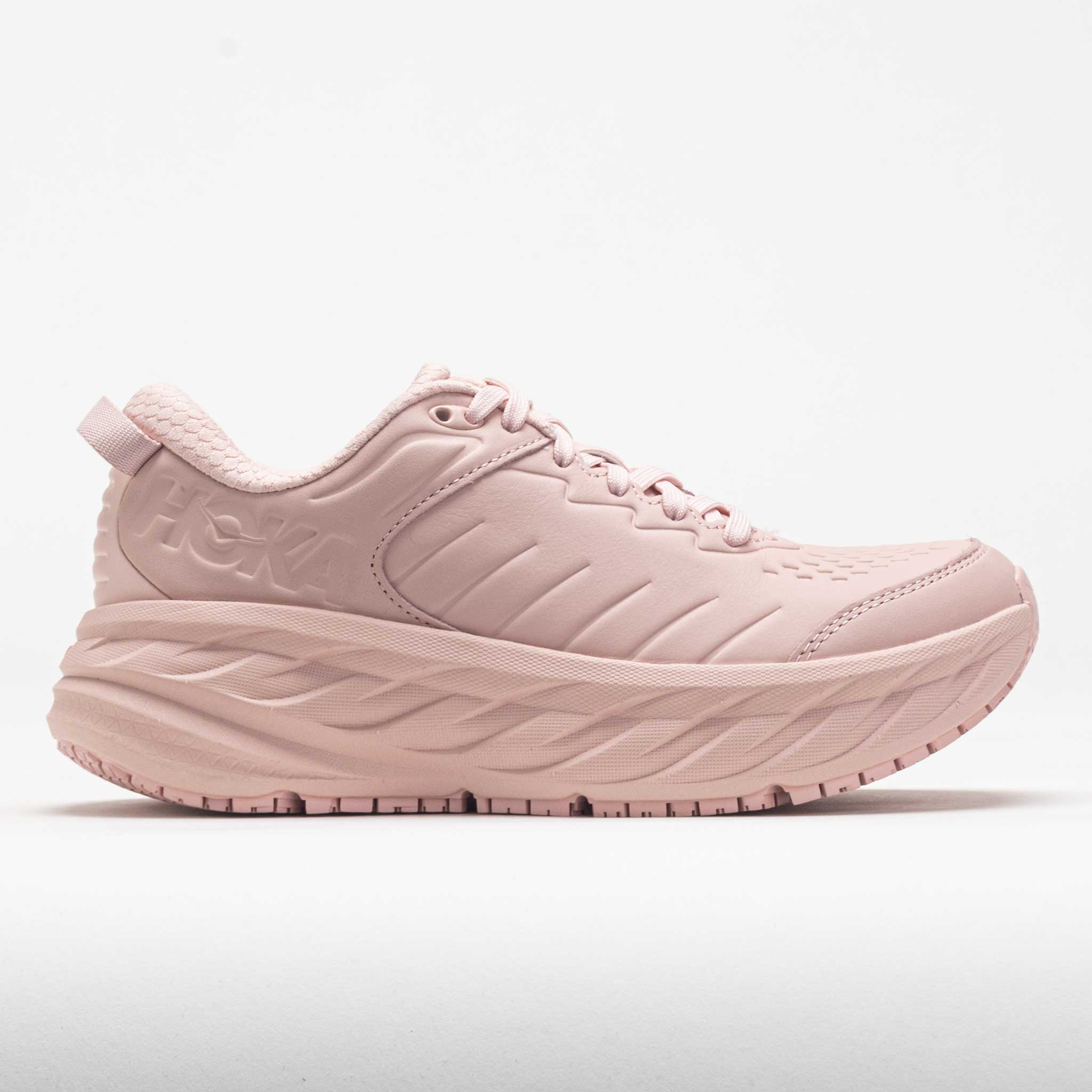
Drying and storing shoes properly brings them back to life and keeps fit intact.
- Remove excess water with towels and replace paper stuffing as it becomes soggy.
- Never use a dryer or direct heat like radiators. Heat degrades foam and adhesives.
- Use shoe trees or crumpled paper to preserve shape while drying.
- Store shoes in a cool, dry place and rotate pairs to extend life.
Proper drying complements how to wash hoka tennis shoes. Take your time; rushing drying often causes lasting damage.

Tips for stubborn stains and odors
Stains and smells are common after heavy court play. These tips help remove them safely.
- For oil stains, sprinkle baking soda, let sit, then brush off and clean normally.
- For yellowing or salt stains, wipe with a 1:1 solution of water and white vinegar, then rinse.
- For persistent odor, sprinkle a small amount of baking soda inside shoes overnight, then shake out.
Avoid strong chemicals, bleach, or shoe dyes. They can strip color or weaken fabrics. These simple fixes show practical ways to handle common problems when you learn how to wash hoka tennis shoes.

Care and maintenance to extend shoe life
Cleaning is one part of care. Regular maintenance reduces the need for aggressive washing.
- Wipe shoes after every use to remove dirt and sweat.
- Rotate between two pairs to let foam recover between sessions.
- Replace insoles if they lose support or develop persistent odor.
- Check tread and seams monthly for early wear signs.
I’ve extended several pairs by combining light cleaning with rotation. Small habits add months of comfortable wear and preserve cushioning.

Personal experience and lessons learned
I’ve owned four Hoka pairs and cleaned each many times. Mistakes taught me faster ways and what to avoid.
- I once used a dryer and lost midsole bounce. Now I always air-dry.
- I found mild soap cleans well; heavy detergents left sticky residue.
- Hand washing preserved fit and color better than machine cycles.
These hands-on lessons shaped my recommended method for how to wash hoka tennis shoes. Take the cautious approach and you’ll get cleaner shoes without losing performance.
Quick PAA-style questions
Can I machine wash my Hoka tennis shoes?
Machine washing can risk foam and glued parts. Only machine wash if the care label specifically allows it, and use a gentle, cold cycle in a mesh bag.
Will soap damage Hoka foam?
Mild soap will not damage foam when used sparingly. Avoid soaking and rinse thoroughly to remove residue.
How long do Hoka shoes take to air-dry?
Air-dry time varies by humidity and temperature but typically takes 12 to 24 hours. Using paper stuffing speeds the process and preserves shape.
Can I use bleach on Hoka shoes?
Do not use bleach; it can discolor fabrics and break down adhesives. Use mild cleaners or vinegar for tough stains.
How often should I clean Hoka tennis shoes?
Clean lightly after every few wears and deep-clean every 4–8 weeks depending on use. Regular light care reduces the need for heavy cleaning.
Frequently Asked Questions of how to wash hoka tennis shoes
How should I remove deep-set mud from Hoka shoes?
Let mud dry fully and then gently scrape off loose clumps. Follow with spot cleaning using a soft brush and mild soap for remaining residue.
Are Hoka shoe insoles washable?
Most insoles can be hand-washed with mild soap and air-dried. Avoid wringing or machine drying to prevent deformation.
Can I use a dishwasher to clean Hoka shoes?
No. Dishwashers use high heat and strong detergents that can ruin glue and foam. Stick to hand washing or cautious machine cycles.
Will cleaning void my Hoka warranty?
Cleaning per manufacturer instructions should not void warranty. Aggressive methods like high-heat drying might affect coverage.
How do I remove a bad smell from my Hoka shoes?
Air them out after use, use baking soda overnight, and wash insoles regularly. For persistent odors, replace insoles and maintain regular cleaning.
Conclusion
You now have a clear, trusted method for how to wash hoka tennis shoes safely and effectively. Hand washing with mild soap, careful rinsing, and patient air-drying protects foam, fit, and look. Start small: remove laces and insoles, spot-clean, and let shoes dry naturally. Try these steps on one pair and adjust as needed, then make gentle cleaning part of your routine to keep your Hoka tennis shoes performing at their best. Share your results, subscribe for more shoe-care tips, or leave a comment with questions or experiences.

Rubel Miah is the Senior Editor at MyStyleGrid.com, where he brings a sharp editorial eye and an unshakable love for fashion to everything he does. A true style addict, Rubel lives and breathes trends, from streetwear to high fashion, and has a knack for turning inspiration into impactful stories. With years of experience in fashion journalism and digital media, he curates content that empowers readers to express themselves through style. When he’s not editing features or forecasting the next big thing, you’ll find him hunting down vintage pieces or capturing street style moments around the city.