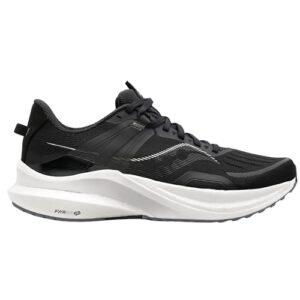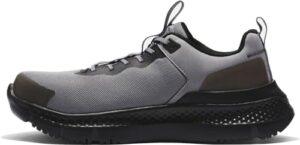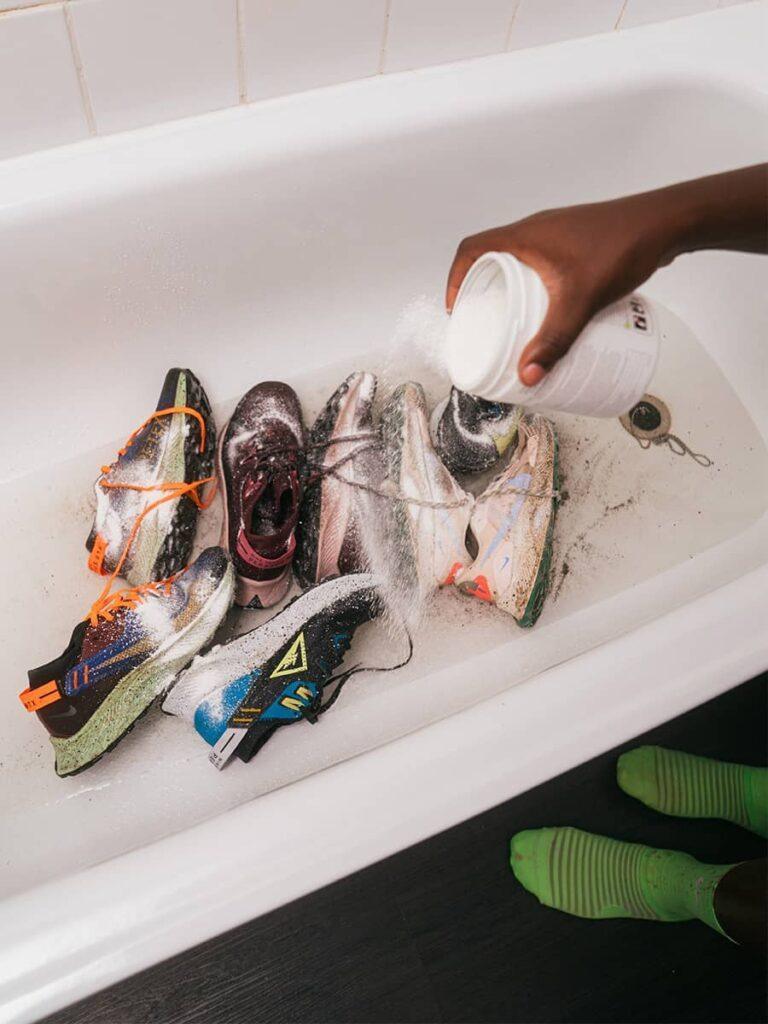
Wash running shoes by hand with mild soap; avoid hot dryers and harsh machines.
I’ve spent years testing shoes and cleaning routines so you don’t have to guess. This guide explains how to wash on running shoes step by step, from reading labels to drying and deodorizing. You’ll learn safe methods for mesh, knit, leather, trail shoes, and waterproof models, plus tips that save time and extend shoe life. Read on for simple, reliable routines you can use after every run.
:max_bytes(150000):strip_icc()/LAntal-cleansneakers_FINAL-5c8fc933c9e77c0001ff0b19-5b30ae34566940f8804acc3877a630f3.jpg)
Why proper cleaning matters
Clean shoes feel better, work better, and last longer. Dirt breaks down fabrics and glue. Sweat and bacteria cause odors and skin issues. Learning how to wash on running shoes protects your investment and keeps your feet healthy.
Proper cleaning also restores grip and breathability. That matters for performance and safety. Small care steps add months of life to a pair of shoes.
Know your shoe: materials, labels, and risks
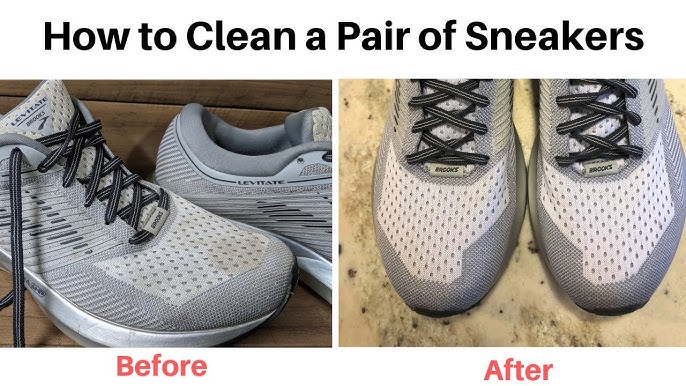
Different materials need different care. Check the tag, inside tongue, or maker’s website before you wash.
- Mesh and knit: Light, breathable, and can handle gentle hand wash or low‑impact machine cycles.
- Synthetic leather: Wipe clean or hand wash. Avoid soaking leather-like layers repeatedly.
- Genuine leather and suede: Do not machine wash. Use damp cloths or specialist cleaners.
- Waterproof membranes (Gore‑Tex, eVent): Clean gently and re‑proof if needed. Avoid harsh detergents.
- Carbon plates and structured midsoles: Clean gently; avoid flexing the plate aggressively.
- Insoles and laces: Remove and clean separately to remove sweat and odor.
If the label forbids machine washing, follow that rule. When unsure, choose the gentlest option: hand wash.

When to wash on running shoes
Wash when shoes are visibly dirty, soaked in mud, or smelly. Light dirt can be brushed off after each run. Deep cleaning is best every few weeks for regular runners, and sooner for trail runs or wet weather.
Signs it’s time to wash:
- Persistent odor that simple airing won’t fix.
- Mud or clay that can stiffen materials when dry.
- Stains that trap moisture and bacteria.
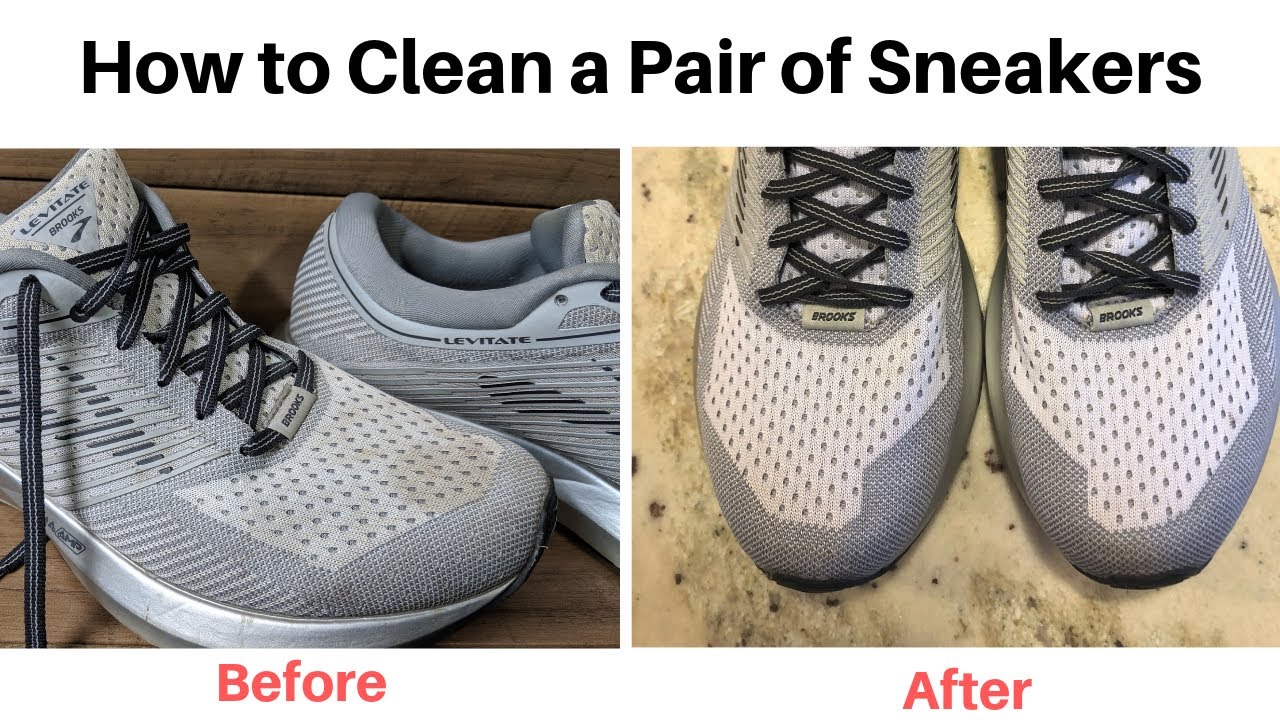
Step-by-step: How to wash on running shoes — hand wash method (recommended)
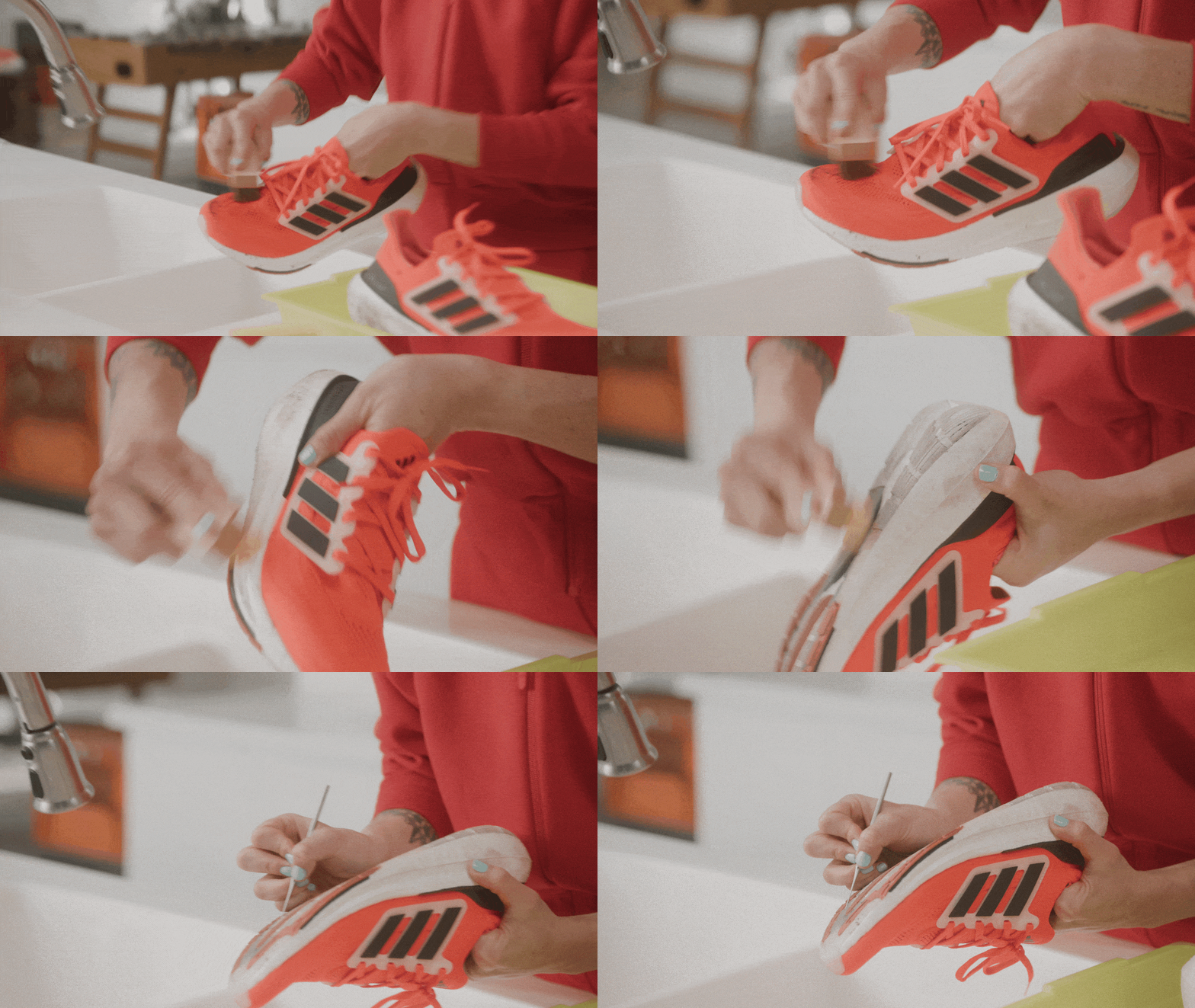
Hand washing is safe for most running shoes and keeps glue and shape intact.
- Remove laces and insoles.
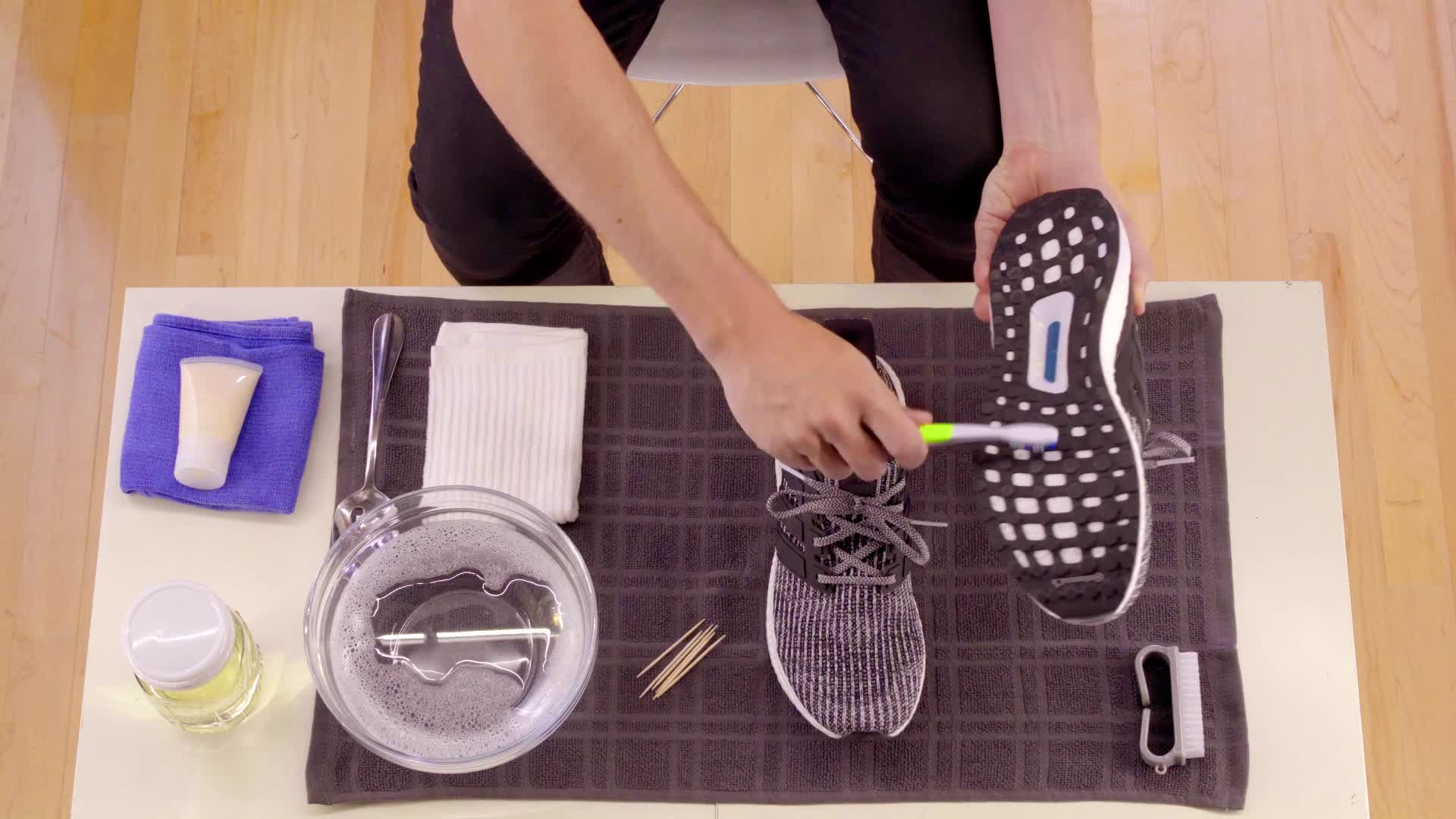
- Knock out excess dirt by tapping soles together or using a soft brush.
- Mix warm water with a small amount of mild detergent or soap.
- Use a soft brush or sponge to scrub the upper, midsole, and outsole gently.
- Rinse with clean water using a damp cloth or light stream; avoid soaking.
- Stuff shoes with paper towels to hold shape and absorb water.
- Air dry away from direct sun and heat; rotate paper towels as they get wet.
- Clean laces and insoles separately; allow them to dry fully before reassembly.
Hand washing is the safest way to maintain fit and cushioning. For delicate materials, use even milder soap and minimal water.
Machine wash safely (only when permitted)
Machine washing can work but carries risk. Use this only if the shoe maker allows it and the shoe is sturdy.
- Remove insoles and laces and place shoes in a mesh laundry bag.
- Add towels to balance the load and cushion the shoes.
- Use a gentle cold water cycle and mild detergent.
- Skip bleach and fabric softeners.
- Use no spin or low spin to reduce mechanical stress.
- Air dry completely; do not use a dryer.
Machine wash can be convenient, but frequent machine cycles will shorten shoe life. Use it sparingly.
Drying, deodorizing, and restoring shape
Drying right is as important as washing.
- Air dry at room temperature away from direct heat or sun.
- Stuff with paper towels, shoe trees, or clean rags to keep shape. Replace stuffing as it soaks.
- For faster drying, use a fan or place shoes near airflow, not heat.
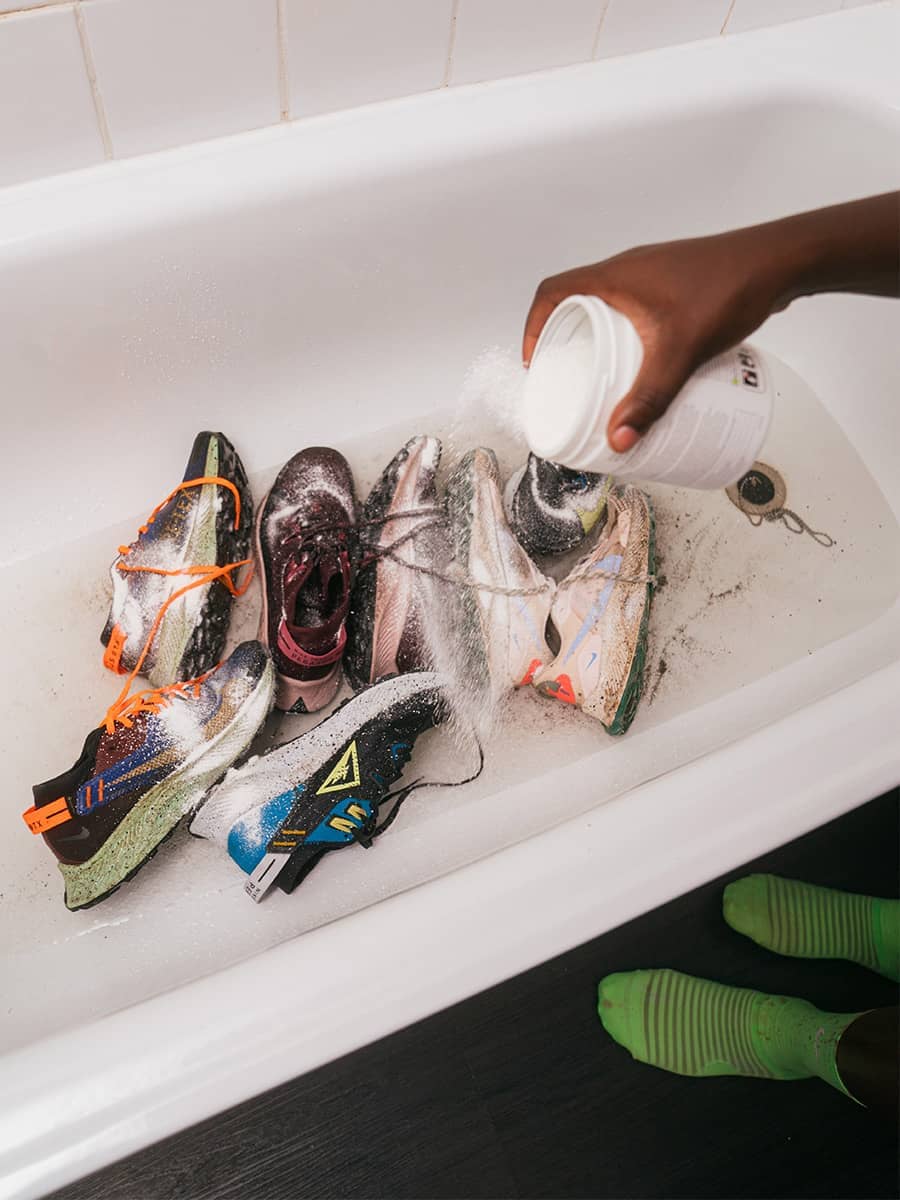
- To deodorize, sprinkle baking soda inside and leave overnight, then shake out.
- For stubborn smells, use a 1:4 diluted white vinegar solution lightly on insoles, then air dry.
- Avoid high heat, which can warp midsoles and melt glue.
Dry fully before wearing. Damp shoes breed bacteria and odor.
Special cases: trail shoes, waterproof shoes, and carbon plates
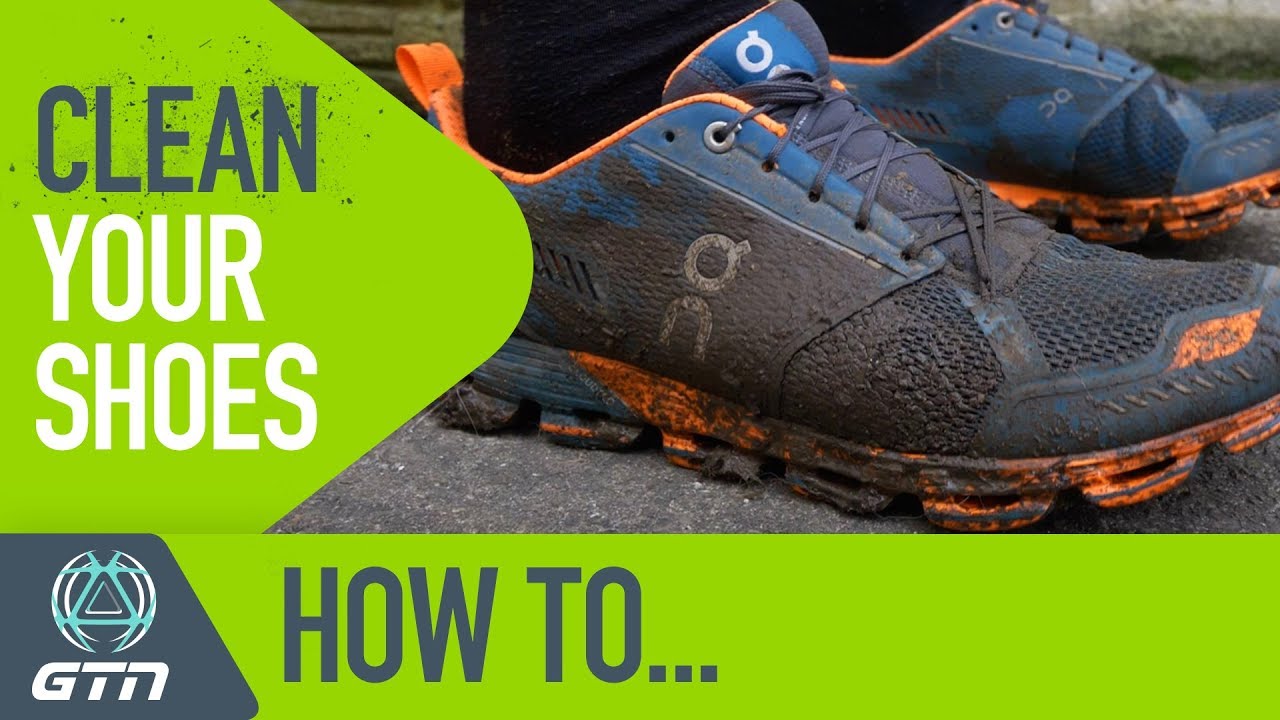
Trail shoes often have hardened mud. Let mud dry and knock off large clumps first. Use a stiff brush on outsoles and a softer brush on uppers.
Waterproof shoes need gentle care. Clean the outside, rinse off debris, and re‑apply a DWR spray if you notice water absorption. Do not use heat to dry waterproof membranes.
If your shoes have a carbon plate, avoid bending them sharply. Clean gently and avoid machine wash if the plate is molded into sensitive midsole layers.
Common mistakes and how to avoid them
Avoid these errors to keep shoes reliable.
- Washing too often: repeated cycles shorten materials and glue.
- Using harsh detergents or bleach: these break down fabric and coatings.
- Drying on radiators or in dryers: heat warps midsoles and glues.
- Leaving shoes damp: leads to odor and mold.
- Reassembling wet insoles or laces: can trap bacteria.
Follow care labels and choose gentle methods.
Maintenance tips to extend shoe life
Small habits protect shoes and performance.
- Rotate between two pairs to let cushioning recover.
- Remove debris after every run with a brush.
- Air shoes in a ventilated spot after runs.
- Replace insoles yearly or when worn.
- Reapply water repellents on technical uppers when needed.
These steps reduce the need for deep cleans and keep your shoes ready.
Personal experience: what I learned from testing cleaning methods
I tested hand wash, machine wash, and quick wipe routines on multiple shoes over two seasons. Hand washing with mild soap kept mesh soft and midsoles intact. Machine washing once on a low cycle cleaned well but slightly dulled colors and reduced foam bounce after many cycles. Using paper towels for drying worked better than cloth for shape and speed. My takeaway: hand wash most of the time and use the machine only when you must.
Quick answers (PAA-style)
How often should I wash running shoes?
Wash deeply every few weeks for regular runners, sooner after muddy or wet runs. Light cleaning after each run helps avoid deep washing.
Can I put running shoes in the dryer?
No. Heat from dryers can warp midsoles and melt glue. Air dry at room temperature instead.
Is baking soda safe for shoe odor?
Yes. Baking soda absorbs moisture and odor. Sprinkle inside overnight and shake out before wear.
Frequently Asked Questions of how to wash on running shoes
How do I clean white running shoes without yellowing?
Use mild detergent and cool water. Avoid bleach and dry in shade to prevent yellowing.
Can I wash shoes with cushioned midsoles in a machine?
Only if the maker allows it. Use a gentle cold cycle and low spin, then air dry fully.
How do I remove mud from trail running shoes?
Let mud dry, then knock off chunks. Use a stiff brush and rinse with a hose or damp cloth.
Should I remove insoles before washing?
Yes. Remove insoles and laces and clean them separately for better drying and odor control.
How can I revive shoe water repellency after washing?
Apply a spray-on or wash-in DWR product designed for athletic shoes following the product instructions.
Will vinegar damage my shoes when deodorizing?
Diluted vinegar applied lightly to insoles is usually safe. Test a small area first and air dry completely.
Conclusion
Learning how to wash on running shoes keeps your gear fresh, safe, and long‑lasting. Use gentle soap, remove insoles and laces, avoid heat, and match the method to the material. Small habits—like airing shoes, rotating pairs, and prompt spot cleaning—save money and boost performance. Try the hand wash steps this week and notice the difference in comfort and smell. Share your shoe care wins or questions below, or subscribe for more gear care tips.

Rubel Miah is the Senior Editor at MyStyleGrid.com, where he brings a sharp editorial eye and an unshakable love for fashion to everything he does. A true style addict, Rubel lives and breathes trends, from streetwear to high fashion, and has a knack for turning inspiration into impactful stories. With years of experience in fashion journalism and digital media, he curates content that empowers readers to express themselves through style. When he’s not editing features or forecasting the next big thing, you’ll find him hunting down vintage pieces or capturing street style moments around the city.