Use a clear, water-repellent leather spray or conditioner and always spot-test first.
I’ve worked with boots and leather care for years, and I know how frustrating it is to protect good leather without changing its look. This guide explains how to waterproof leather boots without darkening them. I’ll show you simple, proven steps, product types to choose, what to avoid, and real-world tips I learned on the job so you get dry, good-looking boots that last.

Why leather darkens and what causes it
Leather darkens when oils, waxes, or heavy conditioners soak into the pores and change surface reflectivity. Water can also temporarily darken leather, but the long-term color shift usually comes from oil-based products or thick wax layers. Understanding this helps you pick products and methods that repel moisture without adding pigment or oil.
Key reasons leather darkens
- Natural oils and mink oil soak into leather and deepen color.
- Heavy waxes create a wet look that appears darker.
- Some waterproof sprays include solvents or tints that change surface sheen.
- Dirty surfaces absorb treatments unevenly, causing blotchy dark spots.
How that affects waterproofing decisions
- Choose water-repellent treatments that sit on the surface or form a clear film.
- Avoid oil-based conditioners and heavy wax for shoes you want to keep the original color.
- Always test in an unseen spot to confirm no darkening.

Products that won't darken leather
When learning how to waterproof leather boots without darkening them, product choice is the biggest factor. Look for clear, solvent-friendly repellents and non-oil conditioners.
Types of safe products
- Silicone- or fluoropolymer-based spray repellents that say "clear" or "no darkening."
- Water-based leather conditioners labeled non-greasy or colorless.
- Professional, breathable waterproofing designed specifically for smooth leather.
What to avoid
- Mink oil, neatsfoot oil, and heavy wax pastes—they darken leather.
- Dark-colored polishes or creams unless you want to change color.
- Thick oil-based sealants that soak in.
How to read labels
- Look for words like "water-repellent," "color-safe," "non-darkening," and "water-based."
- Avoid "oil," "wax," or "mink" in the ingredients if color retention matters.
- If a product does not list formulation, test first.
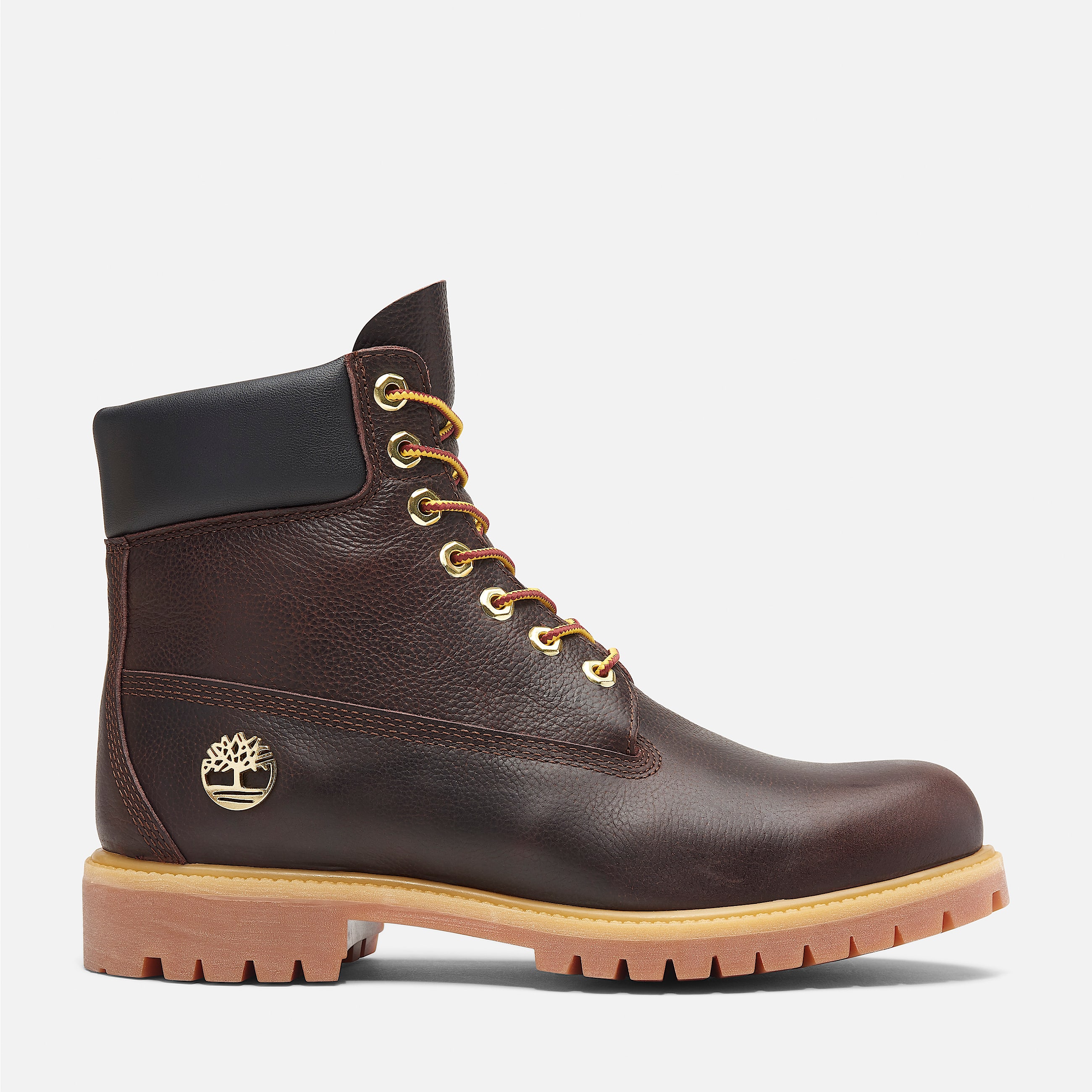
Step-by-step: How to waterproof leather boots without darkening them
Follow these simple steps to protect your boots without making them darker.
- Clean the boots
- Remove dirt and salt with a soft brush.
- Wipe with a damp cloth and mild leather cleaner if needed.
- Let boots dry fully at room temperature.
- Test first
- Pick an inside seam or under the tongue.
- Apply the product per instructions and wait 24 hours to check for darkening.
- Apply a clear water-repellent spray
- Hold the bottle 6–10 inches away.
- Spray in light, even coats. Two thin coats beat one heavy coat.
- Let each coat dry completely before applying the next.
- Use a non-greasy leather conditioner sparingly (optional)
- If leather feels dry, use a small amount of water-based, non-darkening conditioner.
- Rub in lightly and buff with a soft cloth.
- Finish and re-test
- Check breathability and look after 24–48 hours.
- Repeat thin sprays every 3–6 months, or as exposure requires.
Practical tips from experience
- I once ruined a pair of boots by using heavy wax; now I always spot-test. A clear spray has kept my boots water-resistant for seasons with no darkening.
- When in doubt, do two thin sprays rather than one heavy coat. Heavy application tends to darken.

Alternative methods and what to avoid
You can use alternative strategies if a spray is not ideal, but each has trade-offs when learning how to waterproof leather boots without darkening them.
Alternate methods
- Clear brush-on sealants: Some create a thin, protective film. Test for sheen change.
- Microfiber buffing after treatment: Reduces shine and evens the finish.
- Wax blends for work boots: Good for rugged use but expect darkening.
What to avoid
- Oils and waxes on smooth, dress leather if you want the original color.
- Over-applying any product.
- Using household waterproofers not made for leather.
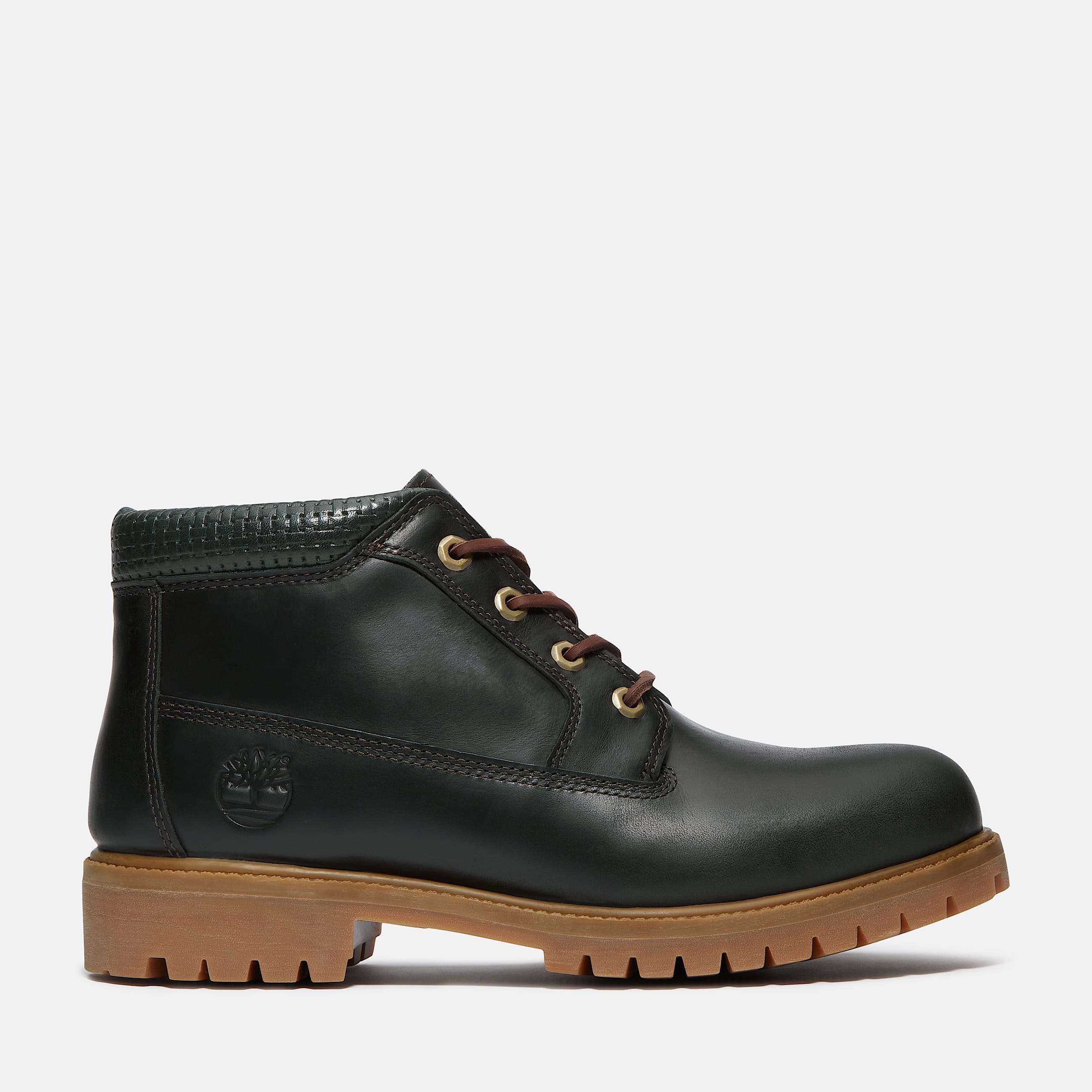
Maintenance and long-term care
Keeping leather boots waterproof without darkening them is ongoing. Simple care extends life and keeps color steady.
Routine care checklist
- Clean off dirt after each use with a soft brush.
- Reapply a clear spray every 3–6 months or after heavy rain.
- Condition lightly once or twice a year with a water-based conditioner.
- Store boots in a cool, dry place away from direct heat.
Signs you need re-treatment
- Water no longer beads on the surface.
- Leather looks dry, dull, or has small cracks.
- Water soaks in quickly.

Troubleshooting: If your boots darken anyway
If darkening happens, don’t panic. You can often restore the look or minimize the change.
Quick fixes
- Wipe the surface with a damp cloth, then let dry. Some darkening fades as solvents evaporate.
- Use a leather cleaner designed to remove excess oils, then condition with a water-based product.
If darkening persists
- Allow boots to rest for a week; some color shift lightens over time.
- For stubborn darkening, a professional cobbler can recolor or re-finish the leather.
Lessons from experience
- I once used a household wax and the boots darkened. After cleaning with a specialized leather cleaner and a non-greasy conditioner, color lightened and texture returned.

Common PAA-style questions
What is the safest product to use to waterproof leather boots without darkening them?
- Use a clear, water-based repellant or a silicone/fluoropolymer spray labeled non-darkening after spot-testing.
How often should I reapply a non-darkening waterproof spray?
- Typically every 3–6 months, depending on use and exposure to water and salt.
Can I use a leather conditioner after waterproofing to prevent darkening?
- Yes, use a water-based, non-greasy conditioner sparingly; apply only if leather feels dry.
Will waterproofing affect leather breathability?
- Some products form a thin film that reduces breathability slightly; choose breathable formulas designed for leather.
Is it possible to fully avoid darkening on all leather types?
- Smooth, finished leather often resists darkening more than suede or nubuck, but testing is always needed to be sure.
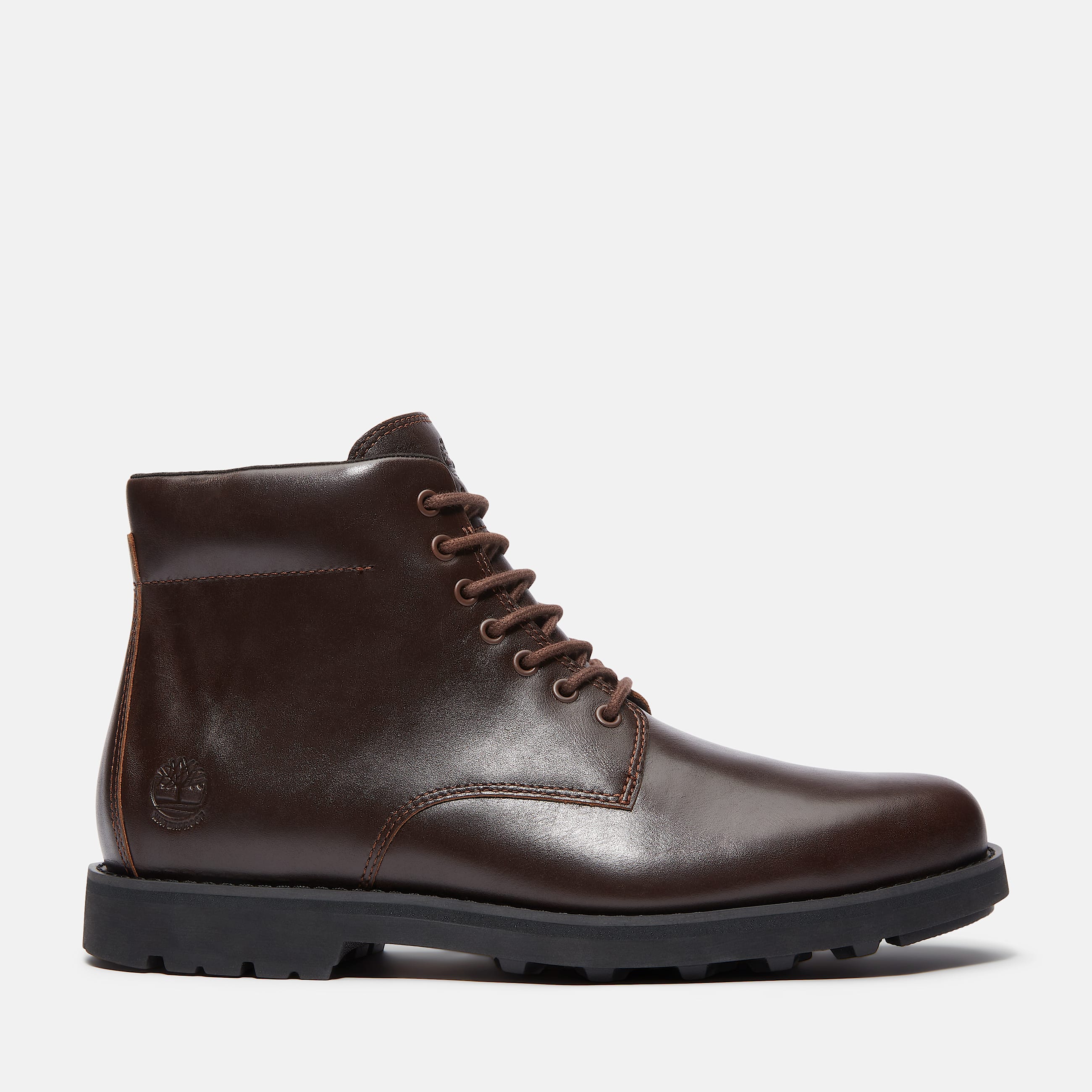
Frequently Asked Questions of how to waterproof leather boots without darkening them
How do I know if a waterproofing product will darken my boots?
Test on a hidden spot and wait 24 hours. If color or sheen changes, choose another product.
Can I use beeswax if I want to avoid darkening?
Beeswax usually darkens leather. Use beeswax only on rugged boots where color change is acceptable.
Is spray waterproofing better than creams for avoiding darkening?
Sprays generally sit on the surface and are less likely to darken than oil-based creams.
Will salt stains come out after waterproofing?
Waterproofing helps prevent salt stains, but existing salt should be cleaned before applying any product.
Are there waterproofing options for suede and nubuck that won't darken?
Suede and nubuck need specialized spray protectors designed for those materials; always test first.
Conclusion
Protecting your boots and keeping their original color is doable with the right approach. Clean, test, use clear water-based or silicone/fluoropolymer sprays, and apply thin coats. Reapply periodically and avoid oil- or wax-heavy products if you want to keep the color. Try one method on a single pair, track results, and adjust as needed to master how to waterproof leather boots without darkening them. Give these steps a try, leave a comment with your results, or subscribe for more leather-care tips.

Rubel Miah is the Senior Editor at MyStyleGrid.com, where he brings a sharp editorial eye and an unshakable love for fashion to everything he does. A true style addict, Rubel lives and breathes trends, from streetwear to high fashion, and has a knack for turning inspiration into impactful stories. With years of experience in fashion journalism and digital media, he curates content that empowers readers to express themselves through style. When he’s not editing features or forecasting the next big thing, you’ll find him hunting down vintage pieces or capturing street style moments around the city.