Usually, yes—running shoes should have a little extra room, especially in the toe box.
If you have ever wondered whether should running shoes be bigger, you are asking the right question. Fit matters more in running shoes than in everyday sneakers, because your feet swell, slide, and flex with every mile. In this guide, I’ll break down what “bigger” really means, how much space you need, and how to tell when a shoe is too small, too large, or just right.

Should running shoes be bigger?
Yes, running shoes are often best when they are slightly bigger than your regular shoes, but not loose. A good running shoe should give your toes space to spread and your foot room to expand during a run.
That does not mean buying a shoe that feels oversized. It means choosing a fit that feels secure at the heel and midfoot, with a little extra length in the front. For many runners, that ends up being about half a size larger than their casual shoe size.
Why running shoes often need extra room
Your feet are not static when you run. They swell from heat, blood flow, and repeated impact. Even a short run can make your feet feel fuller than they did at the start.
That extra room helps in a few ways:
- It reduces toe pressure on downhills and longer runs.
- It lowers the chance of black toenails and blisters.
- It gives your toes space to splay naturally.
- It helps your foot stay comfortable as it expands.
I learned this the hard way early on. I used to buy running shoes in my regular size because they felt fine while standing in the store. Ten miles later, my toes were jammed into the front, and I paid for it with bruised nails. Once I moved up a half size, the difference felt like night and day.
How much bigger should running shoes be?
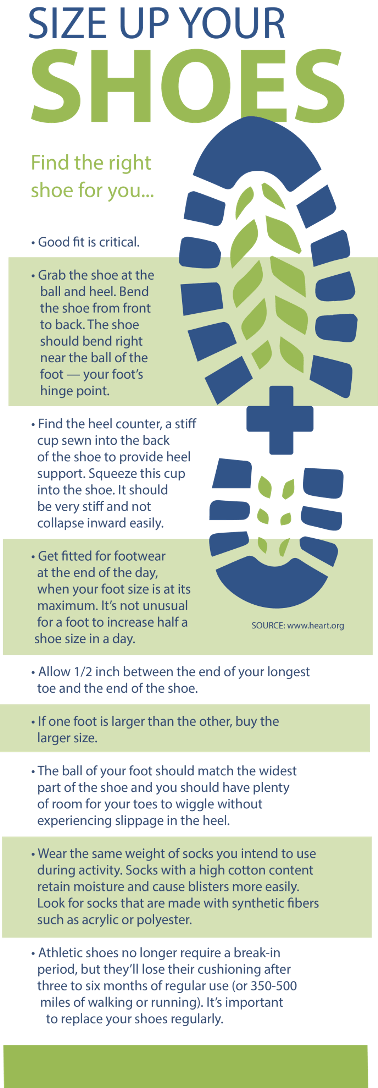
For most runners, the sweet spot is a thumb’s width of space between the end of your longest toe and the front of the shoe. That usually equals about half a size larger than your street shoe size, though some people need a full size up.
A few things can change the answer:
- Foot shape matters. Wide forefeet need more room.
- Running distance matters. Long runs usually need a little more space.
- Temperature matters. Feet swell more in heat.
- Socks matter. Thicker socks can tighten the fit.
- Brand sizing varies. One brand’s size 10 may fit like another brand’s size 9.5.
The goal is not to chase a bigger number on the box. The goal is to find a size that works with your foot, your stride, and your running habits.
Signs your running shoes are too small
If you are still unsure whether should running shoes be bigger for you, look for these warning signs:
- Your toes touch the front when you go downhill.
- Your toenails turn dark or feel sore after runs.
- You get blisters on the tips or sides of your toes.
- Your feet feel cramped by the end of a run.
- You notice numbness or tingling in the forefoot.
- The upper feels tight even when the laces are loose.
These are common fit problems, and they usually mean you need more room in length, width, or both.
Signs your running shoes are too big
Bigger is not always better. If the shoe is too large, your foot can slide around and cause just as many problems as a tight fit.
Watch for these signs:
- Your heel slips when you walk or run.
- You feel unstable on turns or uneven ground.
- Your toes bang the front because your foot slides forward.
- You need to crank the laces too tight just to feel secure.
- The shoe feels sloppy even when fully laced.
A shoe that is too big can lead to blisters, poor control, and wasted energy. In running, secure fit matters as much as comfort.
Should running shoes be bigger than casual shoes?
Often, yes. Running shoes usually fit differently from casual shoes because they are built for repeated impact and foot swelling.
Casual shoes may feel fine with a snugger fit because you are not moving in them the same way. Running shoes need room for:
- Forward motion
- Toe expansion
- Natural foot splay
- Long-distance comfort
That is why many experienced runners buy their running shoes a little larger than their everyday shoes. The right amount of extra space can make a big difference in comfort and injury prevention.
Does foot width matter?
Absolutely. Foot length is only part of the fit equation. A shoe can be the right size on paper and still feel wrong if the toe box is too narrow.
If you have wide feet, look for:
- Wide or extra-wide sizing
- Roomy toe boxes
- Mesh uppers that adapt to foot shape
- Brands known for a more generous forefoot fit
A narrow shoe can squeeze the forefoot and create hot spots, even if the length seems fine. In my experience, runners often blame the size when the real issue is width.
How to test the fit the right way
The best way to answer should running shoes be bigger for you is to test the fit while standing and moving. Do not judge a shoe only while seated.
Use this simple check:
- Stand up with both shoes on.
- Make sure your heel feels locked in.
- Wiggle your toes. You should be able to move them.
- Check for about a thumb’s width in front of your longest toe.
- Walk, jog, or do a few hops.
- Pay attention to heel slip, toe pressure, and arch comfort.
Try shoes on later in the day if possible. Feet tend to swell as the day goes on, so this gives you a more realistic fit.
Should running shoes be bigger for long runs?
Usually, yes. Long runs are where poor fit shows up fast. Feet swell more over time, and small pressure points can turn into big problems after an hour or two.
For marathon training, half-marathon runs, and long easy runs, many runners prefer slightly more room in the toe box. That extra space helps prevent black toenails, toe rubbing, and forefoot pain. If you are training for distance, fit becomes a performance issue, not just a comfort issue.
When a half size up is enough
A half size up works well for many runners. It gives extra length without making the shoe loose.
This is often the right move if:
- Your toes brush the front during runs.
- Your regular size feels perfect standing still but tight while running.
- You run mostly in moderate distances.
- You want a little swelling room without changing width.
A half size increase is usually the safest first step. It keeps the shoe close to your natural size while giving your feet the breathing room they need.
When you may need a full size up
Some runners need more than a half size increase. That can happen if your feet swell a lot, your toes are long, or your foot shape runs wide.
A full size up may help if:
- You get black toenails often.
- You do high-mileage training.
- You run in hot weather.
- You have a long second toe.
- Your current size always feels tight near the end of runs.
Still, do not jump a full size just because it sounds safer. Try the shoe on and check the fit carefully, because too much extra length can create slipping and friction.
What experts and fit studies generally agree on
Running shoe fit advice from sports medicine and footwear experts tends to point to the same basics: the shoe should be secure, with enough toe room and no major pressure points. Research on running comfort and injury prevention consistently shows that poor fit can contribute to blisters, nail trauma, and discomfort.
That does not mean one perfect size exists for every runner. Foot shape, gait, mileage, and brand design all matter. The safest approach is to prioritize toe space, midfoot security, and a stable heel.
Common mistakes runners make
A lot of shoe problems come from simple fitting mistakes. I see these over and over:
- Buying the same size in every brand
- Choosing style over fit
- Ignoring width
- Trying shoes on too early in the day
- Forgetting that feet swell during runs
- Lacing too tight to “fix” a poor fit
The biggest mistake is thinking tight means fast. It does not. A shoe that fits well lets you run with less distraction and less pain.
Practical tips for getting the right size
If you are shopping for running shoes, use these tips:
- Shop later in the day when feet are larger.
- Wear your usual running socks.
- Try both shoes and test walking and jogging.
- Check toe room with the thumb test.
- Pay attention to heel lock and midfoot hold.
- Consider width, not just length.
- Replace old shoes when they no longer feel supportive.
One useful trick I always recommend is to test the shoes on a slight incline or treadmill. That often reveals toe pressure and heel slip that you will not notice just standing in a store.
What if your running shoes feel bigger after a few runs?
That can happen, and it does not always mean you bought the wrong size. Shoe uppers often soften and stretch a bit with use, especially mesh materials.
If the shoe starts feeling loose:
- Try a runner’s loop or heel lock lacing.
- Use thicker socks if the fit is only slightly roomy.
- Replace a stretched pair if stability is gone.
- Check whether the insole has compressed.
A little break-in is normal. A sloppy fit is not.
Frequently Asked Questions
Should running shoes be a size bigger than regular shoes?
Often, yes. Many runners do well with running shoes that are about half a size larger than casual shoes. The extra room helps with foot swelling and toe movement during runs.
How much space should be in front of your toes?
Aim for about a thumb’s width of space between your longest toe and the front of the shoe. That gives your foot room to expand without sliding around too much.
Can running shoes be too big?
Yes. If they are too big, your heel may slip and your foot may slide forward, which can cause blisters and instability. A running shoe should feel secure, not loose.
Why do my toes hurt in running shoes?
Toe pain usually means the shoe is too short, too narrow, or both. It can also happen if your foot swells during longer runs and the shoe does not have enough room.
Do I need bigger running shoes for marathon training?
Many runners do, especially for long runs and race day. Feet often swell more over distance, so a little extra room can help prevent black toenails and forefoot pain.
Conclusion
So, should running shoes be bigger? In most cases, yes, but only slightly. The best running shoe fit gives your toes room to move, your heel a secure hold, and your foot enough space to swell without pain.
If you remember one thing, make it this: fit is more important than size on the box. Try shoes on with your running socks, check for toe room, and choose the pair that feels stable from the first step to the last mile. If you found this guide helpful, explore more fit tips, share it with a runner friend, or leave a comment with your own shoe sizing experience.

Rubel Miah is the Senior Editor at MyStyleGrid.com, where he brings a sharp editorial eye and an unshakable love for fashion to everything he does. A true style addict, Rubel lives and breathes trends, from streetwear to high fashion, and has a knack for turning inspiration into impactful stories. With years of experience in fashion journalism and digital media, he curates content that empowers readers to express themselves through style. When he’s not editing features or forecasting the next big thing, you’ll find him hunting down vintage pieces or capturing street style moments around the city.