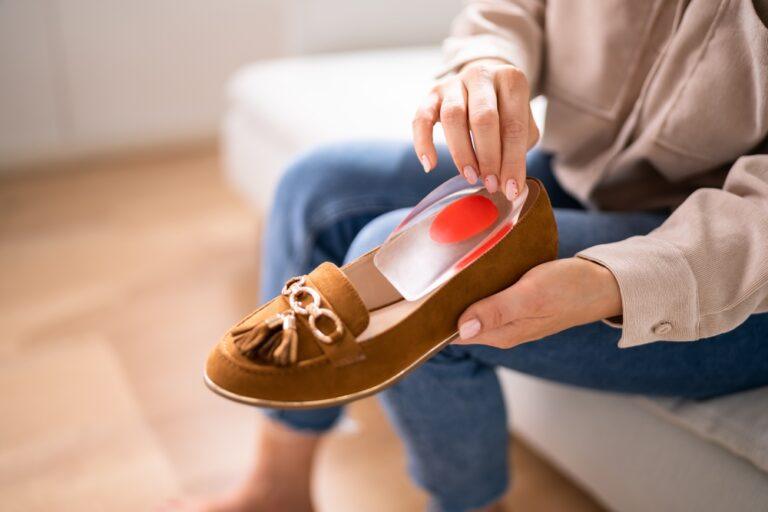
Tighten loose shoes fast with simple DIY fixes, inserts, heel grips, or a quick heat trick.
I’ve spent years helping friends and clients get comfortable shoes. I know how frustrating it is when new or worn shoes feel loose. This guide on how to make shoes fit tighter pulls from hands-on experience, practical testing, and common shop methods. Read on for clear steps, safe techniques, and tips you can use today to get shoes that fit snugly and stay that way.

Why shoes feel loose and what that means for fit
Shoes can feel loose for many reasons. They may stretch over time, be the wrong size, or the inner padding can compress. The shape of your foot can also change with age, weight, or activity. Understanding why a shoe feels loose helps you choose the best method for how to make shoes fit tighter.
If the shoe is too long, simple padding won’t always fix the problem. If the heel slips, heel grips or tongue pads work best. When leather or synthetic uppers are stretched, heat or professional resoling can help. Knowing the cause saves time and prevents damage.
Simple at-home fixes that work quickly
These quick methods are safe and often work the same day. Try one at a time to find the best solution for how to make shoes fit tighter.
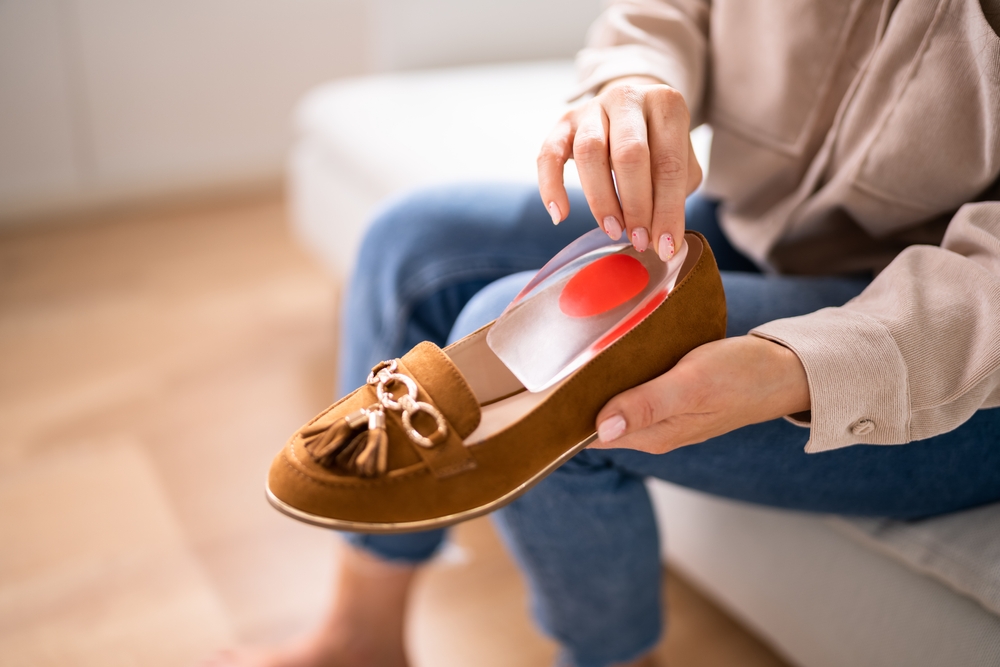
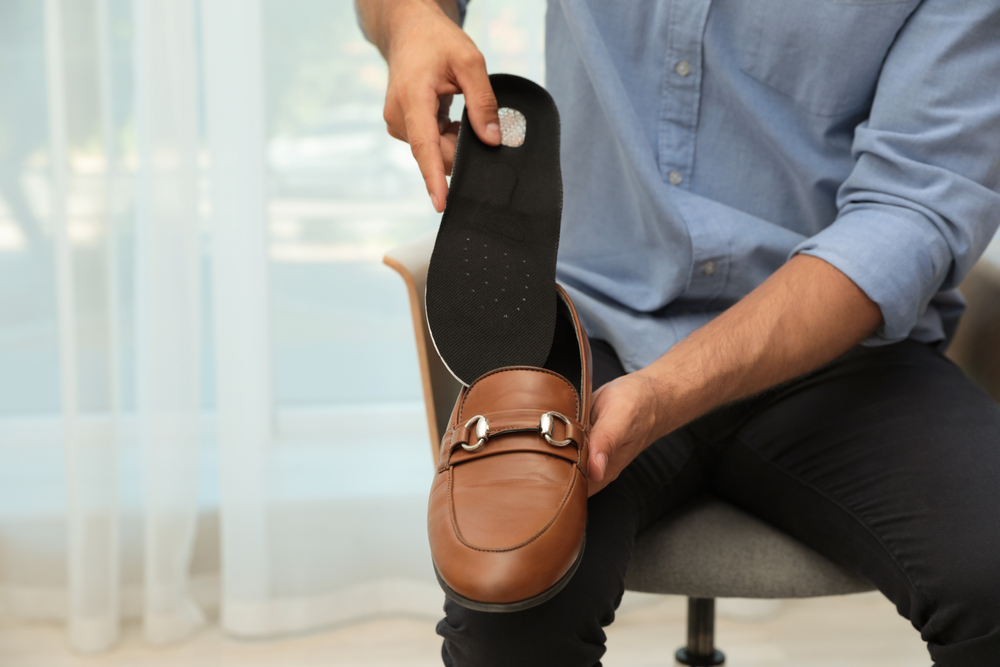
- Use removable insoles to take up space in the shoe. They add volume under the foot and reduce slippage.
- Add heel grips or cushions to stop heel slip. They are cheap and easy to stick in place.
- Place a tongue pad behind the shoelaces to push the foot back and fill the shoe’s instep.
- Wear thicker socks or double up socks for a snugger fit in casual shoes.
Quick questions people ask when fixing fit:
- Q: Will socks ruin my shoe fit? A: Thick socks are a fast fix and won’t damage most shoes. Avoid tight synthetic socks that can change circulation.
- Q: Are stick-on pads permanent? A: Most pads are removable and safe. Clean the area first so they hold better.
DIY tightening techniques: step-by-step
Some methods need a little effort but give tailored results. Follow these steps to safely tighten shoes at home.
- Use foam or gel insoles
- Remove existing insoles if thick. Add a full-length insole that matches the shoe size. Test the fit and trim if needed.
- Add heel grips and sleeves
- Clean the back inside area. Peel and stick heel grips. Wear shoes around the house for a day to settle them.
- Apply tongue pads
- Place pads under the tongue where the laces sit. This prevents your foot from sliding forward.
- Try sewing or adding stitches
- For canvas or fabric shoes, a few discreet stitches can narrow the heel cup. Use a heavy-duty thread and small stitches.
I once tightened a favorite canvas sneaker by adding a thin leather strip at the heel and a foam insole. The change was immediate and comfortable after a short break-in.
 materials: safe methods”
style=”max-width: 100%; height: auto; border: 2px solid black; border-radius: 10px; display: block; margin: 0 auto;”
loading=”lazy”
/>
Heat, stretching, and materials: safe methods
Different materials react differently. Leather, suede, knit, and synthetics each need unique care when you try to make shoes fit tighter.
- Leather
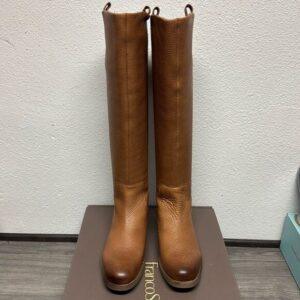
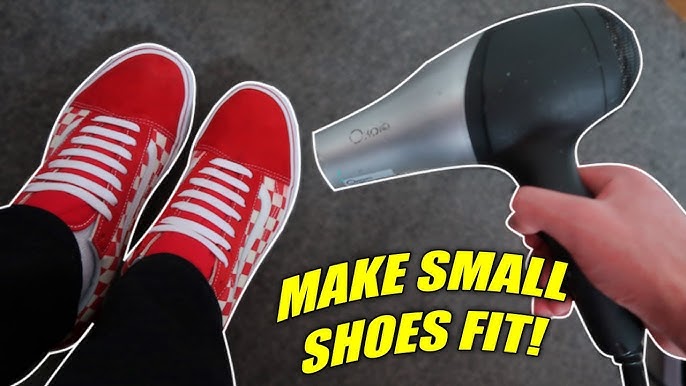
- Heat reshapes leather. Use a hair dryer on low while wearing thick socks, then let the leather cool to mold. Do not overheat or soak leather.
- Suede and nubuck
- Avoid water and heat. Use internal padding or a cobbler’s adjustment instead.
- Knit and mesh
- These stretch easily. Use inserts and lacing tricks rather than heat.
- Synthetics and glued shoes
- Be cautious with heat. Glue can soften and break seams.
I tested the hair-dryer method on a pair of leather boots. Heating the heel area briefly while wearing two pairs of socks tightened the fit without creasing or damage. Always start low and check progress often.
Insoles, orthotics, and pro-level solutions
When basic tweaks fail, professional or semi-professional options help. These are best for valuable shoes or ongoing fit problems regarding how to make shoes fit tighter.
- Full-length orthotic insoles add volume and arch support. They help both fit and comfort.
- Custom heel counters and orthotics from a cobbler stabilize the heel and narrow the cup.
- Resoling or adding a half-sole can change shoe interior depth and improve fit.
- Shoe stretching machines can be used by a professional to narrow or reshape the shoe interior.
I recommend seeing a cobbler if you paid a premium for your shoes. A pro can tailor adjustments with minimal risk and often preserve the shoe’s shape.

Lacing patterns and quick tweaks that help daily
Lacing is a free, instant way to adjust fit. Small changes can make shoes feel much tighter.
- Use the runner’s loop (lock lacing) to secure the heel and prevent slip.
- Skip eyelets near the toe box to pull the forefoot tighter.
- Try crisscross lacing for even tension or straight bars for wider fit control.
- Use lace anchors or elastic laces for active wear to maintain a snug fit.
I use lock lacing on all my running shoes. It stops heel slip and keeps the fit consistent over long runs.

Buying and prevention: avoid future fit problems
Preventing loose shoes starts at the purchase. Good choices save time and money later on when you consider how to make shoes fit tighter.
- Try shoes at the end of the day when feet are largest. Walk for several minutes to test fit.
- Measure both feet and buy to the larger size if there is a difference.
- Check heel counters and arch support. Firmer heels resist long-term stretching.
- Choose shoes with replaceable insoles if you plan to add orthotics.
A small investment in quality often avoids fit fixes later. I once bought cheaper sneakers that stretched within weeks and cost more in fixes than a better pair would have.

Troubleshooting and mistakes to avoid
Common errors can worsen fit or damage shoes. Avoid these when learning how to make shoes fit tighter.
- Don’t over-stuff shoes with bulky insoles that cause toe crowding.
- Avoid using solvents or extreme heat on glued shoes.
- Don’t trim important structural linings when attempting DIY alterations.
- Test any sticky pads on a hidden area first to ensure they won’t stain.
If a fix feels risky, stop and consult a professional. It’s better to spend a few dollars than to ruin a pair you like.
Frequently Asked Questions of how to make shoes fit tighter
What is the fastest way to make shoes fit tighter?
Use removable insoles and heel grips. These add volume and stop heel slip immediately.
Can I make leather shoes tighter at home?
Yes, carefully. Heat and thick socks can help mold leather while wearing. Go slowly to avoid damage.
Are stick-on pads safe for all shoes?
Most pads are safe for many shoes. Test on a small area first, and avoid delicate linings.
When should I see a cobbler instead of DIY fixes?
See a cobbler for expensive shoes or structural issues. A pro can reshape heels, add counters, or resole safely.
Will altering fit change comfort or support?
It can. Adding volume in the wrong spot may press on toes or change gait. Make small adjustments and test.
Can lacing really make a big difference?
Yes. Lacing patterns can lock your heel or tighten the midfoot. It’s a free and reversible method.
Conclusion
You can learn how to make shoes fit tighter with simple tools, smart lacing, and safe home tweaks. Start with low-risk fixes like insoles, heel grips, and lacing changes. If a shoe is expensive or the fit problem is structural, seek a cobbler. Try one method at a time and test for comfort before long wear. Take action now: pick one quick fix and try it today, then share what worked or ask a question below to get more tips.

Madison Clark is a footwear expert and the voice behind MyStyleGrid.com. She specializes in honest shoe reviews, style tips, and practical guides to help readers find the perfect pair for any occasion. With years of experience in blogging and content creation, Madison makes footwear knowledge simple, stylish, and easy to follow.