The best boots for skinny calves have adjustable shafts, slim fits, and enough structure to prevent ankle and calf gaps.
Finding tall boots that fit slim legs can feel like searching for a sleeve that is always too wide. The best boots for skinny calves should sit close to your leg without pinching, slipping, or leaving a cold gap at the top. In this guide, you will learn which boot styles work best, how to measure your calves, which features matter most, and how to avoid common fit mistakes.

What are the best boots for skinny calves?
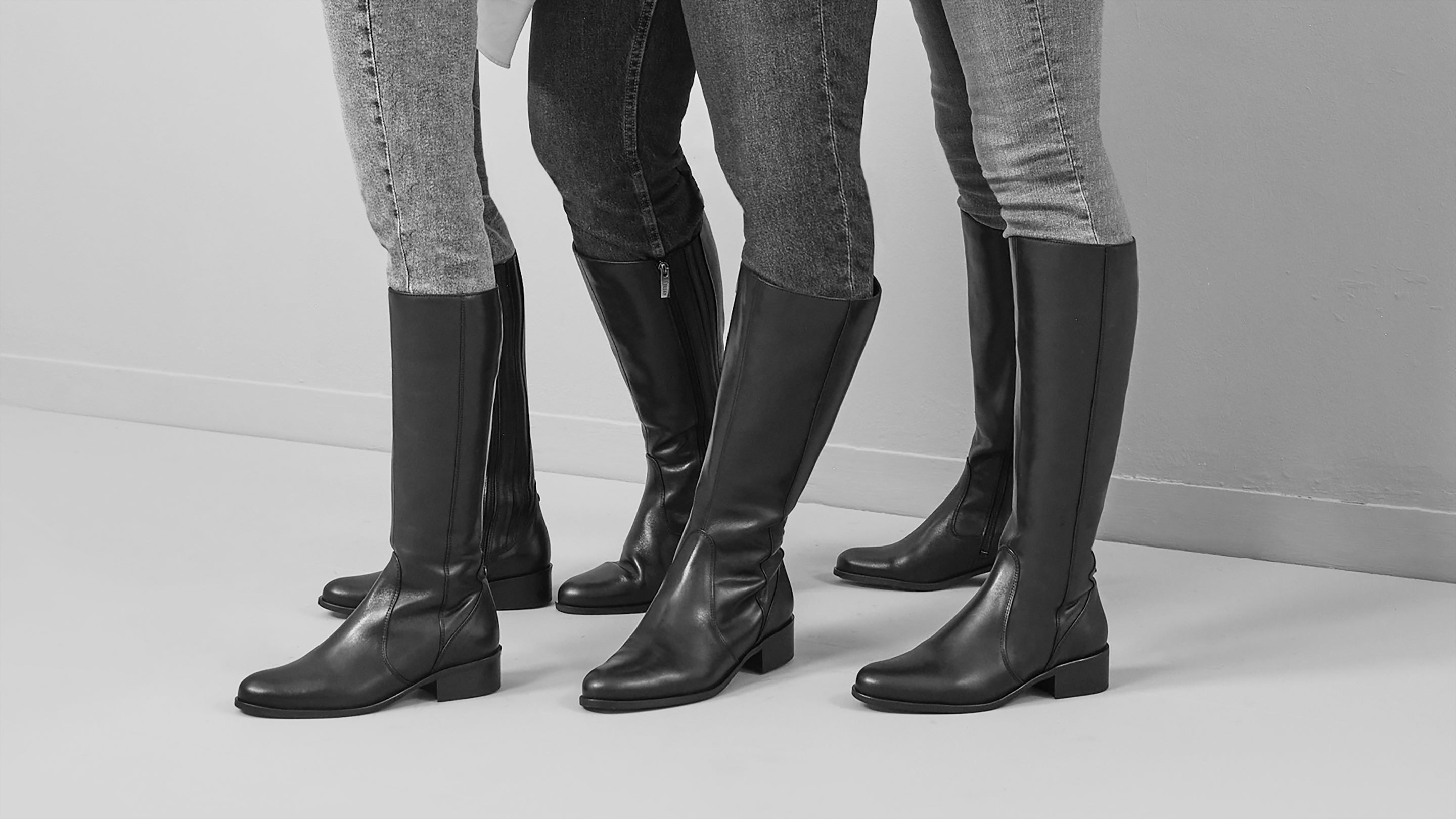
The best boots for skinny calves are tall boots with a narrow shaft, adjustable straps, elastic panels, or a structured design that holds its shape. Slim calf riding boots, fitted leather boots, stretch boots, and lace-up boots are often the most reliable choices.
A boot can look narrow in a product photo and still fit loosely in real life. The key is not only the boot size. You must also check the shaft circumference, shaft height, ankle width, and material.
The most useful options include:
• Slim calf riding boots with a close, firm shaft
• Stretch knee-high boots that mold to the leg
• Lace-up boots that let you control the fit
• Boots with back zippers and elastic gussets
• Ankle boots with fitted collars
• Western boots with a naturally narrower shaft
The right pair should feel secure around the calf but should not leave red marks. You should be able to sit, walk, and tuck in thin pants without the boot sliding down.
Best boot styles for slim calves
Different boot styles solve different fit problems. Some offer strong support, while others provide more flexibility for narrow legs.
Slim calf riding boots
Riding boots are one of the best boots for skinny calves because many brands offer narrow or slim calf versions. They usually have a firm shaft and a clean shape that stays upright.
Look for these features:
• A shaft circumference below the brand’s standard measurement
• An adjustable buckle near the calf
• A full-length side zipper
• A slightly tapered ankle
• Firm leather or synthetic leather
Riding boots work well with jeans, leggings, skirts, and casual dresses. However, stiff leather may feel snug at first. It should soften with wear, but it should not cause pain or restrict movement.
Stretch knee-high boots
Stretch boots are a smart choice when standard tall boots leave a gap. Materials such as elastic knit, stretch suede, and flexible synthetic fabric can wrap around narrow calves more closely.
These boots often feel more like a fitted sleeve than a hard shell. They are especially useful if your calf size changes slightly during the day or if you prefer a softer feel.
The limitation is support. Very soft stretch fabric may crease, slide, or lose shape over time. Choose a pair with a firm sole and a supportive heel counter.
Lace-up tall boots
Lace-up boots provide excellent control because you can change the shaft tension. They are helpful for narrow calves, different leg shapes, and layered clothing.
A rear lace panel is often more useful than decorative front laces. It lets you tighten the upper part of the boot while leaving the ankle comfortable.
Lace-up boots can take longer to put on. Still, they are among the best boots for skinny calves when a fixed zipper does not give enough adjustment.
Tall western boots
Western boots often have a slimmer opening than casual pull-on boots. Their shaped shaft can suit narrow calves, particularly when the boot has a firm leather upper.
Check the opening before you buy. Western boots vary widely, and some have a broad shaft designed to fit over jeans.
A pointed or almond toe can make the leg look longer, but comfort should come first. Your toes should have room to move, and the heel should lift only slightly when you walk.
Fitted ankle boots
Ankle boots do not cover the calf, but they can be the easiest solution when tall boots never fit well. Choose a pair with a close ankle collar and a shaft that ends below the widest part of your lower leg.
Fitted ankle boots pair well with straight-leg jeans, skirts, tights, and wide-leg pants. They also avoid the common problem of a tall boot sliding down during the day.

How to measure your calves for boots
Accurate measurements help you find the best boots for skinny calves. Do this before shopping, especially when ordering online.
You will need a soft measuring tape, a thin sock, and the pants or leggings you plan to wear with the boots.
-
Sit with your foot flat on the floor.
-
Wrap the tape around the widest part of your calf.
-
Keep the tape level and snug, but do not pull it tight.
-
Measure both legs because one calf may be slightly larger.
-
Measure from the floor to the point where you took the calf measurement.
-
Record your ankle circumference if the brand provides that detail.
Next, compare your measurements with the product chart. Do not assume that a size 8 boot has the same calf width as every other size 8 boot.
A useful fit allowance depends on the boot material and the clothes underneath it:
• Smooth leather may need about 0.25 to 0.5 inch of room
• Stretch fabric can fit with little extra room
• Thick jeans need more space than tights
• Lined boots may feel tighter inside than the outer measurement suggests
Measure late in the day if your legs tend to swell. Feet and lower legs can become slightly larger after hours of standing or walking. This small step can prevent a painful purchase.

Features that make boots fit narrow calves
The best boots for skinny calves usually have at least one adjustable or flexible feature. These details can make a larger difference than the brand name.
Adjustable buckles
A buckle lets you change the shaft width. It is useful when the boot fits at the foot but feels loose at the calf.
Some buckles are decorative and offer no real adjustment. Check whether the strap passes through several holes and whether it changes the opening.
Elastic gussets
Elastic panels can close small gaps and make the boot easier to pull on. They also help when your calf measurement falls between two sizes.
A gusset should stretch without feeling weak. If it looks thin or loose before you wear the boot, it may not hold its shape well.
Back zippers
A full-length back zipper can provide a close fit and a neat appearance. It is often easier to use than a side zipper on a narrow boot.
Look for a zipper that closes smoothly without pulling at the fabric. A zipper that bows outward may signal that the boot is too tight or poorly shaped.
Structured uppers
Firm leather, dense suede, and strong synthetic materials help a boot stand upright. They are less likely to collapse around the ankle or drift down the leg.
Structure is helpful, but excessive stiffness can cause rubbing. A padded collar and smooth lining can improve comfort.
Contoured ankles
Many tall boots fit the calf but remain loose around the ankle. A contoured ankle reduces that empty space and prevents the boot from folding.
A slim ankle shape also creates a cleaner line with leggings and narrow jeans.
How to choose the right boot size
Calf fit is important, but the foot still needs to fit correctly. A narrow calf does not always mean you need a narrow shoe.
Your toes should have room to spread. Your heel should remain stable, with only a small amount of natural movement when you walk. The ball of your foot should sit over the widest part of the sole.
Use this checklist before keeping the boots:
• Walk on a clean indoor floor for several minutes
• Bend your knees and sit down
• Wear the socks or pants you plan to use
• Check for pressure across the toes
• Check for rubbing at the heel and ankle
• Make sure the zipper closes without force
• Confirm that the calf does not slide down
Do not buy boots that feel painfully tight because you expect them to stretch. Leather may soften and expand slightly, but the shaft will not always gain a full size. Boots should feel secure from the first fitting, not like a test of patience.
The best boots for skinny calves should stay in place without a belt, thick socks, or hidden padding. If you need several tricks to stop the boot from falling, the shaft is probably too wide.
Materials that work well for narrow legs
Material affects both fit and long-term comfort. The right choice depends on your lifestyle, weather, and styling needs.
Leather
Leather offers structure and can soften with regular wear. Full-grain and top-grain leather often hold their shape well, but they may need a short break-in period.
Keep leather away from direct heat when drying it. Heat can stiffen or damage the material.
Suede
Suede has a soft look and can feel comfortable around the calf. It may also grip clothing better than smooth leather.
Suede needs more care in wet weather. Use a suitable protector and brush away dirt with a suede brush.
Stretch fabric
Stretch fabric is often the easiest material for very slim calves. It can create a close, smooth fit without heavy adjustment.
The trade-off is durability. Low-quality stretch material may become loose or develop wrinkles after repeated wear.
Synthetic leather
Synthetic leather can offer a lower price and simple care. Some modern versions look polished and resist light moisture.
Quality varies. Check customer photos and product details for signs of cracking, stiff folds, or a thin lining.
Common mistakes when buying boots for skinny calves
Even experienced shoppers can focus on the wrong detail. Avoid these common errors.
Choosing by shoe size alone
Shoe size does not tell you the calf width. Two boots with the same foot size may have very different shaft measurements.
Always find the shaft circumference and height in the product details.
Ignoring the ankle fit
A narrow calf boot can still look loose if the ankle is wide. A large ankle gap may cause the shaft to bend and slide.
Look for a boot with a shaped ankle or adjustable lower panel.
Relying on thick socks
Thick socks can fill a small gap, but they may create pressure around your foot. They also make the boots too warm in mild weather.
Treat socks as a comfort choice, not as the main solution to a poor fit.
Buying a larger size for calf room
Going up a full shoe size may give you more shaft space, but it can make your heel slide and your toes move too far forward.
A slim shaft or adjustable design is a better solution.
Forgetting clothing thickness
A boot that fits over tights may not fit over jeans. Think about how you will wear the pair most often.
If you want flexibility, choose an elastic gusset or a slightly adjustable shaft.

Styling ideas for boots on slim calves
The best boots for skinny calves can create a sleek line, but styling also affects how balanced the outfit looks.
Try these simple combinations:
• Wear knee-high boots with a short skirt and opaque tights
• Pair slim riding boots with straight-leg jeans
• Tuck leggings into fitted stretch boots
• Wear ankle boots with cropped trousers to show the ankle
• Match the boot color to your pants for a longer visual line
• Use a loose sweater or coat with fitted boots for contrast
If tall boots leave a small gap, wear a midi skirt with tights instead of trying to hide the opening under skinny jeans. The outfit will look intentional, not like a poor fit.
For a classic look, black leather boots create a clean line. Brown leather adds warmth and works well with denim, cream, olive, and rust tones. A simple boot in a neutral color often receives more wear than a bold style bought for one occasion.
Are custom alterations worth it?
Boot alterations can help when the foot fits well but the shaft is too wide. A skilled cobbler may be able to reduce the shaft, adjust a zipper, or add elastic in a specific area.
This option works best with leather boots that have a simple construction. It may be harder or more expensive with waterproof membranes, heavy lining, complex panels, or decorative stitching.
Ask for an estimate before approving the work. The final cost may be worthwhile for high-quality boots, but it may not make sense for a low-cost pair.
A temporary option is a slim boot insert or a narrow calf cushion. These can reduce a small gap, but they may shift or create pressure. Test them indoors before wearing them for a full day.
A practical shopping checklist
Use this list when comparing the best boots for skinny calves online or in a store:
• Measure both calves
• Check the shaft circumference
• Check the shaft height
• Look for ankle measurements
• Read reviews about slipping and calf width
• Study customer photos
• Confirm the return policy
• Consider the socks and pants you will wear
• Inspect the zipper and seams
• Walk indoors before removing tags
Product reviews can reveal details that brand photos hide. Search for words such as “narrow calf,” “slim shaft,” “slips,” “tight ankle,” and “fits over jeans.”
Remember that reviews are personal. One shopper’s perfect fit may be too tight for another person. Use reviews as clues, then compare them with your own measurements.
Frequently Asked Questions About the Best Boots for Skinny Calves
What are the best boots for skinny calves?
The best boots for skinny calves usually have a narrow shaft, adjustable buckle, elastic panel, or lace-up design. Slim riding boots, stretch knee-high boots, and fitted leather boots are strong choices.
How tight should tall boots fit around the calf?
Tall boots should sit close to the calf without pinching or leaving painful marks. You should have enough room to move and wear your planned socks or pants.
Can a cobbler make boots narrower at the calf?
Yes, a skilled cobbler can often reduce the shaft of leather boots. The cost and result depend on the boot’s construction, lining, zipper, and decorative details.
Are stretch boots good for very slim calves?
Stretch boots can be excellent because the fabric follows the shape of the leg. Choose firm, well-made stretch material so the boot does not lose its shape or slide down.
Why do my tall boots keep sliding down?
Tall boots may slide because the shaft is too wide, the ankle is loose, or the material lacks structure. A narrow shaft, fitted ankle, elastic panel, or boot insert may improve the fit.
Should I size down to get a tighter calf fit?
Usually, no. Sizing down can squeeze your toes and create heel problems without fixing the shaft width. Choose a proper foot size and look for a slim-calf shaft instead.
Conclusion
The best boots for skinny calves combine the right shaft width with a secure ankle, comfortable footbed, and material that suits your daily life. Start by measuring both calves, then compare the shaft details instead of relying on shoe size alone.
Slim riding boots, stretch knee-high boots, lace-up styles, and adjustable designs are often the safest choices. Take your time, test the boots indoors, and use the return policy when the fit feels wrong. Explore carefully, and you can find boots that stay in place, feel comfortable, and look polished all day.

Madison Clark is a footwear expert and the voice behind MyStyleGrid.com. She specializes in honest shoe reviews, style tips, and practical guides to help readers find the perfect pair for any occasion. With years of experience in blogging and content creation, Madison makes footwear knowledge simple, stylish, and easy to follow.