KEEN sandals are made in several countries, including Cambodia, Thailand, Vietnam, China, and India.
If you are searching for where KEEN sandals are made, the most accurate answer is that KEEN uses a global manufacturing network. The brand designs its footwear in the United States, while the exact factory country depends on the sandal model, production run, and size. This guide explains how to check the country of origin, why manufacturing locations vary, and what that means for quality, safety, and value.
Where are KEEN sandals made?
KEEN sandals are made in multiple countries rather than one single factory or nation. Common manufacturing locations include Cambodia, Thailand, Vietnam, China, and India. The list can change as KEEN adjusts suppliers, materials, and production plans.
KEEN is an American outdoor footwear company founded in Portland, Oregon, in 2003. Its product design, development, testing, and brand operations are closely linked to the United States. However, most KEEN sandals are produced overseas by contracted manufacturing partners.
This difference matters. A sandal can be American-designed without being made in the United States. The words “designed in Portland” describe the brand’s design connection, not necessarily the place where the footwear was assembled.
The best answer to where KEEN sandals are made is therefore model-specific. A KEEN Newport sandal may have a different country label from a UNEEK sandal or a women’s Whisper sandal.
 manufacture KEEN sandals?”
style=”max-width: 100%; height: auto; border: 2px solid black; border-radius: 10px; display: block; margin: 0 auto;”
loading=”lazy”
/>
Which countries manufacture KEEN sandals?
KEEN works with factories in several parts of Asia. These locations have strong footwear industries, skilled workers, established supply chains, and access to materials such as rubber, polyester webbing, leather, and synthetic fabrics.
Cambodia
Cambodia is one of the countries often associated with KEEN footwear production. The country has a large footwear and apparel sector that supplies many international brands.
Cambodian factories may produce popular KEEN sandal styles, but not every Newport or UNEEK sandal comes from Cambodia. The country listed on the label depends on the exact product batch.
Thailand
Thailand has long experience making outdoor footwear, rubber products, and performance shoes. Some KEEN sandals and other footwear products have been manufactured there.
Thailand is also known for its rubber industry. That can be useful for footwear brands that need durable outsole materials and skilled assembly work.
Vietnam
Vietnam is one of the world’s largest footwear manufacturing centers. It produces shoes and sandals for many well-known international companies.
KEEN may use Vietnamese factories for selected models or production runs. A Vietnam label does not mean the product is fake or lower quality. It simply identifies the location where the sandal was made.
China
China remains a major source of footwear materials and manufacturing services. Some KEEN footwear has been made in China, although the mix of products and suppliers can change over time.
China has factories that can handle complex footwear work, including molded soles, stitched uppers, webbing systems, and technical materials.
India
India also has a growing footwear industry and may appear on the country-of-origin label of some KEEN products. Production in India can vary by model, season, and supplier agreement.
Because manufacturing networks change, it is unwise to assume that every pair from one product line will always come from the same country.
Why does KEEN manufacture sandals overseas?
KEEN manufactures sandals overseas for practical business reasons. Outdoor footwear requires specialized equipment, trained workers, material suppliers, and large production capacity. Several Asian countries already have these systems in place.
Global manufacturing also helps a brand manage costs. Sandals contain many parts, including:
- Rubber or EVA outsoles
- Webbing straps
- Metal or plastic hardware
- Foam footbeds
- Adhesives
- Protective toe caps
- Stitching and reinforcement materials
Making these parts near established suppliers can reduce shipping between factories and improve production speed. It can also make it easier to produce different sandal designs in different facilities.
This does not automatically mean poor quality. Quality depends more on product design, materials, factory standards, inspection, and production controls than on the country name alone.
A useful comparison is cooking. The kitchen matters, but so do the recipe, ingredients, chef, and final inspection. Footwear works in much the same way.

Are KEEN sandals designed in the United States?
KEEN sandals are designed and developed by an American company based in Portland, Oregon. The brand is known for outdoor footwear with features such as protective toe coverage, adjustable straps, washable materials, and grippy outsoles.
Design work may include:
- Creating the sandal shape
- Testing foot comfort
- Selecting materials
- Building prototypes
- Testing traction and durability
- Reviewing fit across sizes
- Improving water resistance and drying time
The final product is then made by manufacturing partners in other countries. This approach is common in the footwear industry.
It is important to separate these terms:
- Designed in the United States means the product concept and development are connected to a U.S. design team.
- Made in a specific country means the sandal was assembled or manufactured there.
- Imported means the finished product entered another country for sale.
- Distributed by KEEN means the product moved through the company’s sales network.
These terms describe different stages of the product journey.
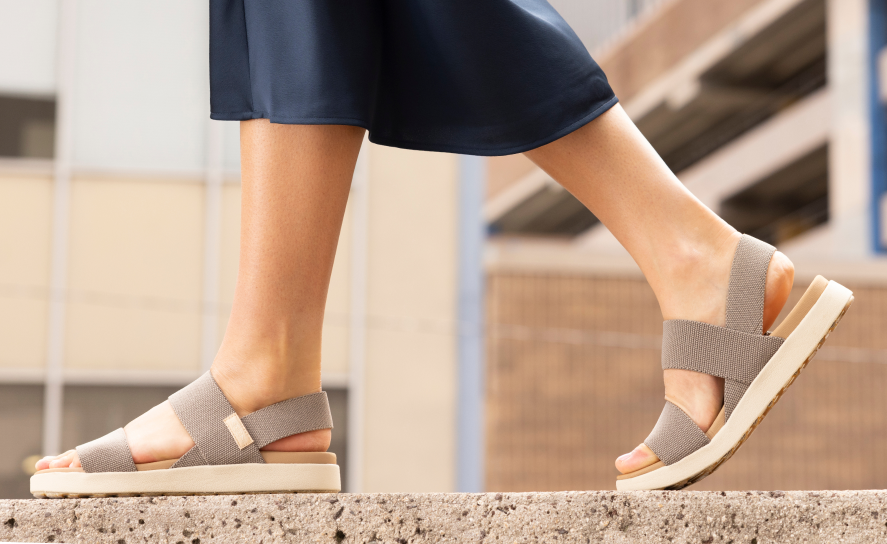
How to find where your KEEN sandals were made
The fastest way to confirm where KEEN sandals are made is to inspect the product itself. Do not rely only on a retailer’s product page, because online descriptions may not list the current country of origin.
Look in these places:
-
Check the inside of the sandal.
The country of origin may be printed on the footbed, lining, strap, or inner label.
-
Examine the shoebox.
The box often includes a country-of-origin statement, barcode, model number, and size information.
-
Read the care label.
Some KEEN sandals include country information near the care instructions or material details.
-
Compare the model number.
The model name alone may not identify the factory. A style code helps KEEN or an authorized retailer confirm product details.
-
Contact KEEN customer service.
Send a clear photo of the label and the full model code. Customer support may be able to identify the production information.
-
Check the seller.
Buy from KEEN, an authorized retailer, or a well-established outdoor store. Marketplace listings may combine photos from different production runs.
Country labels can be small and hard to read. I recommend taking a close phone photo and enlarging it instead of guessing from a product image.

Does the country of manufacture affect KEEN sandal quality?
The country of manufacture does not, by itself, determine the quality of a KEEN sandal. A well-managed factory can make excellent footwear, while a poorly controlled production line can create defects anywhere in the world.
KEEN sandals are generally valued for features such as:
- Protective toe coverage on selected models
- Firm, supportive footbeds
- Adjustable webbing
- Rubber outsoles
- Outdoor traction
- Washable construction on many styles
- Casual designs that work for travel and daily use
Still, quality can vary between models. A water sandal designed for rocky trails may feel very different from a lightweight lifestyle sandal.
When checking a pair, look for:
- Even stitching
- Secure strap attachment
- Clean glue lines
- A level outsole
- Matching left and right construction
- A firm but comfortable footbed
- No sharp edges near the toe area
- A clear and consistent brand logo
A sandal with a country label from Vietnam, Cambodia, China, Thailand, or India is not automatically inferior. The condition of the individual pair is more useful than the label alone.
Are KEEN sandals made in the USA?
Most KEEN sandals are not made entirely in the United States. They are designed by a U.S. company but generally manufactured through overseas production partners.
Some KEEN products may have special construction or limited production details, so product claims should be checked for the exact model. Do not assume that the words “American brand” or “designed in Portland” mean “made in the USA.”
For a true U.S.-made claim, look for clear wording such as “Made in USA.” Under U.S. labeling rules, such a claim generally requires that the product meet specific domestic production standards. A vague American design statement is not the same thing.
If domestic manufacturing is important to you, inspect the sandal and packaging before buying. Ask the retailer for a photo of the actual country-of-origin label.

What materials are used in KEEN sandals?
KEEN sandal materials vary by model. Common materials include polyester webbing, synthetic or leather uppers, rubber outsoles, EVA foam, and molded footbeds.
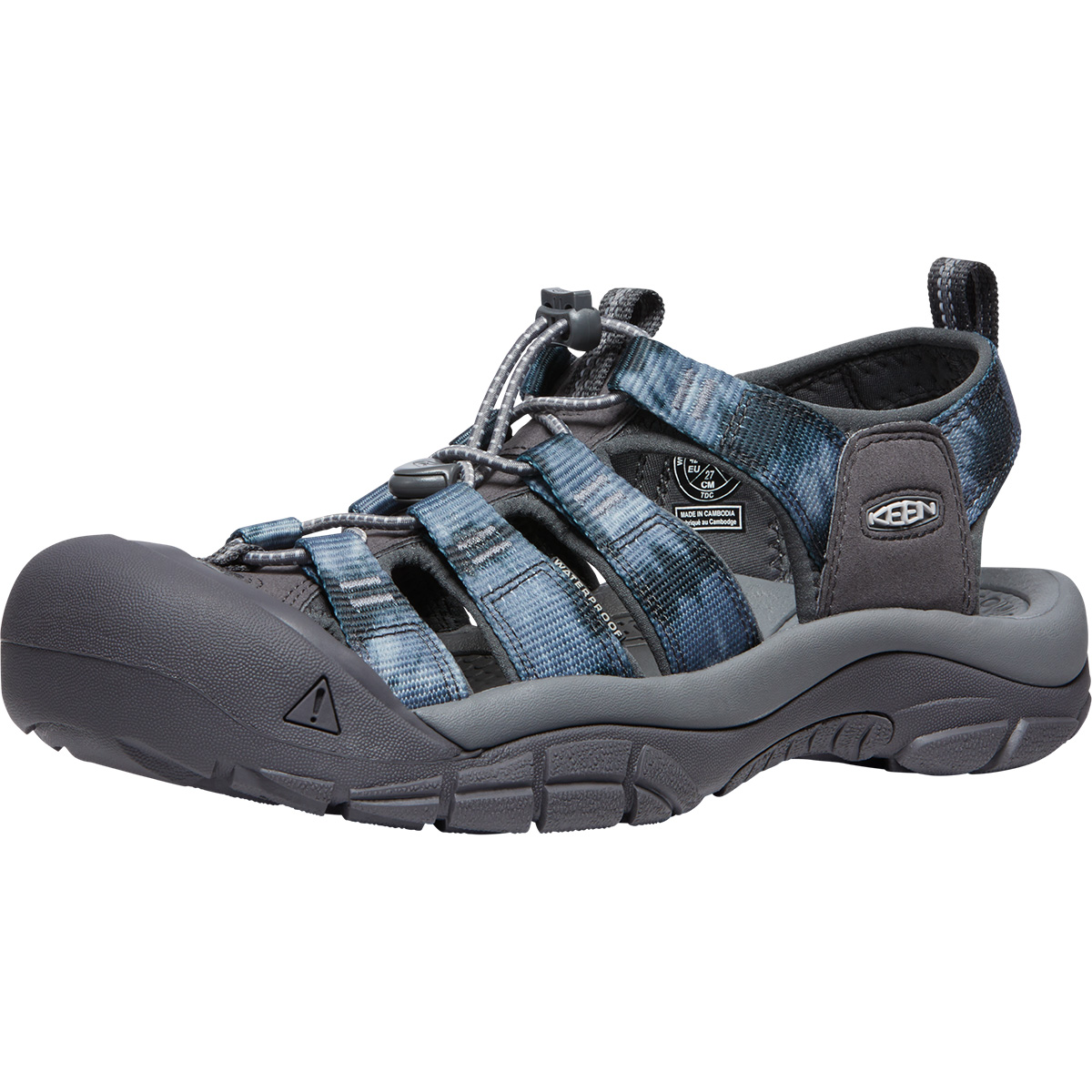
The KEEN Newport, for example, is known for its closed-toe sandal design, adjustable fit, and protective construction. Other models use open straps and lighter materials for warm-weather walking.
Many KEEN sandals are designed to handle water, sweat, and outdoor use. However, water-friendly does not mean every part is waterproof. Adhesives, leather sections, metal hardware, and footbeds may respond differently to moisture.
Before buying, check the product description for:
- Upper material
- Lining material
- Outsole compound
- Footbed construction
- Washable or water-friendly claims
- Recommended cleaning method
- Intended activity
Material choices can affect where a sandal performs best. A rugged rubber sole may last longer on rock but feel heavier on pavement. A soft footbed may feel comfortable at first but need more care after repeated exposure to water.
How KEEN manages manufacturing and sustainability
KEEN has introduced several efforts related to chemical reduction, responsible materials, and product durability. The company has also promoted PFAS-free water-repellent treatments in many product categories.
These efforts are useful, but shoppers should read claims carefully. A brand may improve one part of a product without making the entire supply chain fully sustainable.
Important questions include:
- Where were the materials sourced?
- Was the sandal made in a factory with documented labor standards?
- Can the sandal be repaired or recycled?
- How long is it likely to last?
- Does the brand publish supplier or responsibility information?
- Are sustainability claims specific or vague?
Durability is part of sustainability. A sandal that lasts several seasons may create less waste than a cheaper pair that must be replaced every few months.
The most practical environmental choice is often to buy the right model, care for it well, and use it for as long as possible.
How to care for KEEN sandals made overseas
The manufacturing country does not change the basic care routine. Proper cleaning can extend the life of almost any KEEN sandal.
Follow these steps:
-
Remove loose dirt with a soft brush.
-
Rinse the sandal with cool or lukewarm water.
-
Use a small amount of mild soap if needed.
-
Clean between the straps and around the outsole.
-
Rinse away all soap.
-
Air-dry the sandals in a shaded, well-ventilated place.
Avoid placing KEEN sandals on a radiator, in a clothes dryer, or in strong direct heat. High heat can weaken adhesives, change the shape of foam, and damage some synthetic materials.
If the sandals smell after use, clean the footbed and let the pair dry fully before wearing them again. Wearing damp sandals day after day can create odor and may shorten the life of the materials.
One mistake I often see is storing outdoor sandals while they are still wet. Give them time to dry completely. This simple habit protects the lining, straps, and footbed.
How to spot counterfeit KEEN sandals
A country label alone cannot prove that a sandal is genuine. Authentic KEEN sandals may be made in several countries, so “Made in China” or “Made in Cambodia” is not evidence of a fake product.
Watch for several warning signs together:
- An unusually low price
- Misspelled words on the box
- A poor-quality logo
- Uneven stitching
- Incorrect colors or materials
- A missing model code
- Packaging that looks copied
- A seller with little transaction history
- Product photos that do not match the received item
Buy from an authorized retailer whenever possible. If you use a marketplace, check the seller’s return policy and keep the receipt.
Compare the model code on the box with the code on the sandal. A mismatch does not always prove fraud, but it deserves closer inspection.
A genuine sandal should also have consistent construction on both feet. Large differences in strap length, logo placement, or outsole shape can indicate a problem.
Are KEEN sandals worth buying?
KEEN sandals can be a strong choice for people who want more protection and support than a basic flip-flop. Their closed-toe styles are especially useful for travel, light hiking, creek walks, and daily summer wear.
They may be less suitable for shoppers who want:
- A very thin sandal
- Minimalist ground feel
- Formal footwear
- The lightest possible design
- A product made only in the United States
The right choice depends on your foot shape and intended use. People with wide feet often appreciate adjustable straps, but fit still varies by model. Try the sandals with the socks, insoles, or foot conditions you expect to use in real life.
My practical advice is simple: focus first on fit, traction, comfort, and intended activity. Then check the country label if manufacturing origin is important to you.
What buyers should know before purchasing
Product pages can change as brands update materials, suppliers, and packaging. A retailer may use an older photo while shipping a newer production run.
Before ordering, consider these steps:
- Confirm the exact model name.
- Check recent customer photos.
- Review the return policy.
- Ask the seller for the country label if origin matters.
- Measure your foot according to the brand’s size guide.
- Read reviews from people using the sandal for a similar activity.
- Check whether the sandal is washable or only spot-cleanable.
Do not choose a pair based only on the country where it was made. A sandal made in one country may be excellent, while another pair from the same country may have a defect.
The label answers where KEEN sandals are made. It does not answer whether the pair fits your foot or suits your plans.
Frequently asked questions about where are KEEN sandals made
Are KEEN sandals made in China?
Some KEEN sandals and other KEEN footwear products have been made in China. The exact country depends on the model and production batch, so check the label on the sandal or box.
Are KEEN sandals made in the USA?
Most KEEN sandals are designed by a U.S. company but manufactured overseas. Look for a clear “Made in USA” statement if domestic production is essential to your purchase.
Are KEEN sandals made in Vietnam?
Some KEEN footwear may be made in Vietnam. Vietnam is a major global footwear manufacturing center, but not every KEEN sandal comes from there.
Are KEEN sandals made in Cambodia?
Yes, Cambodia is one of the countries that may appear on KEEN footwear labels. The country of origin can change between models and production runs.
Are KEEN sandals good quality?
KEEN sandals are generally known for protective designs, outdoor traction, adjustable straps, and durable materials. Quality can vary by model, so inspect the construction and choose a style that matches your activity.
How can I check where my KEEN sandals were made?
Read the country-of-origin label inside the sandal or on the shoebox. If the label is unclear, contact KEEN customer service with the model number and a photo of the product.
Conclusion
KEEN sandals are made through a global manufacturing network that may include Cambodia, Thailand, Vietnam, China, and India. The brand’s products are designed in the United States, but the exact manufacturing country depends on the model and production run.
The most reliable way to learn where your KEEN sandals are made is to check the label, box, model code, and seller information. Use country of origin as one detail, not the only measure of quality.
Before buying, compare fit, materials, traction, care needs, and return terms. Choose an authorized seller, inspect the pair when it arrives, and care for it properly so it can serve you for many seasons.

Madison Clark is a footwear expert and the voice behind MyStyleGrid.com. She specializes in honest shoe reviews, style tips, and practical guides to help readers find the perfect pair for any occasion. With years of experience in blogging and content creation, Madison makes footwear knowledge simple, stylish, and easy to follow.