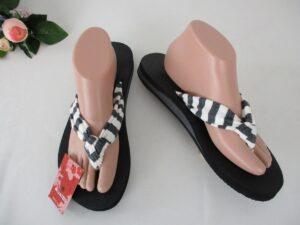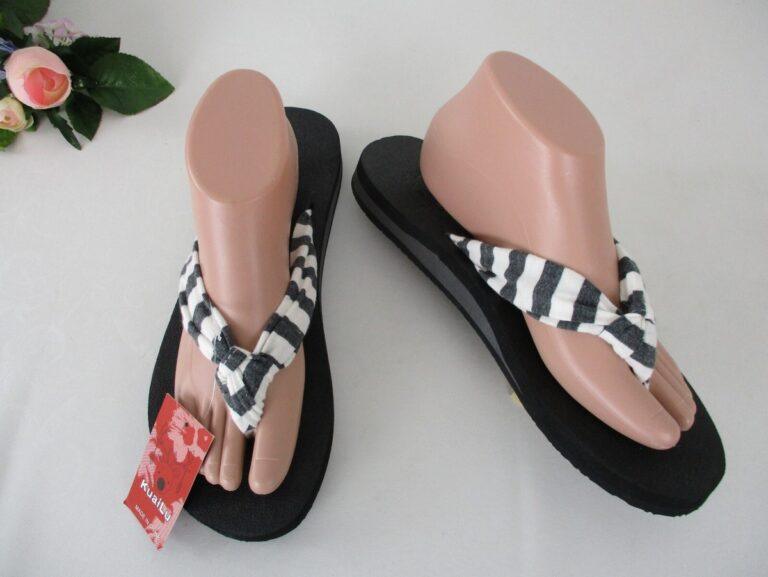
KuaiLu sandals are generally made in China, while the brand’s design and sales operations may be based elsewhere.
If you are asking where KuaiLu sandals are made before buying a pair, the clearest answer is China for many models. Still, country of origin can vary by style, batch, and supplier, so checking the sandal label and product box is the safest way to confirm. This guide explains what is known, how to verify it, and what the manufacturing location means for quality, comfort, and value.
Where Are KuaiLu Sandals Made?
KuaiLu sandals are generally manufactured in China. Many product listings and package details for KuaiLu shoes identify China as the manufacturing country, although the brand does not always publish a full factory list for every model.
The company may handle product design, material selection, branding, and sales in another country. This is common in the footwear industry. A brand can design a sandal in the United States, work with a factory in China, and sell the finished product through online stores.
So, the short answer to “where are KuaiLu sandals made?” is usually China. However, the answer should not be treated as a guarantee for every sandal ever sold under the KuaiLu name.

Is KuaiLu a Chinese Brand?
KuaiLu is widely associated with footwear made in China, but manufacturing location and brand ownership are not always the same thing. A shoe can be made in China without the brand itself being a Chinese company.
Online brand information about KuaiLu is limited compared with larger footwear companies. Public product pages often focus on comfort features, such as:
• Soft EVA or rubber footbeds
• Arch support
• Water-resistant materials
• Lightweight construction
• Flexible soles
• Casual beach and travel use
These details help explain the product, but they do not always reveal the company’s legal headquarters or every factory used for production.
When researching where KuaiLu sandals are made, separate these three terms:
- Brand location: Where the brand manages its business or design work.
- Manufacturing location: Where the sandals are cut, molded, assembled, and packed.
- Shipping location: Where the order is sent to the customer.
These locations can be different. A product may be made in China, stored in a U.S. warehouse, and delivered by a local carrier.

How Can You Confirm the Country of Origin?
The most reliable way to confirm where KuaiLu sandals are made is to inspect the specific pair you plan to buy. Product pages can contain errors, and marketplace listings may use old information.
Use this simple check:
- Look at the inside of the sandal or the bottom of the footbed.
- Check the cardboard tag, box, or plastic package.
- Find wording such as “Made in China” or “Country of Origin: China.”
- Compare the label with the exact model number.
- Ask the seller if the listing does not show the origin.
U.S. Customs and Border Protection requires imported goods to show their country of origin in many cases. The Federal Trade Commission also provides rules for “Made in USA” claims. These rules are useful because they help shoppers distinguish between a product’s marketing language and its actual manufacturing location.
A phrase such as “designed for” does not mean “made in.” Likewise, “American brand” does not mean the sandals were manufactured in the United States.

Why Are KuaiLu Sandals Made in China?
China has a large footwear industry with factories that produce sandals, sneakers, boots, and other shoes for brands around the world. These factories often have specialized equipment for molded foam, rubber soles, straps, adhesives, and synthetic materials.
Making KuaiLu sandals in China may help the brand control production costs. Lower costs can support features such as thicker footbeds, textured soles, and padded straps without pushing the retail price as high as some premium brands.
Common reasons footwear brands use Chinese factories include:
• Experienced shoe workers
• Large supply chains for foam and rubber
• High-volume molding equipment
• Access to packaging suppliers
• Established export systems
• Lower production costs than some markets
This does not automatically make a product good or bad. Factory quality depends on the design, materials, inspection process, and production standards. The country alone cannot tell you how comfortable or durable a sandal will be.

Does “Made in China” Mean KuaiLu Sandals Are Low Quality?
No. The phrase “Made in China” describes where the product was made. It does not, by itself, measure quality.
Many respected footwear brands manufacture some or all of their products in China. Quality can vary between factories and even between product lines from the same brand. A well-designed sandal with good materials can last for years, while a poorly inspected sandal can fail quickly.
When I assess budget sandals, I pay more attention to construction than to the country name. I look for clean joins, even molding, firm strap attachment, and a sole that bends in the right place. These small checks often tell you more than the label.
Before buying KuaiLu sandals, check for:
• Smooth edges around the footbed
• Firm straps with no loose stitching or glue
• A sole with clear tread
• No strong chemical smell
• Even left and right shapes
• A footbed that does not collapse too easily
• A return policy that covers defects
One mistake shoppers often make is judging quality from photos alone. A sandal may look thick and supportive online but feel soft or narrow in person. A flexible return policy protects you from that risk.
What Materials Are Used in KuaiLu Sandals?
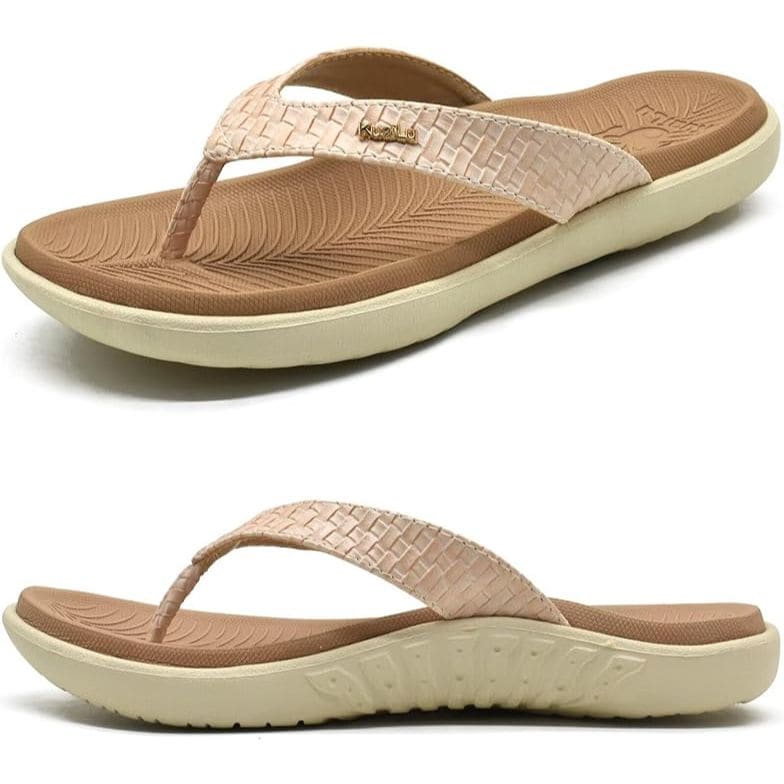
KuaiLu models can use different combinations of synthetic materials. Exact materials vary by product, so read the listing for the pair you want.
Common materials may include:
EVA Foam
EVA is a light foam used in many casual sandals. It can feel soft under the foot and may resist water. However, very soft EVA can compress with heavy use.
Rubber
Rubber is often used for outsoles because it can provide grip and better wear resistance. Rubber may add weight, but it can help a sandal feel more stable.
Synthetic Leather
Some sandals use synthetic leather on the straps or upper. It is usually easier to clean than natural leather and costs less. It may still crack or peel if exposed to heat, salt, or rough use for long periods.
Fabric or Mesh
Fabric straps can feel soft and breathable. They may take longer to dry after swimming or heavy rain.
Material names matter because they affect comfort, drying time, odor, and lifespan. If you need sandals for travel, consider how quickly they dry. If you need them for long walks, focus more on footbed support and outsole grip.

Are KuaiLu Sandals Good for Walking?
KuaiLu sandals may work well for casual walking, travel, beach trips, and daily errands. Their suitability depends on the model and your feet.
A sandal with a shaped footbed and firm sole may feel better than a flat flip-flop. Arch support can also help some people feel less tired during light walking. Still, no sandal is ideal for every foot or activity.
Use extra care if you plan to walk long distances. Test the sandals at home first and check for:
• Heel slipping
• Toe gripping
• Rubbing near the straps
• Lack of arch contact
• A sole that twists too much
• Pain in the heel, arch, or ball of the foot
A sandal should support your natural stride rather than make your toes work to hold it in place. For hiking, running, work, or uneven trails, choose footwear designed for that activity instead of relying on casual beach sandals.
:max_bytes(150000):strip_icc()/rsp-flip-flop-one-off-tout-40a6461215a644bd8470b29ea022b25c.jpg)
Are KuaiLu Sandals Waterproof?
Some KuaiLu sandals may be water-friendly, but “water-resistant,” “quick-drying,” and “waterproof” do not mean the same thing.
A water-friendly sandal can usually handle splashes, light rain, or a wet pool deck. A waterproof sandal is designed to block water more fully. Even then, straps, seams, glue, and footbeds may absorb moisture.
If you use KuaiLu sandals near water:
- Rinse away salt, sand, or chlorine.
- Let them air-dry in a shaded place.
- Avoid placing them on a heater or in direct high heat.
- Remove dirt from the tread before it hardens.
- Check the straps and glue after repeated water exposure.
Heat can warp foam and weaken adhesives. Proper care can extend the life of sandals made in China or anywhere else.

How Does Manufacturing Location Affect Price?
The manufacturing location can affect the cost of labor, materials, shipping, duties, and packaging. It is only one part of the final price.
A lower price does not always mean a cheap product. Some brands keep prices down through online sales, simple packaging, large production runs, or limited retail overhead. On the other hand, a low price can sometimes reflect thinner materials or less detailed quality control.
When comparing KuaiLu sandals with other brands, compare the full package:
• Footbed shape
• Strap comfort
• Sole thickness
• Grip pattern
• Warranty or return terms
• Customer reviews over time
• Shipping and import costs
• Available sizes
The best value is not always the lowest price. A slightly more expensive sandal may be cheaper over time if it lasts longer and causes fewer comfort problems.
How Reliable Are Online Claims About KuaiLu Sandals?
Online information about KuaiLu can be inconsistent. Marketplace sellers may reuse descriptions, list incorrect origin details, or combine several models under one page.
That is why it helps to use a source hierarchy. Trust information in this order:
- The physical product label.
- The official product page for the exact model.
- The original package or invoice.
- A direct answer from the seller.
- Marketplace descriptions and customer comments.
Customer reviews are useful for comfort and sizing, but they are not always reliable for country of origin. Reviewers may discuss different versions of the same sandal. Some may also confuse the seller’s location with the manufacturing location.
For accurate research, record the model name, color, size, and listing date. Product details can change between production runs.
What I Learned From Reviewing Footwear Manufacturing Details
One practical lesson from researching shoes is that origin questions often hide a second question: “Can I trust this product?”
Shoppers usually want to know if the sandals are safe, durable, comfortable, and worth the price. The country label is a useful starting point, but it is not the final answer.
I recommend checking the actual pair as soon as it arrives. Walk on a clean indoor floor for several minutes. Inspect the sole and straps. If the sandal feels unstable, rubs your skin, or differs from the listing, return it before wearing it outdoors.
Another common mistake is ignoring fit because the sandal looks attractive. Feet swell during the day, especially in warm weather. Try sandals in the afternoon and leave enough room around your toes and heel.
Buying Tips for KuaiLu Sandals
Use these tips before placing an order:
• Choose the exact model, not only the brand name.
• Read the size chart instead of guessing from your usual size.
• Check whether the footbed is narrow, wide, flat, or contoured.
• Look for recent reviews with photos.
• Confirm the seller’s return policy.
• Ask about the country of origin if it is not listed.
• Inspect the sandals before outdoor use.
• Keep the box and order details until you are satisfied.
If you have diabetes, reduced sensation, severe flat feet, or a history of foot pain, ask a qualified health professional for footwear advice. A casual sandal may not provide the support or protection you need.
Frequently Asked Questions About Where Are KuaiLu Sandals Made
Are KuaiLu sandals made in China?
Many KuaiLu sandals are made in China. The exact country can vary by model or production batch, so check the label, package, or product page for the pair you plan to buy.
Is KuaiLu an American sandal brand?
KuaiLu sandals are sold to U.S. customers, but public information about the brand’s ownership and headquarters is limited. Selling in the United States does not mean the sandals are manufactured there.
Are KuaiLu sandals safe to wear?
KuaiLu sandals can be safe for normal casual use when they fit well and are free from defects. Stop wearing them if you notice broken straps, sharp edges, strong irritation, or an unstable sole.
Do KuaiLu sandals contain real leather?
Some KuaiLu models may use synthetic materials rather than genuine leather. Check the material description for the exact model because construction can differ across the product range.
Can KuaiLu sandals get wet?
Many styles can handle light water exposure, but not every model is fully waterproof. Rinse them after contact with salt or chlorine and let them dry naturally away from strong heat.
How can I verify where my KuaiLu sandals were made?
Look inside the sandal, under the footbed, on the box, or on the product tag. If the information is missing, contact the seller and request the country-of-origin details for the exact model.
Conclusion
KuaiLu sandals are generally made in China, but the exact origin can depend on the model and production batch. The best way to confirm where KuaiLu sandals are made is to check the physical label, package, and official listing for the exact pair.
Manufacturing in China does not automatically indicate poor quality. Judge the sandal by its fit, materials, sole grip, strap strength, comfort, and return policy. Before buying, compare the size chart and inspect the sandals indoors when they arrive. If you have used KuaiLu sandals, share your model and experience in the comments to help other shoppers make an informed choice.

Madison Clark is a footwear expert and the voice behind MyStyleGrid.com. She specializes in honest shoe reviews, style tips, and practical guides to help readers find the perfect pair for any occasion. With years of experience in blogging and content creation, Madison makes footwear knowledge simple, stylish, and easy to follow.