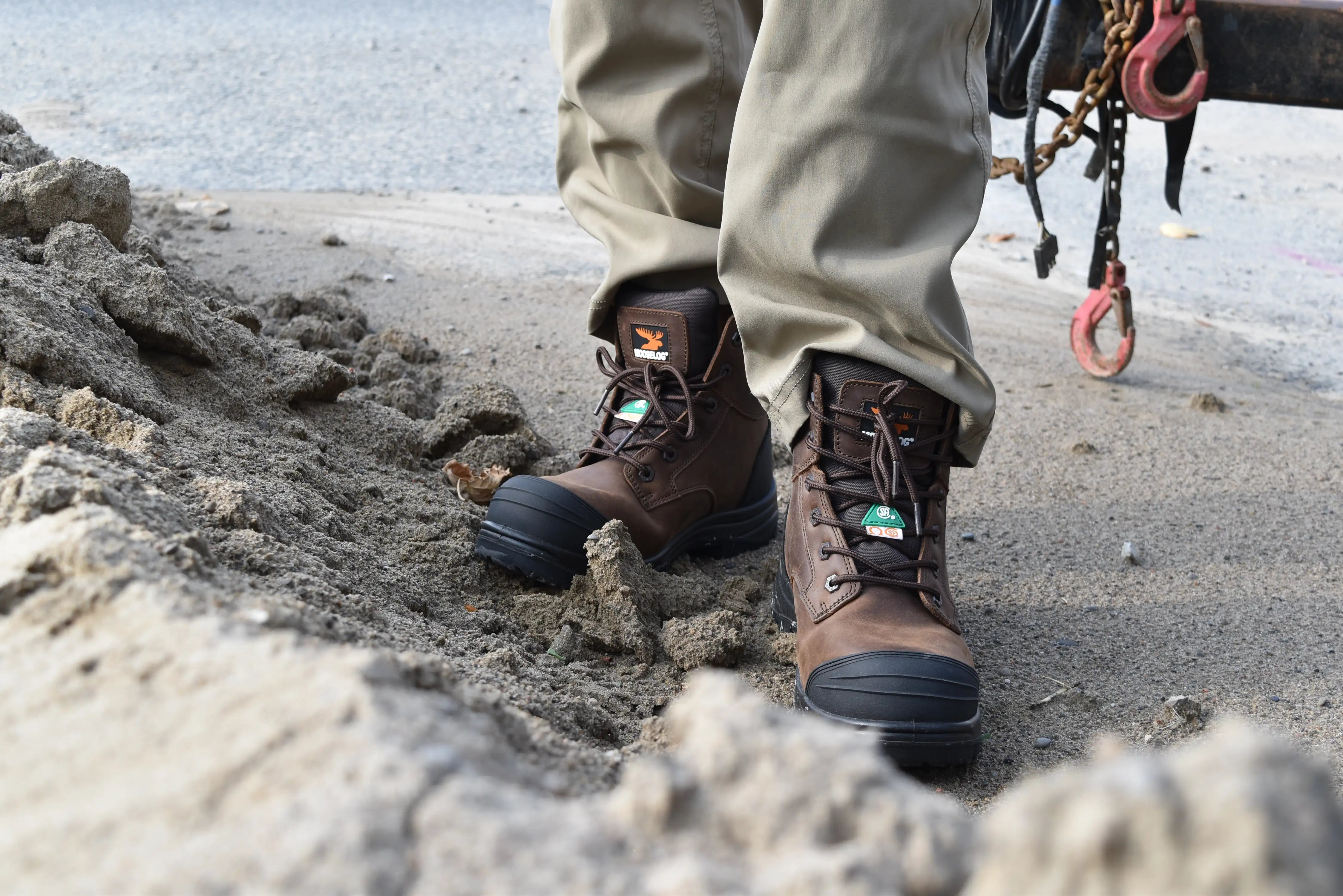
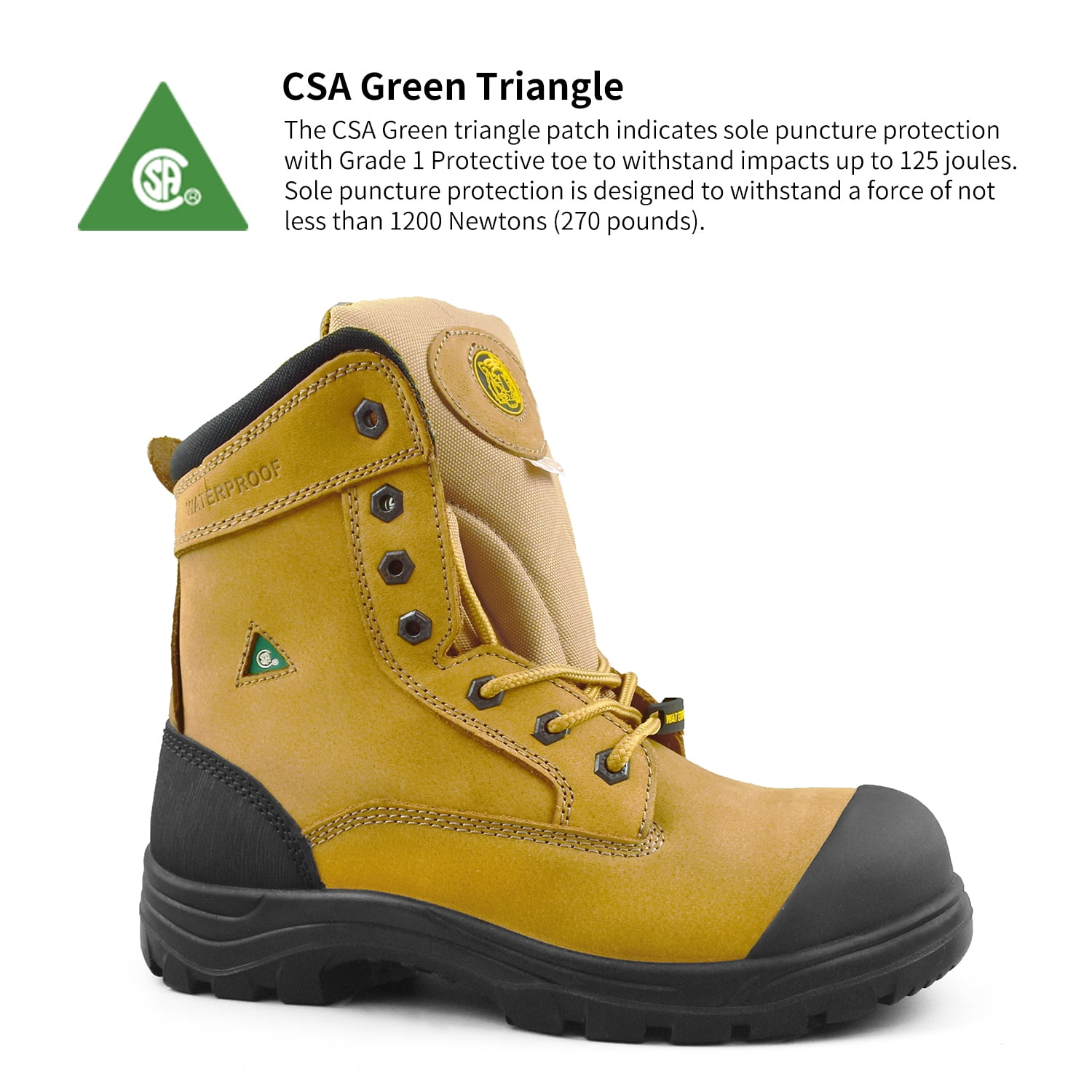
A green triangle on work boots usually means CSA-approved toe protection plus a puncture-resistant sole.
If you work around nails, sharp metal, heavy tools, or rough job sites, this small symbol matters. The green triangle meaning on work boots comes mainly from Canadian Standards Association footwear markings, not from a universal U.S. boot code. This guide explains what the symbol protects against, what it does not cover, and how to choose the right safety boot with confidence.
What Does the Green Triangle Mean on Work Boots?
The green triangle on work boots usually shows that the footwear meets a CSA safety classification for:
• Protective toe protection
• A puncture-resistant sole
• Protection against common impact and compression hazards
In simple terms, the green triangle means the boot has both a safety toe and a protective plate or layer in the sole. That combination helps protect your feet from falling objects above and sharp objects below.
The green triangle meaning on work boots is tied to CSA Standard Z195, which covers protective footwear in Canada. The marking is most common on boots sold for construction, industrial work, mining, utility work, and other jobs with foot hazards.
It is important to understand that the green triangle is not a general symbol used by every safety footwear system. A boot made only to U.S. ASTM standards may use different labels, such as ASTM F2413 markings inside the tongue or on the product label.

What Protection Does the Green Triangle Provide?
The green triangle represents two main types of protection. Both are useful, but they solve different problems.
Toe impact and compression protection
The toe cap protects your toes when a heavy object falls or rolls onto the front of the boot. Common examples include:
• Dropped hand tools
• Falling lumber
• Metal parts
• Construction blocks
• Heavy boxes
• Rolling equipment
CSA Grade 1 toe protection is generally designed for higher impact and compression risks than Grade 2 protection. CSA testing includes impact energy and compression force tests to check whether the toe area protects the foot.
The toe cap may be made from steel, aluminum, or a composite material. The green triangle does not always tell you which material the manufacturer used. Check the boot specifications if weight, temperature, or metal detection is important.
Puncture-resistant sole protection
The sole protection helps reduce the risk of a sharp object piercing through the bottom of the boot. This may include a nail, screw, shard of metal, or piece of broken glass.
A puncture-resistant plate can be made from steel or a nonmetal material. Steel plates are tough and widely used. Textile plates can be lighter and more flexible, but their performance depends on the design and certification.
The green triangle meaning on work boots includes this underfoot protection. However, it does not make the boot impossible to pierce. A badly worn sole, a damaged plate, or a sharp object entering from the side can still create a hazard.
Why Is the Green Triangle Important on a Job Site?
Foot injuries can happen in seconds. A dropped wrench or hidden nail may not look dangerous until it reaches your foot. Safety footwear creates a barrier between your body and the work surface.
The green triangle meaning on work boots is especially useful on sites where both top and bottom hazards exist. For example, a framing worker may face falling materials and exposed nails in the same area.
This symbol can be valuable for:
• Construction workers
• Roofers
• Carpenters
• Electricians
• Warehouse staff
• Mechanics
• Factory workers
• Miners
• Demolition crews
• Utility workers
Still, a green triangle does not mean the boot meets every safety need. It does not automatically confirm electrical protection, slip resistance, heat resistance, chemical resistance, or waterproofing.
Think of the symbol as one part of a safety plan. It is like a helmet on a job site: useful and often essential, but not a replacement for safe work habits.
Green Triangle vs. Other Safety Boot Symbols
Safety footwear can carry several symbols. Learning the difference helps you avoid buying the wrong boot.
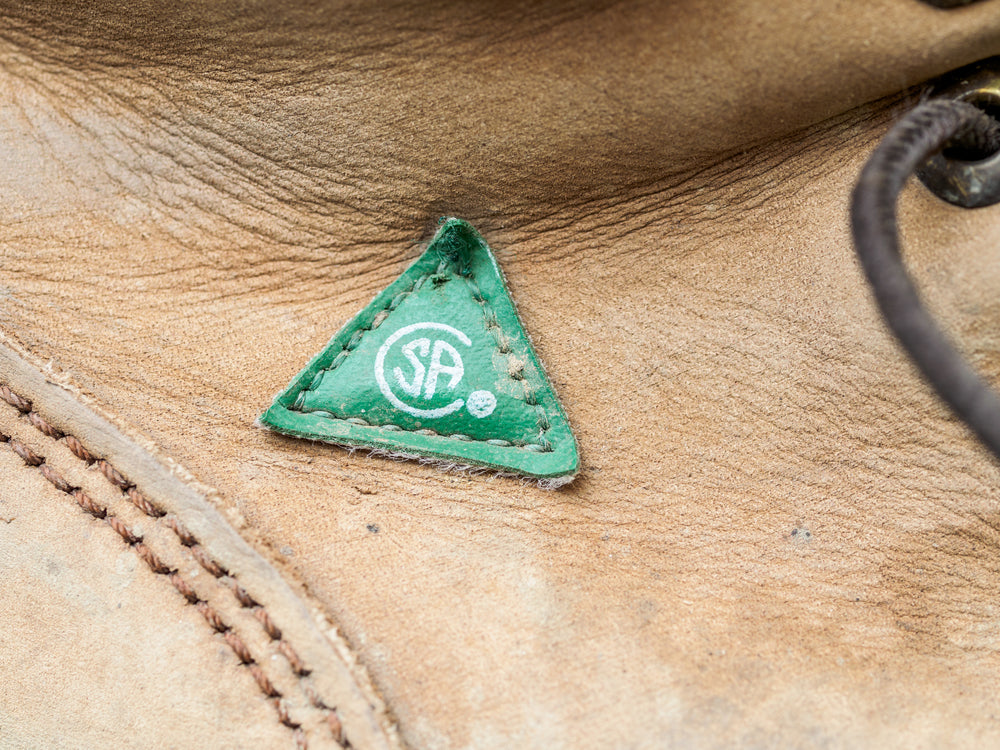
Green triangle
The green triangle generally means:
• Grade 1 protective toe cap
• Puncture-resistant sole
• CSA-certified protective footwear classification
This is the symbol most people mean when they ask, “What does the green triangle mean on work boots?”
Blue square
A blue square commonly identifies footwear with CSA Grade 2 toe protection. It does not normally provide the same puncture protection shown by the green triangle.
Grade 2 boots may work for lower-risk tasks. They may not be suitable for construction areas where nails and sharp debris are common.
Yellow rectangle with a black omega
This symbol indicates electric shock-resistant footwear under the CSA system. It relates to electrical hazards, not puncture protection.
A green triangle alone does not mean a boot is electrically rated. If you work near live circuits, read the electrical rating and employer requirements carefully.
White rectangle with a green fir tree
This marking relates to chainsaw protection. It indicates specialized protection against chainsaw cuts in the boot area.
A green triangle does not provide chainsaw protection unless the boot also carries the proper chainsaw symbol and certification.
Red rectangle with a letter C
This symbol is associated with conductive footwear. Conductive boots help control static electricity in specific work settings. They are not the same as electrical hazard-resistant boots.
Do not choose conductive footwear for electrical work unless a qualified safety professional specifically approves it.
Is the Green Triangle the Same as an ASTM Safety Toe?
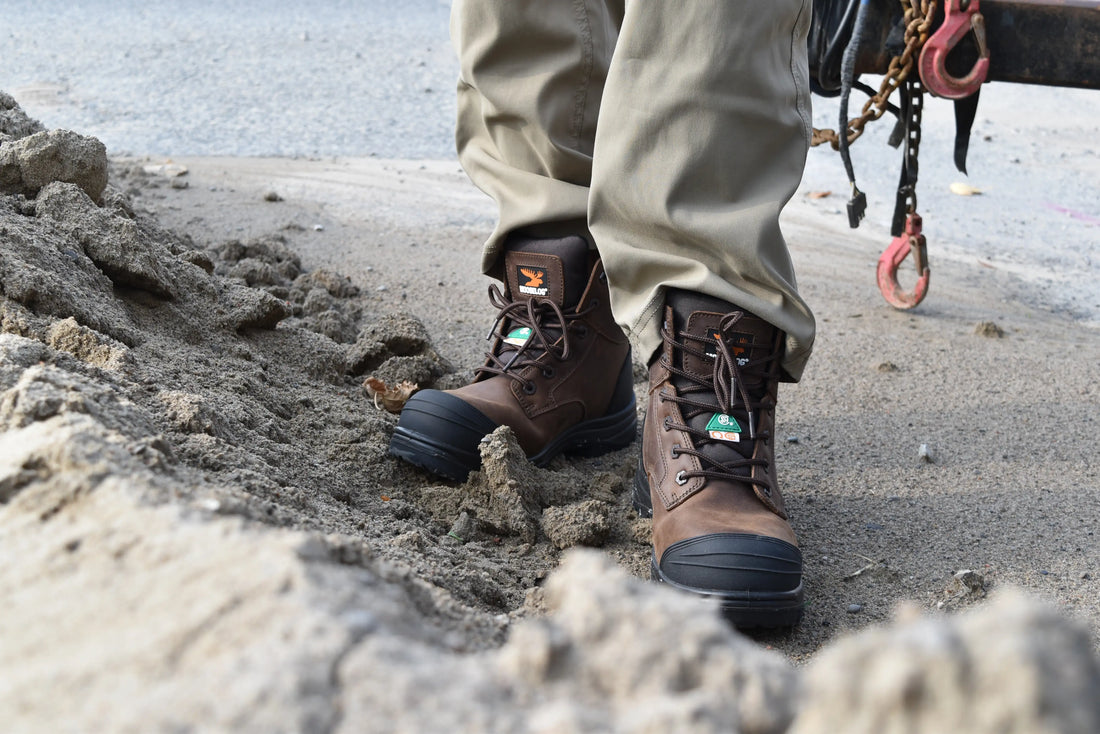
No. The green triangle and ASTM safety-toe markings belong to different footwear standards.
CSA standards are widely used in Canada. In the United States, protective footwear often follows ASTM F2413, with testing based on requirements for impact, compression, puncture resistance, electrical hazard protection, and other features.
A U.S. boot may provide the same type of protection as a CSA green triangle boot but show different markings. Look for information such as:
• ASTM F2413
• M/I/C ratings
• PR for puncture resistance
• EH for electrical hazard resistance
• Metatarsal protection markings
• Manufacturer safety labels
The green triangle meaning on work boots should not be used as the only way to judge a boot sold in the United States. Always match the boot’s certification to your employer’s rules and local regulations.
The Occupational Safety and Health Administration requires protective footwear when employees face hazards such as falling or rolling objects, objects that can pierce the sole, or electrical dangers. OSHA points employers toward recognized consensus standards, but the exact boot choice should come from a job hazard assessment.
What the Green Triangle Does Not Mean
Many shoppers see the symbol and assume the boot protects against every workplace danger. That is not correct.
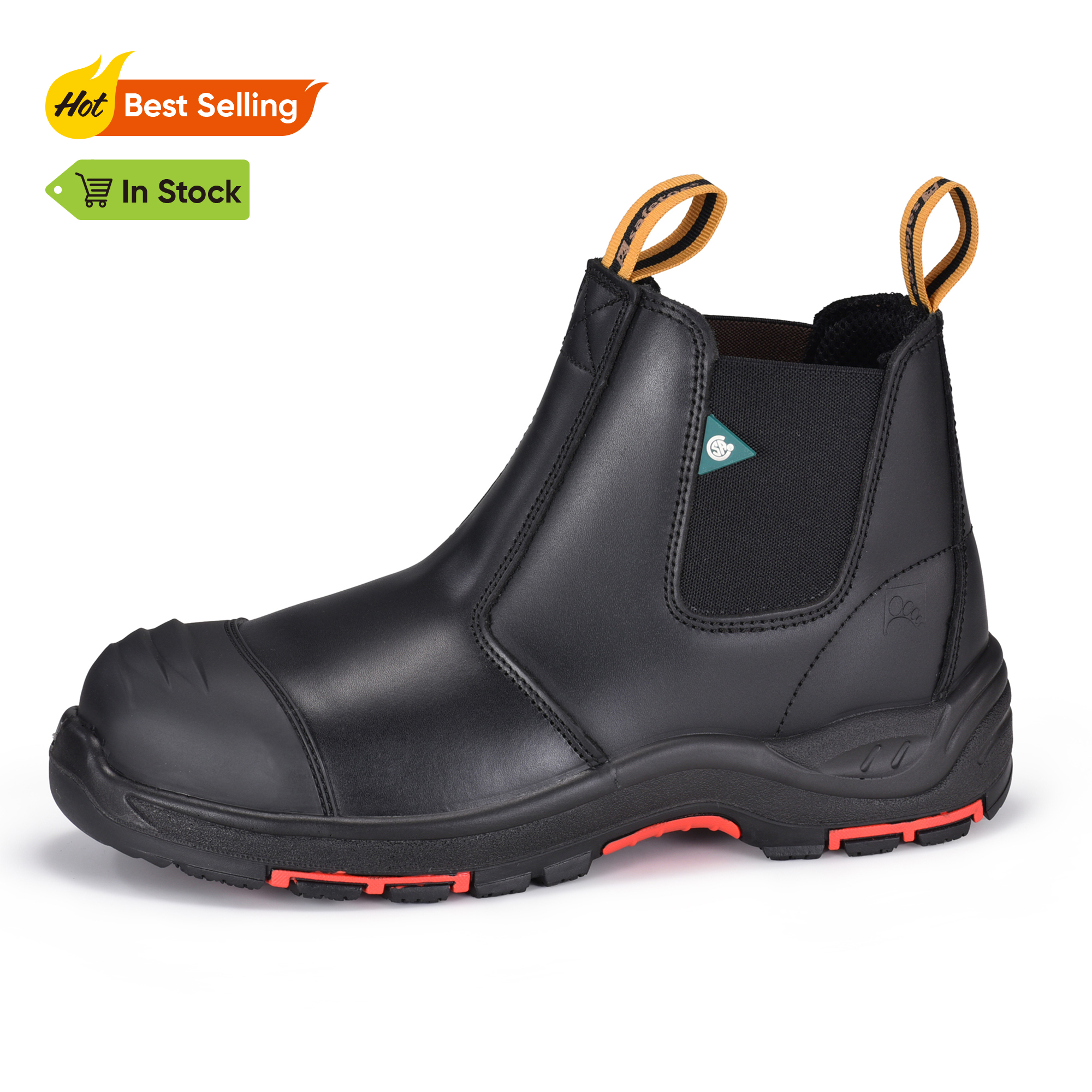
The green triangle does not automatically mean the boot is:
• Waterproof
• Slip-resistant
• Oil-resistant
• Heat-resistant
• Chemical-resistant
• Electrical hazard-resistant
• Static-dissipative
• Metatarsal-rated
• Chainsaw-resistant
• Comfortable for long shifts
A boot can have a green triangle and still have a smooth outsole that performs poorly on wet tile. It can also have a safety toe but lack insulation for cold weather.
I have seen people focus on the safety symbol and ignore the outsole, fit, and boot condition. That is a costly mistake. A certified boot that does not fit well may cause blisters, fatigue, and poor balance.
Read the full product label. Look for separate details about waterproof membranes, outsole traction, insulation, electrical ratings, and chemical use.
How to Check Whether a Green Triangle Is Genuine
A printed triangle alone should not be your only proof of certification. Reliable manufacturers provide more information.
Use this checklist:
- Check the tongue, lining, or inside label for the CSA standard.
- Look for the manufacturer’s model number.
- Confirm the product description lists toe and puncture protection.
- Review the care and safety instructions.
- Compare the boot with your employer’s approved footwear list.
- Contact the manufacturer if the symbol looks unclear or incomplete.
- Replace boots if the sole, toe area, or protective parts are damaged.
The green triangle meaning on work boots is strongest when it appears with a clear certification label and model information. Be cautious with unbranded boots, vague online listings, and products that claim to be “safety style” without naming a standard.
Certification also applies to the tested boot design. Changing the sole, cutting the boot, removing protective parts, or using an unapproved insert may affect its protective performance.

How to Choose the Right Green Triangle Work Boots
Start with the hazards you face each day. Do not start with color, brand, or appearance.
Identify the main risks
Ask yourself:
• Could something fall on my toes?
• Could a nail or sharp object pierce the sole?
• Will I work near electricity?
• Is the floor wet, oily, icy, or uneven?
• Will I face heat, sparks, chemicals, or cold?
• Do I climb ladders or walk many miles each shift?
If the answer includes falling objects and sharp ground hazards, the green triangle may be the right CSA marking.
Check the fit
Try boots on with the socks you wear at work. Your toes should move freely without touching the safety cap. Your heel should stay in place while you walk.
A useful fit check is to stand, bend your knees, and walk down a slope if the store allows it. Make sure the boot does not pinch across the toe box or rub the ankle.
Inspect the outsole
A puncture-resistant plate does not guarantee good traction. Look for a tread pattern made for your surface.
Deep lugs may work well outdoors but feel awkward on smooth indoor floors. A flatter, oil-resistant outsole may be better for a shop or warehouse.
Consider weight and temperature
Steel-toe boots can feel heavier than composite-toe designs. Composite toes may feel warmer in cold conditions because they do not conduct heat as quickly as metal.
However, composite does not automatically mean better. The right choice depends on the job, climate, employer rules, and boot construction.

Care Tips for Green Triangle Safety Boots
Good care helps preserve comfort and performance, although it cannot extend a boot forever.
Follow these habits:
• Clean mud and metal dust from the outsole.
• Dry wet boots at room temperature.
• Avoid placing leather boots directly beside a heater.
• Use the conditioner recommended by the manufacturer.
• Check the sole for cracks, deep cuts, and severe wear.
• Inspect the toe area for dents or separation.
• Replace damaged laces and loose insoles.
• Stop using the boot after a serious impact if the protective toe may be damaged.
Do not drill into the sole or cut the boot to improve comfort. Do not assume a thick aftermarket insole adds safety protection.
One practical lesson is simple: inspect your boots before the shift, not after an injury. A quick look can reveal a split sole, exposed plate, or worn tread that is easy to miss when you are rushing out the door.

Common Mistakes to Avoid
The first mistake is assuming every green triangle has the same meaning worldwide. The symbol is mainly associated with CSA footwear requirements, so regional standards matter.
The second mistake is buying a boot based only on the toe cap. A safety toe does not protect against punctures, slips, electricity, or chemicals unless the boot has separate ratings for those risks.
The third mistake is wearing damaged footwear. A crushed toe cap, cracked sole, or separated upper may reduce protection and stability.
The fourth mistake is choosing comfort after safety. Comfort matters, but it should come after you confirm the required certification and hazard protection.
The fifth mistake is ignoring workplace policy. Your employer may require a specific CSA or ASTM rating, defined sole type, ankle height, or color. When in doubt, ask the safety manager before buying.
Frequently Asked Questions About What Does the Green Triangle Mean on Work Boots
Does a green triangle mean the boots are steel toe?
No. The green triangle confirms a certified protective toe, but the toe cap may be steel, aluminum, or composite. Check the manufacturer’s specifications to identify the material.
Does the green triangle mean the boots are puncture-proof?
No. It means the boots have tested puncture-resistant sole protection under the applicable CSA classification. No work boot is completely puncture-proof, especially after heavy wear or damage.
Are green triangle boots good for construction?
They can be a strong choice for construction because they usually combine toe protection with puncture-resistant soles. You should still check for slip resistance, waterproofing, electrical protection, and any rating required by your employer.
Is a green triangle required in the United States?
Not usually. U.S. employers commonly use ASTM-rated footwear, while the green triangle is associated mainly with CSA standards. Follow the safety standard listed in your workplace policy and local regulations.
Can I use green triangle boots for electrical work?
Not based on the green triangle alone. Electrical protection requires a separate electrical rating, such as the appropriate CSA marking or ASTM electrical hazard designation.
Does the green triangle show the boots are slip-resistant?
No. Slip resistance is a separate feature. Check the outsole description and select a tread designed for wet, oily, icy, or smooth surfaces.
How long do green triangle work boots last?
There is no fixed lifespan. Replace them when the tread is worn, the sole is cracked, the toe area is damaged, or the boot no longer fits securely and protects your feet.
Conclusion
The green triangle meaning on work boots is clear: it generally identifies CSA-certified footwear with Grade 1 toe protection and a puncture-resistant sole. It is designed for work where falling objects and sharp ground hazards can threaten your feet.
The symbol does not prove that a boot is waterproof, slip-resistant, electrically rated, or suitable for every job. Check the full certification label, match the boot to your hazards, and inspect it often.
Choose protection first, then focus on fit, traction, comfort, and durability. If this guide helped, compare your current boots with your workplace requirements and share your questions or experience with safety footwear.

Madison Clark is a footwear expert and the voice behind MyStyleGrid.com. She specializes in honest shoe reviews, style tips, and practical guides to help readers find the perfect pair for any occasion. With years of experience in blogging and content creation, Madison makes footwear knowledge simple, stylish, and easy to follow.