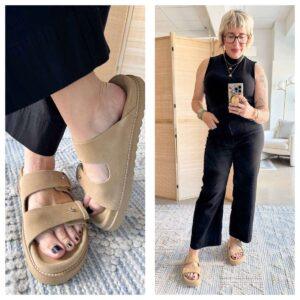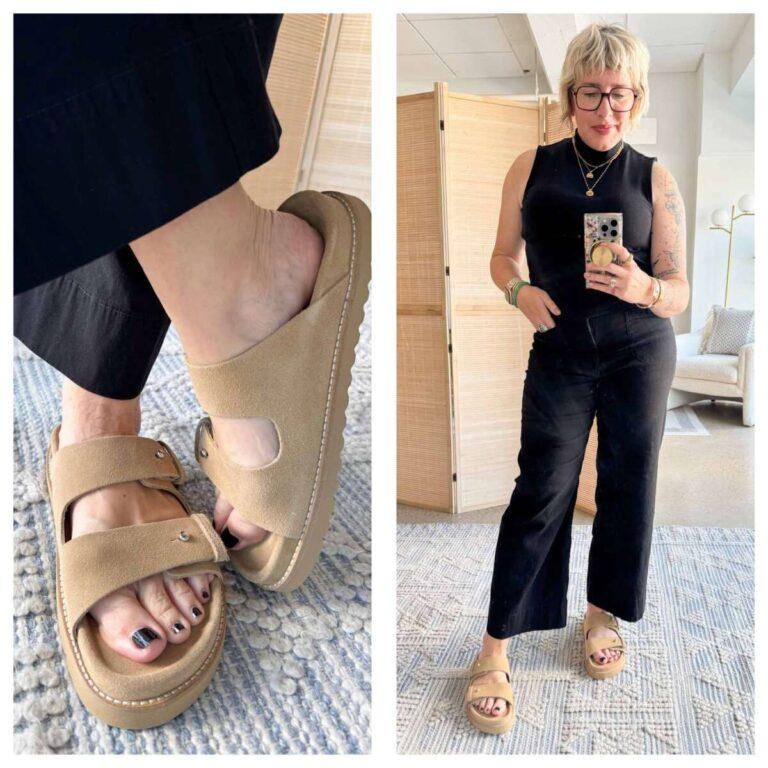
The most comfortable sandals for bunions have a wide toe box, soft straps, strong support, and enough room for natural foot movement.
Finding comfortable sandals for bunions is not just about choosing a soft pair. The right sandals must reduce pressure on the big-toe joint, support your arch, and stay stable as you walk. This guide explains which features matter most, which sandal styles tend to work well, and how to avoid pairs that may worsen bunion pain.
What Makes Sandals Comfortable for Bunions?
A bunion is a bony bump that forms at the base of the big toe. It develops when the big toe moves toward the other toes and the joint shifts outward. Tight shoes, foot shape, genetics, arthritis, and poor alignment may all play a role.
The most comfortable sandals for bunions give the front of your foot space to spread. They should not press against the bunion or force the big toe inward.
Look for these key features:
• A wide or extra-wide toe box that does not squeeze the toes
• Soft, flexible straps that avoid rubbing the bunion
• Adjustable closures for a custom fit
• A cushioned footbed that reduces impact
• Firm arch support for better weight distribution
• A stable sole with good grip
• A low heel or flat, well-cushioned design
A sandal can feel soft in the store and still cause pain after an hour. Comfort comes from the full design, not just from padding.

The Most Comfortable Sandal Styles for Bunions
Different sandal styles suit different feet. A person with a mild bunion may need only a roomy toe area, while someone with swelling or severe pain may need extra depth and adjustable straps.
Wide-Strap Walking Sandals
Wide-strap walking sandals are often a strong choice for daily use. Their straps spread pressure over a larger area instead of digging into one small spot.
Choose a pair with straps that sit above or below the bunion. Avoid any strap that crosses directly over the bump.
Sport Sandals
Sport sandals usually offer a secure fit, cushioned soles, and adjustable hook-and-loop straps. These features help reduce sliding, which can create rubbing and hot spots.
They are useful for travel, errands, and light outdoor walks. However, check the toe area carefully. Some sport sandals have a narrow front even when the rest of the shoe feels roomy.
Orthopedic Sandals
Orthopedic sandals often include a contoured footbed, heel cup, arch support, and adjustable straps. The most comfortable sandals for bunions in this group allow the foot to sit naturally without pushing the big toe inward.
Some orthopedic designs look more casual than fashionable. Still, newer options include simple slides, leather sandals, and walking styles that work with everyday clothing.
Adjustable Slides
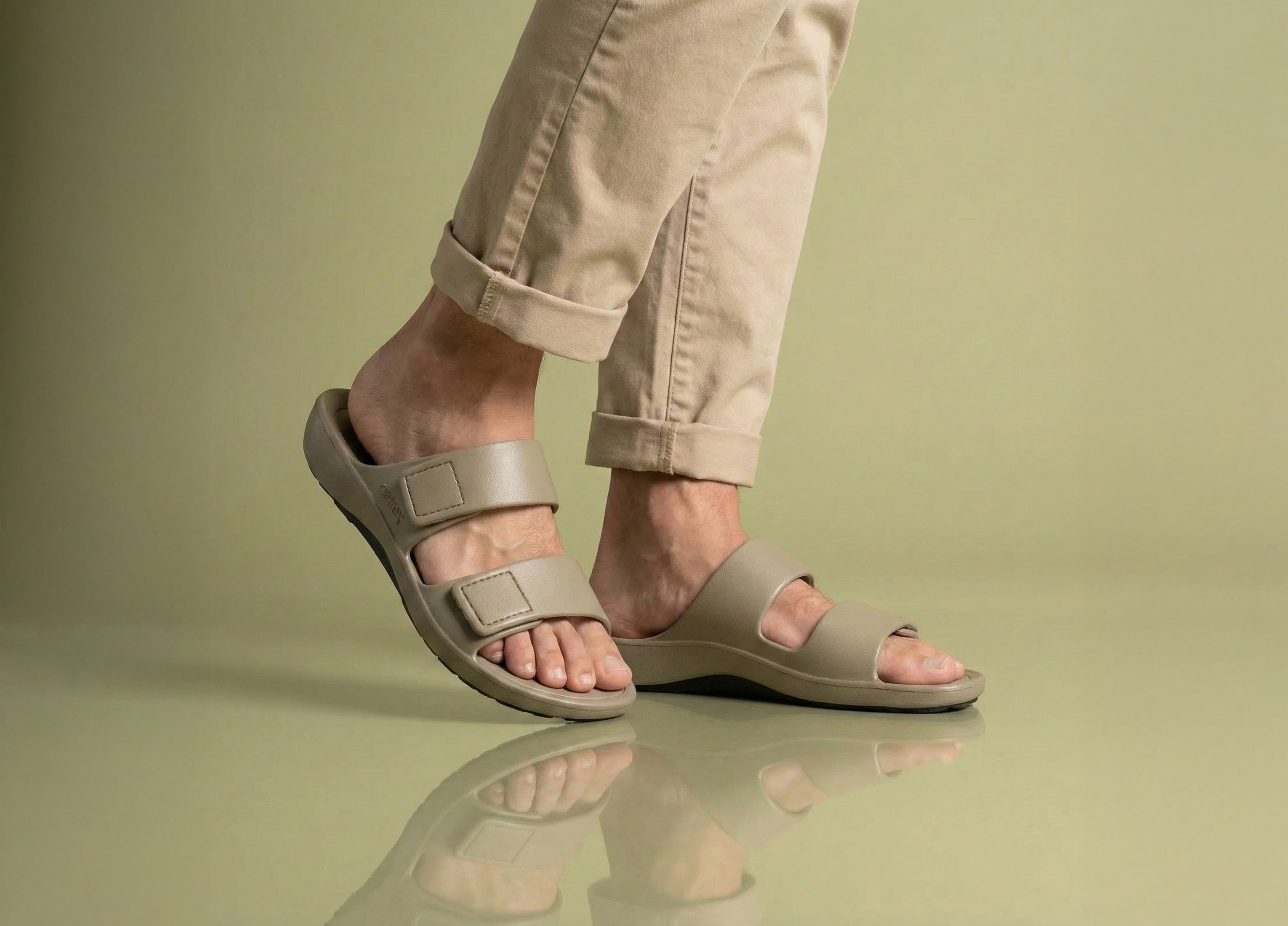
Adjustable slides can work well when the upper strap is soft and the footbed supports the arch. They are easy to put on and may suit swollen feet.
Avoid loose, flat slides with no structure. If your toes must grip the sole to keep the sandal in place, your feet may tire quickly.
Soft Leather Sandals
Soft leather can mold to the foot over time. It may feel less harsh than stiff synthetic material, especially around a sensitive bunion.
Leather is not automatically comfortable, though. A narrow leather sandal can still create strong pressure. Always check the toe shape, strap location, and sole support.
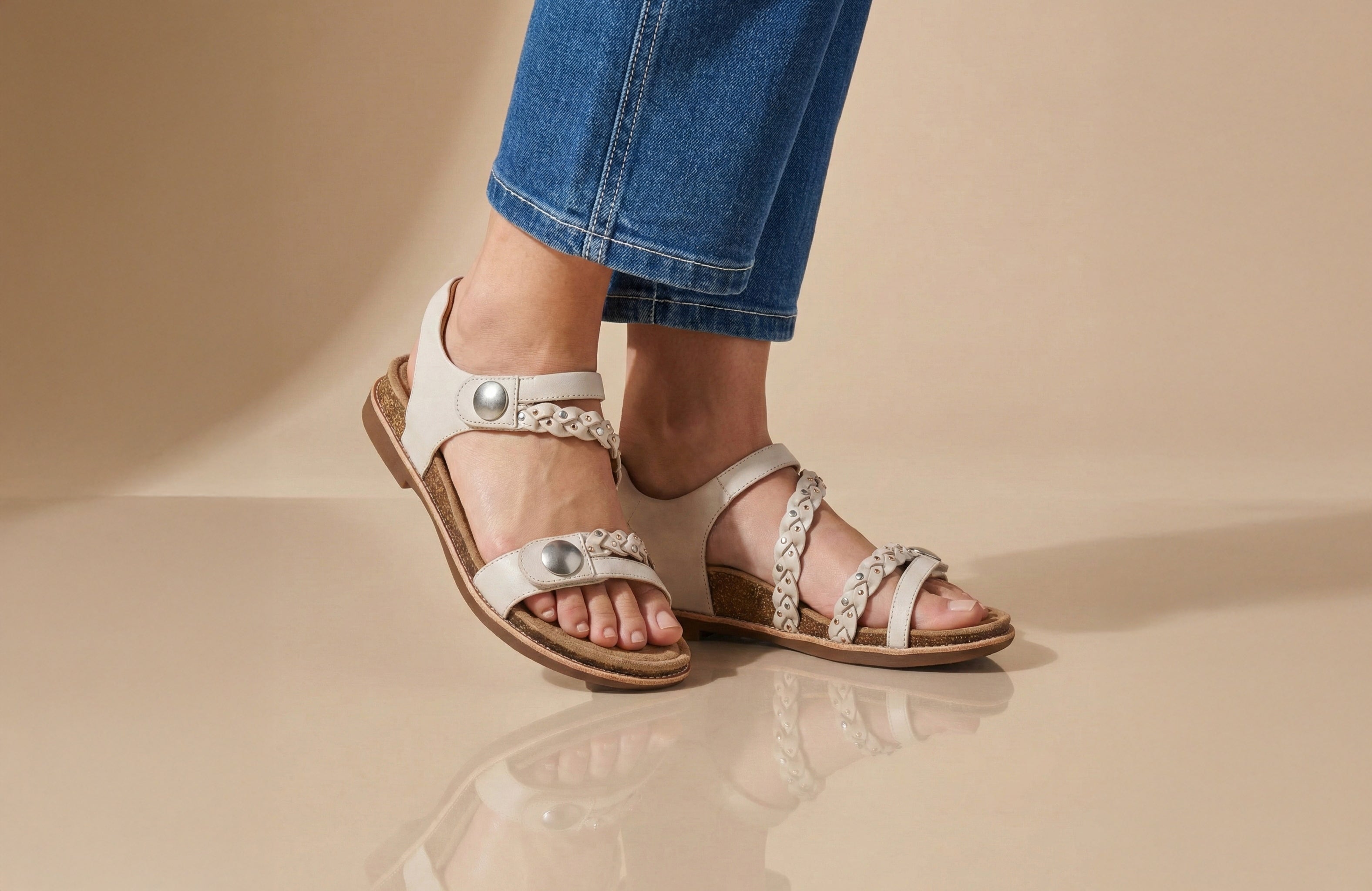
Features to Look for When Buying Bunions Sandals
Shopping for bunion-friendly sandals becomes easier when you know what to inspect. Think of each feature as part of a small support system for your feet.
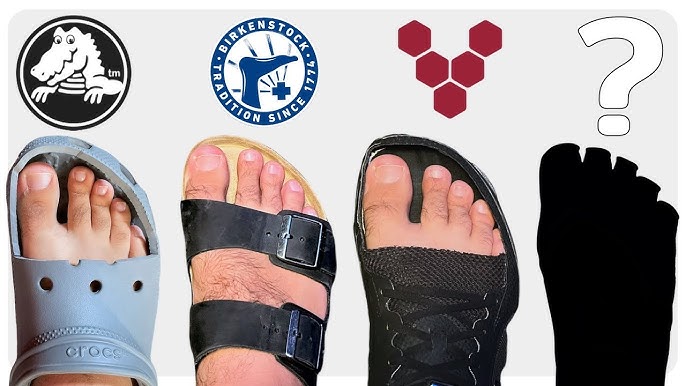
A Wide Toe Box
The toe box should let your toes rest in their natural position. Your big toe should not touch the side of the sandal, and your little toes should not hang over the edge.
Measure your feet at the end of the day. Feet often swell after hours of standing, so a sandal that fits in the morning may feel tight later.
Adjustable Straps
Adjustable straps are especially helpful if your feet swell or if one foot is larger than the other. They let you change the fit without pressing hard on the bunion.
Hook-and-loop closures are easy to adjust. Buckles can also work, but make sure they do not sit over the sore joint.
Cushioning
Cushioning helps soften the force created by walking on hard floors or pavement. Look for a footbed that feels supportive rather than overly soft.
Very soft foam may feel pleasant at first but can compress quickly. A balanced footbed should cushion the heel and ball of the foot while still keeping the foot stable.
Arch Support
Good arch support can reduce stress across the foot. It may also help prevent the foot from rolling inward, a movement that can increase pressure near the big-toe joint.
Arch support should feel comfortable, not sharp. If it creates a hard lump under your arch, the sandal may not match your foot shape.
A Stable Sole
A stable sole helps the foot move with less twisting. Look for a sole that bends near the toes but does not fold in half through the middle.
A slip-resistant outsole is also important. Small slips can make you grip with your toes, which may increase foot fatigue.
A Low Heel
High heels shift more weight toward the front of the foot. This can increase pressure on the bunion and the ball of the foot.
For many people with bunions, a low heel or level sole is more comfortable. If you prefer some height, choose a broad, stable heel and a roomy front.

Sandal Materials That May Reduce Irritation
Material matters because bunions often react badly to pressure and friction. The best material depends on your skin, climate, and activity.
• Soft leather can flex and soften with wear
• Stretch fabric may adapt to mild swelling
• Cushioned mesh can improve airflow during warm weather
• Smooth synthetic material may be easy to clean
• Seam-free linings can reduce rubbing
Avoid rough edges, stiff plastic, exposed seams, and hard straps. These details may seem minor, but repeated rubbing can lead to blisters, redness, and skin damage.
If your skin is sensitive, inspect the inside of the sandal with your fingers. A smooth outer surface does not guarantee a smooth inner surface.

Sandal Styles to Avoid With Bunions
Some sandals make bunion symptoms worse because they increase pressure, friction, or instability. You do not need to avoid every fashionable style, but you should understand the risks.
Narrow Strappy Sandals
Thin straps may look elegant, but they can act like tight bands around the foot. A strap that crosses the bunion may cause pain within minutes.
If you like strappy sandals, choose wide, soft straps with adjustable spacing. Make sure no strap traps the big toe in a forced position.
Pointed-Toe Sandals
Pointed fronts push the toes toward the center. This shape leaves little room for a bunion and may increase pressure on the joint.
A rounded or square toe shape is usually more forgiving. The front should match the shape of your foot, not squeeze it into a fashion shape.
High-Heeled Sandals
High heels shift body weight forward. They can increase pressure beneath the big toe and may make walking less stable.
If you wear heels for a special event, choose the lowest heel that meets your needs. Limit walking time, and bring a roomy backup pair.
Flat, Unsupportive Flip-Flops
Basic flip-flops often have little cushioning, no arch support, and a loose fit. Your toes may grip the sole to keep the sandal attached to your foot.
They may be fine for a short shower or pool visit. They are usually not the most comfortable sandals for bunions for long walks or daily errands.

How to Get the Right Fit
Even the best bunion-friendly sandal can hurt if the size is wrong. Fit each foot while standing, because the foot spreads under body weight.
Use this simple checklist:
-
Stand on the footbed and check that your heel sits fully on the back platform.
-
Make sure your longest toe does not reach the front edge.
-
Confirm that your toes can spread without touching the sides.
-
Check that no strap presses on the bunion.
-
Walk for several minutes on a clean indoor surface.
-
Look for redness, pinching, sliding, or toe gripping.
A new sandal should feel comfortable right away. Do not assume that severe rubbing will disappear after a break-in period. Soft leather may relax, but a painful pressure point often stays a painful pressure point.
One practical lesson from footwear fitting is that people often focus on length and ignore width. For bunions, width and strap placement can matter more than gaining half a size.
How to Break In New Sandals Safely
Start by wearing new sandals indoors for 20 to 30 minutes. Check your skin after removing them.
If there is no redness or pain, slowly add time over several days. Do not wear new sandals on a long vacation walk or full work shift without testing them first.
Helpful steps include:
• Wear them with clean, moisture-wicking socks at home if the design allows
• Use a protective pad near, but not directly on, a painful pressure point
• Adjust straps before walking, not after discomfort starts
• Stop if you feel sharp pain, numbness, or burning
• Keep an older comfortable pair available as a backup
Bunion pads may reduce friction for some people. They do not correct the underlying joint change, and thick pads can make a tight sandal even tighter.

Are Custom Orthotics Needed?
Not everyone with bunions needs custom orthotics. Many people do well with sandals that have built-in arch support, a stable sole, and a wide toe box.
Custom orthotics may help when you have significant arch problems, pain in several parts of the foot, or a noticeable walking imbalance. A podiatrist can assess your gait and determine whether an orthotic is suitable.
Do not place a bulky insert into a sandal with limited depth. It can lift your foot into the straps and create more pressure over the bunion.
Research on foot orthoses shows that support may improve comfort for some foot conditions, but results vary. Comfort depends on the design, your foot shape, and how consistently you use the device.

When to See a Podiatrist
Sandal changes can improve comfort, but they cannot reverse a structural bunion. Seek medical advice if pain continues despite wider footwear.
A podiatrist can help if you have:
• Pain that affects walking or sleep
• Frequent swelling or inflammation
• Numbness or tingling
• Open sores, blisters, or skin breakdown
• A bunion that is changing quickly
• Trouble finding any comfortable footwear
Early care may include footwear changes, activity adjustments, physical therapy, padding, or medication advice. In severe cases, a specialist may discuss surgery, but surgery is not based on appearance alone. Pain and loss of function are usually more important factors.
People with diabetes, poor circulation, neuropathy, or a history of foot ulcers should seek professional guidance before relying on self-treatment.
Best Uses for Different Comfortable Bunion Sandals
The best sandal depends on where and how you plan to wear it. A beach sandal and a walking sandal do not need the same design.
• For daily errands: Choose a cushioned walking sandal with adjustable straps and a wide toe box.
• For travel: Pick a secure sport sandal with a supportive footbed and non-slip sole.
• For casual evenings: Try a soft leather sandal with a rounded front and low heel.
• For swollen feet: Look for multiple adjustable straps and flexible material.
• For pool areas: Use a wide, water-friendly sandal with a stable sole, but avoid long walks in thin flip-flops.
• For home use: Choose a supportive slide that stays on without toe gripping.
The most comfortable sandals for bunions should match your activity, not just your outfit. A stylish pair that causes pain is not a good bargain.
Common Mistakes When Choosing Bunion-Friendly Sandals
Many footwear problems come from small mistakes. Avoiding them can save you money and several painful days.
• Buying a larger size instead of a wider size: Extra length may cause sliding while leaving the bunion squeezed.
• Choosing thick padding without support: Cushioning alone may not control foot movement.
• Ignoring strap placement: A soft strap can still hurt if it crosses the bump.
• Shopping only in the morning: Feet may swell later in the day.
• Wearing new sandals for long walks: Test them slowly before full-day use.
• Expecting sandals to cure a bunion: Good footwear can reduce symptoms, but it does not remove the joint change.
• Keeping a painful pair because it looks good: Pain is useful feedback. Listen to it early.
Frequently Asked Questions About What Are the Most Comfortable Sandals for Bunions
What are the most comfortable sandals for bunions?
The most comfortable sandals for bunions usually have a wide toe box, soft adjustable straps, arch support, cushioning, and a stable low heel. The best choice also depends on your bunion size, foot width, swelling, and activity level.
Are Birkenstock-style sandals good for bunions?
Some people find contoured footbeds helpful because they support the arch and spread pressure. However, the upper straps must not press on the bunion, and the footbed should feel comfortable rather than hard or restrictive.
Can wearing sandals make bunions worse?
Tight, narrow, high-heeled, or unstable sandals may increase pressure and irritation. Roomy sandals with good support can reduce symptoms, but they cannot correct the underlying bone and joint changes.
Are flip-flops bad for bunions?
Basic flip-flops are often poor for long walks because they lack support and may make you grip with your toes. A supportive, wide, well-cushioned flip-flop may be acceptable for short use, but it is rarely the best daily option.
Should bunion sandals be a size bigger?
Not always. A larger size adds length but may not add enough width, which can cause your foot to slide forward. Choose the correct length with a wide or extra-wide fit when needed.
Do bunion pads help with sandal pain?
Bunion pads may reduce rubbing between the sandal and the skin. They do not fix the bunion, and thick pads can make a tight sandal feel even tighter.
Can I wear sandals after bunion surgery?
Your surgeon should guide your footwear choice after surgery. Recovery time varies, and some people need a medical shoe or roomy sandal until swelling and healing improve.
Conclusion
The most comfortable sandals for bunions have room where your toes need it, soft straps that avoid the joint, and enough support for steady walking. Focus on width, adjustability, cushioning, arch support, and a low, stable sole rather than choosing by appearance alone.
Measure your feet later in the day, test new sandals indoors, and stop using any pair that causes sharp pain, numbness, or lasting redness. Use these tips to find a pair that lets you walk with less pressure and more confidence, then share your favorite bunion-friendly sandal style or explore more foot-care guides.

Madison Clark is a footwear expert and the voice behind MyStyleGrid.com. She specializes in honest shoe reviews, style tips, and practical guides to help readers find the perfect pair for any occasion. With years of experience in blogging and content creation, Madison makes footwear knowledge simple, stylish, and easy to follow.