The best business casual pants are tailored chinos, wool trousers, dress pants, and polished dark jeans.
Knowing what pants to wear for business casual can make getting dressed much easier. The right pair should look neat, fit well, feel comfortable, and match your workplace culture. This guide explains the best fabrics, colors, fits, shoes, and styling choices so you can build outfits that look professional without feeling stiff.
What Does Business Casual Mean?
Business casual is a polished style that sits between formal business wear and relaxed everyday clothing. It usually means clean, well-fitted clothes without a full suit and tie.
The exact meaning can change by workplace. A law office may expect wool trousers and leather shoes, while a creative agency may allow dark jeans and clean sneakers. When in doubt, dress slightly more formally on your first day and adjust after observing your coworkers.
Business casual pants should look intentional. They should not appear wrinkled, faded, torn, overly tight, or too loose.
A strong business casual outfit often includes:
• A collared shirt, knit polo, blouse, or simple sweater
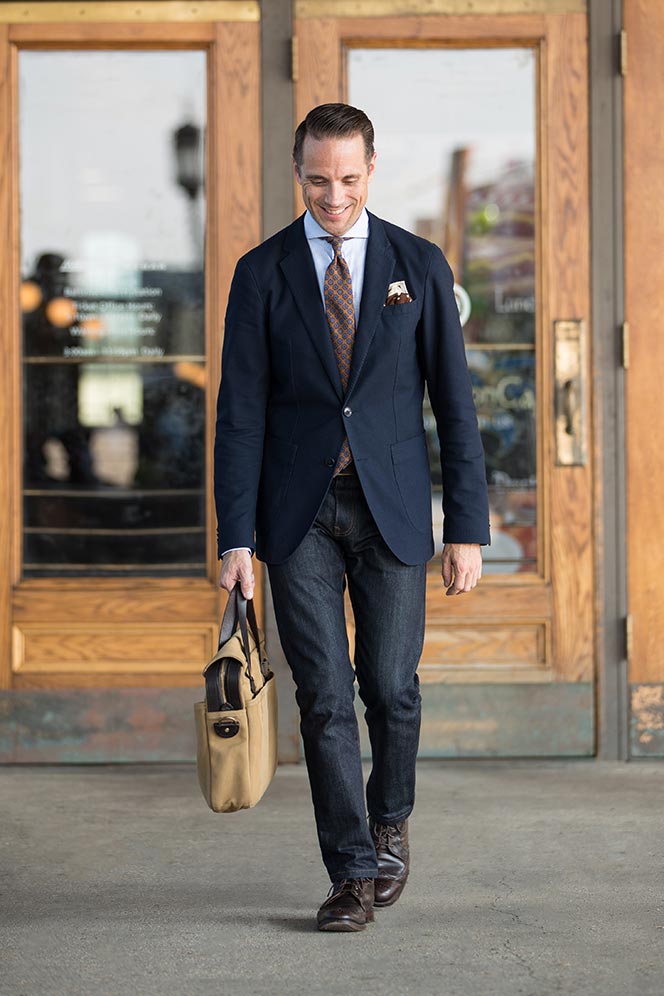
• Tailored chinos, dress pants, wool trousers, or dark jeans
• Loafers, oxfords, derbies, flats, or clean leather sneakers
• A belt that matches your shoes
• Simple accessories and neat grooming
The Best Pants to Wear for Business Casual
The best pants to wear for business casual depend on your office, personal style, and the level of formality required. Still, a few styles work well in most professional settings.
Chinos
Chinos are one of the most useful choices for business casual outfits. They are usually made from cotton twill, which gives them a clean shape while keeping them comfortable.
Choose chinos with:
• A flat front
• A medium rise
• A slim, straight, or tailored leg
• A clean hem with little or no stacking
• Minimal visible stitching
Navy, khaki, gray, olive, and stone are easy colors to style. Navy chinos with a light blue shirt create a classic outfit. Gray chinos with a white polo look sharp without feeling too formal.
Avoid cargo pockets, large logos, drawstrings, and very thin fabric. These details can make chinos look more casual than professional.
Wool Trousers
Wool trousers are a smart choice when your office leans formal. They have a smooth drape and usually look more refined than cotton pants.
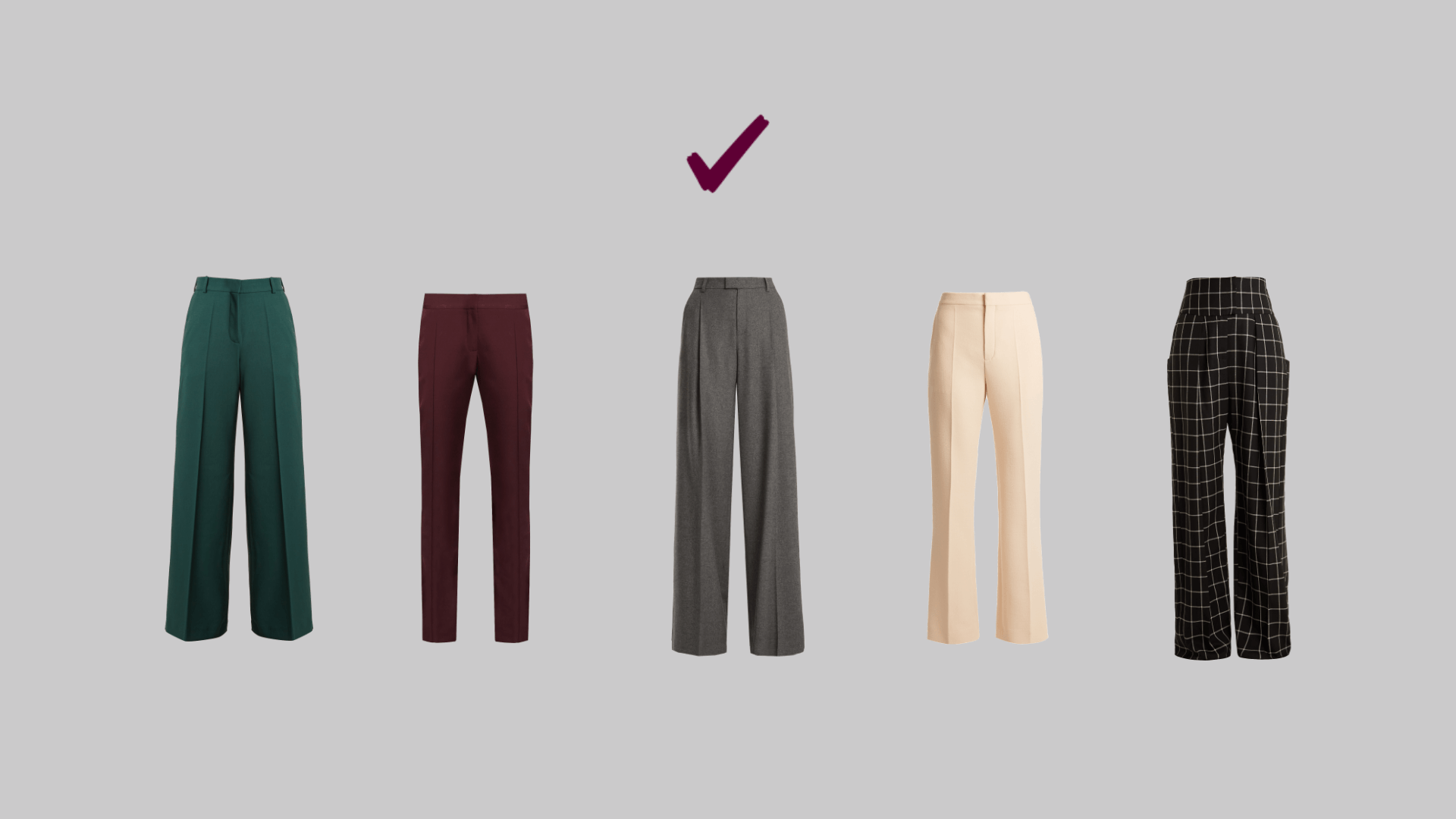
Gray wool trousers are especially versatile. You can wear them with a navy blazer, a white shirt, or a fine-gauge sweater. Charcoal, navy, and medium gray are often safer than bright colors or bold patterns.
Look for lightweight wool or wool-blend fabric in warm weather. In colder months, flannel trousers can add warmth and texture while still looking professional.
Dress Pants
Dress pants are usually made from wool, polyester blends, or other smooth fabrics. They are more formal than chinos but less formal than a full suit trouser with a matching jacket.
They work well for:
• Client meetings
• Interviews
• Presentations
• Office celebrations
• Workplaces with traditional dress codes
A flat-front design gives a modern appearance. Pleated pants can also look excellent when they fit well and have a clean, tailored shape.
Dark Jeans
Dark jeans may work in some business casual offices, but they are not right for every workplace. Choose a dark indigo or black pair with no rips, fading, whiskering, or decorative details.
The best business casual jeans have:
• A clean, even color
• A medium or dark wash
• A straight or tailored fit
• A plain five-pocket design
• No frayed hems
Wear dark jeans with a blazer, button-down shirt, and leather loafers to make the outfit look more polished. If your workplace has a conservative dress code, choose chinos or trousers instead.
Corduroy Pants
Corduroy pants can be suitable for business casual during fall and winter. Fine-wale corduroy looks more refined than thick, rugged corduroy.
Brown, navy, gray, and olive are easy to wear. Pair them with an Oxford shirt, merino sweater, or casual blazer. Avoid very wide wale corduroy if your office expects a sleek look.

How Pants Should Fit for Business Casual
Fit is often more important than brand or price. Even expensive pants can look unprofessional if they pull, sag, bunch, or lose their shape.
The waistband should sit comfortably without squeezing your stomach. You should be able to slide one or two fingers between your body and the waistband. If you need a belt to keep the pants up, the waist may be too large.
The seat should lie smoothly. Extra fabric can look sloppy, while tight fabric may create pulling around the pockets and upper thighs.
The rise affects comfort and appearance. A mid-rise pant works well for most people because it sits naturally at the waist and creates a balanced silhouette.
The leg should follow your shape without clinging. Slim does not mean skin-tight. Straight and tailored cuts are often the safest choices for a professional wardrobe.
Pay attention to the hem. The pants should rest lightly on the top of your shoes or create a small break. Too much fabric around the ankle can make even a good outfit look untidy.
A tailor can make a major difference. Simple changes to the waist, hem, or seat often improve the appearance more than buying a new pair.

Best Colors for Business Casual Pants
Color affects how formal and versatile your pants look. Neutral shades are usually the easiest to style.
Navy
Navy pants work with white, blue, gray, pink, burgundy, and patterned shirts. Navy chinos and navy wool trousers are both useful, but the fabric determines how formal they appear.
Gray
Gray pants are one of the strongest business casual choices. Light gray feels relaxed, while charcoal looks more formal. Gray also works well with black, brown, burgundy, and navy shoes.
Khaki and Beige
Khaki pants create a classic business casual look. They pair well with navy shirts, white shirts, brown shoes, and lightweight sweaters.
Choose a clean beige tone rather than a very pale, thin fabric that may look casual or show wrinkles easily.
Black
Black pants can look professional, but they may feel more formal or severe than navy or gray. Pair them with lighter shirts and textured fabrics to create balance.
Olive and Brown
Olive and brown pants can work in creative offices or relaxed professional settings. Keep the rest of the outfit simple so the color looks deliberate rather than distracting.
Pants to Avoid in a Business Casual Office
Some pants are comfortable but do not usually meet business casual standards. The right choice depends on your workplace, but these styles are often too relaxed.
• Sweatpants and joggers
• Athletic leggings unless your workplace clearly allows them
• Pajama-style pants
• Ripped or heavily distressed jeans
• Cargo pants with large pockets
• Shorts, unless the office dress code allows them
• Very tight pants that restrict movement
• Oversized pants that pool around the shoes
• Shiny synthetic pants
• Pants with large logos or bold graphics
Workout clothes can look especially out of place because they signal exercise rather than work. Even in a casual office, your pants should look clean, structured, and ready for the day.
One common mistake is wearing pants that are technically clean but too worn. Faded knees, stretched pockets, loose threads, and shiny areas from repeated wear can lower the overall quality of an outfit.

How to Match Business Casual Pants With Shirts
The simplest way to style business casual pants is to balance color, texture, and formality.
Try these combinations:
- Navy chinos with a white Oxford shirt and brown loafers
- Gray trousers with a light blue shirt and black derbies
- Khaki chinos with a navy polo and brown leather shoes
- Charcoal trousers with a fine-knit sweater and loafers
- Dark jeans with a white button-down shirt and a casual blazer
- Olive chinos with a pale blue shirt and clean leather sneakers
- Brown corduroy pants with a cream sweater and suede loafers
A helpful rule is to avoid matching every item too closely. If your pants and shirt are both dark, add contrast with lighter shoes or a lighter layer.
Texture can also make a simple outfit more interesting. Pair smooth dress pants with a textured knit sweater, or wear cotton chinos with a crisp Oxford shirt.
Tucking in a shirt usually creates a more polished appearance. For a relaxed business casual look, you can leave a casual shirt untucked if the hem is designed for it and does not extend too far below the hips.

Shoes and Accessories That Complete the Outfit
Shoes can change the entire impression of business casual pants. A polished pair of pants may look too formal with athletic shoes, while a casual pair may look better with loafers or clean minimalist sneakers.
Reliable shoe choices include:
• Loafers
• Oxfords
• Derbies
• Monk straps
• Chukka boots
• Chelsea boots
• Simple leather sneakers
• Flats or low block heels
Brown shoes pair well with navy, khaki, olive, and gray pants. Black shoes work especially well with charcoal, black, and dark gray trousers.
A belt should usually coordinate with your shoes. It does not need to be an exact match, but black shoes with a light brown belt can look disconnected.
Keep accessories simple. A watch, small earrings, a modest necklace, or a professional bag can add personality without distracting from the outfit.
Socks matter, too. Choose socks that cover the ankle when you sit down. Solid colors and subtle patterns are usually safer than novelty designs in formal workplaces.

Seasonal Advice for Business Casual Pants
The best business casual pants can change with the weather. Comfort matters because discomfort often affects posture, focus, and confidence.
Spring and Summer
Choose breathable fabrics such as cotton twill, linen blends, tropical wool, and lightweight chinos. Lighter colors, including stone, light gray, and tan, can look fresh and professional.
Avoid very thin fabrics that wrinkle easily or become transparent in bright light. Linen can work, but a linen blend often holds a cleaner shape than pure linen.
Fall and Winter
Wool trousers, flannel pants, corduroy, and heavier chinos provide warmth and structure. Darker colors such as charcoal, navy, brown, and olive suit the season.
You can add a merino sweater, blazer, overshirt, or tailored coat. Make sure the layers do not create too much bulk around the waist or hips.
Transitional Weather
For changing temperatures, choose medium-weight chinos or wool-blend trousers. These fabrics work well with a button-down shirt in the morning and a lightweight sweater later in the day.

How to Build a Small Business Casual Pants Wardrobe
You do not need a large wardrobe to dress well. A few reliable pairs can create many outfits.
Start with these five options:
- Navy chinos
- Gray trousers
- Khaki or beige chinos
- Charcoal or navy wool pants
- Dark, clean jeans if your office allows them
Next, add shirts in white, light blue, pale gray, and subtle patterns. Include one navy blazer or a neutral cardigan for days when you need extra polish.
When shopping, check the care label. Pants that require frequent dry cleaning may cost more to maintain. Cotton chinos are often easier to wash, while wool trousers may need careful cleaning and proper storage.
Rotate your pants instead of wearing the same pair every day. This gives fabric time to recover and helps reduce odor, wrinkles, and premature wear.
A useful wardrobe test is to ask whether each pair works with at least three shirts and two pairs of shoes. If it does, the pants are likely a practical purchase.
Common Mistakes to Avoid
Many business casual mistakes are small, but they affect the whole outfit.
One mistake is focusing only on color while ignoring fit. Perfectly matched colors cannot fix pants that bunch at the ankles or pull across the hips.
Another mistake is dressing too casually because the office feels relaxed. Casual does not mean careless. Clean, pressed, well-fitting pants still form the foundation of the look.
Wearing formal suit trousers with a casual T-shirt can also create an uneven outfit. Each piece should have a similar level of polish.
I often recommend checking an outfit in a seated position before leaving home. If the waistband digs in, the pockets flare, or the hem rises too far, the pants may not be suitable for a full workday.
Do not forget maintenance. Remove stains quickly, hang trousers properly, and follow the care label. Small habits help pants keep their shape and professional appearance.
Business Casual Pants for Interviews
For an interview, choose a slightly more formal option than you might wear on a normal workday. Gray or navy trousers are usually safer than jeans.
A strong interview outfit may include:
• Gray trousers
• A white or light blue button-down shirt
• A navy blazer
• Brown or black leather shoes
• A simple belt and watch
If the company is very casual, dark jeans may be acceptable, but trousers still send a more careful message. Research the workplace and consider the industry before making that choice.
For virtual interviews, pants still matter. Wearing proper clothing from head to toe can help you feel more focused, even if the camera only shows your upper body.
Frequently Asked Questions About What Pants to Wear for Business Casual
Are jeans business casual?
Dark, clean jeans can be business casual in relaxed offices. Avoid rips, fading, oversized fits, and casual details, and check your workplace policy before wearing them.
Are khaki pants business casual?
Yes, khaki pants are a classic business casual choice. Choose a tailored pair with a clean finish instead of cargo-style khakis or heavily wrinkled fabric.
Can I wear black pants for business casual?
Black pants can work well in business casual settings. Pair them with a lighter shirt, polished shoes, and a suitable fabric such as wool, cotton twill, or a refined blend.
Are chinos more casual than dress pants?
Chinos are usually more casual than dress pants because they are often made from cotton twill. A tailored pair of chinos can still look polished and professional.
Should business casual pants be slim or loose?
Business casual pants should be tailored without being tight. Slim, straight, and relaxed-tailored fits can all work if the pants sit smoothly and allow comfortable movement.
Can women wear wide-leg pants for business casual?
Yes, wide-leg pants can look professional when they have a structured fabric, clean waistband, and proper length. Pair them with a fitted or tucked-in top to keep the outfit balanced.
Can I wear sneakers with business casual pants?
Clean, simple leather sneakers may work in relaxed offices. Avoid running shoes, bright athletic styles, heavily worn pairs, and shoes with large logos.
How long should business casual pants be?
The hem should lightly touch or slightly break over the shoe. Too much fabric can look messy, while an overly short hem may appear casual unless the style is intentionally cropped.
Conclusion
The best pants to wear for business casual are clean, well-fitted, and suited to your workplace. Chinos, wool trousers, dress pants, corduroy, and dark jeans can all work when the fabric, fit, color, and styling are appropriate.
Start with versatile colors such as navy, gray, khaki, and charcoal. Then check the fit, pair the pants with polished shoes, and adjust the formality to match your office.
When you are unsure, choose trousers or tailored chinos over jeans. Build your wardrobe slowly, test different combinations, and use your workplace dress code as your guide. Explore more style guides or share your favorite business casual outfit in the comments.
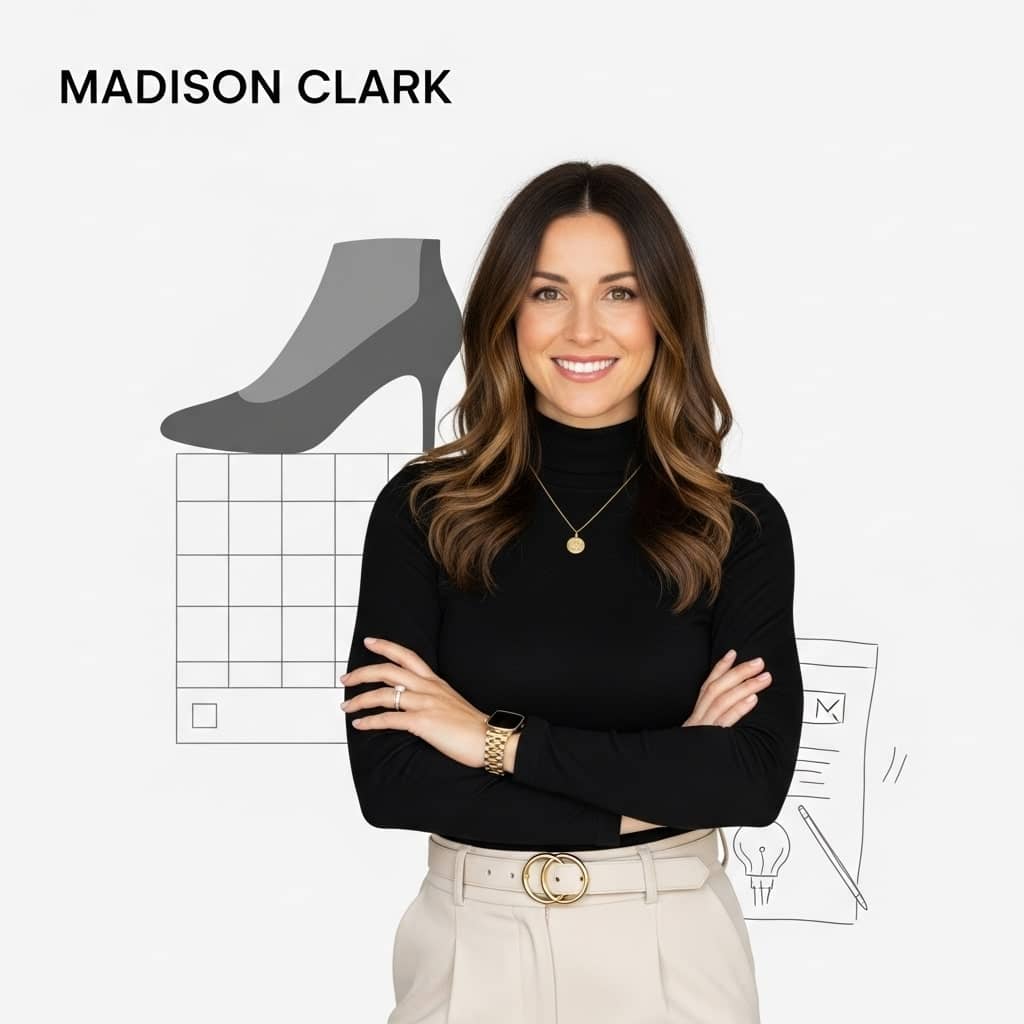
Madison Clark is a footwear expert and the voice behind MyStyleGrid.com. She specializes in honest shoe reviews, style tips, and practical guides to help readers find the perfect pair for any occasion. With years of experience in blogging and content creation, Madison makes footwear knowledge simple, stylish, and easy to follow.