The best sunglasses for your face shape balance your features while offering comfort, UV protection, and a style you enjoy wearing.
If you often ask, “what sunglasses for my face shape?” you are not alone. Face shape can help guide your choice, but frame size, bridge fit, lens quality, and personal style matter just as much. This guide explains how to identify your face shape and choose sunglasses that look balanced, feel secure, and protect your eyes.

Why Face Shape Matters When Choosing Sunglasses
Sunglasses can change the visual balance of your face. The right frame may soften sharp angles, add structure to soft features, or make a long face look more even. Think of frames as a picture border: the right one supports the image without taking all the attention.
Face shape is a useful starting point, not a strict rule. Two people with the same face shape may need different sunglasses because their faces can vary in width, nose shape, brow height, and cheekbone position.
When deciding what sunglasses for my face shape, consider these four factors:
- Frame shape: Round, square, oval, cat-eye, aviator, and rectangular frames create different visual effects.
- Frame size: A frame that is too wide or too narrow can look unbalanced and feel uncomfortable.
- Bridge fit: The bridge should sit securely without pinching or sliding down.
- Lens coverage: Larger lenses can offer more protection from light and wind, but they should not touch your cheeks or eyelashes.
A well-fitting frame should stay in place when you move your head. It should not leave deep marks behind your ears or on your nose. The temples should rest comfortably without pressing into your head.
How to Identify Your Face Shape
You do not need special tools to find your face shape. A mirror, a phone camera, and a few minutes are enough. Pull your hair away from your face and look at the widest and longest parts of your features.
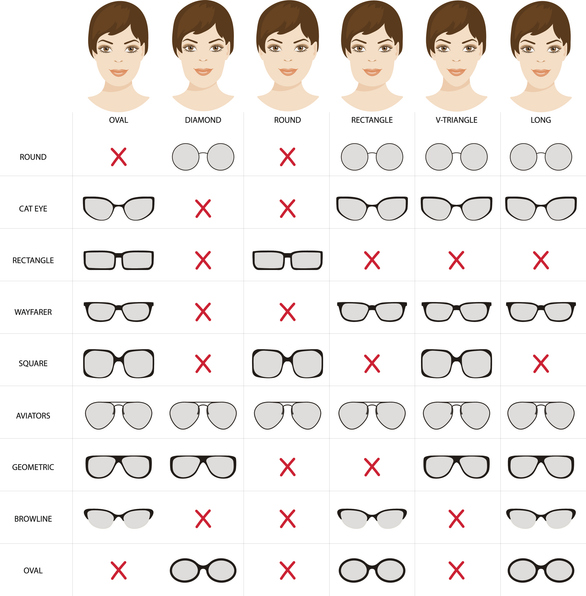
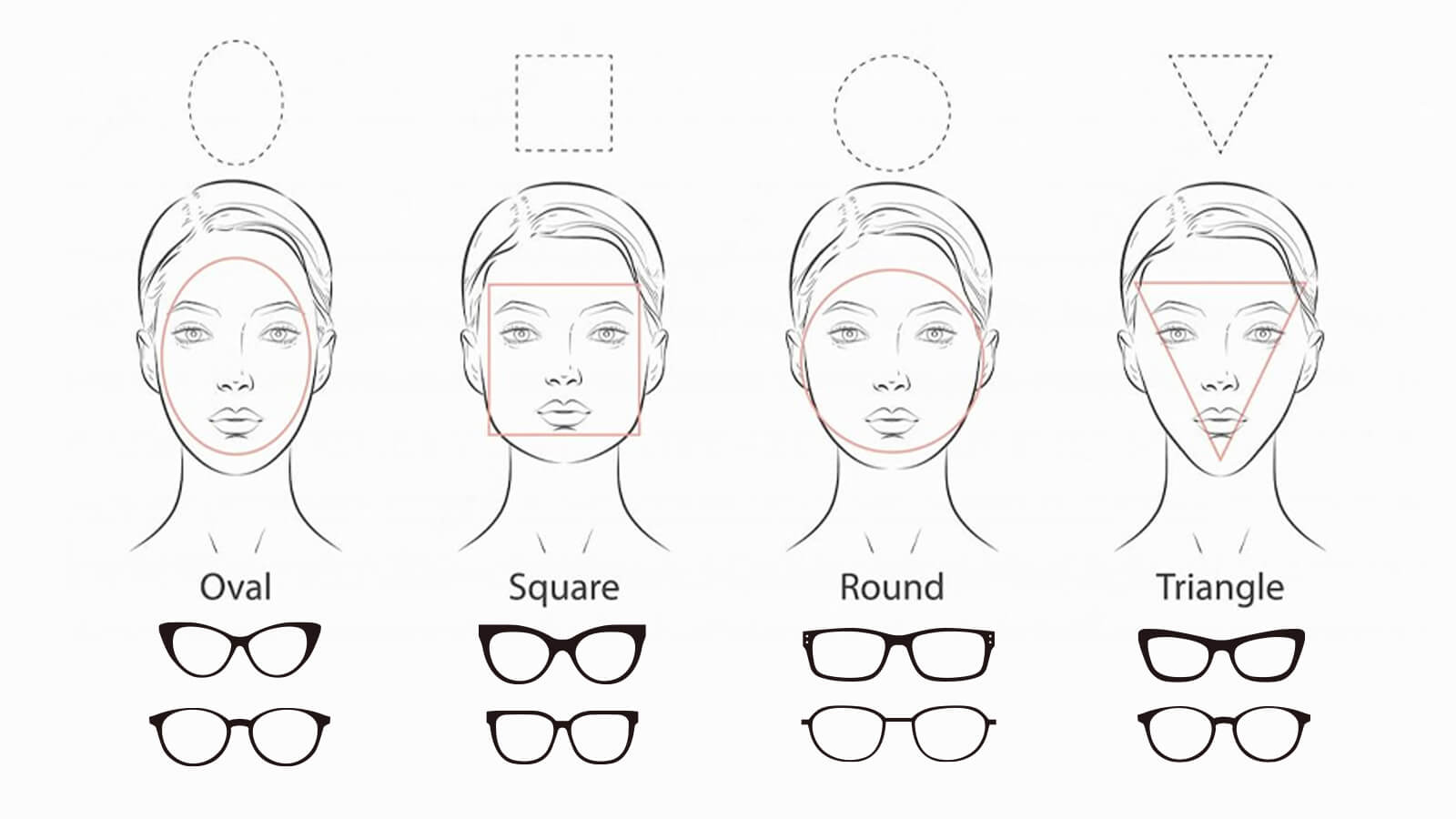
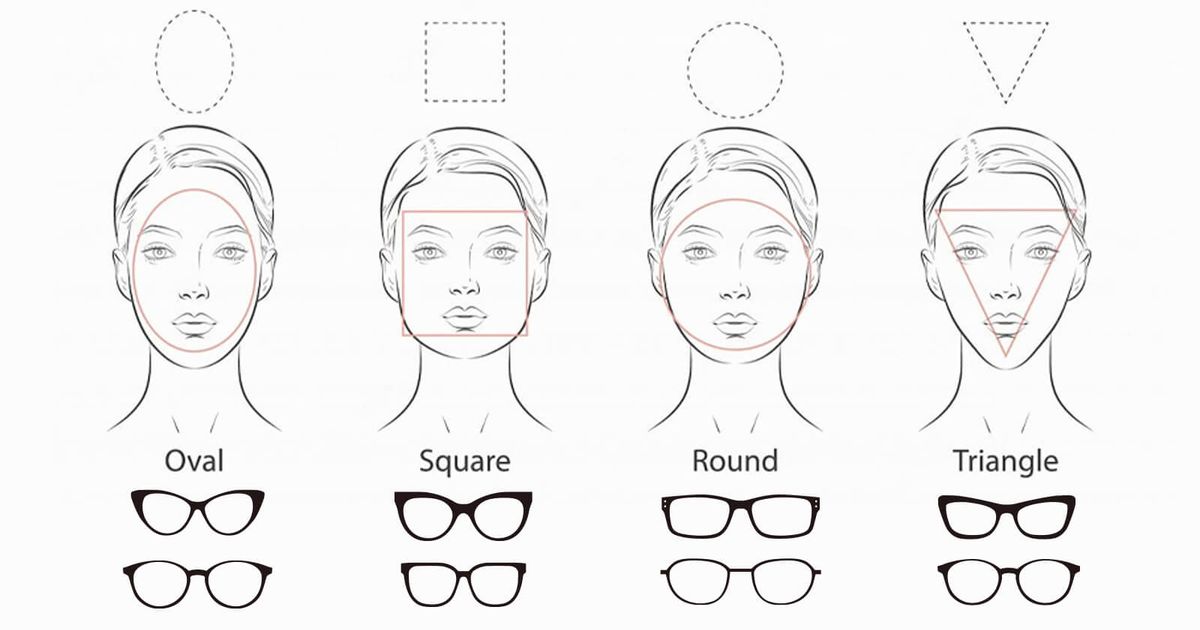
Your face shape usually falls into one of six groups:
Oval face
An oval face is longer than it is wide. The forehead may be slightly wider than the jaw, and the cheekbones often appear gently rounded.
Round face
A round face has similar width and length. The cheeks may look full, and the jawline often has soft curves rather than sharp corners.
Square face
A square face has a broad forehead, wide cheekbones, and a strong jaw. The width and length are often close in proportion.
Heart-shaped face
A heart-shaped face is wider at the forehead and cheekbones, then narrows toward the chin. The chin may look pointed or delicate.
Oblong or rectangular face
An oblong face is noticeably longer than it is wide. The forehead, cheeks, and jaw may have similar widths.
Diamond face
A diamond face is widest at the cheekbones. The forehead and jaw are narrower, and the chin may look defined.
For a more precise check, measure these areas:
- Forehead width from the widest point.
- Cheekbone width from one cheekbone to the other.
- Jaw width from the widest part of each side.
- Face length from the center of your hairline to the tip of your chin.
These measurements are not a beauty test. They simply help you understand proportion. If your face seems to fit more than one category, that is normal.
Best Sunglasses for an Oval Face
An oval face is easy to style because its proportions are naturally balanced. Most frame shapes can work well, as long as the size matches your face.
The best sunglasses for an oval face often include:
- Square frames that add clear structure.
- Rectangular frames that create a sharper look.
- Aviators that highlight the cheekbones.
- Cat-eye frames that add a lifted effect.
- Soft geometric frames for a modern style.
Avoid frames that are much wider than your face. They may overwhelm your features and make the upper part of your face look too broad.
When considering what sunglasses for my face shape, people with oval faces should focus less on finding one perfect shape and more on choosing the right scale. The frame should be about as wide as your cheekbones or slightly wider.
A useful fitting test is to smile. If the bottom of the frame touches your cheeks when you smile, the frame may be too deep or too large. This is a common issue with oversized sunglasses.

Best Sunglasses for a Round Face
Round faces usually benefit from frames that add angles and visual length. Sharp lines create contrast with soft cheeks and a curved jawline.
Good choices for a round face include:
- Rectangular frames.
- Square frames.
- Wayfarer-style frames.
- Browline frames.
- Angular geometric frames.
- Narrower cat-eye frames.
These designs can make the face appear longer and more defined. Darker frames may also add structure, while lighter or translucent frames create a softer effect.
Try not to choose very small, round frames if your goal is to balance your features. Round-on-round styling can make the face look fuller, although it can still work if you prefer a vintage look.
If you ask what sunglasses for my face shape and have a round face, start with a medium-width rectangular frame. Look for a frame with a straight brow and enough height to cover your eyes without resting on your cheeks.
Best Sunglasses for a Square Face
Square faces have strong lines and clear angles. Sunglasses with curved edges can soften the look and create a pleasant contrast.
The best sunglasses for a square face often include:
- Round frames.
- Oval frames.
- Rounded aviators.
- Soft cat-eye designs.
- Thin metal frames with curved lenses.
Avoid very boxy frames if you want a softer appearance. A large, square frame can repeat the same angles as your jaw and make your features look heavier.
That said, repeating angles is not always wrong. If you like a bold, powerful look, a square frame can emphasize your natural structure. Style is not a set of rules. It is a way to decide which features you want to highlight.
For what sunglasses for my face shape, people with square faces should check the frame corners. Rounded corners usually create a smoother look, while sharp corners give a more dramatic effect.
Best Sunglasses for a Heart-Shaped Face
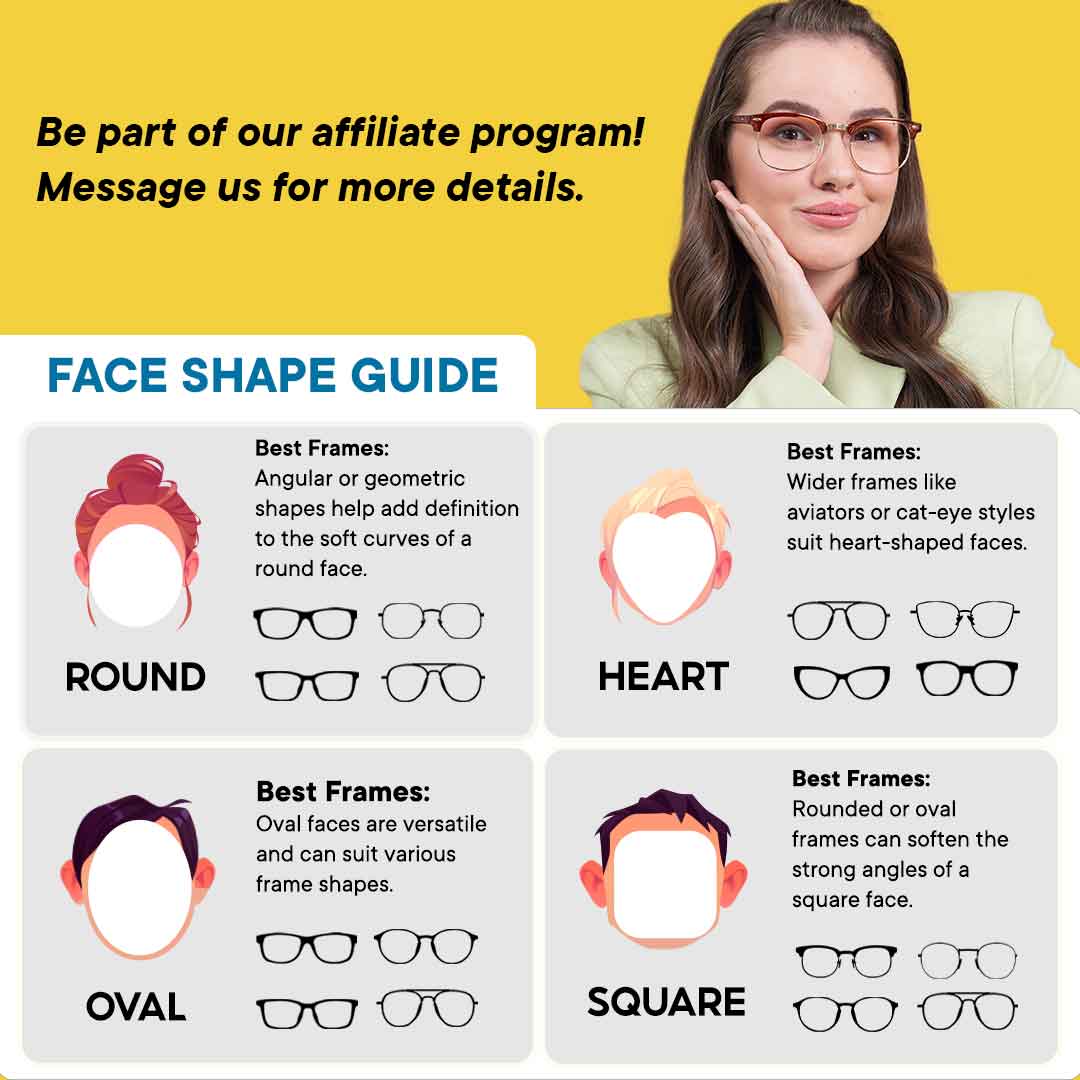
A heart-shaped face is often wider at the forehead and narrower near the chin. The goal is usually to balance the upper and lower parts of the face.
Helpful frame styles include:
- Light-colored or thin-rimmed frames.
- Oval sunglasses.
- Round sunglasses.
- Aviators with a gentle curve.
- Bottom-heavy frames.
- Small to medium cat-eye frames.
Frames that are too wide or heavy at the top may make the forehead look broader. A frame with a lighter upper rim can create a more even appearance.
Aviator sunglasses can work especially well because the lens shape often widens toward the bottom. This can draw attention downward and balance a narrow chin.
When deciding what sunglasses for my face shape, check the temples and upper corners. If they extend far beyond your forehead, the frame may be too wide. The right pair should follow your face without hiding it.
Best Sunglasses for an Oblong or Rectangular Face
An oblong face is longer than it is wide. Frames with more lens depth can make the face look more balanced by adding visual width.
Consider these styles:
- Oversized sunglasses with moderate height.
- Large aviators.
- Round frames.
- Square frames with curved corners.
- Browline frames.
- Frames with a strong bridge or bold details.
Very narrow frames may make the face appear even longer. Thin, low-profile sunglasses can still look good, but choose a style with enough lens height to create balance.
A frame with a taller lens can also provide better coverage from sunlight entering above or below the lenses. The American Academy of Ophthalmology advises choosing sunglasses that block 99% to 100% of UVA and UVB rays, so protection should remain a priority.
For what sunglasses for my face shape, people with oblong faces should compare lens height as carefully as frame width. A wider frame is not always enough if the lenses are very shallow.

Best Sunglasses for a Diamond Face
Diamond-shaped faces are widest at the cheekbones and narrower at the forehead and jaw. The best frames often highlight the eyes while softening the cheek area.
Try these options:
- Oval frames.
- Rimless sunglasses.
- Cat-eye frames with gentle curves.
- Browline frames.
- Aviators.
- Soft rectangular frames.
Rimless and light frames can keep the cheekbones from looking too heavy. Cat-eye sunglasses can also work well because the lifted corners draw attention toward the eyes and forehead.
Avoid frames that are very narrow at the eye line. They may make the cheekbones appear wider by comparison.
When asking what sunglasses for my face shape, people with diamond faces should look for a frame that is slightly wider than the cheekbones or close to their width. Excessively oversized frames may cover the face rather than balance it.
How to Choose the Right Sunglasses Size
Frame size may matter more than face shape. A beautiful frame will not look or feel right if it is too large or too small.
Most sunglasses have measurements printed inside the temple. You may see three numbers, such as 54–18–140:
- 54 is the lens width in millimeters.
- 18 is the bridge width.
- 140 is the temple length.
These numbers help you compare a frame with sunglasses you already own. They are not perfect because frame shape also affects fit, but they provide a useful starting point.
Use these fit checks:
- Your eyes should sit near the center of each lens.
- The frame should not slide when you look down.
- The bridge should rest comfortably without pinching.
- Your eyebrows may show slightly, but they should not sit far inside the lenses.
- The frame should not press against your temples.
- The lenses should not touch your cheeks when you smile.
- The temples should not angle outward sharply.
During frame fittings, one mistake I see often is choosing sunglasses based only on how they look from the front. A frame can look great in a photo but slide down because the bridge is too wide. Always move, smile, and look down before buying.
Lens Features That Matter More Than Style
Face shape helps you choose the frame. Lens quality helps protect your eyes. Never trade UV protection for a better color or trend.
Look for sunglasses labeled:
- 100% UV protection.
- UV400.
- 99% to 100% UVA and UVB protection.
The American Academy of Ophthalmology notes that dark lenses do not automatically provide better UV protection. A very dark lens without proper UV filtering can be worse than a lighter lens with certified protection because your pupils may open wider in low light.
Polarized lenses reduce glare from surfaces such as:
- Water.
- Snow.
- Roads.
- Car hoods.
- Glass buildings.
Polarization can make driving and outdoor activities more comfortable, but it does not replace UV protection. Some digital screens may also look darker or show rainbow patterns through polarized lenses. That is normal and not a sign of poor quality.
Photochromic lenses darken in response to ultraviolet light. They can be useful for changing light, but many car windshields block much of the UV light that activates them. They may not become as dark inside a vehicle.
If you need prescription sunglasses, ask an eye care professional about lens materials, coatings, and your prescription needs. People with strong prescriptions may benefit from thinner lens materials or frames with a smaller eye size.
How Frame Color and Material Affect Your Look
Frame color can change the mood of your sunglasses. Black and dark tortoiseshell frames often create strong contrast. Brown, honey, and amber tones can look warmer and softer. Clear and translucent frames offer a light, modern appearance.
Consider your usual clothing and hair color, but do not feel limited by them. Sunglasses are an easy way to try a color you would not wear as clothing.
Frame materials also affect comfort:
- Acetate frames are durable and come in many colors.
- Metal frames can look light and refined.
- Nylon frames are often flexible and useful for active wear.
- Bio-based plastics may offer a lower-impact alternative, but environmental claims vary by product.
- Rimless frames feel light but may need more careful handling.
There is no single best material for every person. If you drop your sunglasses often, a flexible frame may be practical. If you want bold color and a polished finish, acetate may be a better choice.
When deciding what sunglasses for my face shape, treat color and material as the final layer. First check the fit and protection. Then choose the design that feels like you.
Sunglasses for Driving, Sports, and Everyday Wear
The best sunglasses depend on how you use them. A pair for a beach vacation may not be ideal for cycling or driving.
For driving
Choose lenses that reduce glare and provide clear vision. Gray lenses usually offer neutral color, while brown lenses can improve contrast in some conditions. Avoid lenses that are too dark for low-light driving.
Polarized lenses can reduce glare, but they may make some dashboard displays harder to read. Test them in your car before relying on them for long trips.
For sports
Choose frames that fit securely and cover the sides of your eyes. Wraparound styles can reduce wind, dust, and light entering from the side. Look for impact-resistant lenses when appropriate.
Sports eyewear should not slide when you sweat. A rubber nose pad and secure temple grip can make a major difference.
For beach and water
Choose sunglasses with strong UV protection and a secure fit. Polarized lenses can reduce glare from water, which may make them more comfortable outdoors.
For daily use
Prioritize comfort, reliable UV protection, and a style that matches most of your wardrobe. Your everyday pair should be easy to wear for several hours.
No matter what sunglasses for my face shape, the correct use matters. Sunglasses should protect your eyes without blocking your view or creating pressure points.
Common Mistakes to Avoid
Many poor sunglasses choices come from focusing on appearance alone. These mistakes are easy to prevent.
- Buying a frame that is too wide: It may slide down and create gaps at the sides.
- Choosing dark lenses without UV protection: Lens darkness does not prove safety.
- Ignoring the bridge: A wide bridge can cause slipping, while a narrow bridge can leave marks.
- Copying a celebrity style: The same frame may fit very differently on your face.
- Choosing oversized frames without checking lens coverage: The bottom may touch your cheeks.
- Wearing scratched lenses: Scratches can reduce visual comfort and may cause glare.
- Leaving sunglasses in a hot car: Heat can warp frames and damage lens coatings.
- Cleaning lenses with clothing: Fabric can hold dust that creates tiny scratches.
Use clean water and a lens-safe cleaner. Dry the lenses with a clean microfiber cloth. Store sunglasses in a hard case when you are not wearing them.
One practical lesson is simple: try on at least three different shapes. The first pair may look good, but the third pair often reveals which proportions truly suit your face.
A Simple Method to Find Your Best Pair
Use this process when shopping online or in a store:
- Identify your face shape by comparing length and width.
- Choose two frame shapes that create contrast.
- Check the listed frame measurements.
- Compare the new frame with a pair that already fits well.
- Confirm that the lenses offer 100% UVA and UVB protection.
- Check whether the bridge sits securely.
- Smile, look down, and turn your head to test movement.
- Review the return policy before buying online.
- Take a photo from the front and side.
- Choose the pair you will actually wear often.
For online shopping, virtual try-on tools can help, but they are not always accurate. Camera angle, lighting, and screen size can change how a frame appears. A return policy remains important.
If you are still unsure what sunglasses for my face shape, start with a classic frame in a medium size. Classic shapes are easier to fit, easier to style, and less likely to become tiring after a few months.
Frequently Asked Questions About What Sunglasses for My Face Shape
What sunglasses look best on my face shape?
The best sunglasses add balance to your features and fit securely. Round faces often suit angular frames, while square faces often suit rounded frames, but frame size and comfort are just as important as shape.
How do I know my face shape?
Look at your face with your hair pulled back and compare its length with its width. You can also measure your forehead, cheekbones, jaw, and face length to see which shape is closest.
Can I wear sunglasses that do not match my face shape?
Yes. Face shape guidelines are suggestions, not rules. If a frame fits well and reflects your style, you can wear it confidently even if it does not create traditional contrast.
Are polarized sunglasses better for every face shape?
Polarization is a lens feature, not a face-shape feature. It can reduce glare from water and roads, but it does not replace 100% UVA and UVB protection.
Should sunglasses cover my eyebrows?
Your eyebrows can show slightly above the frame. The most important points are that the frame does not slide, the lenses cover your eyes well, and the sunglasses do not touch your cheeks.
What frame size should I choose?
Choose a frame close to the width of your face or slightly wider. Your eyes should sit near the center of the lenses, and the temples should rest comfortably without pressing or flaring outward.
What sunglasses are best for a long face?
Long or oblong faces often suit frames with taller lenses, larger aviators, round styles, and wider designs. These shapes can add visual width and help balance the face’s length.
Conclusion
Finding what sunglasses for my face shape starts with understanding your proportions, but it should not end there. The right pair must also fit your bridge, suit your daily activities, block harmful UVA and UVB rays, and feel comfortable for hours.
Use face shape as a guide, test several frame sizes, and choose lenses with verified UV protection. Once you find a pair that feels secure and looks like you, wear it often and care for it well. Explore different styles, check trusted eye care advice when needed, and share your favorite frame choice in the comments.

Rubel Miah is the Senior Editor at MyStyleGrid.com, where he brings a sharp editorial eye and an unshakable love for fashion to everything he does. A true style addict, Rubel lives and breathes trends, from streetwear to high fashion, and has a knack for turning inspiration into impactful stories. With years of experience in fashion journalism and digital media, he curates content that empowers readers to express themselves through style. When he’s not editing features or forecasting the next big thing, you’ll find him hunting down vintage pieces or capturing street style moments around the city.