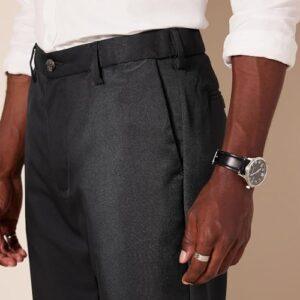
Press men's dress pants with a clean iron, low heat, light moisture, and careful attention to the fabric and crease.
Learning how to press men's dress pants is a simple skill that can make an entire outfit look sharper. The right method protects the fabric, keeps the crease straight, and avoids shiny marks, water spots, and flat-looking pockets. This guide explains the tools, steps, fabric settings, common mistakes, and professional tips that help you get polished results at home.
Why Properly Pressed Dress Pants Matter
Well-pressed pants look neat without appearing stiff. A clean crease can make the leg look longer, while smooth fabric helps a suit or dress shirt look more refined.
Pressing is different from ironing. Ironing often means moving the iron back and forth to remove wrinkles. Pressing means placing the iron down, lifting it, and moving to the next area. This method reduces stretching and helps preserve the shape of tailored pants.
Knowing how to press men's dress pants also helps you avoid damage. Too much heat can melt synthetic fibers, flatten the nap of wool, or leave a glossy patch on dark cloth.
A careful pressing routine can help with:
• Removing wrinkles from the seat, thighs, and lower legs
• Restoring a sharp front crease
• Smoothing fabric after travel or storage
• Protecting the shape of tailored trousers
• Improving the overall appearance of a formal outfit
In my experience, the biggest mistake is rushing the crease. A few extra seconds spent lining up the seams can make the difference between a professional finish and a crooked line.

Tools You Need Before You Start
The best results come from using the right tools. You do not need a professional tailor's setup, but a firm ironing board and a clean iron are important.
Gather these items:
• Iron with adjustable temperature settings
• Ironing board with a clean, firm cover
• Spray bottle filled with clean water
• Pressing cloth made from cotton or muslin
• Trouser hanger or clip hanger
• Clean white towel for extra padding
• Distilled water if your iron tends to leave mineral marks
Check the care label before applying heat. The label usually shows whether the pants can be ironed and which temperature range is safe. One dot often means low heat, two dots mean medium heat, and three dots mean high heat.
Keep the iron soleplate clean. A dirty soleplate can transfer brown marks, wax, or old starch to the pants. Test the iron on a scrap cloth or an inside seam before pressing a visible area.
A pressing cloth is especially useful for wool, dark colors, linen blends, and synthetic fabrics. It creates a thin barrier between the hot soleplate and the garment.
Prepare the Pants and Ironing Area
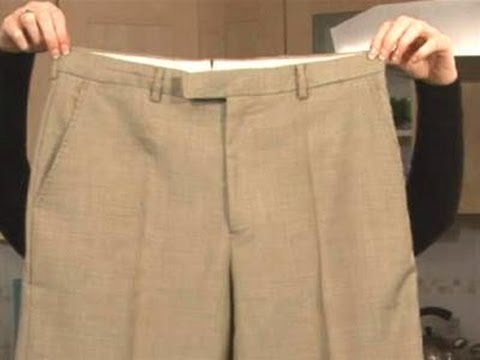
Preparation makes how to press men's dress pants easier and safer. Start by emptying every pocket. Coins, keys, and folded receipts can leave bumps or marks under the fabric.
Unfasten the waistband closure, remove the belt, and check for stains. Heat can set many stains permanently, so clean or treat visible spots before pressing.
Turn the pants inside out when working on delicate fabric or dark cloth. For a normal wool or wool-blend pair, you can press from the outside with a pressing cloth.
Set up the board in a stable place with enough room to move around it. Make sure the iron cord cannot catch on the pants or pull the board.
Use these preparation steps:
- Read the care label.
- Empty and flatten the pockets.
- Close the zipper but leave the waistband button open.
- Set the iron to the lowest safe temperature.
- Add steam or light moisture only if the fabric allows it.
- Place the pants flat on the board.
Never leave a hot iron face down on the fabric. Even a short pause can create a scorched area.

How to Press Men's Dress Pants Step by Step
The easiest way to understand how to press men's dress pants is to work from large, simple areas to smaller details. Do not drag the iron across the fabric. Press, lift, and move.
1. Press the pockets
Lay the pocket area flat. Press lightly around the pocket opening and lining.
Do not press directly over a thick pocket edge for too long. It can create a visible outline on the front of the pants. If the pocket lining causes a bump, place a folded towel inside the pants to support the area.
2. Smooth the waistband
Place the waistband over the narrow end of the ironing board. Rotate the pants slowly as you work around the band.
Press the waistband in short sections. Avoid stretching it, especially if it contains elastic or has a tailored shape.
3. Press the upper front
Lay one leg flat with the front facing up. Smooth the fabric with your hand before placing the iron down.
Press from the waistband toward the thigh. Lift the iron after each section. Use a pressing cloth when working with wool, dark fabric, or a material that may shine.
4. Press the upper back and seat
Turn the pants and repeat the process on the back. Work around the seat and hip area with light pressure.
The seat can become shiny if you rub the iron across it. A pressing cloth and short downward presses are safer than long strokes.
5. Press the legs
Slide one pant leg over the narrow end of the board. Keep the seams aligned.
Press the upper leg first, then move toward the hem. Work on one side at a time so the fabric does not shift.
6. Set the front crease
Most dress pants have a crease that runs from the center of the waistband down to the hem. Match the front and back seams before pressing.
Use your fingers to line up the crease. Then place the pressing cloth over it and press in small sections. Hold the iron in place for about two to five seconds, depending on the fabric and heat setting.
Do not force a new crease if the pants were designed without one. Follow the original tailoring lines whenever possible.
7. Press the back crease
Repeat the process on the back leg. Make sure the rear crease follows the same line as the front crease.
If the pants have a permanent crease, steam can help refresh it. If the crease is weak, use a damp pressing cloth rather than soaking the fabric.
8. Finish the hems
Press the cuffs or hems last. Let the fabric hang naturally from the board so you do not create a horizontal ridge.
Use the tip of the iron for narrow areas, but keep it moving and controlled. Check both legs from a distance to make sure the hems sit evenly.
How to Press Different Dress Pant Fabrics
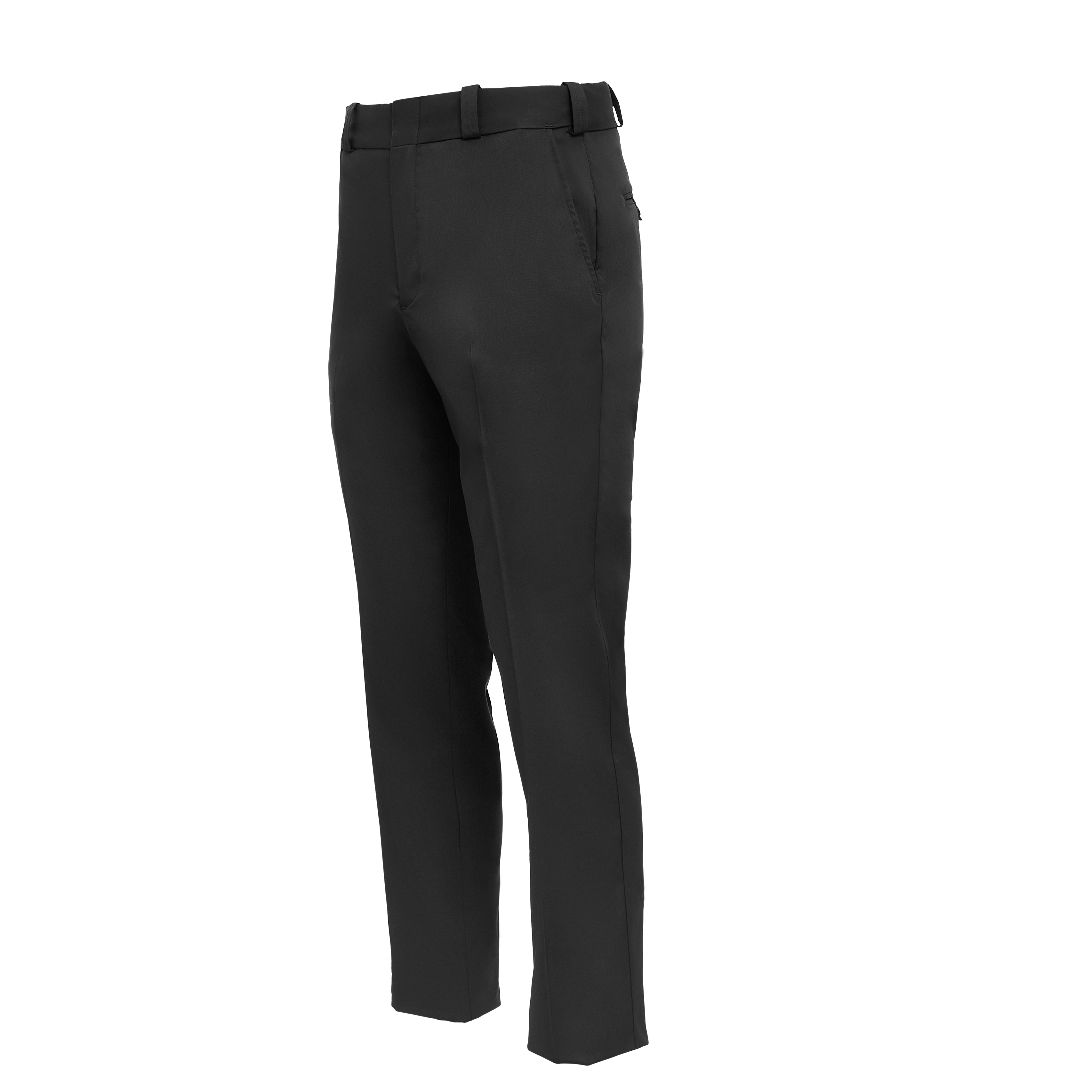
Fabric type determines the safe heat level, moisture, and pressure. When unsure, use a lower setting and test an inside seam first.
Wool and wool blends
Wool responds well to steam and gentle pressure. Use a pressing cloth to protect the surface and prevent shine.
Avoid rubbing the iron. Lift it after each press, and allow the fabric to cool before moving the pants. Cooling helps the crease hold its shape.
Cotton
Cotton can usually handle medium to high heat, but always check the care label. Light moisture helps remove deep wrinkles.
Cotton dress pants may shrink slightly if exposed to excessive heat or water. Do not saturate them with a spray bottle.
Linen
Linen wrinkles easily and often needs moisture. Press it while slightly damp, using a medium or high setting if the label allows it.
Linen does not need to look perfectly flat. A little natural texture is normal and often part of its style.
Polyester and synthetic blends
Synthetic fabric can melt or become shiny under high heat. Use the lowest effective temperature and a pressing cloth.
Avoid holding the iron in one place. A steamer may be safer for light wrinkles, but test it first because some blends can show water marks.
Velvet, corduroy, and textured fabrics
Do not press the surface directly. Steam from a short distance or press from the reverse side over a thick towel.
Pressing the raised texture can crush it permanently. If the care label recommends professional cleaning, follow that advice.

How to Keep the Crease Sharp
A good crease depends on alignment, not force. Before pressing, match the inner and outer leg seams. The original crease should usually fall between those seams.
For a stronger crease, use a clean pressing cloth that is lightly damp. Press the cloth over the crease, lift the iron, and let the area cool before shifting the pants.
Some tailors use a small amount of starch for cotton trousers. Starch can create a crisp finish, but it may leave buildup and is not ideal for every fabric. Avoid starch on wool, cashmere, and delicate blends unless the care instructions allow it.
After pressing, hang the pants from the waistband or cuffs. Let them cool and dry fully before wearing or storing them. Folding warm pants can create new wrinkles.
Common Mistakes to Avoid
Even when you understand how to press men's dress pants, a few small errors can damage the garment.
• Using maximum heat on every fabric
• Dragging the iron across the cloth
• Pressing over stains
• Ignoring the care label
• Leaving the iron in one place too long
• Pressing directly over pocket edges
• Creating a new crease without checking the original crease
• Folding pants before they cool
• Using a dirty ironing board cover
• Spraying too much water on the fabric
One mistake I learned to avoid is pressing dark wool pants without a cloth. The fabric may look fine at first, but a glossy patch can appear when the light hits it. A thin cotton barrier takes only a few seconds to add and can prevent that problem.
Pressing Versus Steaming Dress Pants
Pressing gives the strongest crease and the smoothest finish. Steaming is gentler and works well for light wrinkles, travel wear, and delicate fabrics.
A steamer does not usually create a firm trouser crease. It relaxes the fibers rather than flattening them against a board.
Choose pressing when:
• The pants need a sharp crease
• The fabric has deep wrinkles
• You are preparing for a wedding, interview, or formal event
• The care label permits ironing
Choose steaming when:
• The pants only have light wrinkles
• The fabric is delicate
• You want to freshen the garment between cleanings
• The pants are already shaped and only need minor care
A steamer can also help prepare wool before pressing. Hold it several inches away, then use the iron and pressing cloth to set the crease after the fabric relaxes.
How to Press Men's Dress Pants Without an Ironing Board
You can press men's dress pants without a full ironing board, but the surface must be firm, flat, and heat safe. A sturdy table covered with a folded cotton towel can work.
Do not use a bed, sofa, plastic table, or thin countertop. Soft surfaces make it hard to create a clean crease, and heat may damage the surface below.
Place a thick towel on the table, cover it with a clean cotton sheet, and check that the iron cannot touch anything flammable. Work in small sections and use a pressing cloth.
This method is useful in a hotel room, but it has limits. A narrow ironing board gives better control around the waistband and legs.

When to Use Professional Pressing or Dry Cleaning
Some pants are better handled by a professional cleaner. This is especially true for garments with special finishes, complex tailoring, stains, or fabric blends that react poorly to heat.
Follow the care label rather than assuming every dress pant needs dry cleaning. Some washable wool and synthetic pants can be cleaned at home, while others may lose their shape if washed incorrectly.
Professional cleaning is worth considering when:
• The label says “dry clean only”
• The pants have oil, ink, or set-in stains
• The fabric is velvet, suede, or heavily textured
• The lining has become twisted
• The crease or waistband needs tailoring
• The pants have visible shine or heat damage
Pressing cannot repair melted fibers or remove every stain. It improves appearance, but it cannot replace cleaning, alterations, or fabric repair.
How Often Should You Press Dress Pants?
Press dress pants when wrinkles affect their appearance, not after every wear. Frequent high heat can gradually stress fibers and fade finishes.
After wearing the pants, hang them in a well-ventilated space. Give them time to air out, then brush away loose lint and allow the fabric to recover.
For light wrinkles, hanging or steaming may be enough. Use a full pressing routine before important events or whenever the crease has become uneven.
Always store dress pants on a proper hanger. A clip hanger can hold the waistband, while a bar hanger can support the pants without creating sharp fold lines.
Frequently Asked Questions About How to Press Men's Dress Pants
Should I press men's dress pants inside out?
Pressing inside out can protect dark or delicate fabric from shine. However, use a pressing cloth when the outside surface needs a sharper finish.
What temperature should I use to press dress pants?
Use the lowest temperature that removes the wrinkles. Check the care label, since wool, cotton, polyester, and linen require different heat levels.
Can I use steam on men's dress pants?
Yes, steam can relax wrinkles in many fabrics. Keep the steamer or iron at a safe distance for delicate materials, and avoid soaking the pants.
How do I press a crease into dress pants?
Align the front and back leg seams, then press along the original crease in short sections. Use a pressing cloth and lift the iron instead of dragging it.
How do I remove shine from pressed dress pants?
Place a damp pressing cloth over the shiny area and apply gentle steam without rubbing. Severe shine may indicate fiber damage and may require professional treatment.
Can I press dress pants without starch?
Yes. Clean moisture and controlled heat are usually enough for a neat finish. Starch is optional and works best on suitable cotton fabrics.
Should I press pants before or after washing them?
Clean the pants according to the care label, then press them when they are slightly damp or fully dry, depending on the fabric. Never press over stains because heat can set them.
Conclusion
Knowing how to press men's dress pants helps you look polished while protecting your clothing. Read the care label, use the correct heat, keep the seams aligned, and press with light, controlled movements.
Use a pressing cloth for wool, dark colors, and delicate blends. Let the pants cool before wearing or storing them, and choose steaming when you only need to remove light wrinkles.
Practice on an older pair first, then use these steps on your favorite trousers. If you have a fabric question or a pressing tip of your own, share it in the comments and keep exploring practical clothing-care guides.

Rubel Miah is the Senior Editor at MyStyleGrid.com, where he brings a sharp editorial eye and an unshakable love for fashion to everything he does. A true style addict, Rubel lives and breathes trends, from streetwear to high fashion, and has a knack for turning inspiration into impactful stories. With years of experience in fashion journalism and digital media, he curates content that empowers readers to express themselves through style. When he’s not editing features or forecasting the next big thing, you’ll find him hunting down vintage pieces or capturing street style moments around the city.