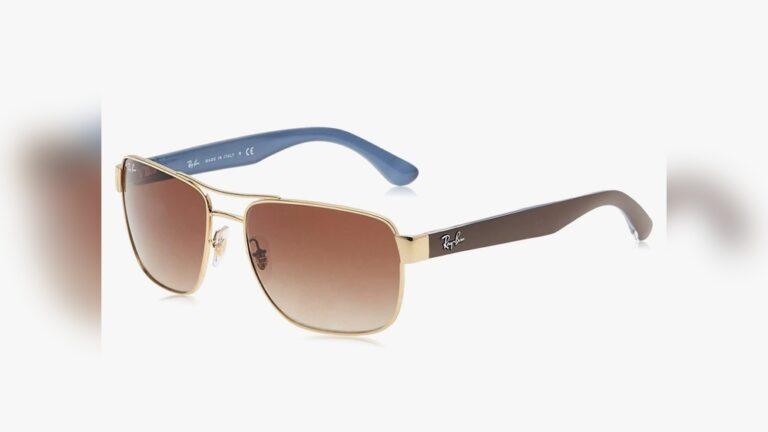
Buying sunglasses may seem simple, but there is a lot more to it than picking a stylish pair off the shelf. The right sunglasses protect your eyes, feel comfortable, and suit your lifestyle. I am here to share practical advice so you can find sunglasses that really work for you—not just for today, but for years to come.
Let’s face it: Most people think all sunglasses are the same. They are not. Some block dangerous UV rays, others do not. Some fit so well you forget you are wearing them. Some make you want to take them off after ten minutes. If you want sunglasses that do the job, you need to look beyond color and brand. With so many choices, it can feel confusing. But I will break it down into clear steps, so you feel confident when you buy.
Why Sunglasses Matter
Sunglasses are not just fashion accessories. They are tools for eye health. Sunlight contains UV (ultraviolet) rays. These rays can damage your eyes over time. Problems like cataracts, macular degeneration, and even eye cancer can happen from too much sun.
The World Health Organization says up to 20% of cataracts are caused by UV exposure. Children’s eyes let in more UV rays than adults, so protection is important for all ages. And it’s not just summer—UV rays can harm your eyes even on cloudy days or in winter, because they bounce off surfaces like water, sand, and snow.
The Most Important Sunglass Features
Let’s talk about the real things you should check before you buy. These are not just opinions—they are based on science and expert advice.
1. Uv Protection
This is the number one feature. Sunglasses without UV protection are like sunscreen without SPF. Always check for a label that says “100% UV protection” or “UV400.” This means the glasses block both UVA and UVB rays. Do not trust glasses just because they are dark; darkness alone does not mean protection.
Some sunglasses have a sticker or printed tag that says “Meets ANSI Z80. 3” or “Blocks 99-100% UVA and UVB. ” That is a good sign. If you buy online, look for this information in the product details.
Non-obvious tip: Expensive does not always mean better UV protection. Many affordable sunglasses offer full UV coverage.
2. Lens Quality And Material
It’s easy to ignore lens material, but it affects both safety and comfort.
Common lens materials:
- Plastic (CR-39): Light, clear, and affordable. Good for everyday use.
- Polycarbonate: Strong and impact-resistant. Best for sports or kids.
- Glass: Great clarity and scratch resistance but heavier.
Hold the sunglasses at arm’s length and look through them at a straight line, like a door frame. Move the glasses slowly. If the line bends or moves, the lenses may distort vision. Good lenses should not warp your view.
3. Lens Color And Tint
Color is not just about fashion. It changes how you see the world and how well you see in different conditions.
Lens colors and what they do:
- Gray: Keeps colors true. Good for driving and general use.
- Brown/Amber: Increases contrast, blocks blue light. Good for sports like golf or fishing.
- Green: Good for all activities, reduces glare and eye strain.
- Yellow/Gold: Increases contrast in low light. Not ideal for bright sun.
Darker lenses do not always block more UV. Always check the protection label, not just the tint.
Little-known insight: Pink or rose-tinted lenses can reduce eye strain for long reading or computer use outdoors.
4. Polarization
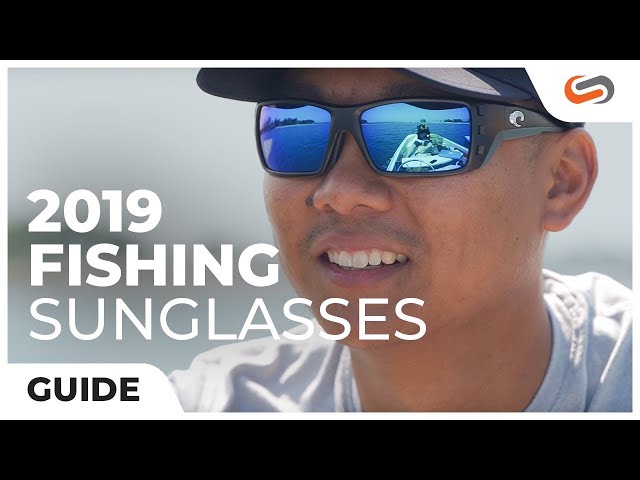
Polarized lenses reduce glare from water, snow, and roads. They are great for driving, fishing, or being near water. Glare can be dangerous, especially while driving. Polarized lenses help you see better and reduce eye fatigue.
Not all sunglasses are polarized. If you want this feature, check the label. One easy way to test: Hold the sunglasses in front of a computer screen and rotate them. If the lenses darken at a certain angle, they are polarized.
Non-obvious tip: Polarized sunglasses can make screens (like phones or car displays) look strange or darker. Try before you buy if you use lots of screens outdoors.
5. Frame Material
Frame material changes the comfort, weight, and durability of your sunglasses.
Popular frame types:
- Plastic: Light, many colors and styles, but can break if bent.
- Metal: Strong and thin, but can get hot in the sun and may bend.
- Nylon: Flexible, durable, best for sports.
Choose a material that suits your daily life. If you play sports or drop your glasses often, go for nylon or polycarbonate. For style, plastic or metal may be best.
6. Fit And Comfort
Fit is personal. Bad fit means your sunglasses may slide, pinch, or leave marks. Try these checks:
- Nose pads should not pinch or leave marks.
- Frames should not touch your cheeks.
- Temples (arms) should not squeeze your head.
When you move your head, sunglasses should stay in place. Try looking down and shaking your head gently.
Extra tip: Many people forget to test comfort with headphones or hats. Bring them when you try sunglasses on.
7. Coverage And Size
More coverage means better protection. Sunglasses should cover your eyes fully and block light from the sides. Large or wrap-around styles are good for sports, driving, or high sun exposure.
Small, narrow glasses may be stylish but let in more UV rays. For the best protection, pick lenses that cover your eyes and the skin around them.
8. Style And Face Shape
Style matters because you want to feel good wearing your sunglasses. But not every style fits every face. Here’s a quick guide:
- Round faces: Go for angular or square frames.
- Square faces: Try round or oval frames.
- Oval faces: Almost any style works.
- Heart-shaped faces: Cat-eye or bottom-heavy frames.
Bring a friend or take a photo to see what looks best. The right style makes you more likely to wear your sunglasses every day.
9. Brand And Certification
Some brands are known for quality, but you do not need to buy designer to get good sunglasses. Look for brands with a reputation for safety and performance.
Check for certification marks. In the US, ANSI Z80. 3 is a good standard. In Europe, look for “CE” marking. These show the sunglasses meet safety rules.
Hidden insight: Some fake sunglasses copy these marks. Always buy from trusted shops or websites.
10. Price Vs. Value
Price does not always equal quality. Many sunglasses under $50 offer full UV protection. What matters is a mix of safety, comfort, and style. But very cheap sunglasses (like $5 at a street stall) may not protect your eyes.
Think about what you really need. If you lose sunglasses often, you may want a cheaper pair. If you need them for sports or long driving, invest a bit more for durability.
11. Prescription Options
If you wear glasses, you can get sunglasses with your prescription. Many brands offer this. You can also get clip-ons or photochromic lenses (lenses that darken in sunlight).
Prescription sunglasses can save your eyes from strain, especially while driving or reading outdoors.
Pro tip: Not all sunglasses styles can be made with prescription lenses. Check with your eye doctor or store before choosing a frame.
12. Special Features
Some sunglasses have extra features. Decide if these suit your needs.
- Photochromic lenses: Change from clear to dark in sunlight. Good for people who go in and out often.
- Mirror coating: Reflects more light, reduces glare. Popular for skiing or beach use.
- Anti-scratch coating: Makes lenses last longer.
- Hydrophobic coating: Repels water and makes cleaning easier.
These features can add cost but may be worth it for some people.
13. Kids’ Sunglasses
Children need UV protection as much as adults, or more. Kids’ sunglasses should be impact-resistant (polycarbonate is best), flexible, and comfortable. Avoid small parts that can break or be swallowed.
Check that kids wear their sunglasses, not just own them. Fun styles or favorite colors can help.
14. Sports And Activity Needs
Regular sunglasses are not always safe for sports. For biking, running, or water sports, look for:
- Wrap-around frames for full coverage.
- Non-slip nose pads and temples.
- Impact-resistant lenses.
Cyclists, runners, and drivers should check that sunglasses do not block their field of view.
Example: Professional cyclists use sunglasses with wide lenses and strong grip to protect from sun, wind, and debris.
15. Safety Ratings
Check for safety ratings if you need sunglasses for work, sports, or special conditions. ANSI Z87. 1 is a US standard for impact resistance.
If you work outdoors, drive a lot, or need maximum protection, ask about safety standards.
16. Maintenance And Care
Good sunglasses last longer if you care for them. Buy a case and a cleaning cloth. Do not use paper towels or clothing to clean lenses—they can scratch.
Wash lenses with water and mild soap. Dry with a microfiber cloth. Store sunglasses in a case when not in use.
Practical tip: Scratches cannot be removed from lenses. Replace if vision is affected.
17. Warranty And Return Policy
Check if sunglasses have a warranty. Many brands offer 1-2 years against defects. Read the return policy, especially for online shopping. If you cannot try before buying, make sure you can return or exchange them.
Non-obvious insight: Some stores offer free adjustments if frames become loose or bent.
18. Environmental Impact
More people now care about the environment. Some brands use recycled materials or offer take-back programs for old sunglasses. If this matters to you, ask about eco-friendly options.
19. Authenticity
Fake sunglasses are common online and in markets. They may look good but often lack UV protection. Always buy from trusted sellers. Check for clear, well-printed labels, and original cases.
If a deal looks too good to be true, it often is. Authentic sunglasses protect your eyes; fakes put you at risk.
20. Online Vs. In-store Shopping
Buying online is easy, but you cannot try the sunglasses on first. Look for:
- Clear size details (lens width, bridge width, temple length).
- Good return and exchange policies.
- Real customer reviews with photos.
In-store shopping lets you test fit and comfort. Staff can help you check lens quality and style.
Pro tip: If you buy online, try on similar styles in a store first to learn what fits your face.

Credit: www.reddit.com
Comparing Sunglass Lens Materials
Let’s compare the most common lens materials. This will help you choose what fits your life best.
| Material | Weight | Clarity | Durability | Cost |
|---|---|---|---|---|
| Plastic (CR-39) | Light | Good | Moderate | Low |
| Polycarbonate | Very light | Fair | High (impact-resistant) | Low to Medium |
| Glass | Heavier | Excellent | High (scratch-resistant) | High |
Comparing Frame Types
Different frames suit different needs. Here’s a quick look:
| Frame Material | Pros | Cons | Best For |
|---|---|---|---|
| Plastic | Lightweight, many colors | Can break, less flexible | Everyday wear, style |
| Metal | Strong, thin frames | Can bend, may heat up | Classic looks, dress wear |
| Nylon | Flexible, durable | Fewer color choices | Sports, active use |
Price Ranges And What You Get
Not all sunglasses are created equal at each price point. Here’s what to expect:
| Price Range | What You Get | Typical Features |
|---|---|---|
| Under $20 | Basic protection | May lack full UV, basic plastic |
| $20-$50 | Good value | UV400, polycarbonate, basic coatings |
| $50-$150 | Better quality | Polarization, strong frames, coatings |
| $150 and up | Top brands, advanced features | Prescription, custom fit, special lenses |
Common Mistakes When Buying Sunglasses
Many buyers make the same errors. Avoid these:
- Focusing only on style: It’s tempting to buy the coolest look, but health and comfort should come first.
- Ignoring fit: Poor fit means you will not wear them, or they will not protect your eyes well.
- Not checking UV protection: Never assume all sunglasses have it. Always check.
- Believing price means quality: More expensive does not always mean better protection.
- Buying fakes: Fake sunglasses can look real but may not protect your eyes.
How To Test Sunglasses Before You Buy
You do not need special machines to test some key features.
- Lens distortion: Hold the glasses and look at a straight line. Move them side to side. If the line bends, the lenses are not good.
- Polarization: Hold the glasses in front of a phone or LCD screen. Rotate. If they darken at an angle, they are polarized.
- Fit: Move your head up and down. Glasses should not slip or press painfully.
If you shop online, read reviews and check return policies.
Taking Care Of Your Sunglasses
Sunglasses last longer with good care. Here are easy tips:
- Always use a case when not in use.
- Clean lenses with water and a microfiber cloth.
- Never lay lenses down on hard surfaces.
- Do not leave sunglasses in hot cars. Heat can warp frames and damage lenses.
- Tighten screws with a tiny eyeglass screwdriver if arms get loose.
A little care saves money and keeps your eyes safe.

Credit: www.reddit.com
Where To Buy Good Sunglasses
Buy from trusted stores, optical shops, or well-known online sellers. Avoid street stalls or unknown websites. Look for clear product details and real customer reviews.
For more on UV protection and eye health, visit the Centers for Disease Control and Prevention.
The Bottom Line
Choosing sunglasses is not just about style—it is about your eye health, comfort, and daily needs. Focus first on UV protection, then on fit and comfort. Pick lens and frame types that suit your life and activities. Remember, you do not have to spend a lot to get real protection. Make sure you buy from trusted sources and check labels carefully. With these steps, you can protect your eyes and look good at the same time.
Credit: everestkitchennc.com
Frequently Asked Questions
What Does Uv400 Mean On Sunglasses?
UV400 means the lenses block all light rays with a wavelength up to 400 nanometers. This covers both UVA and UVB rays. It is the highest standard for UV protection in sunglasses.
Are Expensive Sunglasses Better For Your Eyes?
Not always. Price does not always match protection. Many affordable sunglasses offer full UV protection. What matters most is the label, not the price.
How Can I Tell If Sunglasses Are Polarized?
Hold the sunglasses in front of a phone or LCD screen. Rotate them. If the lenses get darker at a certain angle, they are polarized. Polarized lenses reduce glare but are not necessary for all activities.
Can Children Wear Adult Sunglasses?
It’s better for children to wear kids’ sunglasses. These fit better, offer full UV protection, and are made to handle rough use. Adult sunglasses may not fit well and let in more UV rays.
Should I Wear Sunglasses On Cloudy Days?
Yes. UV rays reach your eyes even on cloudy or cold days. It’s smart to wear sunglasses whenever you are outdoors in daylight.
I hope these answers and tips help you choose the best sunglasses for your life. Your eyes will thank you!
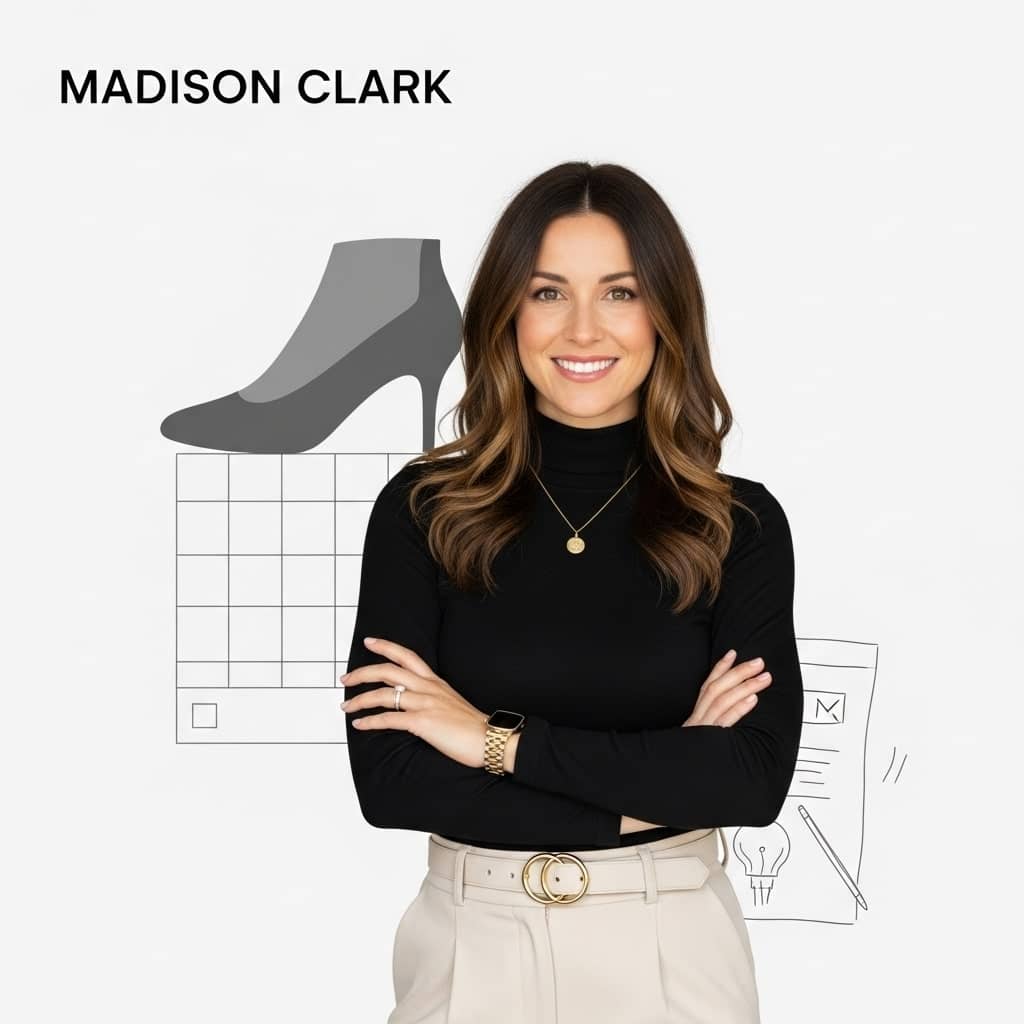
Madison Clark is a footwear expert and the voice behind MyStyleGrid.com. She specializes in honest shoe reviews, style tips, and practical guides to help readers find the perfect pair for any occasion. With years of experience in blogging and content creation, Madison makes footwear knowledge simple, stylish, and easy to follow.