The best places to get dress shoes are trusted department stores, specialty shoe shops, brand websites, and reputable online retailers.
Knowing where to get dress shoes can save you money, prevent poor fit, and help you find a pair that looks sharp for years. The right choice depends on your event, budget, foot shape, leather quality, and need for expert fitting. This guide explains the best places to shop, what to check before buying, and how to avoid common mistakes.

Where to Get Dress Shoes: The Best Places to Shop
The best place to get dress shoes depends on how much support you need. A local shoe store may offer expert fitting, while an online retailer often gives you more styles and better price comparisons.
Here are the main places to consider:
• Specialty shoe stores: Best for fit advice, quality brands, and in-person testing.
• Department stores: Good for variety, sales, and different price ranges.
• Brand websites: Useful when you already know your size and preferred style.
• Online shoe retailers: Best for broad selection, reviews, and easy price checks.
• Men’s clothing stores: Convenient when you need shoes for a suit or formal outfit.
• Outlet stores: Helpful for discounts, but inspect the shoes for defects and older stock.
• Local independent stores: Often provide personal service and staff with strong product knowledge.
For a first formal pair, I usually recommend visiting a specialty shoe store. A good salesperson can spot heel movement, tight toes, or poor arch support within minutes. That small amount of guidance can prevent an expensive mistake.
If you already know your size in a certain brand, the brand’s website may be the easiest place to get dress shoes. Just check the return policy before ordering.


Specialty Shoe Stores
Specialty shoe stores are often the best answer to where to get dress shoes when comfort and fit matter most. These stores may carry leather oxfords, loafers, monk straps, boots, and comfort-focused formal shoes.
Many specialty stores also carry different widths. This matters because a shoe can be the correct length but still feel too tight across the ball of the foot.
A skilled fitter may check:
• Your foot length and width
• Heel movement while walking
• Toe room
• Arch position
• Pressure points
• Differences between your left and right foot
The best dress shoe fit should feel secure but not painful. Your heel may move slightly when you first wear the shoes, but it should not lift out with every step.
Specialty stores may charge more than discount retailers. Still, the extra service can be worth it if you have wide feet, high arches, flat feet, bunions, or a history of foot pain.
A useful lesson from trying many formal shoes is that comfort rarely comes from softness alone. Good support, a stable heel, and enough toe space matter more than thick padding.

Department Stores
Department stores remain a practical answer to where to get dress shoes because they offer many brands in one location. You can compare leather oxfords, synthetic styles, loafers, and casual dress shoes without visiting several stores.
They are especially useful during seasonal sales. Dress shoes often go on sale around major holidays, back-to-school periods, and end-of-season clearance events. However, a low price does not always mean good value.


When shopping at a department store, inspect the shoes carefully:
• Check that both shoes match in color and shape.
• Look for wrinkles, glue marks, scratches, or uneven stitching.
• Press the sole gently to see whether it bends near the ball of the foot.
• Examine the lining for rough seams.
• Try both shoes with the socks you plan to wear.
Department stores may have limited staff training compared with specialty shoe shops. You may need to judge the fit yourself. Walk on a clean surface for several minutes, and ask whether the shoes can be returned after an indoor try-on.
This is often where to get dress shoes for an office wardrobe, especially if you want a classic black or brown pair at a moderate price.

Brand Websites and Online Shoe Retailers
Online shopping is one of the easiest answers to where to get dress shoes. You can compare prices, read customer reviews, view size charts, and browse more styles than most local stores can display.
Online shopping works best when you already understand your size and the brand’s fit. Shoe sizes are not perfectly consistent. One brand’s 10D may feel different from another brand’s 10D.
Before ordering online, review:
• The brand’s size chart
• Width options
• Customer comments about fit


• Material details
• Return shipping rules
• Restocking fees
• The time allowed for returns
• Whether the shoes are final sale
Read reviews for patterns rather than single comments. If many customers say a shoe runs narrow, take that seriously. If one person reports a strange fit, it may reflect a personal foot shape.
When deciding where to get dress shoes online, choose retailers with clear product photos and complete descriptions. Look for terms such as full-grain leather, leather lining, rubber sole, leather sole, cemented construction, or Goodyear welted construction. These terms do not guarantee quality, but they give you useful information.
Try new shoes indoors on a clean floor. Keep the packaging until you decide to keep the pair.
Where to Get Dress Shoes for Different Needs
The right store changes based on your situation. A wedding, job interview, daily office commute, and formal gala may call for different shoes.
For a job interview
Choose a specialty shoe store or a reliable department store. Look for simple black or dark brown oxfords with a clean shape. Avoid very shiny plastic-like finishes, bright details, and worn soles.
For a wedding
A brand website, men’s clothing store, or specialty retailer can work well. Match the shoe formality to the suit. Black oxfords suit dark formal suits, while brown derbies or loafers may work with lighter colors.
For daily office wear
Look for durable leather, a supportive footbed, and a rubber sole. A local shoe store can help you find a pair that handles regular walking and standing.
For a formal event
A specialty formalwear store is often the best place to get dress shoes. Patent leather may suit black-tie events, while polished leather works for many business and formal settings.
For a limited budget
Try department store sales, outlet stores, and reputable online retailers. Buy the best construction and fit you can afford instead of choosing a cheap pair that causes pain or wears out quickly.


For wide or difficult-to-fit feet
Start with a specialty shoe store. Search for brands that offer wide, extra-wide, orthopedic, or multiple-width options.
How Much Should Dress Shoes Cost?
The cost of dress shoes varies widely. You may find basic synthetic shoes for less than $50, while high-quality leather shoes can cost several hundred dollars or more.
Price alone does not prove quality. A costly shoe may have poor construction, while a moderately priced shoe may offer excellent comfort and durability.
Consider these general price groups:
• Budget shoes: Often use synthetic materials and glued construction. They can work for occasional wear but may not last as long.
• Mid-range shoes: Usually offer better materials, stronger soles, and more comfortable linings.
• Premium shoes: May include high-quality leather, replaceable soles, careful stitching, and better finishing.
• Luxury shoes: Often charge more for handwork, rare materials, brand reputation, or limited production.
A good value is a shoe that fits well, suits your wardrobe, and remains comfortable after repeated use. For many people, a reliable mid-range pair offers the best balance.
I have seen shoppers focus too much on the logo and too little on the sole, lining, and fit. A famous label cannot fix a shoe that pinches your toes.
What to Look for in a Quality Dress Shoe
Knowing where to get dress shoes is only part of the process. You also need to judge the shoe itself.
Leather quality
Full-grain leather is made from the outer layer of the hide and can develop a natural patina. Top-grain leather is also strong but may be corrected or finished to create a smoother look.
Genuine leather is a broad label. It does not always mean poor quality, but it gives less detail about the leather’s grade.
Synthetic materials can be practical and affordable. They may resist rain better, but they often do not breathe or age like natural leather.
Construction
Common construction methods include:
• Cemented construction: The upper is glued to the sole. It is often affordable and light.
• Blake construction: The upper and sole are stitched together inside the shoe. It creates a flexible, slim shape.
• Goodyear welted construction: A strip called a welt joins the upper, insole, and sole. The sole can often be replaced.
• Norwegian or hand-welted construction: These methods may offer strong durability but usually cost more.
A replaceable sole can improve long-term value. Still, not every welted shoe is comfortable, and not every cemented shoe is poorly made.
Sole material
Leather soles look formal and can feel smooth on dry floors. Rubber soles offer more grip and usually handle wet sidewalks better. Hybrid soles combine a dressy appearance with practical traction.
Lining and insole
A leather lining may feel smoother and help manage moisture. The insole should support your foot without creating pressure under the arch.
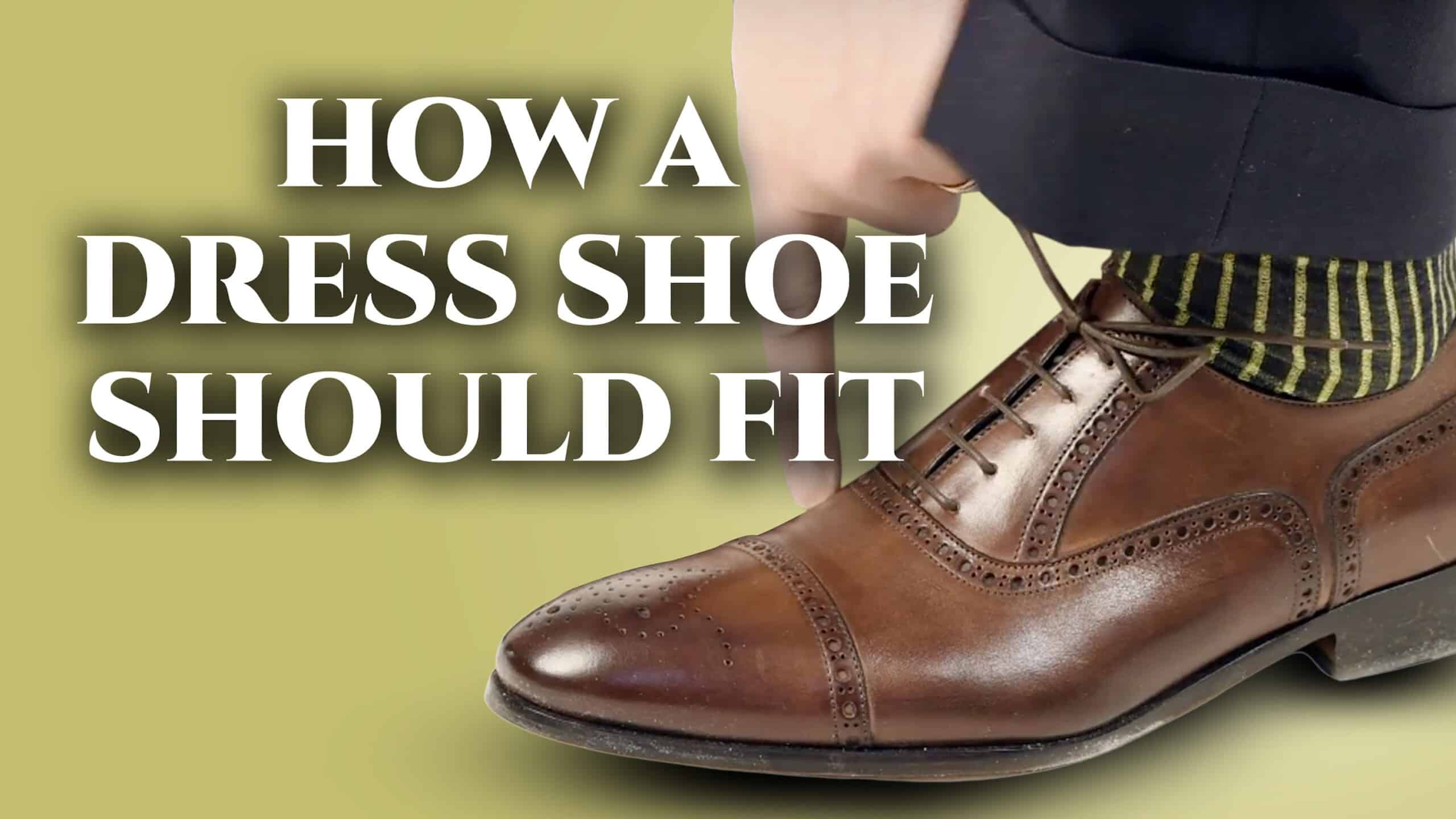
How Dress Shoes Should Fit
A good fit is the most important feature when deciding where to get dress shoes. Style matters, but an attractive shoe that hurts will stay in your closet.
Use this simple fitting test:
-
Try shoes later in the day, when feet may be slightly swollen.
-
Wear the socks you plan to use with the shoes.
-
Make sure your longest toe does not touch the front.
-
Check that the widest part of your foot rests at the widest part of the shoe.
-
Walk for several minutes.
-
Bend your foot and check for sharp pressure points.
-
Confirm that your heel stays mostly in place.
Your toes should have room to move. Do not expect shoes to stretch several sizes. Leather may soften and relax, but it cannot correct a fundamentally wrong fit.
Do not buy tight shoes with the hope that painful break-in will solve everything. Some mild stiffness is normal. Numbness, sharp pain, or pressure on the toes is not.
If one foot is larger, fit the larger foot. You can use an insole or heel grip on the smaller side if needed.
Best Dress Shoe Styles to Consider
Different styles suit different outfits and levels of formality.
Oxford shoes
Oxfords have a closed lacing system and a clean, formal look. Black cap-toe oxfords are among the safest choices for business suits, interviews, and formal events.
Derby shoes
Derbies have an open lacing system and often feel more forgiving across the top of the foot. They work well with business clothing, smart casual outfits, and heavier fabrics.
Loafers
Loafers have no laces and are easy to wear. Penny loafers, tassel loafers, and horsebit loafers can work with trousers, chinos, and some suits.
Monk strap shoes
Monk straps use a buckle instead of laces. They add personality without becoming too casual.
Dress boots
Dress boots offer more ankle coverage and work well in cool weather. Chelsea boots and sleek lace-up boots can pair with suits or tailored trousers.
If you are unsure where to get dress shoes for a first professional wardrobe, choose a simple Oxford or Derby in black or dark brown. Classic styles are easier to match and less likely to look dated.
Common Mistakes to Avoid
Even careful shoppers make mistakes when buying formal footwear. These errors can affect comfort, appearance, and value.
• Buying only by size: Length and width vary by brand and design.
• Shopping in the wrong socks: Thick athletic socks can change the fit.
• Ignoring return policies: Online shoes may not fit as expected.
• Choosing appearance over comfort: Pain is not a sign of quality.
• Buying too many styles at once: Start with one versatile pair.
• Forgetting shoe care: Leather needs cleaning, conditioning, and polishing.
• Wearing the same pair every day: Shoes need time to dry and recover.
• Skipping shoe trees: Cedar shoe trees help maintain shape and absorb some moisture.
• Wearing dress shoes in heavy rain: Water can damage leather and weaken some adhesives.
• Buying counterfeit products: Fake shoes may use poor materials and offer no reliable warranty.
One of the most common mistakes is wearing new dress shoes for a full day right away. Wear them at home for short periods first. This helps you find pressure points before an important event.
How to Care for Dress Shoes
Proper care helps your dress shoes look better and last longer. Start by brushing away dust after each few wears.
For leather shoes:
• Use a soft brush to remove dirt.
• Apply a small amount of leather conditioner when the material looks dry.
• Use matching or neutral shoe cream to restore color.
• Polish the toe and heel for extra shine.
• Insert shoe trees after wearing them.
• Let wet shoes dry at room temperature.
Do not place wet leather shoes next to a heater. Fast heat can dry and crack the leather.
Rotate your shoes when possible. Wearing two or three pairs gives each pair time to air out. Replace worn heel caps or soles before the damage reaches the main structure of the shoe.
Suede needs different care. Use a suede brush and a product made for suede. Avoid ordinary leather polish, which can stain or flatten the nap.
Where to Get Dress Shoes for the Best Value
The best value usually comes from matching the shoe to how often you will wear it. A person who wears formal shoes once a year may not need premium construction. Someone who walks to work each day should invest more in comfort and durability.
Use this value checklist:
• Choose a versatile color.
• Buy a style that fits most of your clothes.
• Prioritize fit over decoration.
• Compare the materials and construction.
• Check the warranty and return policy.
• Read reviews from verified buyers.
• Look for replacement soles or repair services.
• Consider the cost per wear.
For example, a $180 pair worn twice a week for three years may offer better value than a $50 pair replaced every few months. This is not always true, but it shows why the purchase price is only part of the decision.
When asking where to get dress shoes, think beyond the checkout page. Reliable customer service, repair options, and a good return policy can make a major difference.
Frequently Asked Questions About Where to Get Dress Shoes
Where is the best place to get dress shoes?
A specialty shoe store is usually the best choice for fit advice and quality options. Online retailers and brand websites are useful when you know your size and want more selection.
Where can I get affordable dress shoes?
Department stores, outlet stores, and reputable online retailers often offer affordable dress shoes. Shop during seasonal sales, but inspect the materials, fit, and return policy before buying.
Should I buy dress shoes online or in a store?
Buy in a store if you need help with sizing or have difficult-to-fit feet. Online shopping works well when you know the brand, understand the return rules, and can try the shoes indoors.
How much should I spend on dress shoes?
Many shoppers can find a good mid-range pair for about $100 to $250. The right amount depends on how often you wear them, but fit, construction, and comfort matter more than price alone.
What color dress shoes should I buy first?
Black is the most formal and versatile choice for business and formal events. Dark brown is another useful option because it pairs well with navy, gray, tan, and many smart-casual outfits.
How should new dress shoes fit?
Your toes should have room to move, while the heel should remain mostly secure. The shoes should feel comfortable when you walk, with no sharp pressure, numbness, or pinching.
Are expensive dress shoes worth it?
They can be worth it when they provide better materials, repairable construction, and a more comfortable fit. However, a high price does not guarantee quality, so inspect the shoe rather than relying on the brand name.
Conclusion
The best answer to where to get dress shoes depends on your needs. Specialty shoe stores offer expert fitting, department stores provide variety and sales, and online retailers make it easy to compare styles and prices.
Focus on fit, materials, construction, comfort, and return policies. Choose a versatile style, care for it well, and avoid buying a shoe that hurts just because it looks good.
Start by visiting a trusted local store or browsing a reputable retailer with clear sizing details. Compare your options, try the shoes with the right socks, and share your favorite dress shoe shopping tips in the comments.

Rubel Miah is the Senior Editor at MyStyleGrid.com, where he brings a sharp editorial eye and an unshakable love for fashion to everything he does. A true style addict, Rubel lives and breathes trends, from streetwear to high fashion, and has a knack for turning inspiration into impactful stories. With years of experience in fashion journalism and digital media, he curates content that empowers readers to express themselves through style. When he’s not editing features or forecasting the next big thing, you’ll find him hunting down vintage pieces or capturing street style moments around the city.