Use brand take-back programs, local reuse centers, donation sites, or approved textile recycling drop-offs.
Finding where to recycle tennis shoes can feel confusing because many curbside programs do not accept footwear. The best choice depends on the shoe’s condition, your location, and whether a nearby program can reuse or process mixed materials. This guide explains where to recycle tennis shoes, how to prepare them, and how to avoid sending usable shoes to a landfill.
Where to Recycle Tennis Shoes
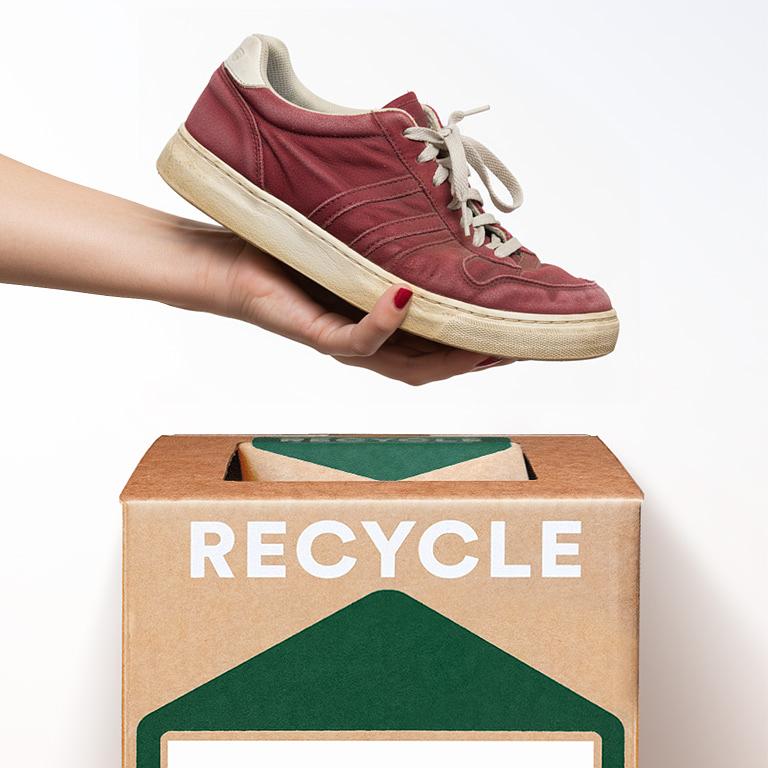
The right place to recycle tennis shoes is usually a brand take-back program, a shoe donation group, or a textile recycling center. Start with reuse whenever possible. Recycling is helpful, but extending a shoe’s life is often the better environmental choice.
Here are the most practical options:
• Brand take-back programs: Some athletic brands collect worn sneakers through store drop-offs or mail-in programs. Availability, accepted brands, and fees can change, so check the current rules before visiting.
• Local textile recycling bins: Some communities accept shoes with clothing and other textiles. Use only a clearly labeled collection bin or facility. Never place shoes beside an unverified bin.
• Shoe donation organizations: Groups such as community clothing banks and shoe-focused charities may accept clean tennis shoes that are still safe to wear.
• Thrift stores and reuse centers: Many thrift stores accept athletic shoes in usable condition. Call first, because each store sets its own rules.
• Municipal recycling centers: A city or county recycling center may have a special textile or shoe collection area. Regular curbside recycling usually does not accept tennis shoes.
• Mail-in recycling services: Some programs provide prepaid labels or collection boxes. Read the terms carefully, since some services charge a fee or accept only certain shoe types.
• Local sports programs: Youth leagues, school teams, shelters, and community centers may welcome gently used shoes.
When deciding where to recycle tennis shoes, ask three simple questions:
- Does the program accept athletic shoes?
- Does it accept your shoe’s condition and brand?
- Does it take both shoes, or only certain materials?
A quick phone call can prevent a wasted trip. Rules often vary by city, store, and season.


Reuse, Donate, or Recycle?
Not every old tennis shoe belongs in the recycling stream. The shoe’s condition should guide your choice.
Donate or reuse shoes when:
• The soles still have useful tread.
• The upper fabric has no large tears.
• The shoe does not smell strongly of mold or chemicals.
• The pair is clean and dry.
• The shoe still provides basic support and stability.
Recycle shoes when:
• The sole is badly worn or separating.
• The fabric is torn beyond repair.
• The shoes are mismatched or heavily damaged.
• The shoes are too worn for safe play or daily walking.
• A recycling program specifically accepts them.
Throwing shoes in the trash should be the last option. However, a shoe with oil, paint, chemical contamination, or dangerous damage may not qualify for donation or recycling. In that case, contact your local waste authority for safe disposal instructions.
A useful rule is simple: if another person could comfortably and safely wear the shoes, donate them. If not, look for a shoe recycling program.


During a community donation drive I once helped organize, people brought bags of shoes that were technically wearable but covered in mud. A quick clean and dry made many pairs acceptable. The lesson was clear: condition affects where to recycle tennis shoes, but basic care can turn waste into a useful donation.
How to Find Where to Recycle Tennis Shoes Near You
Local search is often the fastest way to find a suitable program. Use specific terms rather than searching only for “shoe recycling.”
Try searches such as:
• “Where to recycle tennis shoes near me”
• “Sneaker recycling drop-off near me”
• “Textile recycling center accepting shoes”
• “Athletic shoe donation near me”
• “Shoe take-back program in [your city]”
• “County recycling center footwear”
Check the program’s official website. Collection listings on social media or map apps may be outdated. Look for a recent accepted-items list, operating hours, and instructions for preparing shoes.
You can also contact:
• Your city recycling department
• Your county solid waste office
• Nearby running stores


• Athletic brand stores
• Thrift shops
• Local schools and sports clubs
• Homeless shelters and community aid groups
Ask whether the program accepts tennis shoes, sneakers, cleats, or only clothing. Some textile collectors accept shoes in pairs but reject wet, moldy, or heavily damaged items.
A reliable search process takes only a few minutes:
- Search for local shoe or textile programs.
- Open the official program page.
- Confirm that athletic shoes are accepted.
- Check whether the service is free.
- Clean and tie the shoes together.
- Drop them off or follow the mailing instructions.
This method is more dependable than placing shoes in a general recycling cart.

Can Tennis Shoes Go in the Recycling Bin?
In most communities, tennis shoes cannot go in the regular curbside recycling bin. These bins are designed for materials such as paper, cardboard, metal cans, glass bottles, and approved plastic containers.
Tennis shoes contain several materials joined together:
• Rubber or foam soles
• Synthetic mesh
• Polyester or nylon fabric
• Leather or synthetic leather
• Adhesives


• Thread
• Plastic support pieces
Most recycling facilities are not designed to separate these materials. Shoes can also wrap around sorting equipment and cause expensive shutdowns. For that reason, placing tennis shoes in a curbside bin can contaminate the load or create a safety problem.
Some specialty programs use shredding, grinding, or manual sorting. The recovered materials may become playground surfaces, gym flooring, padding, insulation, or other products. Results vary by program, and not every collected shoe is fully recycled.
This is why knowing where to recycle tennis shoes matters. A labeled shoe collection point is far better than a standard recycling cart.
How to Prepare Tennis Shoes for Recycling
Good preparation helps workers sort shoes and protects other donated items. It also gives your shoes a better chance of being reused.
Follow these steps:
- Remove dirt and mud with a brush or damp cloth.
- Let the shoes dry completely.
- Take out stones, paper, socks, or personal items.
- Wash the laces if they are very dirty.
- Tie the laces together or fasten the pair with a reusable band.
- Keep each pair together.
- Do not bag wet shoes in plastic.
- Follow the collection site’s packaging instructions.
Avoid putting shoes in a donation box if they contain mold, fuel, paint, or harsh chemicals. Do not send shoes with exposed nails, sharp metal, or broken parts that could injure someone.
You usually do not need to remove the soles, insoles, or laces. Most take-back programs prefer complete shoes. Only separate parts if the program specifically requests it.
One mistake I see often is placing wet shoes in a sealed garbage bag. Moisture creates odor and mold, which can cause a donation center to reject the entire bag. Dry shoes outdoors in a shaded, well-ventilated place before drop-off.
What Happens to Recycled Tennis Shoes?
The process depends on the organization and the shoe’s condition. A collection center may first inspect the shoes for reuse. Pairs in good shape can go to resale, donation, or community distribution.
Shoes that are not wearable may be sorted by material or processed as mixed footwear. Some programs shred or grind the shoes into smaller pieces. These pieces may be used in products such as:
• Athletic flooring
• Playground surfaces
• Carpet padding
• Shock-absorbing mats
• Insulation
• Manufactured fillers
This process is not the same as turning every shoe into a brand-new shoe. Mixed materials and strong adhesives make closed-loop recycling difficult. Some programs also send collected shoes to overseas markets, where the final outcome may be hard for consumers to verify.
Trustworthy programs explain what they accept and how they handle donations. Be cautious when a collection point makes broad claims but provides no details about its partners or process.
The United States Environmental Protection Agency has repeatedly emphasized the value of reducing waste and keeping useful materials in circulation. Still, recycling should support—not replace—durable design, repair, reuse, and thoughtful buying.

What to Do With Tennis Shoes That Are Still Wearable
Donation is often the best answer when shoes remain safe and comfortable. A clean pair can help someone who needs footwear for work, school, exercise, or daily travel.
Consider these donation options:
• Local thrift stores
• Homeless shelters
• Family support centers
• School clothing closets
• Youth sports programs
• Community free stores
• Disaster relief groups
• Shoe donation drives
Call before donating. Some organizations can accept only certain sizes, styles, or conditions. Others may have seasonal needs, such as athletic shoes for students before the fall sports season.
Do not donate shoes that are worn down enough to cause pain or injury. A shoe with a smooth sole, collapsed heel, or broken support may look acceptable but fail during running or court play.
If the shoes are lightly worn but no longer fit, clean them and offer them to a friend, neighbor, or local “buy nothing” group. Direct reuse is simple and can keep a pair in service without extra transportation or processing.
Ways to Reduce Tennis Shoe Waste
Knowing where to recycle tennis shoes is useful, but buying fewer replacement pairs creates an even larger benefit. Tennis shoes often wear out because of poor fit, moisture, or use on the wrong surface.
You can extend their life by:
• Using court shoes on courts and running shoes on roads or trails.
• Allowing shoes to air out between workouts.
• Rotating two pairs when possible.
• Replacing worn insoles when the shoe structure is still sound.
• Cleaning dirt soon after outdoor use.
• Avoiding washing machines unless the manufacturer allows it.
• Storing shoes in a dry, cool place.
• Choosing durable shoes with repairable or replaceable parts when available.
Do not continue using shoes that cause new pain or feel unstable. Comfort and injury prevention come first. A recycled shoe is helpful, but a safe shoe is more important.
When shopping, look for clear material information, take-back options, and realistic durability claims. “Eco-friendly” labels can mean many things, so check whether the brand explains the actual material and end-of-life process.

Mistakes to Avoid When Recycling Tennis Shoes
Small mistakes can cause a donation or recycling load to be rejected. Avoid these common problems:
• Putting tennis shoes in curbside recycling without checking local rules.
• Donating shoes that are wet, moldy, or unsafe.
• Sending only one shoe when the program requires a pair.
• Leaving trash, socks, or personal items inside.
• Assuming every store accepts every brand.
• Trusting an old collection-bin listing without verifying it.
• Mixing shoes with household hazardous waste.
• Paying a shipping fee before reading the program’s conditions.
• Removing parts when the program wants complete shoes.
The phrase where to recycle tennis shoes does not have one universal answer. Local rules matter, and programs change. Always confirm current instructions before making a trip or mailing a pair.
Frequently Asked Questions About Where to Recycle Tennis Shoes
Where can I recycle tennis shoes for free?
You may find free options through brand take-back programs, local textile collection sites, municipal recycling centers, or community shoe drives. Confirm acceptance rules first, because some mail-in services charge handling or shipping fees.
Can I put old tennis shoes in the recycling bin?
Usually, no. Most curbside recycling systems cannot sort mixed footwear, so use a dedicated shoe or textile program instead.
Should I donate or recycle worn tennis shoes?
Donate shoes if they are clean, dry, and safe to wear. Recycle them through an approved program when they are too damaged for practical use but are not contaminated with chemicals or mold.
Do tennis shoes need to be washed before recycling?
They should be clean and dry, but they do not always need a full wash. Remove mud and debris, air them out, and follow the collection site’s preparation rules.
Can I recycle tennis shoes from any brand?
Some programs accept all athletic shoe brands, while others collect only specific products. Check the program’s official accepted-items list before dropping off your shoes.
What happens to tennis shoes after collection?
Wearable shoes may be donated or resold. Damaged shoes may be sorted, shredded, or processed into materials for flooring, mats, padding, or other products, depending on the program.
Conclusion
The best answer to where to recycle tennis shoes depends on condition and local access. Donate clean, safe shoes whenever possible, and use a verified brand, textile, or municipal program for pairs that are too worn to wear.
Keep shoes dry, tie pairs together, and confirm the rules before visiting a drop-off site. A few extra minutes can prevent useful footwear from reaching the landfill and help collection workers handle it safely. Search for a verified program in your area today, and share your local recycling option with someone else who may need it.

Rubel Miah is the Senior Editor at MyStyleGrid.com, where he brings a sharp editorial eye and an unshakable love for fashion to everything he does. A true style addict, Rubel lives and breathes trends, from streetwear to high fashion, and has a knack for turning inspiration into impactful stories. With years of experience in fashion journalism and digital media, he curates content that empowers readers to express themselves through style. When he’s not editing features or forecasting the next big thing, you’ll find him hunting down vintage pieces or capturing street style moments around the city.