Brooks Sports, Inc. designs and sells Brooks running shoes, while independent factories make them worldwide.
The question of who makes Brooks running shoes has two parts: the company behind the brand and the factories that produce each pair. Brooks Sports, Inc. manages the design, testing, materials, and quality standards, while its global manufacturing partners build the shoes. This guide explains the ownership, production process, country of origin, quality checks, and what to look for before you buy.
Who makes Brooks running shoes?
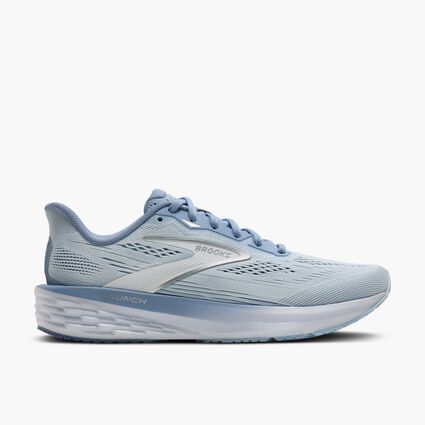
Brooks Sports, Inc. makes Brooks running shoes. It is the company responsible for the Brooks brand, including popular lines such as the Ghost, Adrenaline GTS, Glycerin, Launch, and Hyperion.
Brooks designs its shoes in the United States and works with manufacturing partners in different countries. So, the best answer to who makes Brooks running shoes is not one factory or one country. Brooks owns the product design and standards, while approved factories handle much of the physical production.
Brooks is headquartered in Seattle, Washington. Its teams work on:
• Shoe design and fit
• Cushioning and support systems
• Upper materials and construction
• Running research and testing
• Product safety and quality control
• Retail and customer service
This structure is common in the athletic footwear industry. A brand may create the shoe, but a specialized factory may assemble it.

Who owns Brooks Running?
Brooks Running is owned by Berkshire Hathaway, Inc., the large American company led for many years by Warren Buffett. Berkshire Hathaway acquired Brooks in 2006.
Brooks operates as a separate business within the Berkshire Hathaway group. This means Brooks controls its footwear design, marketing, athlete partnerships, and day-to-day operations. Berkshire Hathaway provides corporate ownership but does not personally design or stitch each running shoe.
When people ask who makes Brooks running shoes, they sometimes mean who owns the company. The answer is Berkshire Hathaway. When they mean who designs and sells the shoes, the answer is Brooks Sports, Inc.
This distinction matters because ownership and manufacturing are different things:
• Berkshire Hathaway owns the business.
• Brooks Sports, Inc. develops and sells the products.
• Contract factories manufacture many of the shoes.
• Suppliers provide foam, rubber, mesh, threads, and other parts.
Brooks remains a focused running brand. It does not operate like a general fashion company with many unrelated product lines.


Where are Brooks running shoes made?
Brooks running shoes are made in several countries, depending on the model, materials, production schedule, and factory assignment. Many athletic shoes are produced in Asia because the region has deep footwear expertise and large specialized factories.
A Brooks shoe may have a country-of-origin label such as Vietnam, China, Taiwan, or another manufacturing location. The exact location can change over time. It can also differ between shoe models and production batches.
To find the origin of your pair, check:
• The label inside the shoe
• The product box
• The product page from an authorized retailer
• The country-of-origin information required by local law
The phrase “Made in” normally identifies where the shoe received its main manufacturing work. It does not mean every material came from that country. A shoe made in Vietnam, for example, may use foam, rubber, fabric, or adhesives from several regions.
Therefore, who makes Brooks running shoes is best answered with a supply-chain view. Brooks sets the rules and specifications, while global partners turn those specifications into finished shoes.

Does Brooks manufacture its own shoes?
Brooks generally uses independent manufacturing partners rather than owning every factory that produces its footwear. These partners specialize in athletic shoes and follow Brooks’ production requirements.
Outsourcing manufacturing is not unusual. Nike, Adidas, New Balance, and many other major footwear brands also use global factory networks. Building and operating every factory would require enormous costs and would make it harder to adjust production for seasonal demand.
Brooks still has control over key parts of the process. Its teams decide:
• The shape and fit of the shoe
• The density and type of cushioning foam
• The rubber layout on the outsole
• The support features
• The materials used in the upper
• The test standards for performance and durability
The factory follows those instructions. It cuts materials, forms components, bonds layers, stitches the upper, attaches the sole, checks the finished shoe, and packs it for shipment.
So, the answer to who makes Brooks running shoes is not “the factory alone.” The finished product comes from cooperation between Brooks designers, material suppliers, engineers, quality teams, and manufacturing partners.
How Brooks running shoes are designed
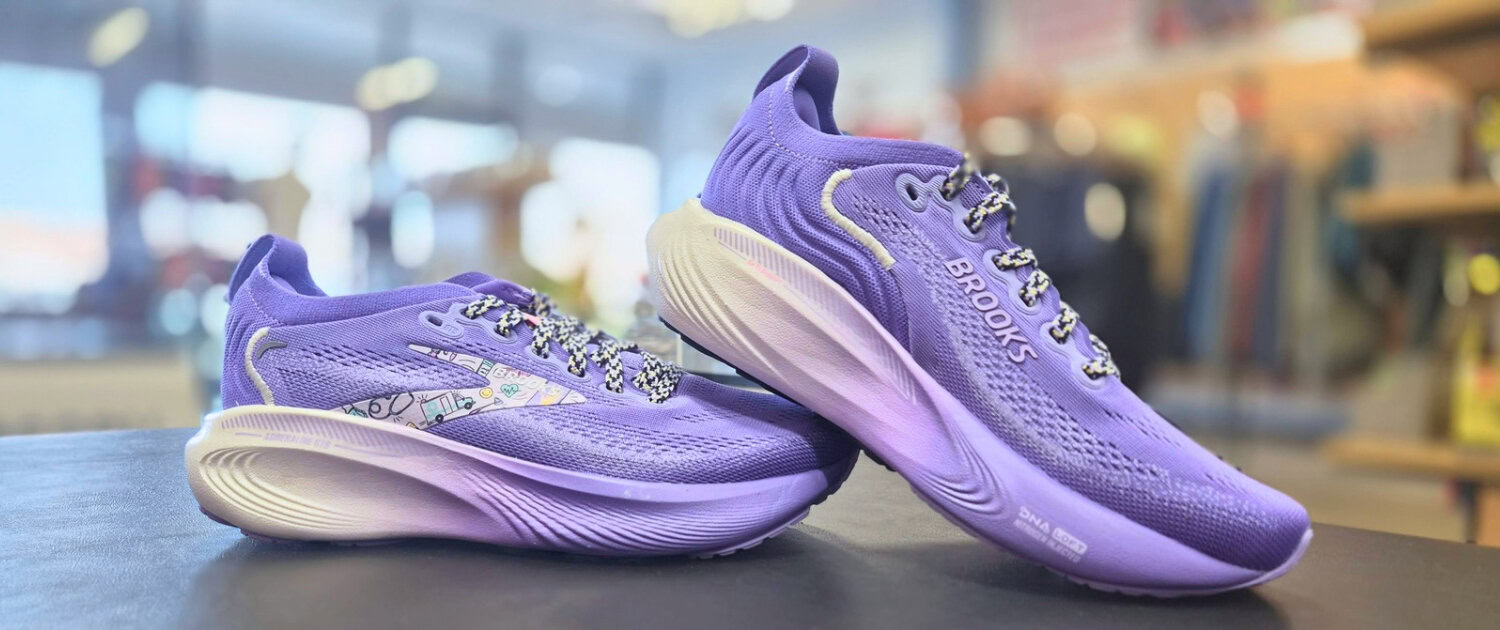
Brooks designs shoes around the needs of runners. The company studies how shoes feel during walking, easy running, long runs, speed work, and daily training.


A running shoe is more than foam and fabric. Small changes can affect comfort, weight, stability, and energy use. Designers must balance these features without making the shoe feel stiff or heavy.
The design process may include:
- Identifying a runner need, such as soft cushioning or added guidance
- Creating digital and physical prototypes
- Testing fit across many foot shapes
- Measuring cushioning and flexibility
- Running wear tests with athletes and staff
- Adjusting the upper, midsole, or outsole
- Checking the final design in production samples
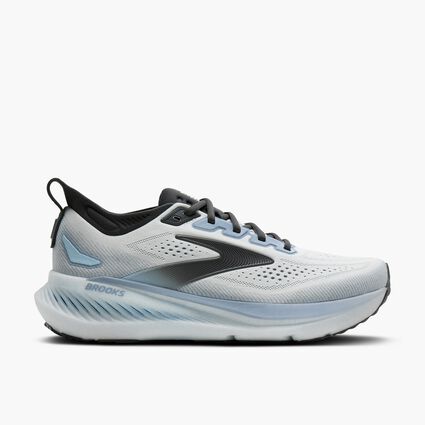
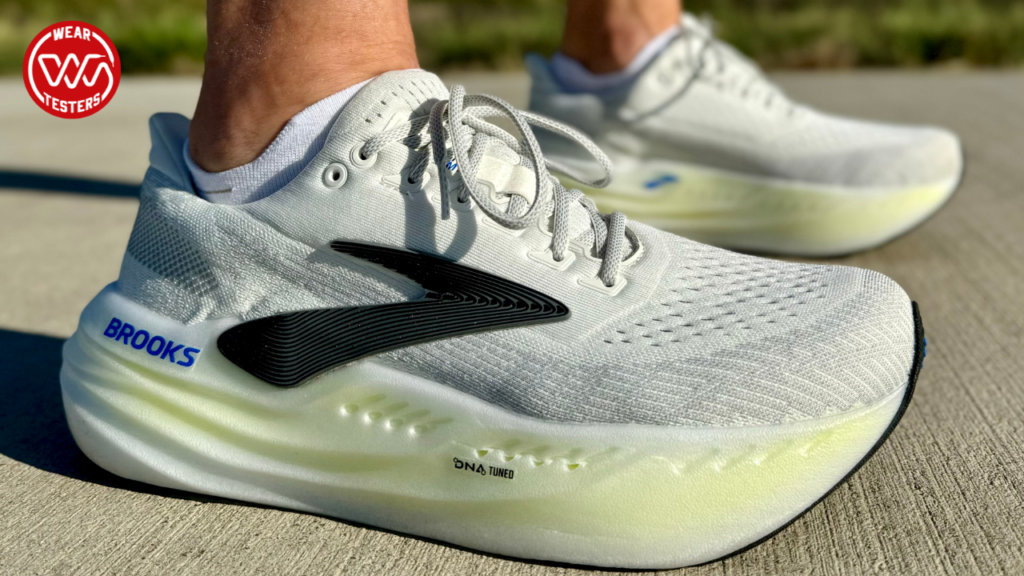
Brooks uses technologies such as DNA LOFT cushioning, GuideRails support, and different rubber compounds across its product range. These features are not identical in every model. A Brooks Ghost will feel different from an Adrenaline GTS or a Glycerin.
In practical terms, who makes Brooks running shoes involves a long design chain. The factory assembles the shoe, but Brooks engineers determine how that shoe should fit and perform.
How Brooks tests shoe quality
Quality control begins before a shoe reaches a store. Brooks and its manufacturing partners inspect materials, construction, sizing, color, bonding, and overall finish.
Common footwear checks include:
• Measuring the shoe against approved size patterns
• Checking that the upper is stitched correctly
• Testing the bond between the midsole and outsole
• Looking for wrinkles, gaps, or loose threads
• Comparing the left and right shoes
• Inspecting logos, labels, and packaging
• Testing sample shoes for wear and flex
Running shoes also face repeated stress. The outsole hits the ground hundreds of times during a typical run. The foam compresses, the upper bends, and the heel counter must keep its shape.
No running shoe lasts forever. A shoe can wear out sooner when used on rough roads, in wet conditions, or for activities beyond running. Body weight, gait, mileage, and running surface also affect lifespan.
My practical advice is simple: do not judge a shoe only by its appearance in the box. Walk in both shoes, check for pressure points, and use them for several short sessions before committing to long runs. A small fit problem can become a large blister during a half marathon.

Are Brooks running shoes made in the USA?
Most Brooks running shoes are not made entirely in the United States. Like most major performance footwear brands, Brooks uses an international supply chain and overseas manufacturing partners for many products.
The design, research, business, and product management work may be based in the United States. However, the physical shoe may be assembled in another country.
“American brand” and “Made in USA” do not mean the same thing. A brand can be American-owned or American-designed without manufacturing every product domestically.


If U.S. production is important to you, check the label on the exact pair. Do not rely only on the brand’s country of headquarters. The manufacturing location can vary by model and production run.
This is another reason the answer to who makes Brooks running shoes needs context. Brooks is an American running brand, but its shoes are part of a global production system.
Are Brooks running shoes good quality?
Brooks running shoes are widely respected for comfort, fit options, and consistent performance. They are especially popular with daily runners, walkers, new runners, and people who spend many hours on their feet.
Quality is not the same as personal comfort, though. A well-made shoe can still be wrong for your foot shape or running style.
Consider these factors:
• Cushioning preference: Choose a softer or firmer feel based on comfort.
• Foot width: Brooks offers several width options on many models.
• Stability needs: Some runners prefer guidance features such as GuideRails.
• Running surface: Road shoes differ from trail shoes.
• Weekly mileage: Frequent runners may need more than one pair.
• Fit: Your toes need room to spread without your heel slipping.
A common mistake is choosing a shoe because a friend likes it. Feet differ. Even runners with similar pace and distance may need different shoes.
I have found that the most useful test is not a quick step in a store. Walk, jog, and pay attention to your heel, arch, toes, and forefoot. Comfort is valuable evidence. It often tells you more than a long feature list.
How to tell if Brooks shoes are authentic
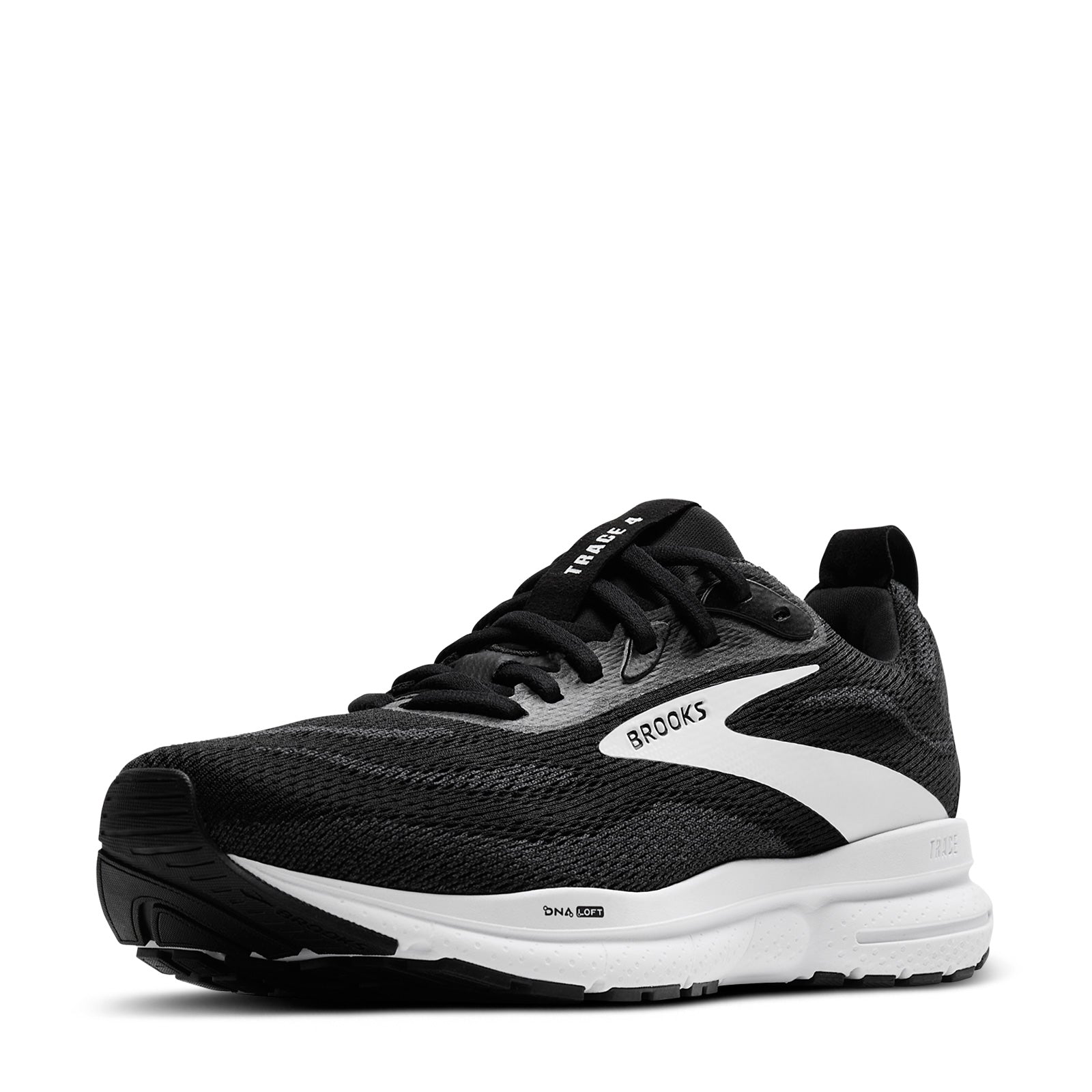
Buying from an authorized retailer is the safest way to avoid counterfeit Brooks shoes. A genuine pair should have clear labels, clean construction, matching product details, and a reasonable retail price.
Be careful when a seller offers a new popular model at an unusually low price. A discount can be legitimate, but extreme discounts deserve closer inspection.
Check the following:
• The model name and color should match the box.
• The size label should look clean and complete.
• The Brooks logo should be sharp and correctly placed.
• Stitching should be even and secure.
• The midsole should not show poor bonding or excess glue.
• The seller should provide a clear return policy.
• Product photos should not appear copied or misleading.
Counterfeit shoes may look convincing online. They can use different foam, weak glue, poor rubber, or inaccurate sizing. That can affect comfort and injury risk.


If you are researching who makes Brooks running shoes before buying, also research who is selling them. A trustworthy seller is part of a safe purchase.
What is the difference between Brooks and its factory partners?
Brooks creates the product requirements. Factory partners perform much of the physical work needed to build the shoe.
Think of it like a restaurant recipe. Brooks creates the recipe, selects the ingredients, defines the cooking result, and checks the meal. The factory prepares the meal by following those instructions at scale.
The relationship includes several layers:
• Brooks product teams define the shoe.
• Material suppliers produce foam, mesh, rubber, and other parts.
• Factories assemble the components.
• Quality teams inspect samples and finished goods.
• Distribution centers ship shoes to stores and customers.
This system allows Brooks to focus on running performance while using factories with specialized equipment and trained workers.
It also creates limits. Brooks may not control every detail of every supplier several levels down the chain. Public supply-chain information can change, and factory assignments may not remain fixed. Responsible readers should separate confirmed facts from assumptions about a specific pair.
How to choose the right Brooks running shoe
Knowing who makes Brooks running shoes is useful, but choosing the right model matters more for your daily experience. Start with your use case rather than the marketing name.
Use this simple process:
- Decide where you will run. Choose road shoes for pavement and trail shoes for dirt, rocks, and uneven paths.
- Identify your main goal. Daily training, walking, racing, and speed work may need different designs.
- Check your width. A shoe that is too narrow can cause numb toes and blisters.
- Compare cushioning. Soft foam feels plush, while firmer foam may feel more direct.
- Try both shoes. Feet are rarely identical in size or shape.
- Walk and jog indoors before wearing them outside.
- Keep the receipt until you know the fit works.
Do not assume that a stability shoe is automatically better. Support features should match your comfort and movement needs. If you have persistent pain, consult a qualified medical professional or running specialist.
The best Brooks shoe is the one that fits well, feels comfortable, and suits your activity. Brand loyalty should never replace a proper fit.
Frequently asked questions about who makes Brooks running shoes
Who makes Brooks running shoes?
Brooks Sports, Inc. designs, develops, and sells Brooks running shoes. Independent manufacturing partners in several countries produce many of the finished shoes under Brooks’ specifications.
Is Brooks owned by Nike?
No. Brooks is not owned by Nike. Brooks is owned by Berkshire Hathaway, Inc., while Brooks operates as its own running footwear company.
Are Brooks running shoes made in China?
Some Brooks shoes may be made in China, but the manufacturing country varies by model and production run. Check the label inside the shoe or the product box for the exact origin.
Are Brooks running shoes made in Vietnam?
Some Brooks shoes are made in Vietnam, which is a major center for athletic footwear production. However, not every Brooks model comes from Vietnam, so confirm the country on the specific pair.
Are Brooks running shoes made in the USA?
Brooks is an American running brand with headquarters in Seattle, but many of its shoes are manufactured overseas. The label on each pair provides the most reliable country-of-origin information.
Does Brooks own the factories that make its shoes?
Brooks generally works with independent manufacturing partners rather than owning every factory. It sets product specifications and quality requirements, while factory partners handle much of the assembly.
How long do Brooks running shoes last?
Many runners replace road running shoes after roughly 300 to 500 miles, but actual life varies. Surface, body weight, running style, shoe model, and visible wear all affect replacement timing.
Conclusion
Brooks Sports, Inc. designs and sells Brooks running shoes, while Berkshire Hathaway owns the Brooks business. Independent factories around the world manufacture many of the shoes, and the exact country can vary by model and production batch.
The clearest way to understand who makes Brooks running shoes is to separate ownership, design, and manufacturing. Check the label for the country of origin, buy from a trusted retailer, and focus on fit rather than assumptions about where a shoe was made.
Before your next purchase, compare the model, width, cushioning, and intended use. Explore Brooks’ official product details, test the shoes carefully, and share your experience with other runners.
Madison Clark is a footwear expert and the voice behind MyStyleGrid.com. She specializes in honest shoe reviews, style tips, and practical guides to help readers find the perfect pair for any occasion. With years of experience in blogging and content creation, Madison makes footwear knowledge simple, stylish, and easy to follow.