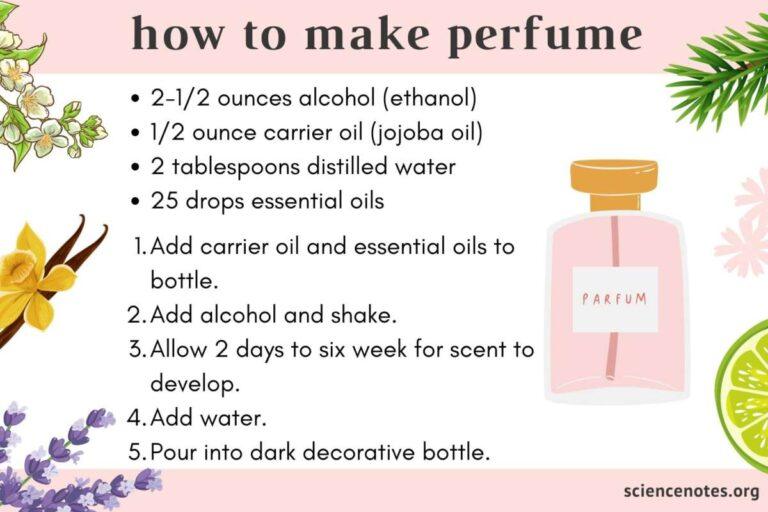
Mix essential oils, a high-quality ethanol base, and distilled water; measure, blend, rest, and filter.
I have made dozens of small-batch colognes and trained with perfumers. This guide on how to make cologne walks you through the full process. You will learn the basics of fragrance structure, safe ingredient choices, a clear step-by-step recipe, blending tips, and common mistakes I’ve seen. Read on to make a balanced, wearable cologne at home with confidence.

Why make your own cologne?
Making your own cologne gives you control over scent, strength, and ingredients. You avoid unwanted additives and create scents that match your style. Hobby perfumers and small brands use the same basic steps I’ll show you here. Learning how to make cologne also sharpens your nose and builds design skill.

Understanding cologne: notes, concentration, and smell structure
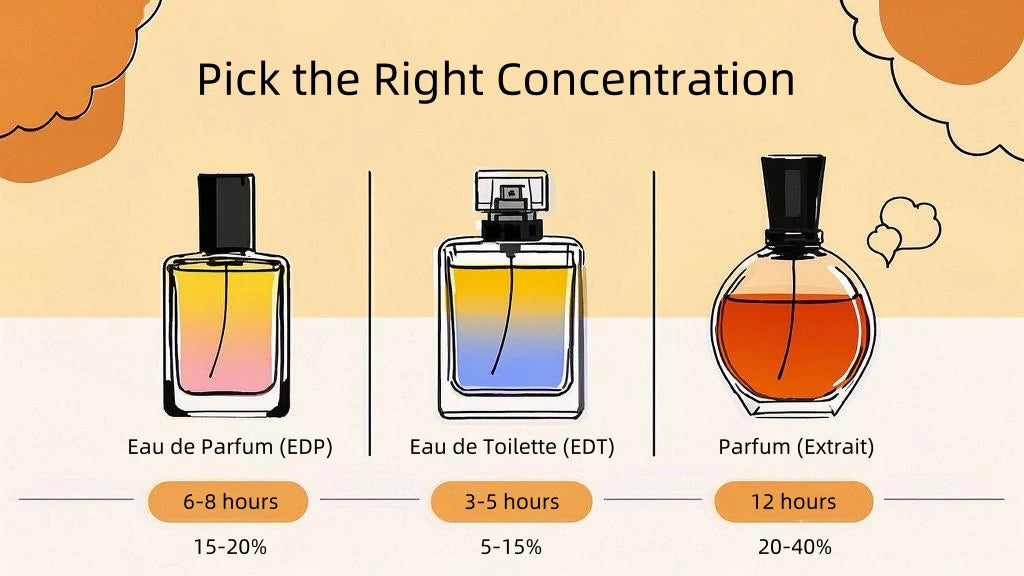
Cologne follows a simple scent pyramid: top, middle, and base notes. Top notes are bright and evaporate fast. Middle notes hold the heart of the scent. Base notes add depth and longevity. Concentration matters. Eau de Cologne usually has 2–5% fragrance in alcohol. Eau de Toilette is stronger, often 5–15%. Knowing this helps when you plan how to make cologne to suit wear and season.

Ingredients and tools you need
Keep ingredients pure and measured. Use these items to make cologne safely.
- Ingredients
- Ethanol 95% (perfumer’s alcohol or high-proof grain alcohol)
- Distilled water
- Essential oils and aroma compounds (top, middle, base)
- Fixatives like benzoin, labdanum, or approved synthetic fixatives
- Optional: fractionated coconut oil for oil-based sprays
- Tools
- Glass graduated pipettes and syringes
- Dark glass bottles for storage
- Small funnels and glass mixing beakers
- Labels and a notebook for formulas
Use glass only. Avoid plastic with essential oils. I always keep a lab notebook to track recipes and dates.

How to make cologne: a simple, reliable recipe (step-by-step)
This recipe makes a 30 mL batch at about 8% concentration. It’s a balanced, fresh woody-citrus cologne suitable for beginners.
Ingredients (for 30 mL)
- Ethanol 95% — 27.6 mL
- Distilled water — 2.4 mL
- Total fragrance (8%) — 2.4 mL (distributed among oils)
Suggested oil split (total 2.4 mL)
- Top notes (40% of fragrance): bergamot 0.96 mL, lemon 0.02 mL
- Middle notes (30%): lavender 0.72 mL
- Base notes (30%): cedarwood 0.72 mL
Steps
- Sanitize all tools and bottles with hot water and let dry. Work in a clean, ventilated space.
- Measure fragrance oils with pipettes into a glass beaker. Add fixatives if used. Record amounts. Blend the oils gently.
- Add ethanol to the oils. Stir or gently swirl for two minutes to mix.
- Add distilled water slowly while stirring. Adjust clarity if cloudiness appears by adding a small amount more ethanol.
- Transfer the mix to a dark glass bottle. Cap it tightly.
- Age the cologne in a cool, dark place for at least two weeks. Shake gently every few days.
- After aging, filter if needed through coffee filter into the final bottle.
This is the core of how to make cologne at home. Small changes in ratios change the result.

Blending tips, testing, and maturing
Blending is both art and science. Test in small amounts first. Use blotter strips and skin tests.
- Start with small sample batches (5–10 mL).
- Follow the 30/50/20 rule for a quick heart-centered mix: 30% top, 50% middle, 20% base as a testing template.
- Keep a scent diary. Note perception at one minute, 30 minutes, and four hours.
- Age (macération) matters. A fresh blend can smell sharp. Maturing softens edges and improves cohesion.
- If a scent is too sharp, add a small amount of a base note or a mild fixative.
From my experience, patience improves the outcome more than adding more oil. Let the mix settle before judging it.

Safety, allergens, and legal considerations
Safety must come first when you learn how to make cologne. Essential oils can irritate or cause allergic reactions.
- Patch test new blends on skin before wide use. Wait 24 hours.
- Respect usage guidelines for certain oils. Some oils are phototoxic (e.g., bergamot) and require limits in skin products.
- Label ingredients clearly for personal and potential customer use.
- Follow local regulations on selling fragrances. There are rules about allergen labeling and fragrance ingredient disclosures.
- Store alcohol away from heat and open flame. Use childproof storage if needed.
I once overused a phototoxic oil in a summer cologne. The result taught me to read safe use levels carefully.

Common mistakes and how to avoid them
Beginners often make similar errors when learning how to make cologne. Spot them early.
- Using too many strong top notes at once — keeps the blend unbalanced. Limit strong citrus or minty oils.
- Skipping maturation — judging a scent too soon leads to rework. Give it time.
- Poor measurement — use syringes and pipettes for accuracy.
- Mixing incompatible scent families without a bridge note — middle notes often bridge citrus to woods.
- Ignoring fixatives — without fixatives, scent fades fast.
A clear plan and notes prevent most issues. Test and iterate.
Storage, shelf life, and packaging
Store cologne in cool, dark places to extend life. Bottle choice affects quality.
- Use dark glass bottles to reduce light damage.
- Keep caps tight to reduce evaporation.
- Typical shelf life is 2–5 years for alcohol-based colognes. Citrus-heavy blends may fade faster.
- Oil-based sprays can last longer but behave differently on skin.
- Label with date and batch number for tracking.
I label every bottle with the creation date. That helps when I compare aging results.
Advanced variations and how to develop your signature scent
Once you master basics of how to make cologne, explore layered complexity.
- Try accords — small, repeatable blends for top, middle, or base that you reuse.
- Use absolutes and isolates for finer nuances. They cost more but refine a scent.
- Create seasonal versions: lighter, citrusy blends for summer; resinous, spicy blends for winter.
- Consider a signature modifier, a unique note that appears in many of your colognes to create identity.
Experimentation is key. Keep records of what works and what does not.
Frequently Asked Questions of how to make cologne
What is the easiest way to start making cologne at home?
Begin with a small 10 mL test batch using a simple 3-note formula: one top, one middle, one base. Use ethanol and distilled water and age for two weeks before judging the scent.
How long should I let homemade cologne age?
Age for at least two weeks; many formulas benefit from 4–6 weeks. Longer aging often improves smoothness and balance.
Can I use carrier oils instead of alcohol?
Yes. Oil-based colognes use fractionated coconut oil or jojoba. They last longer on skin but feel heavier and diffuse less than alcohol-based colognes.
How much essential oil should I use for a 50 mL cologne?
For an 8% concentration in 50 mL, use about 4 mL of total fragrance oil. Adjust up to 15% for stronger Eau de Toilette styles.
Are essential oils safe to apply directly to skin?
No. Most essential oils should be diluted. Do a patch test and follow safety limits for phototoxic oils and children or pregnant people.
Conclusion
Making cologne is a learnable craft that blends creativity with simple chemistry. You now know how to make cologne step-by-step, from ingredients and tools to blending, aging, and safety. Start small, keep notes, and be patient with maturation. Try the beginner recipe, tweak it, and develop a signature scent over time. If you enjoyed this guide, try one test batch today, share your results, and subscribe for more fragrance-making tips.

Rubel Miah is the Senior Editor at MyStyleGrid.com, where he brings a sharp editorial eye and an unshakable love for fashion to everything he does. A true style addict, Rubel lives and breathes trends, from streetwear to high fashion, and has a knack for turning inspiration into impactful stories. With years of experience in fashion journalism and digital media, he curates content that empowers readers to express themselves through style. When he’s not editing features or forecasting the next big thing, you’ll find him hunting down vintage pieces or capturing street style moments around the city.