Keep your body clean, hydrate well, choose fabrics, and use natural scent boosters.
I’ve spent years testing simple tricks and routines to help people learn how to smell good without cologne. This guide breaks down the science behind body odor, the daily habits that matter most, clothes and laundry tips, natural scent options, diet and lifestyle tweaks, and quick routines you can use right away. You’ll get practical steps and real-life advice that work for long days, travel, or sensitive skin — all without relying on cologne.

Why body odor happens (a quick science primer)
Body odor comes from sweat mixing with skin bacteria. Sweat itself is mostly water and salt. Odor appears when bacteria break down proteins and lipids in sweat and release smelly compounds.
Two key sweat glands matter:
- Eccrine glands produce watery sweat to cool you down.
- Apocrine glands in armpits and groin produce thicker sweat. Bacteria feed on this and make odor.
Other causes to know:
- Diet and spices can change the smell of your sweat.
- Hormones, stress, and some medicines can increase odor.
- Medical conditions like trimethylaminuria or infections can cause persistent smell.
Knowing the cause helps pick the right solutions when learning how to smell good without cologne.

Daily habits that make you smell fresh all day
Good daily habits beat a quick spray. Consistency is key.
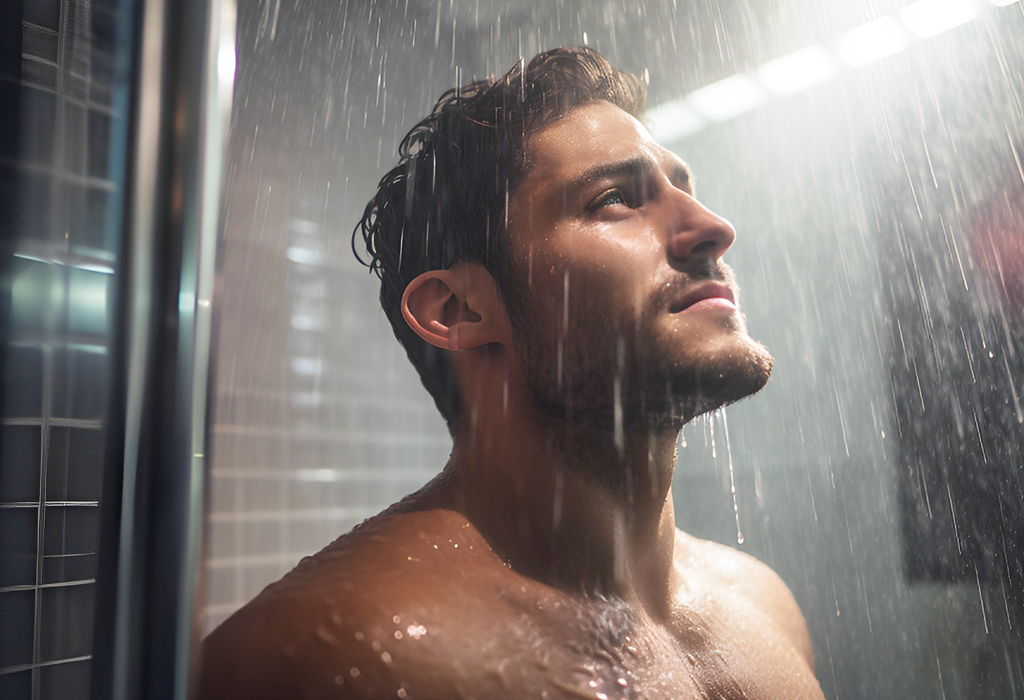
Shower smart
- Use a gentle antibacterial or pH-balanced soap on armpits, groin, and feet.
- Shower after heavy exercise or when you sweat a lot.
- Dry fully; bacteria love damp skin.
Use deodorant or antiperspirant correctly
- Apply antiperspirant at night to block sweat pores for next day.
- Use deodorant during the day to neutralize odor. Natural deodorants work for many people but test for irritation.
Grooming and hair care
- Keep underarm and pubic hair trimmed. Less hair means less odor trap.
- Wash and condition hair regularly; scalp oils can hold scent.
Oral hygiene
- Brush twice daily and floss. Bad breath affects how others perceive your overall scent.
- Use sugar-free mints or a tongue scraper after meals if needed.
Foot care
- Change socks daily. Wear moisture-wicking socks for long days.
- Let shoes dry fully; rotate pairs to avoid trapped odors.
Small habit wins add up fast when you want to learn how to smell good without cologne.

Clothing and laundry tips that reduce stink
Your clothes can hold odor even after light washing. Clothes care matters.
Pick odor-friendly fabrics
- Natural fibers like cotton, linen, and wool often breathe better.
- Technical fabrics wick sweat and reduce odor during workouts.
Laundry habits
- Wash sweaty clothes promptly. Don’t let them sit in a gym bag.
- Use the right detergent and a cup of white vinegar every few washes to strip buildup.
- Dry clothes fully in sunlight when possible; UV helps kill bacteria.
Storage and quick fixes
- Air out jackets and shoes after use.
- Use baking soda or activated charcoal sachets in closets to absorb smells.
These steps make a big difference if you want to smell good without cologne and keep clothes fresh between washes.

Natural scent boosters and safe grooming products
If you want a subtle scent without cologne, try gentle, skin-safe options.
Top natural boosters
* Lightly scented body lotions or unscented lotion mixed with a drop of essential oil.
- A dab of diluted essential oil on hairbrush bristles or clothing edges (test first).
- Scented soaps or shower gels with natural extracts for a base scent.
Be safe with essential oils
- Dilute oils like lavender, bergamot, or cedarwood in a carrier oil. Use small amounts.
- Patch test to avoid allergic reactions. Avoid citrus oils on skin before sun exposure.
Scent layering alternatives
- Scented hair products leave a subtle trail.
- Moisturizers and deodorants with mild natural scents build a long-lasting, not overpowering, aroma.
These options help you smell good without cologne while keeping control over intensity and sensitivity.
Diet, hydration, and lifestyle: what you eat matters
What you eat can change how you smell. Small food choices help a lot.
Foods that can cause stronger body odor
- Garlic, onion, strong spices, and some cruciferous vegetables can alter sweat smell.
- Red meat is linked in some studies to stronger body odor in certain people.
Foods that help
- Hydration dilutes sweat and reduces concentration of odor compounds.
- Fresh fruits, green tea, and foods rich in chlorophyll can help neutralize internal odor.
- Probiotics may support gut balance and reduce odor linked to digestion issues.
Lifestyle factors
- Smoking and heavy alcohol use can worsen body smell.
- Manage stress; stress sweat is more odor-prone due to apocrine gland activity.
Diet changes are a slow but powerful lever for how to smell good without cologne.

Quick routines and a travel kit for smelling fresh on the go
Simple routines make it easy to stay fresh away from home.
Morning routine
- Shower or use a washcloth to clean key areas.
- Apply antiperspirant at night and deodorant in the morning.
- Moisturize with a lightly scented lotion.
Evening routine
- Shower after heavy sweat. Launder workout clothes.
- Let footwear air out.
Travel kit essentials
- Travel-size deodorant and wipes.
- A small roll-on of diluted essential oil or scented balm.
- Spare socks and a lightweight shirt.
- Pocket breath mints and a travel toothbrush.
These routines keep you confident. They are practical steps to smell good without cologne anytime.