Store sunglasses in a clean, dry hard case with silica gel, away from heat.
I’ve spent years testing eyewear care with designers and repair techs, so I know exactly how to store sunglasses long term safely. This guide explains step-by-step prep, the best storage options, environmental controls, and maintenance checks to keep lenses, frames, and coatings pristine for months or years.
Why long-term storage matters for your sunglasses
Sunglasses are more than fashion. Lenses, coatings, and frame materials can degrade over time from humidity, heat, pressure, and sunlight. Knowing how to store sunglasses long term safely prevents warping, delamination, discoloration, and mold growth.
Proper storage also protects expensive prescription or polarized lenses and preserves resale value. I’ve seen vintage frames ruined by poor storage; a small investment in the right method saves money and stress later.

Preparing sunglasses for long-term storage
Clean first. Oils, salt, and grime left on lenses or frames attract moisture and speed chemical breakdown. Use a gentle lens cleaner or warm water with a drop of dish soap, then dry with a soft microfiber cloth.
Loosen screws and replace missing parts. Tighten loose screws or note them for a repair. If you store sunglasses long term safely, small mechanical issues can worsen when left unattended.
Remove batteries and electronics. For eyeglasses with built-in tech, remove batteries to prevent leakage and follow manufacturer storage steps if available.
Best storage options for long-term protection
Choose the right enclosure based on value and expected storage time.
- Hard case
- Offers rigid protection against pressure and impact. For most people, a structured, zippered hard case is the best way to store sunglasses long term safely.
- Padded soft case or microfiber pouch
- Good for short to medium-term storage and preventing scratches, but not for heavy pressure.
- Dedicated storage box
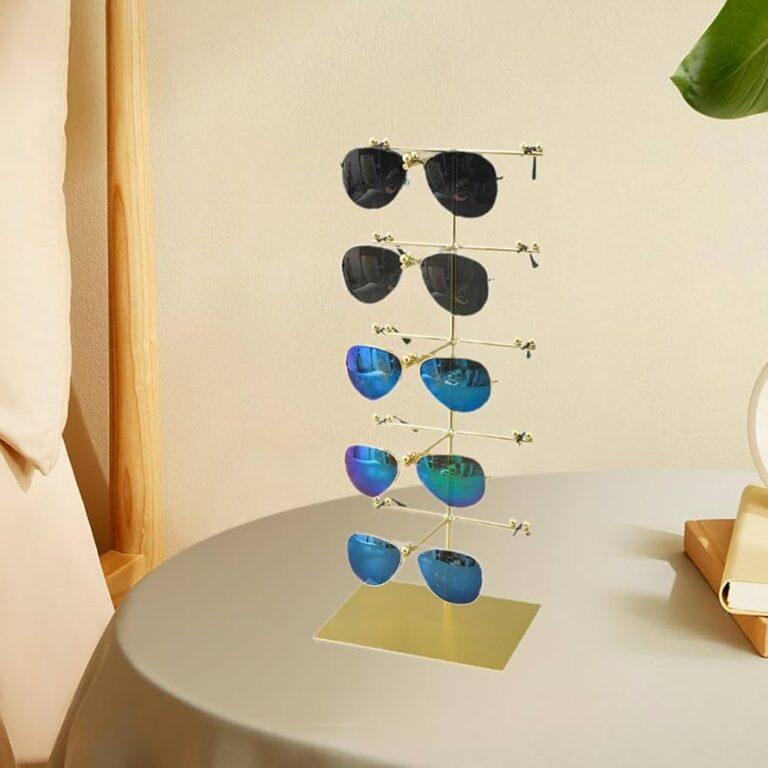
- Use a shallow, lined box for multiple pairs, keeping each in its own case to avoid contact damage.
- Climate-controlled safe or closet
- If you live in a humid or hot climate, store high-value pairs in an interior closet or climate-controlled safe to avoid extreme swings.
I personally keep seasonal sunglasses in a labeled hard case inside a cool closet. That method has kept my polarized sunglasses scratch-free and maintained lens coatings for years.
Controlling environment: humidity, temperature, and light
Humidity and temperature matter more than most people assume when learning how to store sunglasses long term safely.
- Ideal humidity and temperature
- Aim for a cool, dry environment around 40–50% relative humidity and 60–75°F. Higher humidity increases corrosion risk on metal parts and promotes mold.
- Use desiccants
- Pack silica gel or activated charcoal packets with stored sunglasses. They absorb moisture and are inexpensive.
- Avoid heat and direct sunlight
- Heat can warp frames and damage lens coatings. Never store sunglasses in attics, garages, or closed cars for long periods.
I once lost a pair of acetate frames to heat in a parked car. After that, I always keep silica gel and avoid hot storage locations.

Special care for different frame and lens materials
Different materials need different handling when you store sunglasses long term safely.
- Acetate and plastic frames
- Avoid prolonged sunlight and high heat. Store flat to reduce warping.
- Metal frames
- Watch for corrosion. Use anti-tarnish strips and low humidity.
- Polarized and coated lenses
- Clean gently; abrasive cleaners strip coatings. Store in cases that prevent rubbing.
- Wood or leather accents
- Treat occasionally with appropriate conditioners before storage to prevent drying and cracking.
Understanding your sunglasses’ materials helps you pick the best storage and maintenance approach.

Quick checklist: what you need to store sunglasses long term safely
This short list helps you prepare fast.
- Clean sunglasses thoroughly and dry them completely.
- Pack each pair in its hard case or padded pouch.
- Add silica gel or moisture absorbers.
- Store in a cool, dark closet or drawer; avoid attics, basements, and cars.
- Label boxes by season or style for easy access later.
Following this checklist will keep your sunglasses in ready-to-wear condition months or years later.
Maintenance schedule and inspection tips
Even when stored properly, sunglasses benefit from occasional checks.
- Inspect every 3–6 months
- Check screws, hinges, and lens coatings. Wipe away dust with a microfiber cloth.
- Rehydrate leather or wood trims annually
- Use appropriate conditioners to avoid cracking.
- Replace desiccant packets when saturated
- Some packets are reusable after drying; others should be replaced.
A little attention on a regular basis prevents small problems from becoming costly repairs.

Common mistakes to avoid
Avoid these pitfalls when figuring out how to store sunglasses long term safely.
- Leaving sunglasses dirty in storage
- Residues accelerate damage.
- Stacking sunglasses without protection
- Direct contact causes scratches and frame bending.
- Using only soft pouches for high-value pairs
- They protect from scratches but not crushing or heavy pressure.
- Storing in extreme places
- Attics, garages, and trunks expose eyewear to heat and moisture extremes.
I once accepted a cheap pouch for a designer pair and regretted it. Use protection that matches the item’s value.

How to pack multiple pairs together
If you have several pairs, pack smart to prevent contact damage.
- Place each pair in its case or wrap in microfiber cloth.
- Use a shallow storage box with dividers or small compartments.
- Layer desiccant packets between sections.
- Label boxes by season, material, or value to speed retrieval.
A little organization prevents accidental scratches and reduces time spent hunting for a specific pair.
How to store sunglasses long term safely during travel or moves
Moving or long-term travel needs special care.
- Use a sturdy travel case inside checked luggage
- Hard cases protect from pressure in packed bags.
- Keep daily-use pairs in a carry-on
- You’ll want sun protection immediately after arrival.
- For moves, keep high-value pairs with you
- Place them in a labeled, cushioned bag in the car or carry-on.
Planning ahead prevents loss or damage when routines change.
Personal lessons and practical tips from experience
From years of testing and personal use, these tips helped most.
- Always clean before storing. It removes salts and oils that later cause stains.
- Invest once in a quality hard case. It’s cheaper than replacing designer sunglasses.
- Use clear labeling. I store seasonal pairs by month; it saves time and keeps rotation even.
- Keep a small repair kit with screws and a screwdriver near storage. Quick fixes stop small issues from becoming big ones.
These practices are simple and saved me from losing valuable or sentimental pairs.
Frequently Asked Questions of how to store sunglasses long term safely
How long can I store sunglasses without damaging them?
If cleaned and stored properly in a cool, dry case with desiccant, sunglasses can remain in good condition for years. Inspect them every 3–6 months to catch any issues early.
Is a soft pouch enough for long-term storage?
A soft pouch protects against scratches but not crushing or extreme pressure. For long-term storage, a hard case plus a pouch offers the best protection.
Can I use household silica gel packets for storage?
Yes. Household silica gel packets are effective at reducing moisture in storage boxes and cases. Replace or recharge them when they feel damp or after several months.
Should I remove nose pads or hinges before storage?
You don’t need to remove them unless they are loose or damaged. Tighten or repair hardware first and note any parts that might need professional attention later.
Will lens coatings degrade in storage?
Lens coatings can degrade if exposed to heat, humidity, or abrasive contact. Proper cleaning and cool, dry storage significantly slow coating breakdown.
Conclusion
Store sunglasses with care: clean them, use a hard case, add moisture control, and pick a cool, stable location. Regular checks every few months and tailored care for materials will keep lenses clear and frames straight for years. Try the checklist and labeling tips here this week to protect your favorite pairs. Share your own storage tips or questions below, or subscribe for more eyewear care advice.

Rubel Miah is the Senior Editor at MyStyleGrid.com, where he brings a sharp editorial eye and an unshakable love for fashion to everything he does. A true style addict, Rubel lives and breathes trends, from streetwear to high fashion, and has a knack for turning inspiration into impactful stories. With years of experience in fashion journalism and digital media, he curates content that empowers readers to express themselves through style. When he’s not editing features or forecasting the next big thing, you’ll find him hunting down vintage pieces or capturing street style moments around the city.