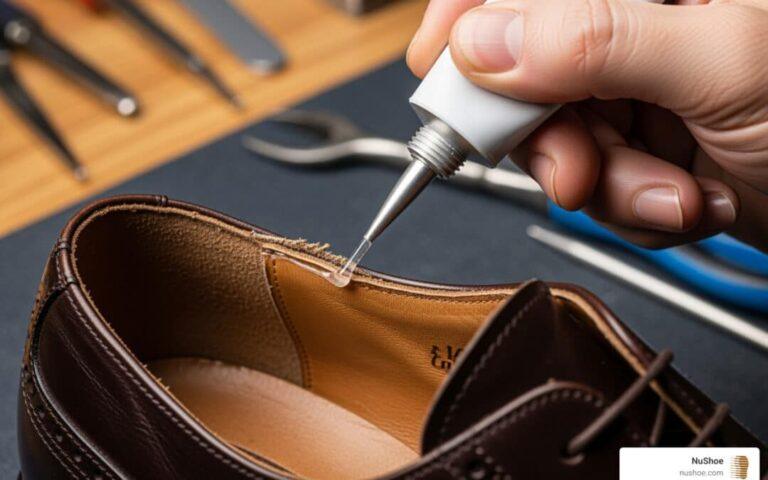
Use clear surface prep and a flexible strong adhesive to glue or replace the lining.
I’ve repaired dozens of shoes for friends, family, and clients, so I know exactly how to fix peeling shoe lining without wrecking the shoe. This guide walks you through causes, step-by-step repairs for small and large peeling, temporary fixes, prevention, and when to seek a professional. Read on for practical, tested methods and tips that save shoes and money.

Why shoe linings peel: common causes and quick diagnosis
Peeling lining usually happens from age, heat, moisture, or poor glue. Synthetic linings and cheap adhesives break down first.
Check these signs to diagnose the problem fast:
- Lining separating at the toe box, heel, or along seams.
- Sticky, crumbling inner surface or dark stains from sweat.
- Creasing where the lining no longer flexes with the shoe.
Common causes explained:
- Natural wear and abrasion destroy the top layer over time.
- Sweat and humidity weaken adhesives and fibers.
- Heat and drying (direct sun or heaters) make synthetic glue brittle.
- Low-quality factory bonding or an inner foam layer that delaminates.
Understanding why the lining peeled helps you pick the right fix. If you want to learn how to fix peeling shoe lining the right way, start with a clean surface and the right adhesive.
Materials and tools you'll need
These basic tools handle most repairs:
- Soft cloth and mild cleaner to remove dirt.
- Rubbing alcohol or acetone for old glue removal.
- Small flat spatula or popsicle sticks for spreading glue.
- Precision scissors and an awl or needle for tacking.
- Fabric or flexible contact cement (specialized shoe glue).
- Shoe repair patches or thin leather/fabric to replace lining.
- Clamps, clothespins, or heavy books for pressure while drying.
- Optional: fusible interfacing and iron for some fabric linings.
Choose a glue labeled flexible and suitable for leather, fabric, or synthetics. I favor adhesives made for footwear because household superglue cracks.

Step-by-step: repairing small peeling spots
This fix works for edges or small peeled patches under 3 inches. It’s one of the most common ways to learn how to fix peeling shoe lining.
- Clean the area
- Wipe the inside with a damp cloth to remove dust.
- Use rubbing alcohol to remove oils and old residues.
- Lift slightly and inspect
- Gently peel the loose lining back just enough to expose the damaged glue.
- Remove any crumbling adhesive with a putty knife or cloth.
- Apply adhesive correctly
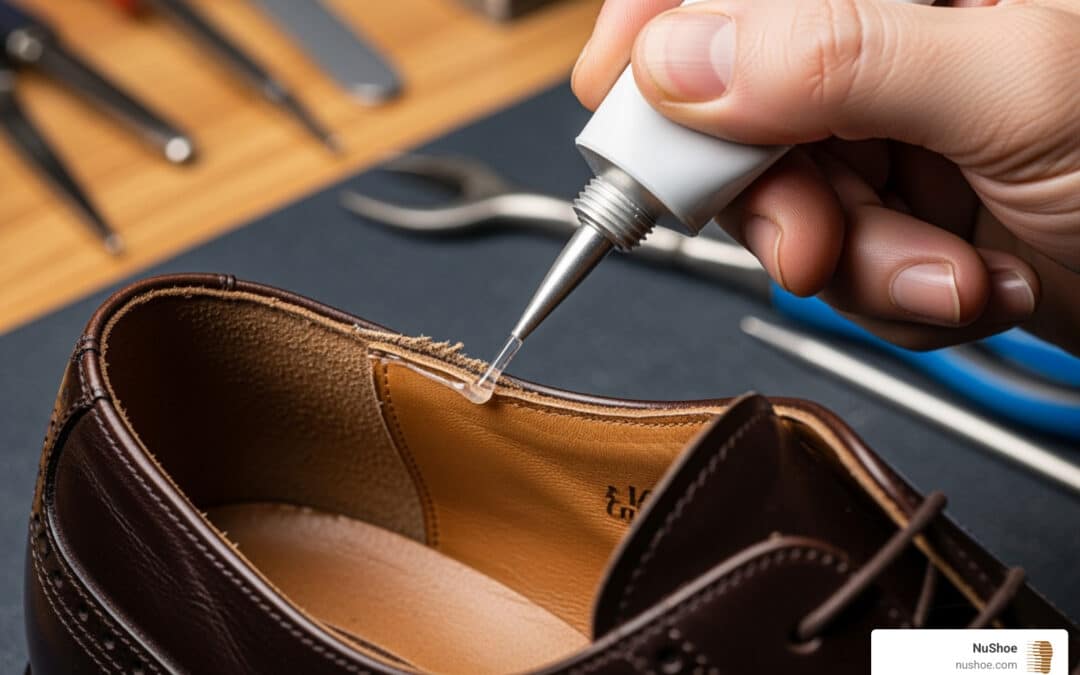
- Spread a thin, even layer of flexible shoe glue on both lining and shoe shell.
- Wait the tack time recommended on the glue (usually 1–3 minutes).
- Press and hold
- Reposition lining and press firmly for 1–2 minutes.
- Use clothespins or clamps to hold the area for several hours.
- Final curing
- Let shoes sit overnight (12–24 hours) for full set.
- Test gently before wearing.
Personal tip: work in a warm, dry room. Cold or humid conditions slow glue cure and weaken the bond. When you follow these steps, you’ll consistently know how to fix peeling shoe lining with a neat result.
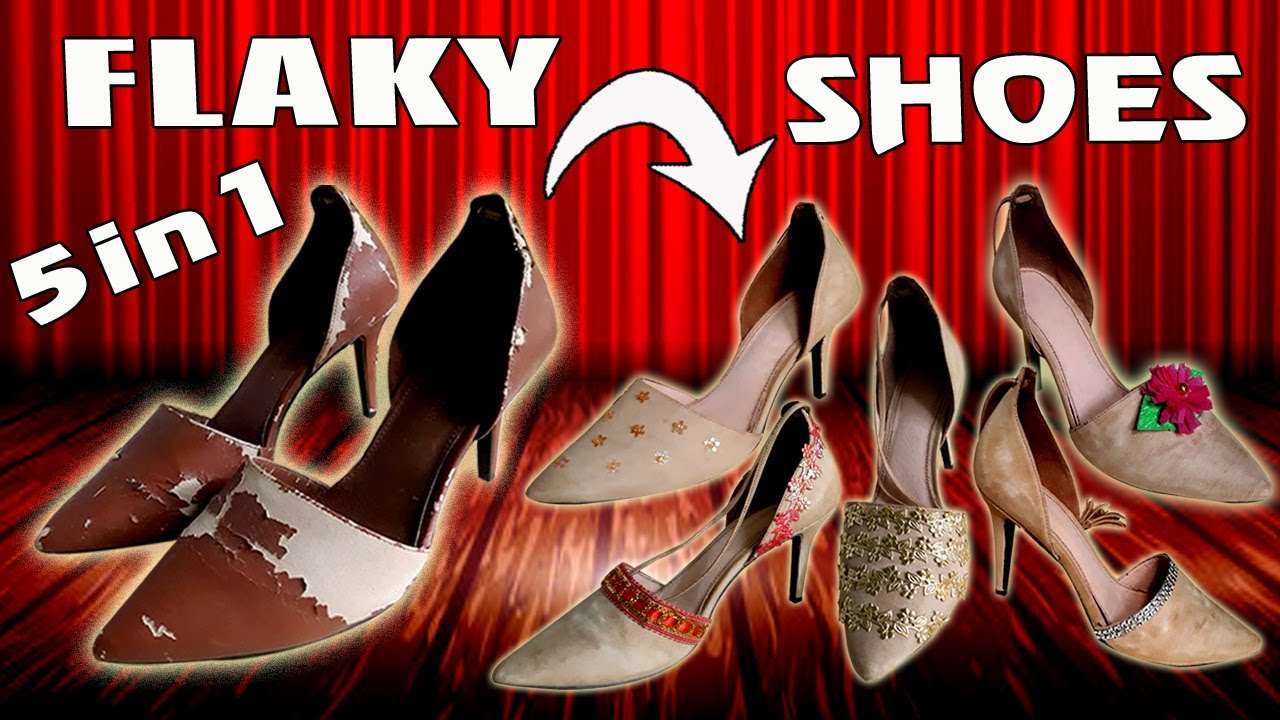
Repairing large peeled areas or replacing the lining
When the lining is torn or delaminated across a large area, a patch or re-lining is better. Here’s how to do a more involved repair.
- Remove the old lining
- Carefully cut and peel away the damaged lining. Save any intact parts.
- Clean the inner shell thoroughly; scrape off old adhesive residue.
- Create a replacement panel
- Trace the inside shape on paper by inserting it into the shoe or using a soft ruler.
- Cut a new lining piece from thin leather, microfiber, or breathable fabric.
- Use proper bonding technique
- Apply a spray or brush-on contact adhesive to both surfaces.
- Allow reposition time per product instructions, then press and clamp.
- Finish edges and seams
- Fold and stitch or glue the seam edges to avoid rough edges.
- Add a thin foam underlayer if the shoe needs extra padding.
- Optional professional step
- For high-value shoes, consider a cobbler’s re-lining service that replaces the entire lining and preserves fit.
From experience, matching the leather grain and color helps the shoe feel and look original. Large repairs take more time but can extend shoe life significantly.

Quick temporary fixes and on-the-go solutions
If you need a fast fix before heading out, try these safe temporary measures:
- Use fabric glue to tack down small loose edges. It dries fast and holds for a day or two.
- Place an adhesive heel liner or thin insole to cover the peeled area and prevent rubbing.
- Use double-sided tape inside the shoe for immediate comfort.
- Light sewing with a curved needle can hold the lining in place until you do a full repair.
Temporary fixes are not permanent solutions. Use them only to avoid blisters or further damage until you can perform a proper repair.

Preventing future peeling: care habits that work
Prevention is cheaper than repair. Follow these habits to keep linings intact:
- Rotate shoes regularly to let them dry between wears.
- Use breathable socks and moisture-wicking insoles to reduce sweat.
- Avoid direct heat to dry shoes; air-dry at room temperature.
- Use shoe trees to maintain shape and reduce inner friction.
- Clean and condition leather linings with products made for leather.
I learned to rotate shoes after damaging my favorite pair by wearing them daily. Now they last far longer and require fewer repairs.

When to see a cobbler or replace the shoe
Not all peeling is worth home repair. Consider professional help when:
- The lining damage affects fit or structure.
- The shoe is expensive, sentimental, or designer.
- Multiple areas are delaminated or foam is crumbling.
Professional services include full re-lining, which can be cost-effective for quality footwear. For cheap mass-market shoes, replacement is often the smarter choice.

Common user questions (PAA-style) inside the guide
What adhesive works best for shoe linings?
- Flexible contact cement or a specialized shoe glue works best. Avoid rigid glues; they crack with movement.
Can I sew the lining back instead of gluing?
- Sewing can secure edges and join pieces, but it often needs glue plus sewing for a long-lasting bond. Use strong thread and a curved needle.
How long should glued lining cure before wearing?
- Allow at least 12–24 hours for full cure. Shorter times reduce bond strength and can cause re-peeling.

Frequently Asked Questions of how to fix peeling shoe lining
How long does a DIY shoe lining repair usually last?
A proper repair with the right adhesive and prep can last months to years. Longevity depends on shoe use, moisture, and how well you prepared surfaces.
Is it safe to use household superglue on shoe lining?
Superglue bonds fast but becomes brittle and can crack with flex. Use flexible shoe-specific adhesive instead for durability and safety.
Can I replace the lining myself if it's fully torn?
Yes, you can replace a lining with patience and the right materials. Trace patterns, use flexible adhesive, and clamp while drying for the best outcome.
Will re-lining change how my shoes fit?
A thin replacement panel usually doesn’t change fit. Thicker padding or added interfacing can make shoes feel snugger, so test fit before final trimming.
How much does a cobbler charge to re-line shoes?
Costs vary by shoe type and materials. Expect modest shoes to be inexpensive, while premium shoes with leather lining cost more due to labor and materials.
Conclusion
You now have a clear plan for how to fix peeling shoe lining, from quick edge glues to full replacement. Start with a clean surface, pick a flexible adhesive, and take time to clamp and cure. Try the small fixes first and call a cobbler for large jobs or valuable shoes. Put these tips into practice, save shoes that matter, and share your repair wins or questions in the comments below.

Rubel Miah is the Senior Editor at MyStyleGrid.com, where he brings a sharp editorial eye and an unshakable love for fashion to everything he does. A true style addict, Rubel lives and breathes trends, from streetwear to high fashion, and has a knack for turning inspiration into impactful stories. With years of experience in fashion journalism and digital media, he curates content that empowers readers to express themselves through style. When he’s not editing features or forecasting the next big thing, you’ll find him hunting down vintage pieces or capturing street style moments around the city.