Use a shoe stretcher or controlled heat with thick socks to gently widen synthetic leather.
I’ve fixed and fitted shoes for years, and I’ll walk you through how to stretch synthetic leather shoes safely and effectively. This guide explains why synthetic leather behaves differently than real leather, which methods work best, which to avoid, and step‑by‑step procedures you can try at home or with a pro. Read on for clear, tested advice that will help you get a better fit without ruining your shoes.

Understanding synthetic leather and why it resists stretching
Synthetic leather is a man‑made material, often called PU or PVC leather. It is a thin plastic layer over a fabric backing. That plastic layer gives the shoe its look. It also limits how much the shoe can expand.
Real leather stretches because its fibers relax and separate. Synthetic leather has a fixed plastic film. It can soften with heat, but it rarely gains the same permanent give as real leather. Knowing this helps set realistic expectations when you learn how to stretch synthetic leather shoes.
Limitations matter. Expect small gains in width or toe room. Trying to force large changes can crack or delaminate the material. Use gentle methods first and test one small spot before proceeding.

Safe methods to stretch synthetic leather shoes
Here are safe, proven ways to stretch synthetic leather. Each method varies in tools, time, and effectiveness. Choose the one that fits your shoe type and how much extra room you need.
Use a mechanical shoe stretcher (best for control)
- Insert a two‑way or three‑way shoe stretcher into the shoe.
- Turn the key slowly until you feel light pressure in the tight area.
- Leave it set for 24 to 48 hours. Check progress and adjust as needed.
Shoe stretchers give steady pressure and reduce the risk of heat damage. For synthetic leather shoes, use foam plugs or bumpers on the stretcher to target bunions or toe boxes.
Try heat with thick socks (home method for small stretches)
- Put on two pairs of thick socks.
- Wear the shoes and warm the tight areas with a hair dryer on medium for 30–60 seconds while flexing your feet.
- Walk around until the shoes cool. Repeat 2–3 times.
This method uses heat to soften the plastic layer slightly so the shoe molds to your foot. Keep the dryer moving to avoid hot spots, and never use an oven or direct flame.
Use a shoe stretch spray or conditioner designed for synthetics
- Lightly spray inside the shoe or on the tight spot.
- Wear the shoes with thick socks or use a stretcher as the spray sets.
- Repeat every few days if needed.
Look for products labeled safe for synthetic materials. These sprays soften the surface so minor expansion is possible without cracking.
Professional stretching and cobbler services
- Take shoes to a cobbler and explain which areas feel tight.
- Professionals may use ozone treatment, industrial stretchers, or targeted heat tools.
- Inspect the shoe after service to ensure no surface damage.
Cobblers have tools and skills that reduce risk. For expensive or favorite shoes, pro help is often worth the cost.
Methods to avoid or use with caution
- Do not soak synthetic leather in water to force stretching; water can delaminate the layer.
- Avoid freezing with water inside the shoe—the expansion can crack the synthetic finish.
- Do not use excessive heat or an oven; plastics can warp and release odors.
When you learn how to stretch synthetic leather shoes, safety comes first. If a method sounds extreme, pick a milder option.

Tools and materials you may need
Here’s a short list of common items for stretching synthetic leather shoes.
- Shoe stretcher with bunion plugs for targeted expansion.
- Thick socks or foam inserts to add pressure while warming.
- Hair dryer with adjustable heat settings.
- Shoe stretch spray or a gentle synthetic leather conditioner.
- Shoe trees to keep shape after stretching.
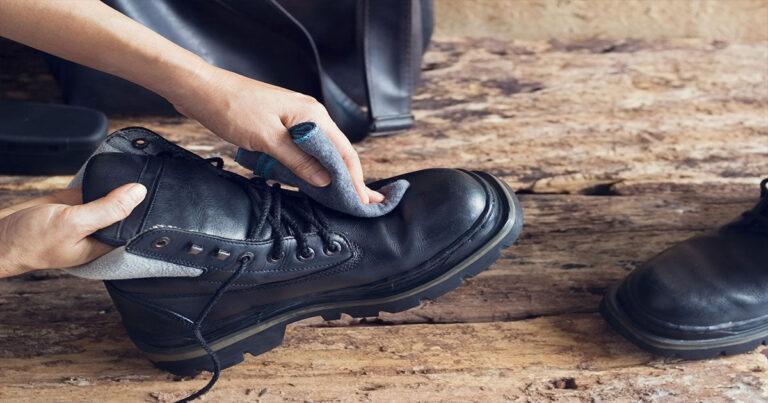
- Soft cloth and mild soap for cleaning before treatment.
Clean shoes before any stretching attempt. Dirt and oils can trap heat and cause uneven softening.
Tips, precautions, and mistakes to avoid
Follow these practical tips when you try how to stretch synthetic leather shoes.
- Test first on a hidden area to check colorfastness and finish.
- Apply gradual pressure. Small increments over days beat one big rush.
- Keep heat moderate. High heat can melt the plastic and ruin the look.
- Mind the glue lines. Excessive force can separate layers.
- Follow the shoe maker’s care label—some synthetics have special coatings.
If you see bubbling, cracking, or delamination, stop immediately and consult a pro.

Personal experience: what worked and what didn’t
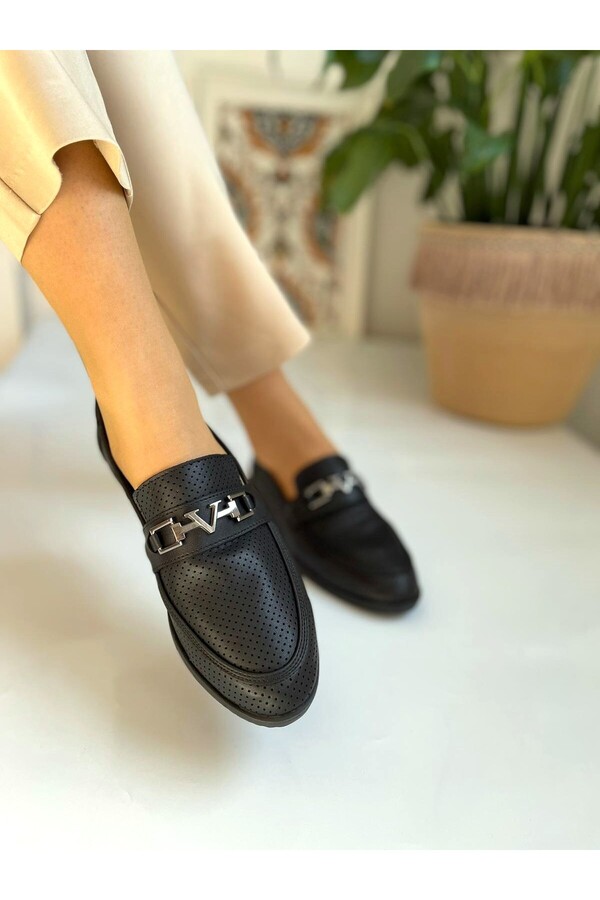
I once helped a client with tight synthetic loafers. We used a two‑way stretcher and a light synthetic spray. After 36 hours, the shoes were noticeably more comfortable without any visible damage. In contrast, I tried a hair dryer method on a cheaper PVC pair and created a glossy patch where the plastic thinned. That taught me to test small areas first and prefer mechanical stretching when possible.
Lessons learned:
- Mechanical stretching gives the safest, most predictable result.
- Heat works but must be gentle.
- Cheap synthetics are more likely to fail under aggressive treatment.
These hands‑on notes mirror what shoe makers and material scientists advise: work slow and watch for signs of stress.

Quick answers people also ask
Q: Can synthetic leather be stretched at home?
A: Yes, small stretches can be done at home using a stretcher, heat with thick socks, or a stretch spray. Be gentle and test first.
Q: How much will synthetic leather stretch?
A: Expect a modest gain—often one half to one full size in width. Length gains are limited. Large changes usually require professional help.
Q: Is it safe to use a hair dryer on synthetic leather?
A: It is safe if you use low to medium heat and keep the dryer moving. Avoid high heat, which can warp the material.
Frequently Asked Questions of how to stretch synthetic leather shoes
How long does it take to stretch synthetic leather shoes?
Most at‑home methods show results in 1 to 3 days. Mechanical stretchers often need 24–48 hours for best results.
Can I stretch synthetic leather shoes without a stretcher?
Yes. You can wear thick socks and use a hair dryer, or use a stretch spray and wear the shoes until they cool. Results are slower and less predictable than a stretcher.
Will stretching damage synthetic leather shoes?
Improper methods can cause cracking, bubbling, or glue failure. Use gentle pressure, moderate heat, and test in a hidden spot first.
Can I make synthetic leather shoes longer?
Length gains are limited. You may get a small increase, but widening the toe box or using a different size is often a better option.
When should I see a professional cobbler?
Visit a cobbler if the shoes are costly, the material is tricky, or if home methods haven’t helped after a few attempts. Professionals have tools and experience to minimize risk.
Are shoe stretch sprays safe for all synthetic materials?
Not always. Choose products labeled for synthetic leather and test a small area. Some chemicals can strip coatings or affect color.
Conclusion
You can improve comfort by learning how to stretch synthetic leather shoes, but expect modest gains and work gently. Start with a mechanical stretcher or a cautious heat and sock method. Test on hidden areas, use the right tools, and consider a cobbler for expensive shoes.
Take action: pick one gentle method, test it on a small area, and track results over a few days. Share your experience or ask a question below to get tailored tips.

Rubel Miah is the Senior Editor at MyStyleGrid.com, where he brings a sharp editorial eye and an unshakable love for fashion to everything he does. A true style addict, Rubel lives and breathes trends, from streetwear to high fashion, and has a knack for turning inspiration into impactful stories. With years of experience in fashion journalism and digital media, he curates content that empowers readers to express themselves through style. When he’s not editing features or forecasting the next big thing, you’ll find him hunting down vintage pieces or capturing street style moments around the city.