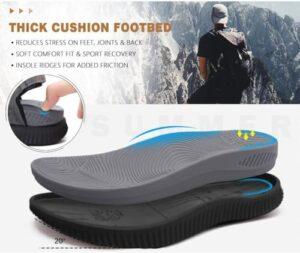
Check the materials, construction, fit, and finish closely—small flaws tell the real story.
I’ve inspected hundreds of pairs and tested them in real life. This guide on how to check sneaker quality before buying gives you the exact steps I use. You’ll learn simple tests to spot solid materials, safe construction, and real value. Read on and avoid bad buys whether you shop in-store or online.
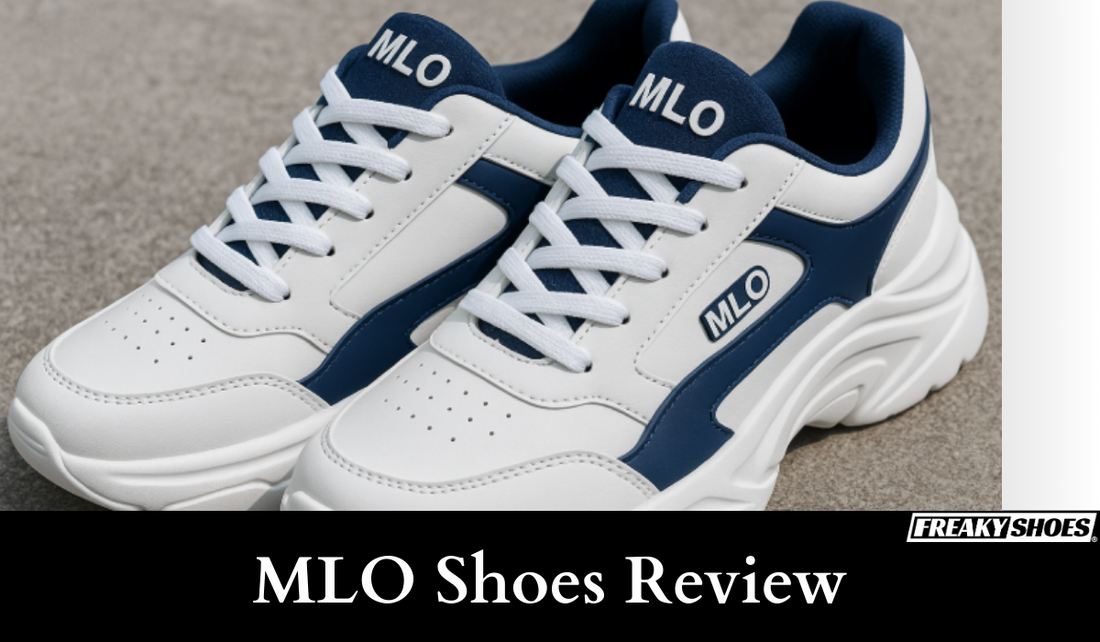
Why sneaker quality matters
Good sneakers protect your feet. They last longer. They feel better to wear. Cheap or poorly made pairs lead to pain, blisters, and fast wear. Knowing how to check sneaker quality before buying keeps you from wasting money and helps you pick shoes that serve your needs.
Experience shows that small details predict long-term performance. I once ignored a loose stitch on a tester pair and had the sole separate within two weeks. That taught me to inspect seams and glue lines every time.
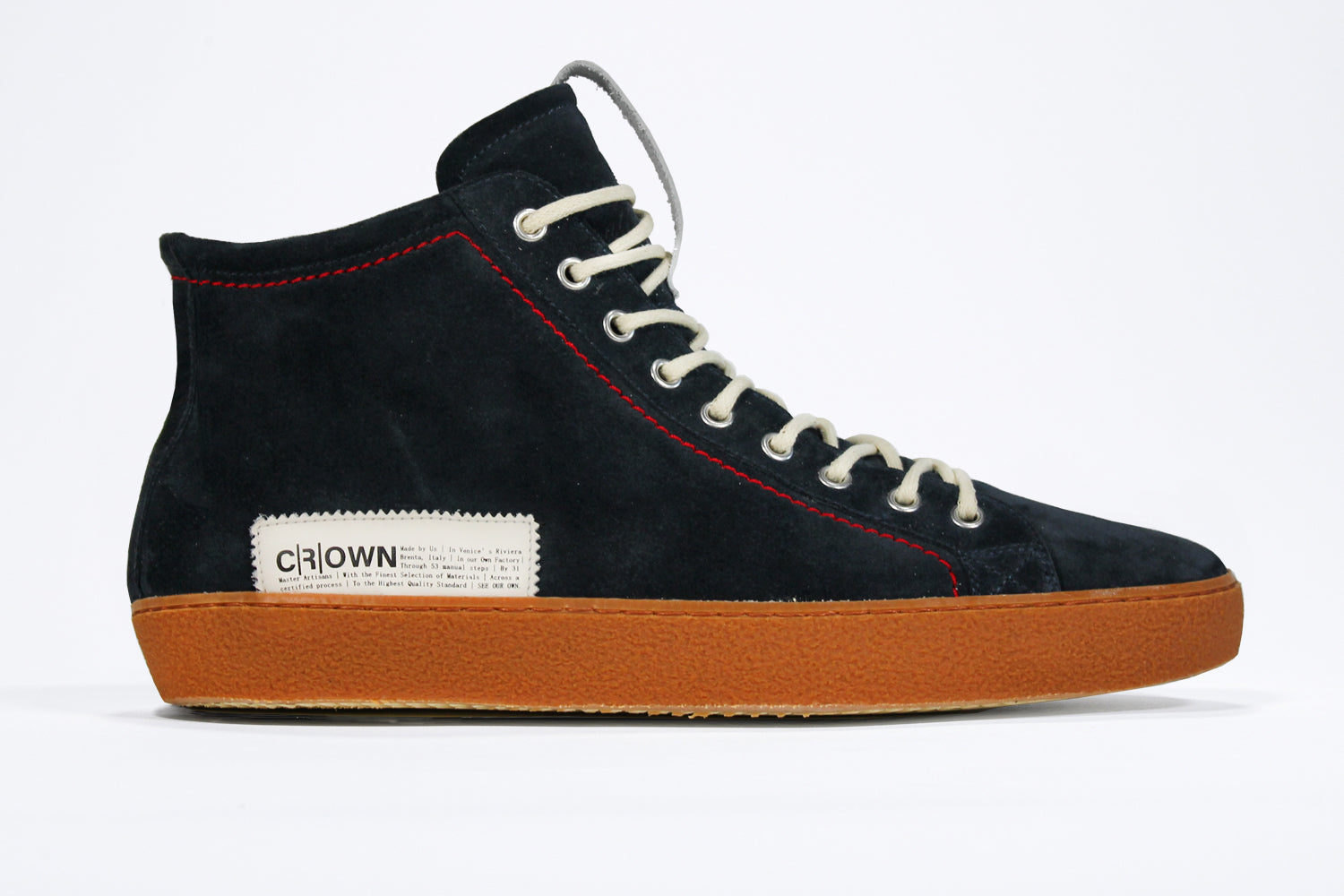
How to check sneaker quality before buying: an 11-step checklist
Follow this checklist before you pay. Each step helps you judge materials, build, and fit quickly.
-
Inspect the materials visually and by touch.
- Look for even grain on leather, consistent knit on mesh, and sturdy synthetic overlays.
- Press the upper gently; it should spring back, not crease deeply.
-
Check stitching and seams.
- Stitching should be straight and tight with no loose threads.
- Avoid visible gaps where the upper meets the midsole.
-
Smell the shoe.
- A strong chemical or glue odor can mean poor adhesives or low-grade materials.
- A mild factory smell is normal, but chemical burn is a red flag.
-
Test the midsole and outsole.
- Compress the midsole with your thumb; it should bounce back slowly for cushioning models.
- Flex the outsole in your hand; it should bend where the foot bends, not twist unnaturally.
-
Inspect glue lines and bonding.
- Glue should be neat and sealed, not bulging or drying out.
- Soles that show glue overflow or gaps often peel later.
-
Try the shoe on and walk.
- Walk several steps on different surfaces. Heel slip or midfoot pinch are warning signs.
- Feel for even cushioning and a stable base.
-
Check insoles and sockliner quality.
- Remove the insole, if possible, and inspect its density and finish.
- Good insoles often have branded foam with even edges.
-
Evaluate weight and balance.
- A very heavy shoe can mean dense, low-tech materials.
- Balance should feel natural; shoes should not tip the foot excessively.
-
Research the model’s reviews and tests.
- Look for wear patterns, long-term comfort reports, and durability notes from other buyers.
- Prioritize repeated observations over one-off complaints.
-
Inspect branding and labeling for authenticity.
- Tags, logos, model codes, and serial numbers should match official pictures.
- Misaligned logos or misspelled labels are common in fakes.
- Check the return policy and warranty.
- A solid return window and clear warranty reduce risk.
- Verify who pays return shipping for online buys.
Applying this checklist will help you consistently evaluate how to check sneaker quality before buying. These steps work for casual, running, and lifestyle shoes.
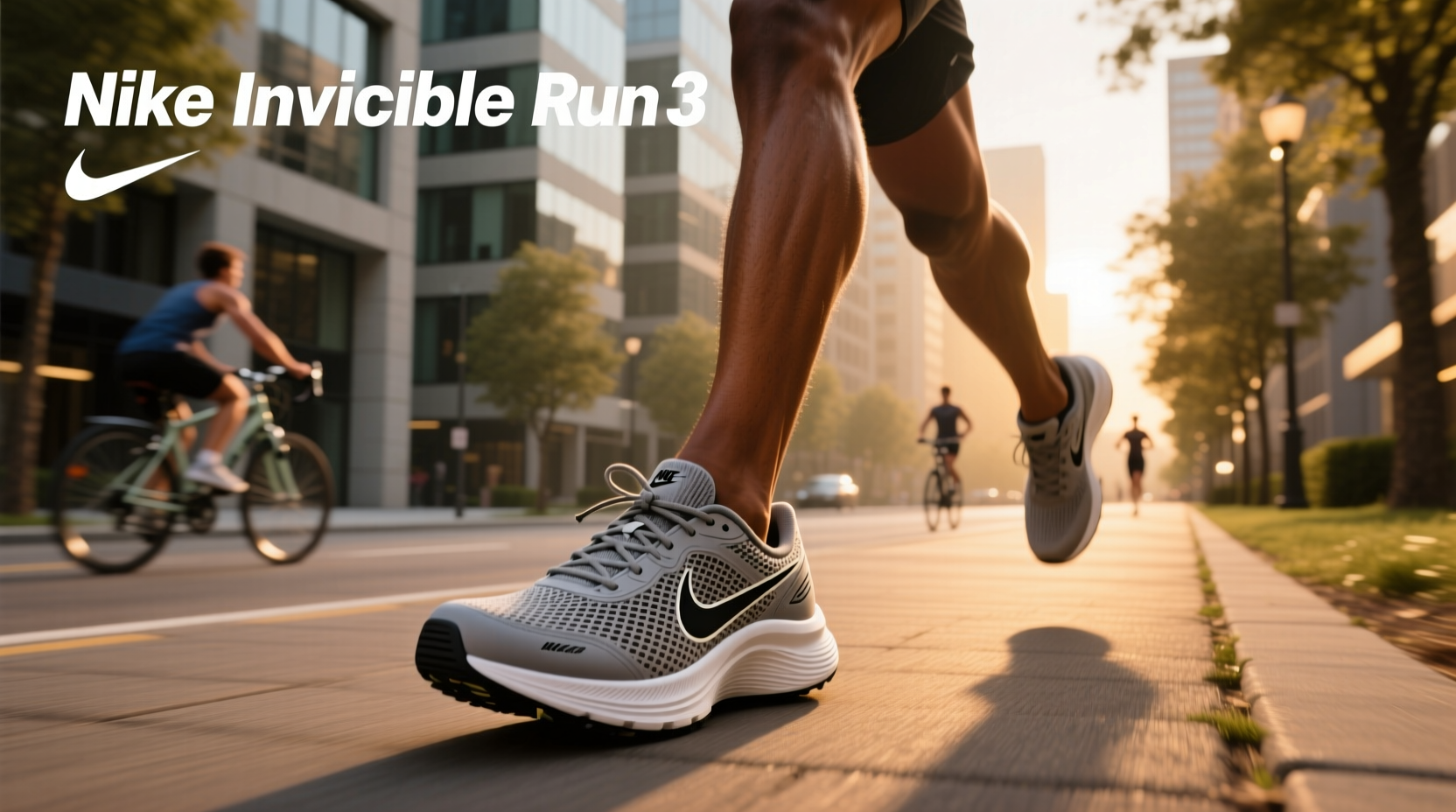
Inspect materials and construction in detail
Look at the upper, midsole, outsole, and inner parts separately. Each tells a story.
Upper
- Leather should feel smooth and have consistent markings.
- Knit or mesh should have no large holes or weak join points.
Midsole
- EVA foam should compress and recover. TPU or nylon plates feel firmer.
- Check for visible voids or uneven compression lines.
Outsole
- Rubber compounds differ by grip and durability.
- Look for even tread depth and secure attachment to the midsole.
Stitching and glue
- Neat, even stitches show care.
- Excess glue or gaps are signs of poor assembly.
Inner lining and heel cup
- The heel counter should be firm and hold the foot without digging.
- Linings should be smooth to avoid blisters.
Sustainability and materials sourcing
- Premium brands often list materials and supply chain info.
- When available, recycled materials or verified leather can be a plus.
These checks form the backbone of how to check sneaker quality before buying. Take your time to inspect each part. Small defects add up fast.
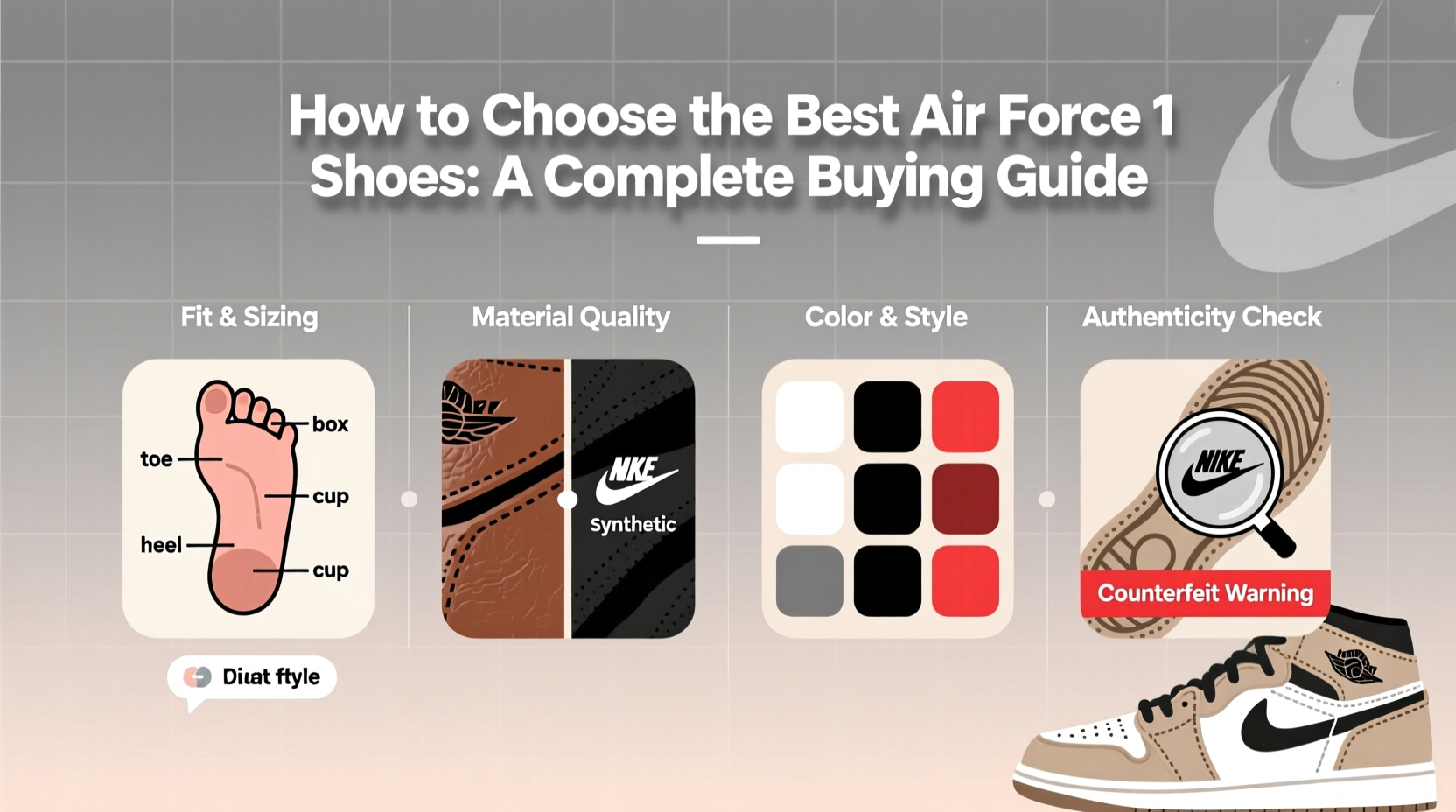
How to check sneaker quality before buying online
Online shopping adds risk, but smart checks reduce it.
Examine product photos
- Use zoom to check seams, logos, and midsole edges.
- Ask the seller for close-up photos of the outsole and inside the shoe.
Read reviews with care
- Filter reviews that include photos and long-term wear notes.
- Watch for repeated complaints about the same issue.
Verify seller authenticity
- Check seller ratings, return history, and time on platform.
- Prefer authorized retailers or brand stores.
Understand the return policy
- Confirm how many days you have to return and condition rules.
- Know who pays for return shipping and if restocking fees apply.
Ask questions
- Ask for factory codes or SKU numbers and compare them to official product pages.
- Request a short video of the shoes being flexed or walked in.
PAA-style questions
What if photos look different from the official product?
- Ask the seller for original packaging and SKU details. Compare with the brand site and look for matching model codes.
Can I test fit if shoes are non-returnable?
- Try to measure insole length against a well-fitting pair at home. Request exact measurements from the seller.
These tactics help you learn how to check sneaker quality before buying online and cut down surprises.
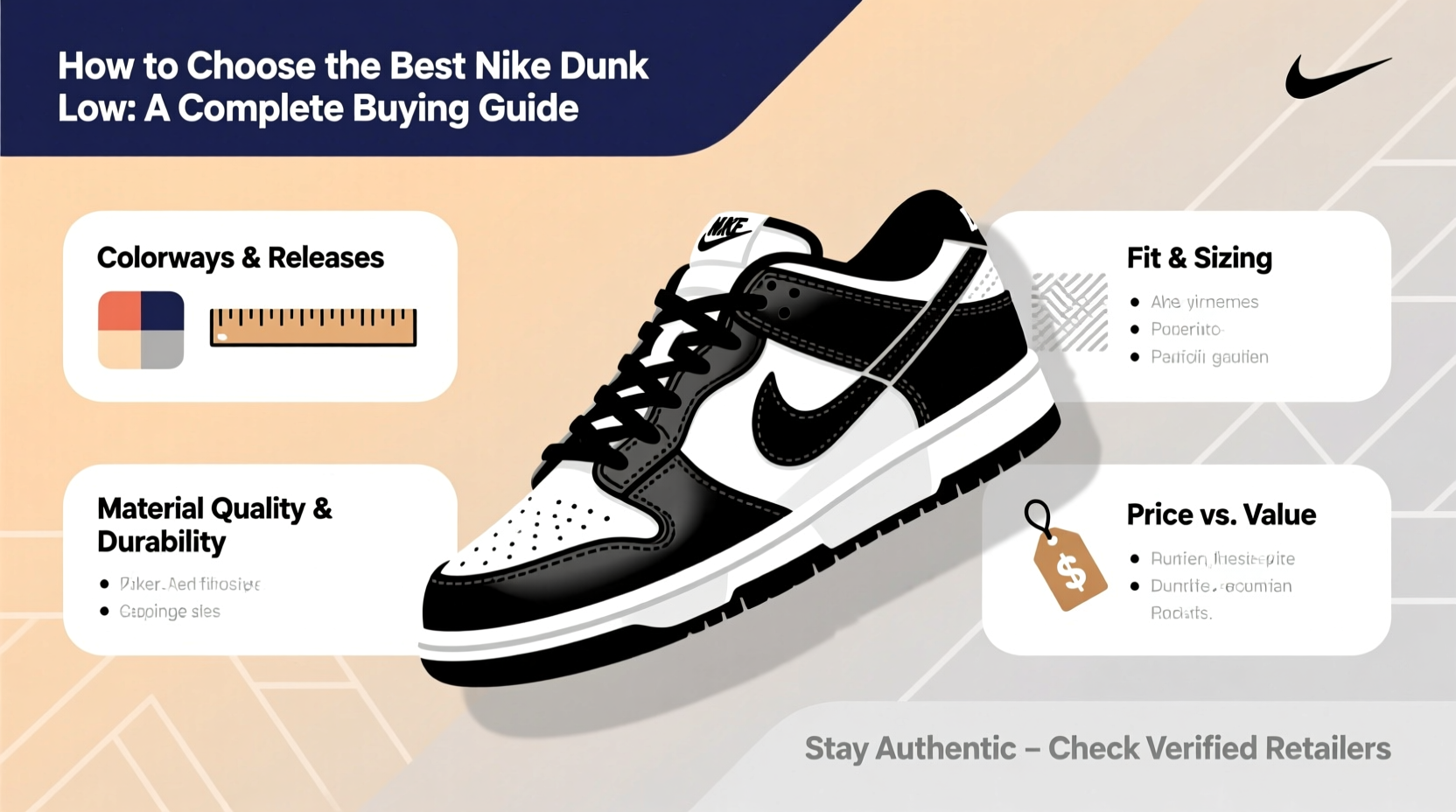
Common red flags and how to avoid fakes
Know the signs of poor quality or counterfeit sneakers.
Signs of low quality or fakes
- Off-center logos or misspelled branding.
- Uneven soles, sloppy glue lines, or loose stitching.
- Weight that feels wrong for the model type.
- Strange packaging or missing documentation.
How to avoid bad buys
- Buy from authorized sellers when possible.
- Compare multiple photos to official product shots.
- Look up the model code and confirm details match.
Real-world example
- I once received shoes with a correct-looking box but wrong model codes on the tag. The seller accepted a return immediately when I pointed out the mismatch. That saved me from a likely fake.
These habits protect you when learning how to check sneaker quality before buying.

Price versus value: when to pay more
Higher price doesn’t always mean better quality. Focus on value for your needs.
When to pay more
- You need better cushioning or stability for sports.
- You want premium leather or long-lasting rubber.
- The brand backs the product with a good warranty.
When to save
- Trendy designs with cheap materials can be skipped.
- For casual, light-use shoes, mid-range models often give the best cost-to-durability ratio.
Think of price as a signal, not proof. Use the quality checks to decide if the price is justified.
Frequently Asked Questions of how to check sneaker quality before buying
How can I tell if leather is real or synthetic?
Real leather has natural grain, small imperfections, and a warmer feel. Synthetic leather often looks too uniform and feels more plastic-like.
What’s the quickest way to check sole bonding?
Look for even glue lines and press along the seam; the sole should not lift or make hollow sounds. Any visible gaps mean poor bonding.
Are heavy sneakers always better quality?
Not necessarily. Heavy sneakers can mean dense materials or added tech, but they can also indicate low-tech materials that tire your feet faster.
How long should good sneakers last with regular use?
With regular use, a quality pair can last 6–18 months depending on activity and care. Runners often need to replace shoes more frequently than casual wearers.
Can I trust user reviews for durability?
User reviews are useful when many people report the same issue over time. Look for photo evidence and long-term follow-ups to judge durability.
Conclusion
You now have a clear, practical method for how to check sneaker quality before buying. Use the checklist, inspect materials closely, and follow online buying precautions. With these steps, you’ll avoid fakes, make smarter choices, and get shoes that last. Try the checklist on your next pair and leave a comment about what you find—your experience helps others. Subscribe for more hands-on tips and product tests.

Rubel Miah is the Senior Editor at MyStyleGrid.com, where he brings a sharp editorial eye and an unshakable love for fashion to everything he does. A true style addict, Rubel lives and breathes trends, from streetwear to high fashion, and has a knack for turning inspiration into impactful stories. With years of experience in fashion journalism and digital media, he curates content that empowers readers to express themselves through style. When he’s not editing features or forecasting the next big thing, you’ll find him hunting down vintage pieces or capturing street style moments around the city.