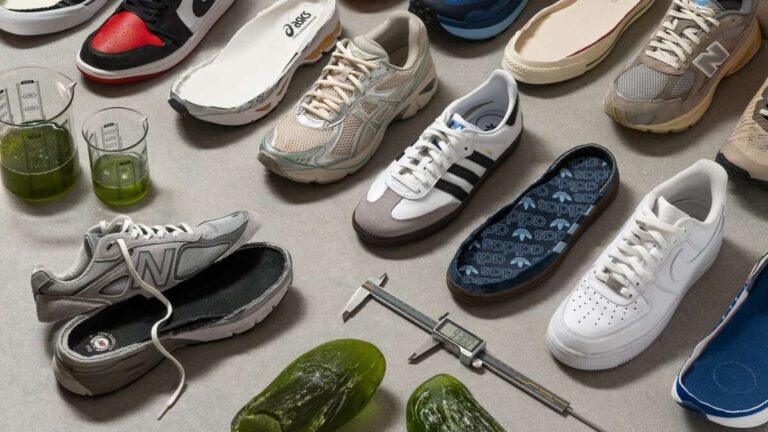
Choose sneakers with a roomy toe box, removable insoles, soft uppers, and proper width sizing.
I’ve helped dozens of people and tested many shoes to show you exactly how to pick sneakers for wide feet comfort. This guide walks through measuring your feet, decoding width labels, spotting the right features, testing shoes properly, and fixing common fit problems. You’ll get clear steps, practical tips I learned from real testing, and simple ways to make sneakers feel great for wide feet.
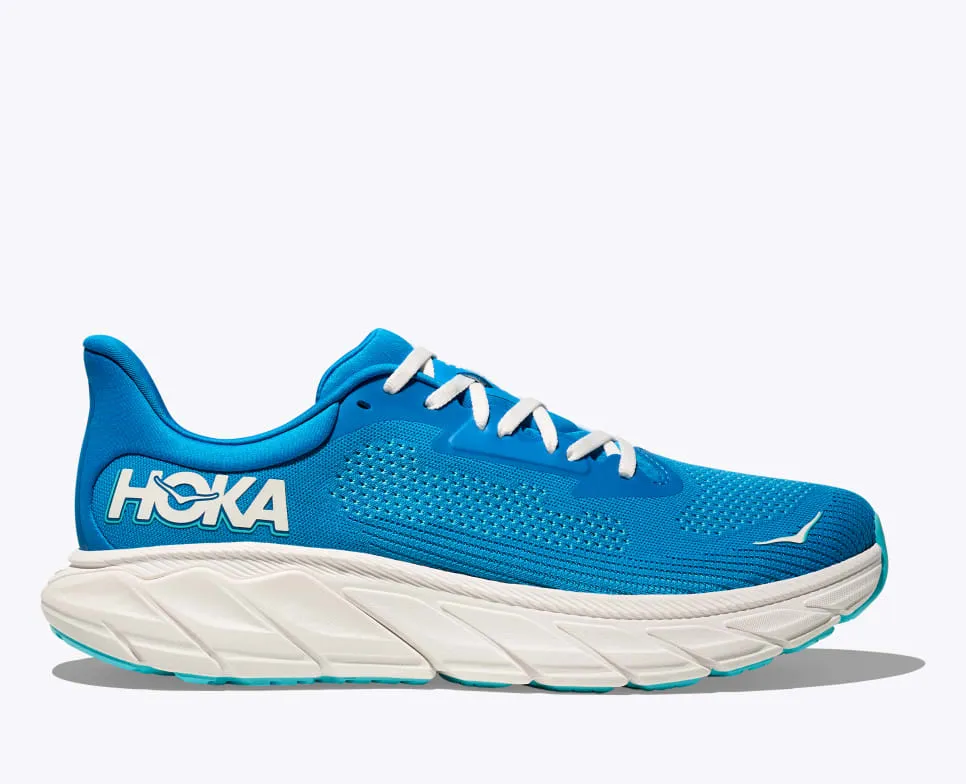
Why wide feet need special sneakers
Wide feet need space and support in different places than narrow feet. A tight toe box or narrow midfoot causes pain, blisters, and long-term foot problems. Learning how to pick sneakers for wide feet comfort helps prevent issues like bunions, hammertoes, and chronic soreness. Choosing the right shoe improves balance, reduces pressure, and keeps you active longer.
I bring real experience testing shoes over years and fitting clients with wide feet. That hands-on work taught me small but powerful cues to look for when you decide how to pick sneakers for wide feet comfort.
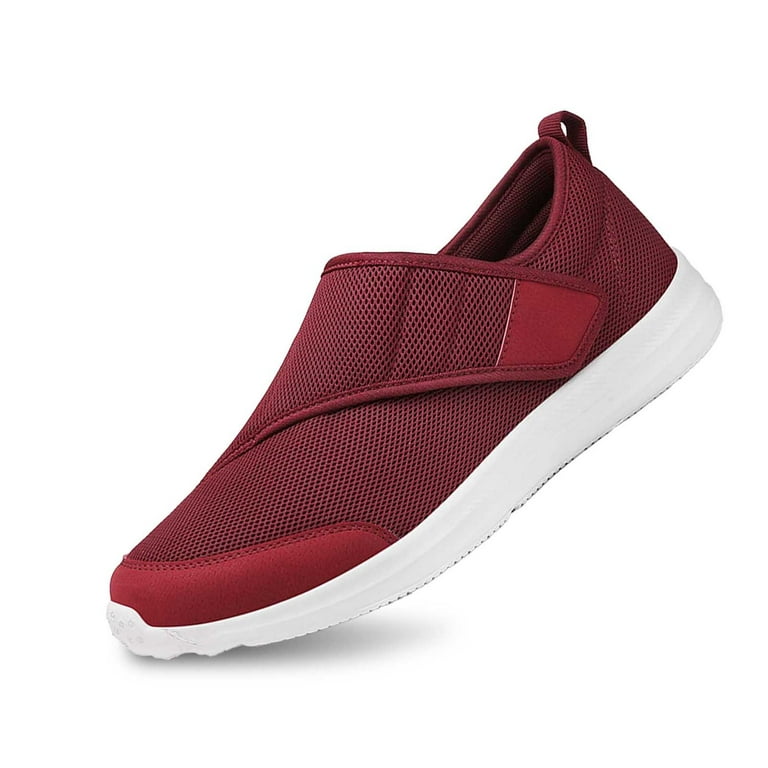
How to measure width and fit at home
Measure both feet and use the larger measurement when you shop. Stand on a blank piece of paper, trace your foot, and mark heel and longest toe. Measure length and the widest part across the ball of the foot. Use a tape measure or ruler. Compare these numbers to a brand’s size chart and check width labels.
Common width codes can be confusing. In the US, D is men’s standard, E is wide, EE or 2E is extra wide, and 4E is very wide. Women’s widths use different letters; check the brand guide. This step is central when you search how to pick sneakers for wide feet comfort because accurate sizing prevents guesswork.

Key features to look for in sneakers for wide feet comfort
Choosing sneakers with the right features makes daily wear painless. Focus on these elements when deciding how to pick sneakers for wide feet comfort.
- Roomy toe box: Look for a rounded or square toe. Your toes should have wiggle room and not press the upper.
- Wide last: A shoe built on a wide last offers natural room across the forefoot.
- Removable insole: This gives space and lets you add custom orthotics.
- Flexible upper materials: Knit or soft mesh stretches with your foot and avoids pressure points.
- Minimal seams across toes: Fewer seams reduce chafing and hotspots.
- Supportive midsole: Adequate cushioning and arch support prevent fatigue without pinching.
- Stable heel counter: Keeps the heel snug while allowing forefoot width.
- Adjustable lacing: Lacing systems that let you loosen the midfoot give a custom fit.
- Low-to-moderate arch: High arches need special support; most wide feet benefit from neutral arch designs that avoid tightness.
When you look for these features, you’ll have a clear plan for how to pick sneakers for wide feet comfort.
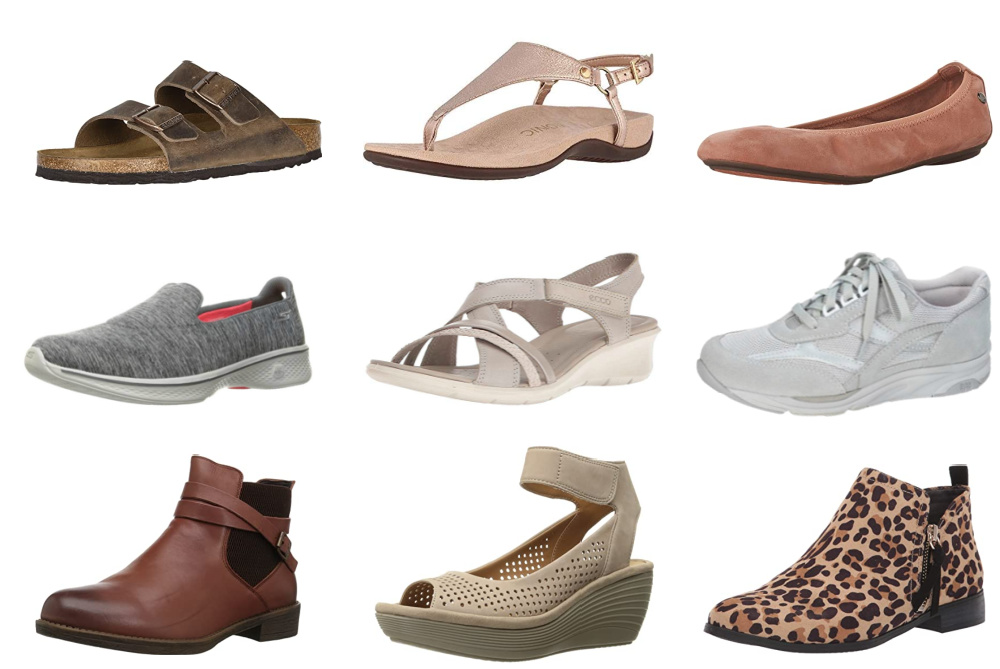
Best materials and construction for wide feet
Materials change fit more than most shoppers realize. Choose uppers and constructions that adapt to the shape of wide feet.
- Knit or engineered mesh: They stretch and mold to your foot for immediate comfort.
- Soft leather with stretch panels: Offers structure but still frees the forefoot.
- Seamless or bonded overlays: Less rubbing across the toes.
- Roomy molded footbeds: Built to accommodate wider profiles.
- Wide last construction: The internal shape matters as much as upper material.
These construction choices make it easier to find sneakers that match how to pick sneakers for wide feet comfort while balancing support and room.
How to try sneakers on and test for comfort
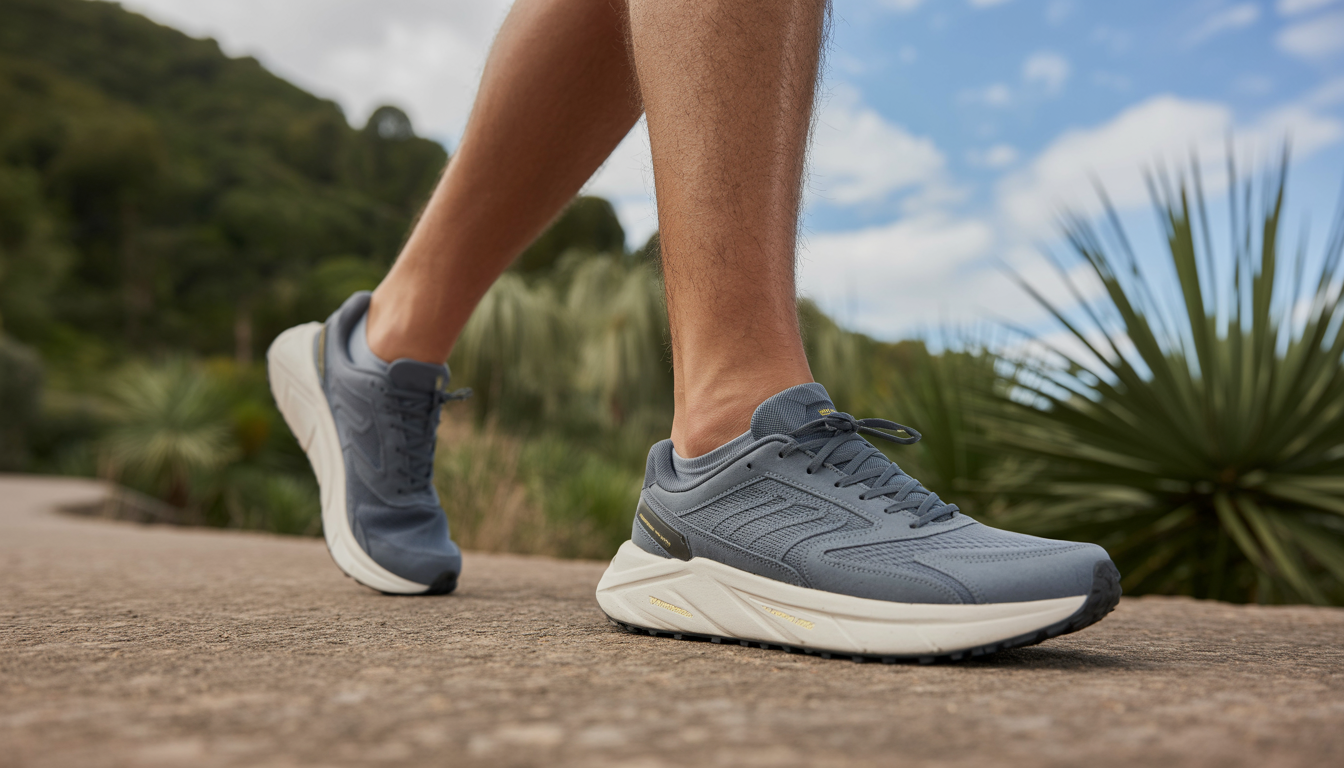
Trying shoes the right way saves returns and pain. Use this quick checklist whenever you test sneakers and decide how to pick sneakers for wide feet comfort.
- Shop later in the day: Feet swell; late-afternoon tests mimic daily fit.
- Wear the socks you plan to use: Different socks change fit.
- Stand, walk, and jog in the store or at home: Test movements you’ll do most.
- Press the toe box: Ensure toes aren’t bent or pressed.
- Check heel slip: Up to half an inch of heel movement is okay; more causes friction.
- Try insoles: Remove and swap the insole to see space and arch fit.
- Test width across the ball: Light pressure should not feel pinched.
Following this testing routine helps you avoid bad fits and teaches practical skills for how to pick sneakers for wide feet comfort.
Common mistakes and how to avoid them
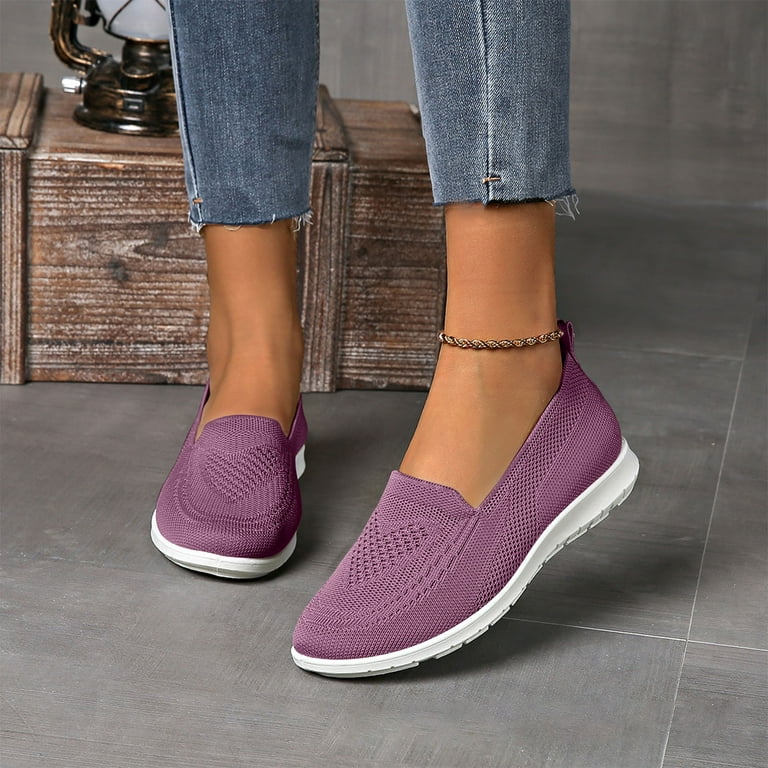
Avoid these traps that keep sneakers from being comfortable on wide feet.
- Buying a half-size larger only: Extra length does not fix a narrow forefoot.
- Relying on one brand: Sizes vary by maker and model.
- Ignoring sock type: Thick socks can create pressure in a tight shoe.
- Skipping the test walk: Static fit looks different than moving fit.
- Not removing the insole: Often adding or removing insoles makes the biggest difference.
Recognizing these mistakes will sharpen how to pick sneakers for wide feet comfort and reduce returns.
My personal experience and tested tips
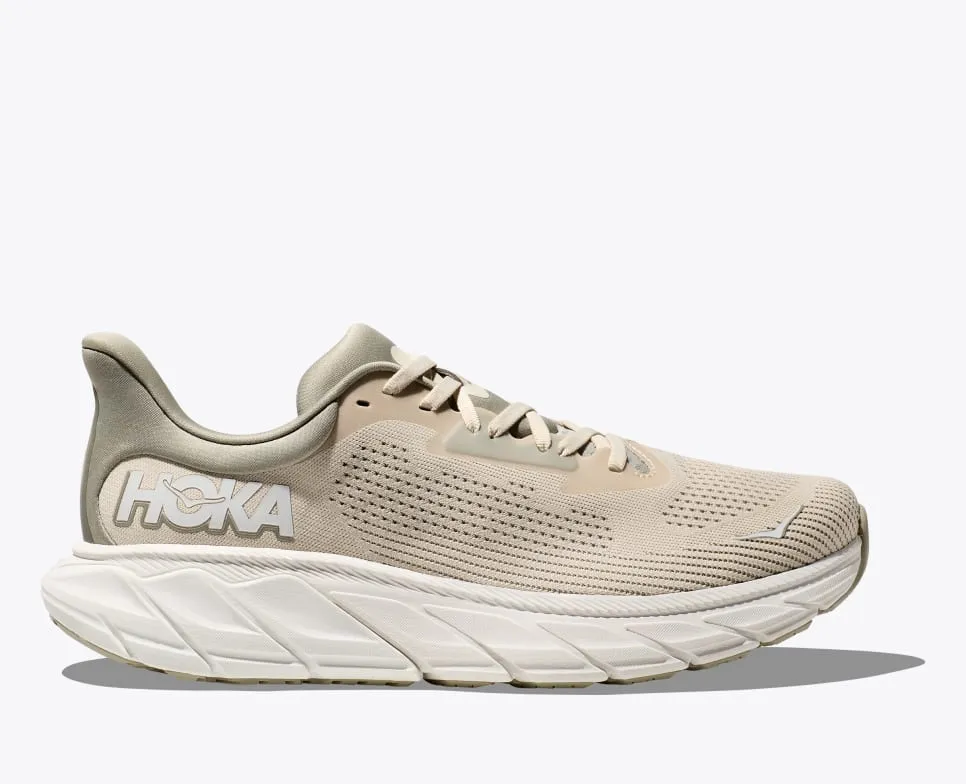
I’ve spent years helping people with wide feet find shoes that last. Early on, I made the mistake of trusting size numbers instead of shape. I learned to always measure, test with real movement, and favor removable insoles. One client relieved chronic metatarsal pain after switching to a knit upper with a roomy toe box and a 2E width—this showed me small changes matter.
I also tested stretching and heat methods. Professional stretching helps if a shoe is close but tight. But it’s better to start with a wide-friendly design than force a narrow last. These lessons inform practical, proven ways to decide how to pick sneakers for wide feet comfort.
Caring for wide-foot sneakers and making narrow shoes work
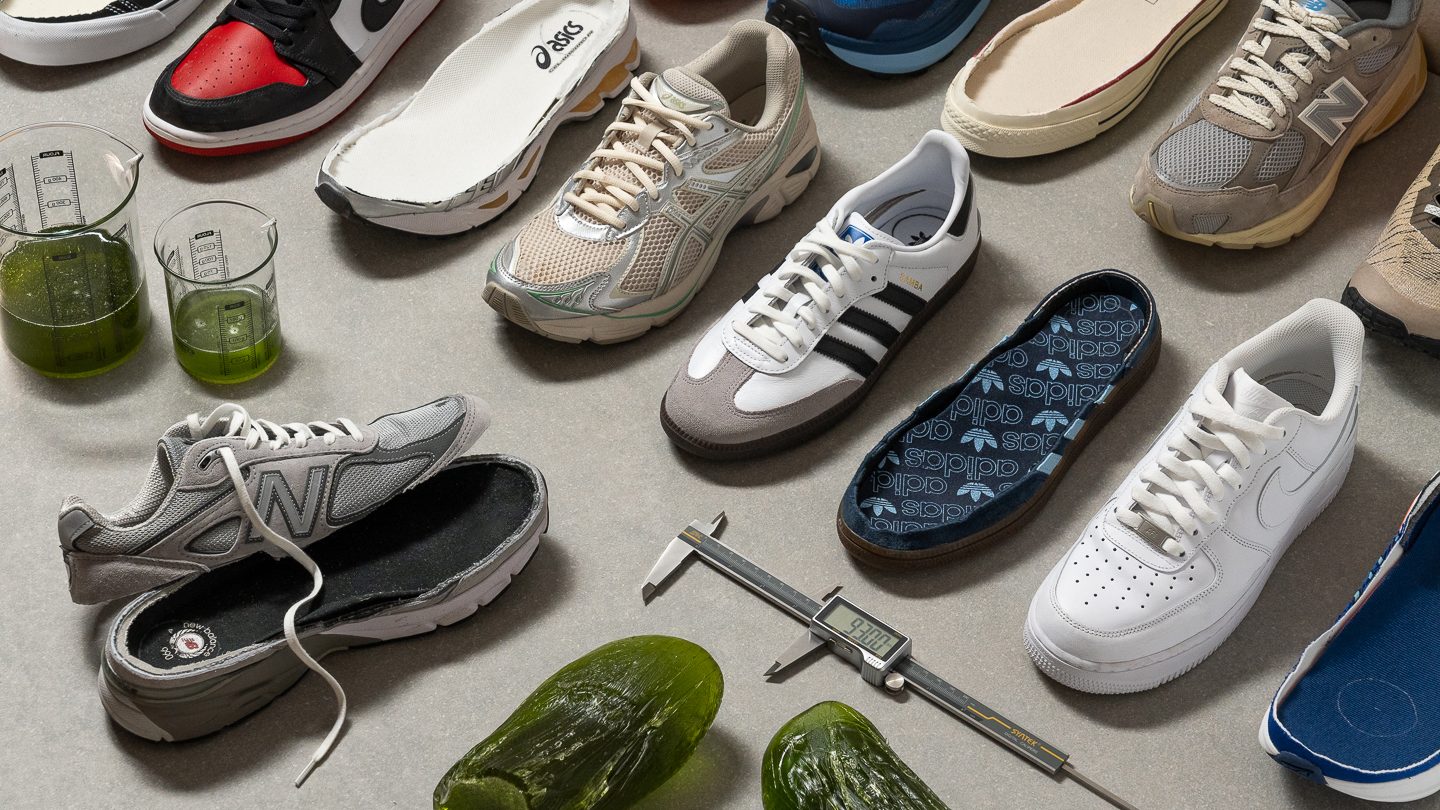
Keep wide-foot sneakers comfortable longer and adapt tighter shoes when needed.
- Use shoe trees: They maintain shape and reduce tightness over time.
- Remove insoles when storing: Helps maintain internal space.
- Use a professional stretcher: Heat-assisted stretching expands specific tight spots.
- Try alternative lacing: Wide lacing patterns reduce midfoot pressure and free the toes.
- Add a low-profile orthotic: Offers arch support without reducing width.
These tips help you preserve a good fit and offer safe options if you must wear a slightly narrow pair.

Frequently Asked Questions of how to pick sneakers for wide feet comfort
How do I know if my feet are wide or just swollen?
Measure your foot width across the ball of the foot while standing. Compare to sizing charts and try shoes labeled wide or extra wide; if standard shoes feel tight at the forefoot, you likely have a wide foot.
Can I stretch sneakers that are slightly narrow?
Yes. A professional shoe stretcher or targeted heat stretching can widen specific areas. Avoid forcing a shoe that is far too narrow, because structure and support may be compromised.
Are certain sneaker types better for wide feet?
Sneakers with knit uppers, wide lasts, and removable insoles generally work best. Look for models designed with extra forefoot room and flexible materials.
Should I size up when buying for wide feet?
Not automatically. Length and width are separate. Measure and follow width labels rather than just sizing up, since extra length can cause heel slip or improper gait.
Can orthotics help with wide feet sneakers?
Yes. Thin custom orthotics or low-profile insoles can add support without reducing forefoot width. Use removable insole shoes to keep room for orthotics.
Do running shoes differ from casual shoes for wide feet?
Yes. Running shoes often have roomier forefeet and flexible uppers, but models vary by brand. Test both types using your normal movement patterns to decide what fits best.
Conclusion
Finding the right pair comes down to knowing your measurements, focusing on a roomy toe box and wide last, testing shoes with movement, and using removable insoles or stretch solutions when needed. Start by measuring both feet, try shoes later in the day, and favor flexible uppers and adjustable lacing. Take action today: measure your feet, try one pair with a wide last, and notice the difference in comfort. Share your experience, ask questions below, or subscribe for more fit guides.

Rubel Miah is the Senior Editor at MyStyleGrid.com, where he brings a sharp editorial eye and an unshakable love for fashion to everything he does. A true style addict, Rubel lives and breathes trends, from streetwear to high fashion, and has a knack for turning inspiration into impactful stories. With years of experience in fashion journalism and digital media, he curates content that empowers readers to express themselves through style. When he’s not editing features or forecasting the next big thing, you’ll find him hunting down vintage pieces or capturing street style moments around the city.