Use baking soda, gentle wash, air out in sun, and finish with activated charcoal or vinegar.
I’ve dealt with fuel-smelling shoes more times than I care to admit. As a longtime DIYer and shoe restorer, I’ll walk you through exactly how to remove gasoline odor from shoes safely and effectively. This guide covers quick fixes, deep cleaning methods, safety steps, and prevention tips so you can save favorite shoes without guessing. Read on for clear, tested steps and practical tips that actually work.
Why shoes hold gasoline odor
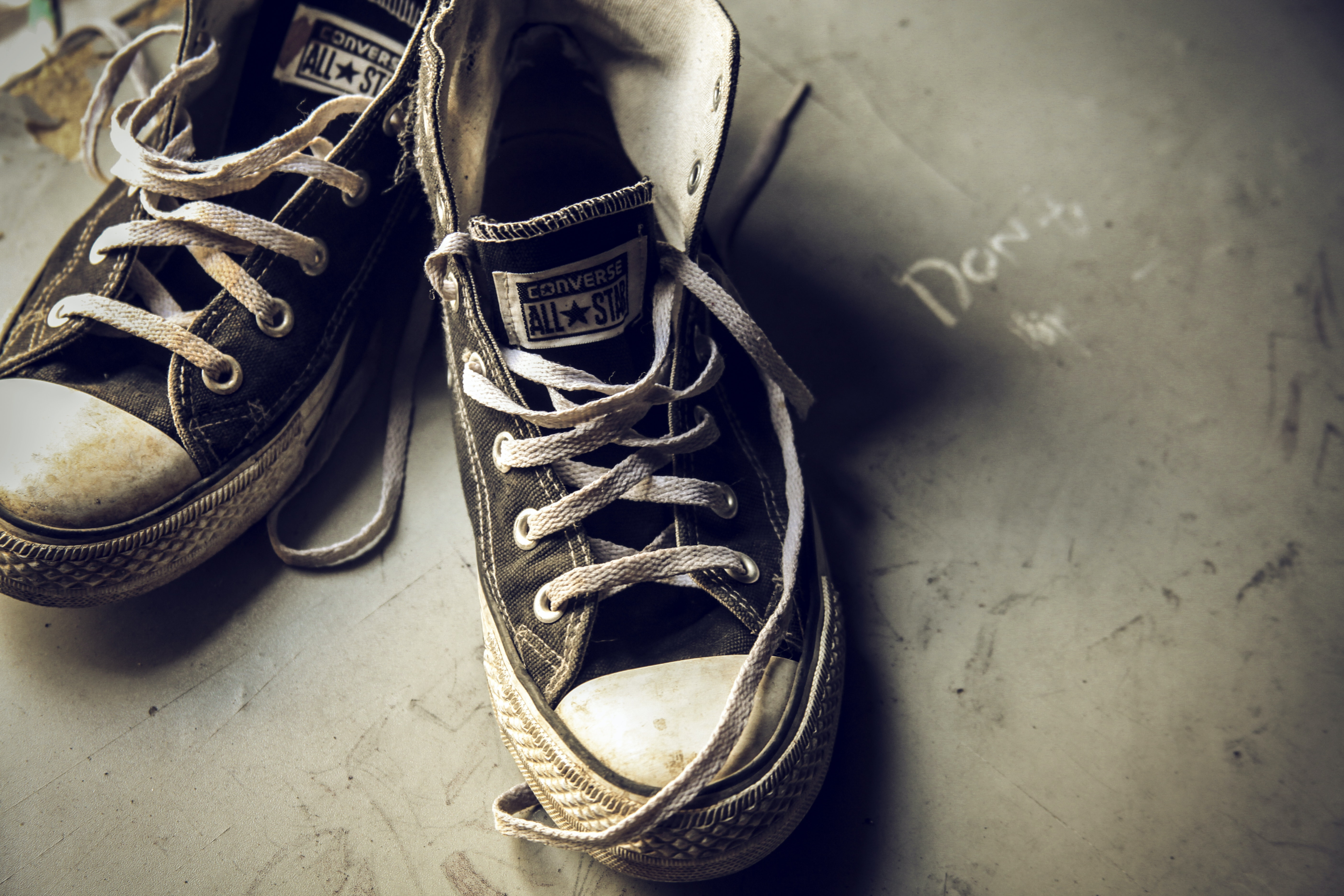
Gasoline contains volatile organic compounds that cling to fabric, foam, and leather. These molecules are tiny and can sink into seams, insoles, and cushioning. The odor lingers because those compounds evaporate slowly and re-release into the air when shoes warm up. Knowing this helps you pick the right method to remove gasoline odor from shoes, since surface cleaning alone often isn’t enough.

Safety first: precautions before you clean
Gasoline is flammable and can irritate skin and lungs. Work outdoors or in a well-ventilated area. Wear gloves and avoid open flames, sparks, or smoking nearby. If shoes are soaked through, let them off-gas outside for an hour before handling. These steps protect you and reduce the risk of spreading the smell while you work.

Quick, step-by-step fix to remove gasoline odor from shoes
Follow these short steps for a fast and effective start. These work well when the odor is fresh or light.
- Move shoes outside and remove loose debris.
- Remove insoles and laces and let them air out separately.
- Sprinkle a generous layer of baking soda inside each shoe and over the insole. Leave overnight.
- Shake out baking soda and vacuum or brush any residue.
- Wipe interiors with diluted dish soap (1 part soap to 4 parts water), then rinse lightly and let dry in shade.
- Finish by placing activated charcoal pouches or fresh coffee grounds inside for 24–48 hours.
These steps remove surface gas smell fast and are safe for most materials. For heavy contamination, move to deep cleaning below.

Deep cleaning methods for stubborn gasoline odor
If the scent persists after the quick fix, try one of these deeper methods based on shoe material.
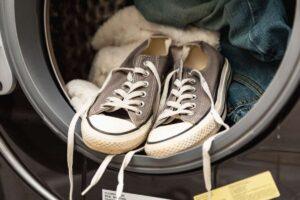
Washing-machine safe shoes
- Remove insoles and laces.
- Put shoes in a pillowcase or mesh laundry bag.
- Use a gentle cycle with cold water and mild detergent.
- Add half cup of baking soda to the wash for odor control.
- Air-dry away from direct heat.
Hand-wash delicate shoes
- Mix warm water with mild soap.
- Use a soft brush to clean interiors and exteriors.
- Rinse with a damp cloth and pat with towels.
- Stuff with paper towels to hold shape and air-dry.
Vinegar soak for persistent smell
- Mix equal parts white vinegar and water.
- Lightly spray or dab inside the shoe—do not soak leather fully.
- Let sit 10–15 minutes, then air dry. Vinegar neutralizes many odor compounds.
Activated charcoal or zeolite
- Place charcoal pouches inside shoes for 48–72 hours.
- These absorb VOCs effectively and often beat other remedies on stubborn smells.
Baking soda paste
- Make a paste with baking soda and water.
- Apply lightly to fabric parts, let sit a few hours, then brush off.
- Avoid paste on suede or delicate leather.
Clay cat litter or silica
- Fill socks with clean cat litter or silica beads and leave them in shoes for 24–48 hours.
- These are low-cost absorbents that help pull out lingering vapor.
Choose the method that suits the shoe’s material. Repeat as needed until the smell reduces substantially.

Drying and airing tips to finish the job
Proper drying matters. Heat can lock smells into materials or warp shoes.
- Air dry shoes at room temperature or in shade.
- Use a fan to speed airflow without heat.
- Avoid direct sun on leather; moderate sun on fabric can help.
- Replace stuffed paper towels every few hours until dry.
- Reinsert cleaned insoles only after both shoes and insoles are fully dry.
Drying fully prevents mildew and keeps odors from returning.
When to repair, recondition, or discard
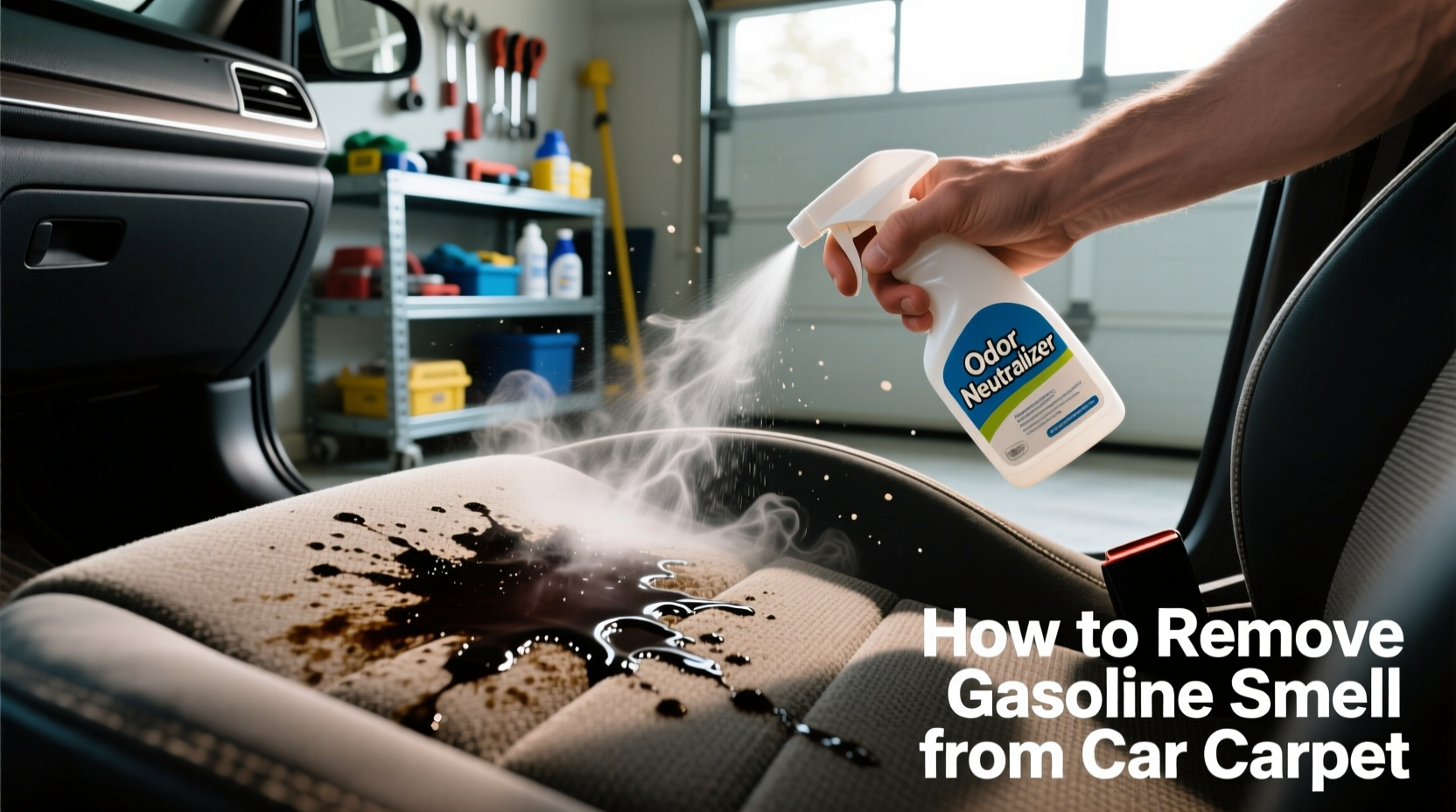
Sometimes gasoline contaminates foam or leather so deeply that removal isn’t practical.
- Repair or recondition if only insoles or liners are affected—replaceable parts are cheap.
- Consider professional cleaning for expensive shoes or heavy contamination.
- Discard if the smell persists after multiple treatments or if the material is saturated; safety and long-term comfort come first.
Deciding whether to keep a pair depends on cost, emotional value, and how well treatments work.

Preventing gasoline odor in the future
A few habits prevent future headaches.
- Avoid storing shoes near fuel containers or in garages where vapors can collect.
- Wipe off any fuel spills immediately and air shoes outside.
- Use breathable shoe boxes or racks with good airflow.
- Keep spare insoles on hand so you can swap and wash them regularly.
A little care reduces the chance you’ll need to learn how to remove gasoline odor from shoes again.
Troubleshooting and quick Q&A (PAA-style)
Why does the smell return after cleaning?
- Small amounts of gasoline can remain in inner foam and re-release as shoes warm. Repeat deep-clean methods and use activated charcoal for several days.
Can I use hydrogen peroxide or bleach?
- Avoid bleach unless the manufacturer says it’s safe. It can damage fabric and leather and make odors worse. Hydrogen peroxide can discolor materials.
Will dry cleaning remove gasoline smell?
- Some professional dry cleaners can treat shoes, but results vary. Ask about techniques for VOC removal before handing over expensive pairs.
How long should I let shoes air out?
- For light smell, 24–48 hours often helps. Heavier contamination may take several days with absorbents like charcoal.
Is it safe to wear shoes after treating them?
- Only after shoes are completely dry and no gasoline fumes remain. If you still notice fumes, repeat treatments or discard.

Personal experience and lessons learned
I once dipped a pair of canvas sneakers in a truck’s gas spill. I tried quick fixes that barely helped. Baking soda and vinegar softened the worst smells, but activated charcoal finished the job. The key lesson: remove insoles first and use layered treatments—absorbent, neutralizer, then long-term absorber. Replacing foam insoles saved the pair. Don’t rush the drying step; patience pays off.
Frequently Asked Questions of how to remove gasoline odor from shoes
Is baking soda enough to remove gasoline smell?
Baking soda helps a lot for light odors. For strong or old gasoline smells, combine baking soda with other absorbents like charcoal and repeat treatments.
Can I wash leather shoes to remove gasoline odor?
Avoid soaking leather. Use a damp cloth with mild soap, a light vinegar solution if needed, and professional leather conditioner afterward to restore oils.
How long does it take to fully remove gasoline odor from shoes?
Light odors may clear in 24–48 hours. Heavy contamination can take several days or multiple cleaning cycles with absorbents and airing.
Are activated charcoal pouches safe for all shoes?
Yes, they’re safe and non-damaging for most materials. They are an effective, low-risk long-term absorber for lingering vapors.