Use a sample vial cologne by applying small spritzes or dabs to pulse points for best results.
I’ve worked with dozens of fragrances, tested dozens of sample vial cologne formats, and taught others how to get the most from tiny bottles. This guide covers everything from how to open and decant a sample vial cologne to where to apply it, how much to use, travel tips, storage, and common mistakes to avoid. Read on for expert, practical steps you can use today to enjoy more value and better performance from every sample vial cologne you own.
Why sample vial cologne matters
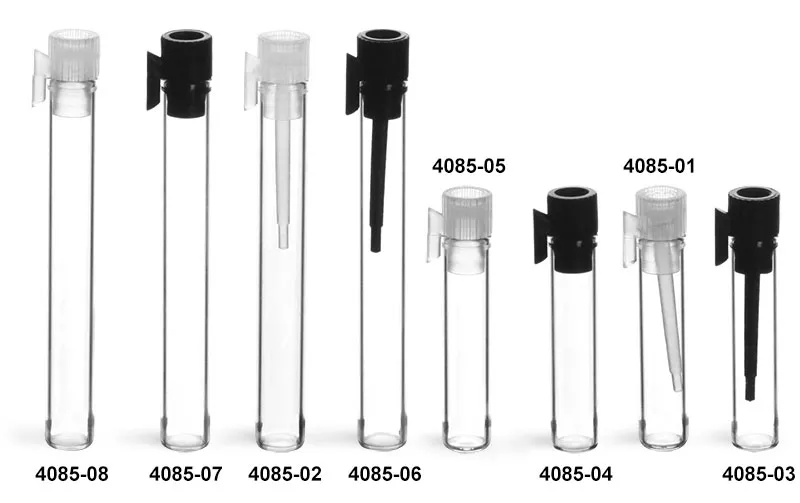
Sample vial cologne is an easy, low-cost way to try scents before buying a full bottle. It lets you test longevity, projection, and how a scent works with your skin. For collectors, sample vial cologne lets you switch fragrances daily without investing in many full bottles.
Sample vials also help you travel light and avoid airline liquid limits. They are ideal for gifting or sharing fragrances with friends. Knowing how to use sample vial cologne well saves money and helps you build a scent wardrobe with confidence.

How to use a sample vial cologne: step-by-step
Use this simple routine to get reliable results from any sample vial cologne.
- Check the vial
- Confirm it’s sealed, labeled, and not expired. A proper label helps keep track of scent names and concentrations.
- Prepare your skin
- Apply cologne to clean, dry skin. Avoid heavy lotions or scents that can mask the sample vial cologne.
- Choose your method
- Spritz method: If the vial has a spray top, one to two light sprays on pulse points works well.
- Dab method: For roll-on or open vials, use a fingertip or dab directly to the skin. Keep the application light.
- Apply to pulse points
- Use pulse points like wrists, inner elbows, chest, and behind the ears. These warm spots make the sample vial cologne bloom.
- Test and wait
- Let the scent develop for at least 30 minutes. Take notes on top, middle, and base notes to evaluate the full profile.
- Record your reaction
- Write down how long the scent lasted, sillage, and how it changed on your skin. This helps when deciding to buy a full bottle.
Practical tip: When testing several sample vial cologne scents in one day, use only two to three to avoid scent fatigue. Cleanse your nose with coffee beans or step into fresh air between tests.
Where to apply and how much
A little goes a long way with a sample vial cologne.
- Pulse points
- Wrists, inner elbows, chest, and neck are ideal. These spots warm the scent and reveal its layers.
- Clothes vs skin
- Skin gives the truest impression of a sample vial cologne. Light sprays on clothing are fine but expect different longevity and projection.
- How much to use
- If the vial is spray: 1 spray on a pulse point, 1 more if you want more projection. If it’s a dab or roll-on: one small dot per pulse point.
- Layering
- Layer with unscented lotion or a complementary scent base to increase longevity without overpowering the sample vial cologne.
Avoid over-applying. The goal is to test and enjoy, not to overwhelm.

Storing and carrying sample vial cologne
Good storage keeps your sample vial cologne reliable and fresh.
- Keep in dark, cool places
- Heat and sun break down fragrance. A drawer or closet works well.
- Use airtight small containers
- If decanting, use small atomizers that seal well to prevent evaporation.
- Travel considerations
- Use TSA-friendly atomizers under 3.4 ounces. Secure caps to avoid leaks.
- Label clearly
- Mark dates and scent names on any decants so you can track age and freshness.
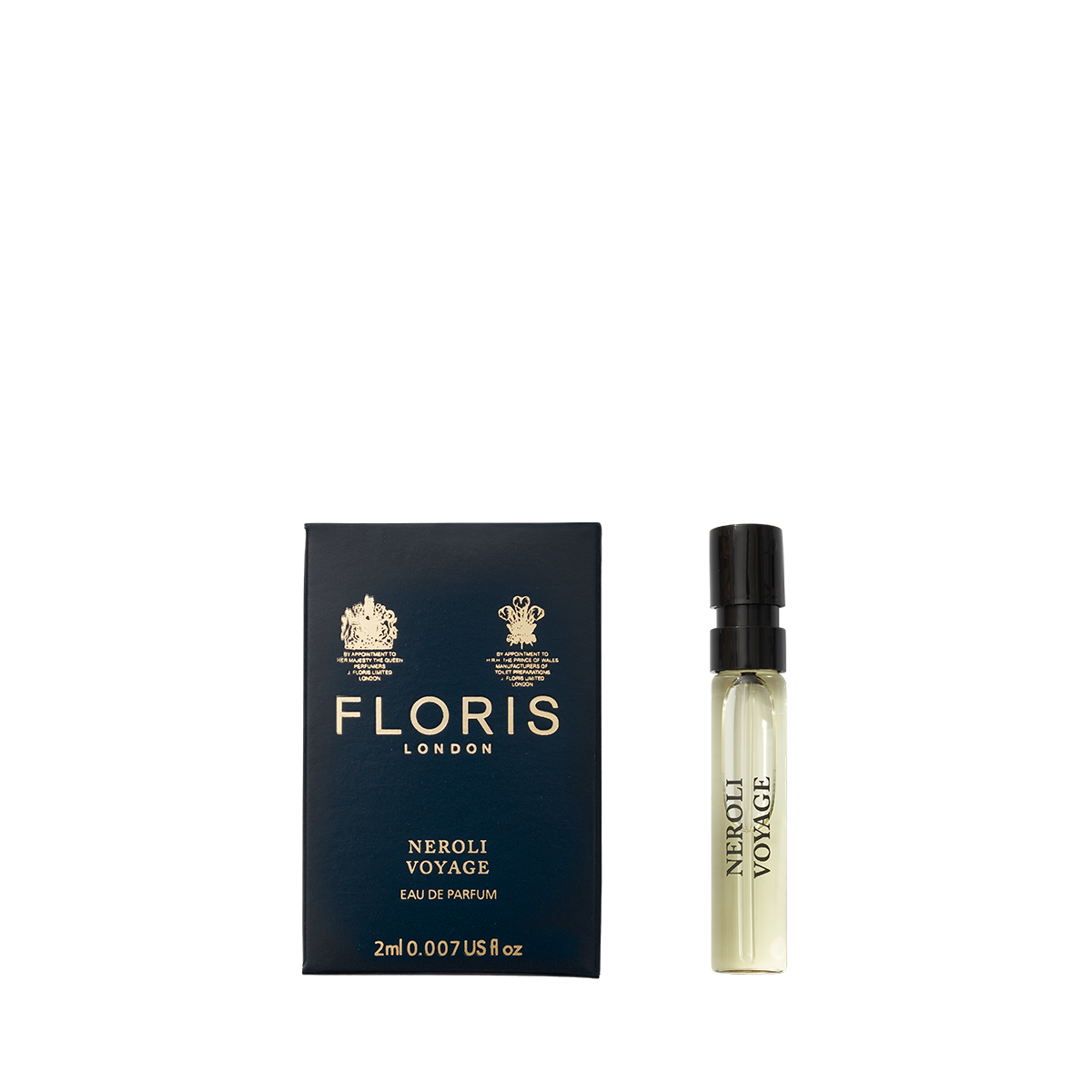
Sample vial cologne can last years when stored correctly, but expect some drift over long periods. If a scent smells off, discard it.
Common mistakes and troubleshooting
Avoid these common errors when using sample vial cologne.
- Applying too much
- Many people think more equals better. It doesn’t. Overuse masks development and wastes the sample vial cologne.
- Testing too many scents at once
- Nose fatigue makes accurate judgment hard. Test in small batches.
- Rubbing wrists together
- Rubbing breaks down the scent’s structure and alters how the sample vial cologne evolves.
- Not waiting long enough
- Base notes can take 30 minutes to appear. Give the sample vial cologne time to settle.
If a sample vial cologne seems weak, try a different application spot or a small layer over an unscented moisturizer. If it smells odd from the start, it may be spoiled or poorly made.

Choosing and testing scents from sample vials
A methodical approach makes selection easier.
- Start with categories
- Pick one category at a time: citrus, woody, oriental, fresh. This helps you compare similar profiles.
- Make comparison notes
- Note top, heart, and base impressions, and rate longevity. Track the time when top notes fade and the base emerges.
- Use a scent diary
- Keep a simple log of dates, weather, and how the sample vial cologne performed. This helps you pick a full bottle later.
- Consider concentration
- Eau de parfum from a sample vial cologne will likely last longer than eau de toilette. Factor concentration into your evaluation.
Personal experience: I once bought a bottle purely from smelling its top notes in-store. It faded quickly on me. Using sample vial cologne testing changed how I buy fragrances—now I rely on a two-day wear test from a decant before committing. That saved money and disappointment.
Personal experiences and tips
I’ve carried a rotating set of sample vial cologne decants for years. Here are lessons I learned.
- Lesson 1: Always label decants. You’ll forget names far sooner than you think.
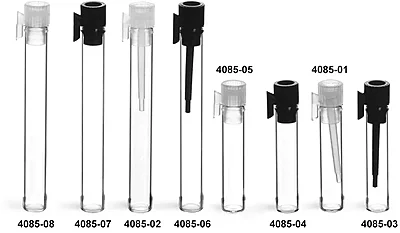
- Lesson 2: Use small glass atomizers for best scent fidelity. Cheap plastic can alter the smell.
- Lesson 3: Give each sample vial cologne at least one full-day test. Scents evolve over hours.
- Mistakes I made: I once sprayed three test scents in a row and bought the wrong one because of nose fatigue. Now I limit tests and take notes.
A friendly tip: treat each sample vial cologne like a mini experiment. You’ll learn your preferences fast.
PAA-style questions
How many sprays come from a typical sample vial cologne?
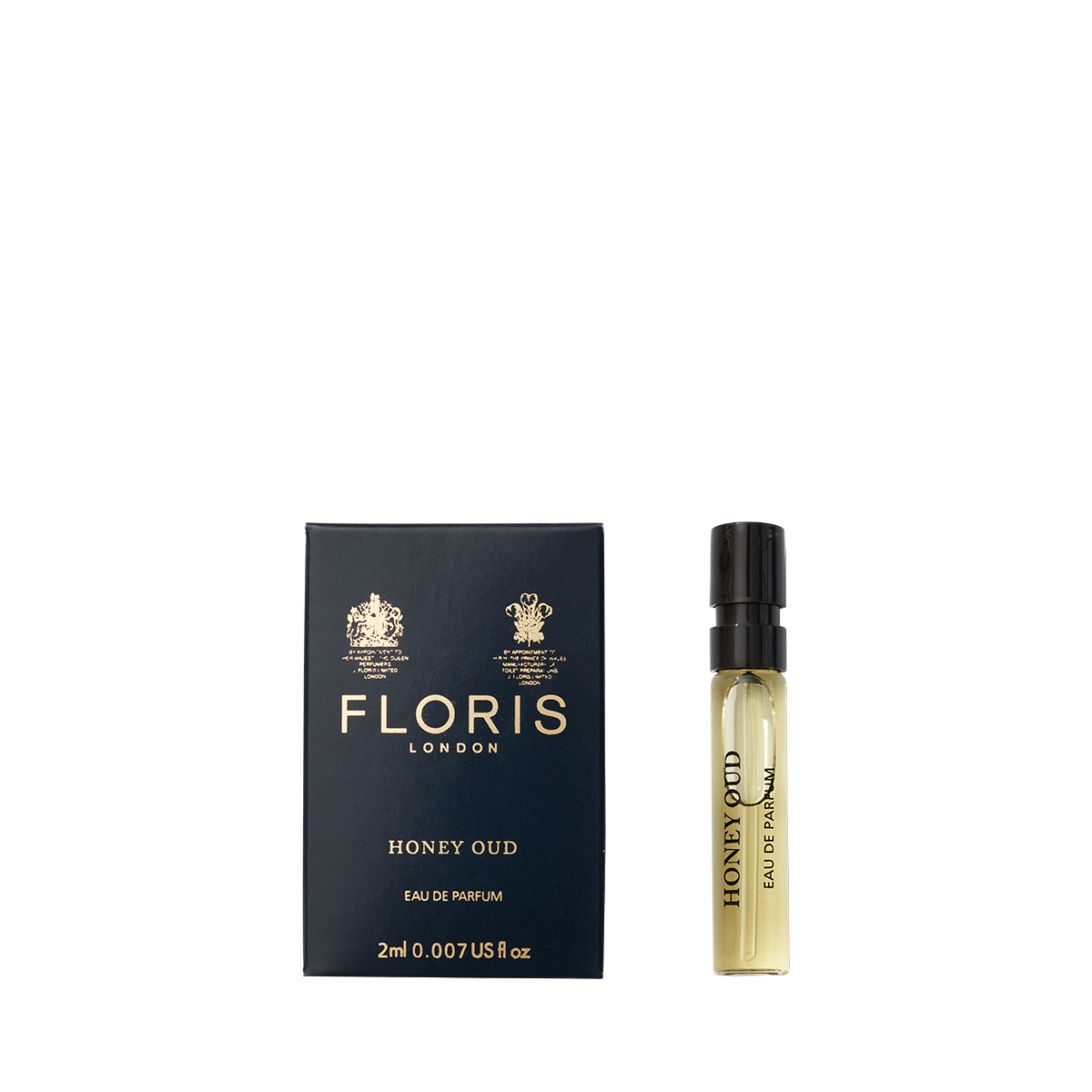
A small spray vial usually gives 10–20 sprays depending on the nozzle and volume. Track sprays by counting or noting the initial volume to estimate remaining use.
Can I travel with multiple sample vial cologne decants?
Yes—small atomizers under 3.4 ounces are TSA-friendly. Keep them sealed in a plastic bag to prevent leaks.
How long should I wait to judge a sample vial cologne?
Wait at least 30 minutes to an hour to hear base notes and true longevity. Some scents change significantly after the first hour.
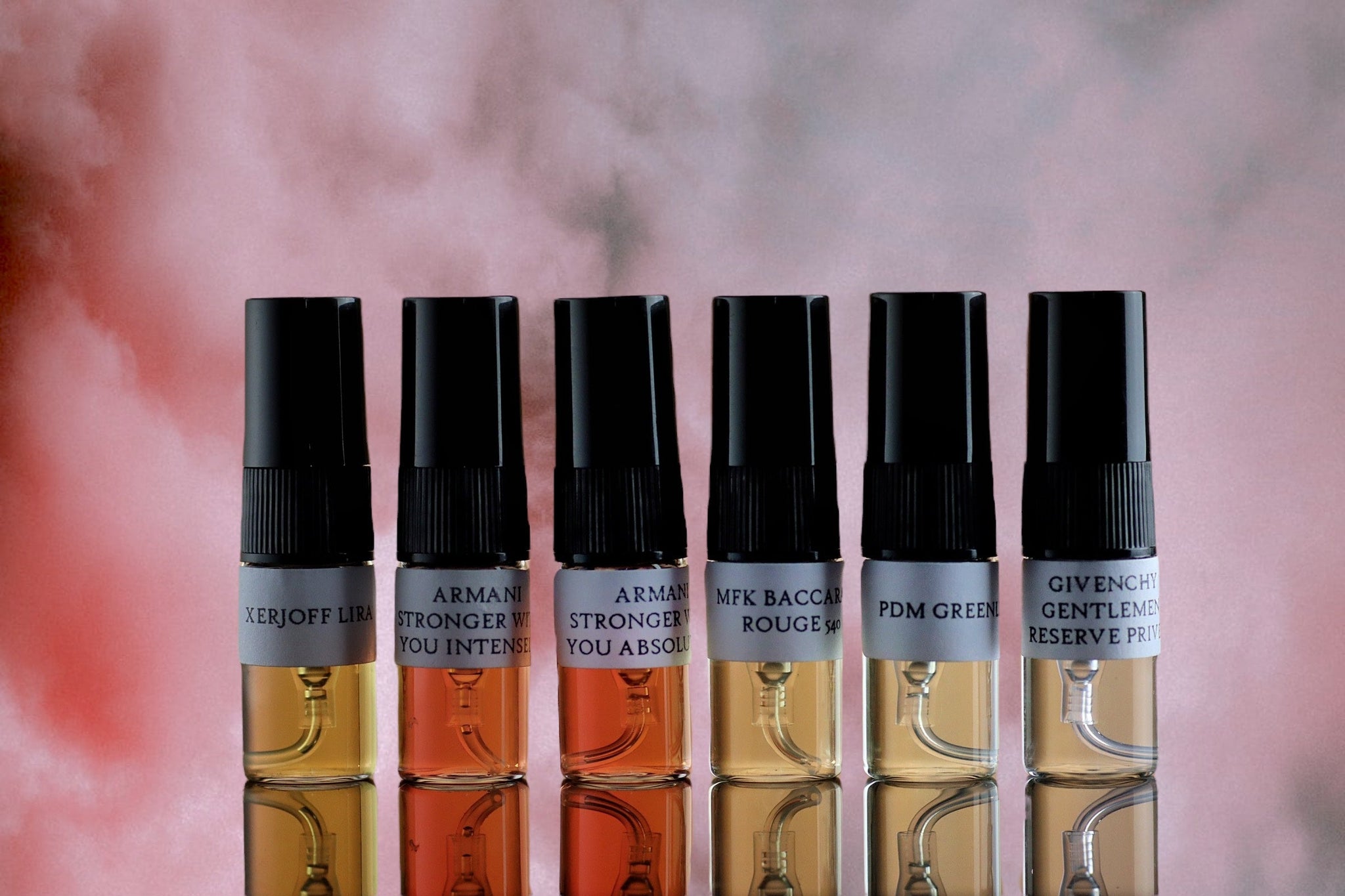
Frequently Asked Questions of how to use sample vial cologne
How do I open a sealed sample vial cologne safely?
Gently pry off the cap with a small flat tool or fingernail while holding the vial upright. Do this slowly to avoid spills and to keep the nozzle intact.
Can I decant from a full bottle into a sample vial cologne?
Yes, decanting is fine and common. Use a funnel or syringe for clean transfers and label the vial with the scent and date.
Will sample vial cologne last as long as the full bottle?
Longevity depends on concentration, not vial size. A sample vial cologne with eau de parfum concentration will generally last like a larger bottle of the same concentration.
Are glass or plastic vials better for preservation?
Glass vials preserve scent integrity best. Plastic can sometimes interact with oils and alter aroma over time.
How can I avoid mixing scents when testing multiple sample vial cologne options?
Clean your wrists and sniff neutral items like coffee beans or fresh air between tests. Limit to two or three scents per session to avoid nose fatigue.
Conclusion
You can get far more value and confidence from your fragrance choices by learning how to use sample vial cologne well. Use small applications, test on skin, store decants wisely, and keep a scent diary to track performance. Try the step-by-step routine here the next time you test a sample vial cologne, and you’ll make better buys and enjoy your scents longer. If this guide helped, leave a comment with your favorite sample vial cologne or subscribe for more fragrance tips.

Rubel Miah is the Senior Editor at MyStyleGrid.com, where he brings a sharp editorial eye and an unshakable love for fashion to everything he does. A true style addict, Rubel lives and breathes trends, from streetwear to high fashion, and has a knack for turning inspiration into impactful stories. With years of experience in fashion journalism and digital media, he curates content that empowers readers to express themselves through style. When he’s not editing features or forecasting the next big thing, you’ll find him hunting down vintage pieces or capturing street style moments around the city.