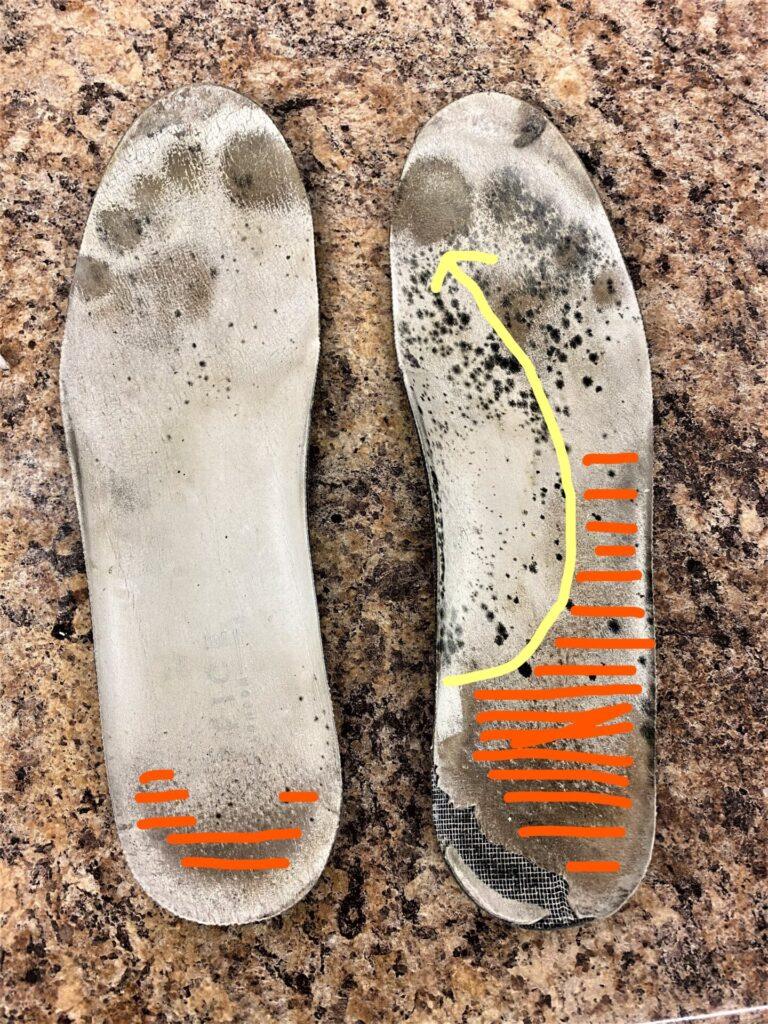
Fix uneven boot heel wear by diagnosing your gait, using heel taps, shims, or cobbler repairs.
I’ve worked on shoes and boots for years and have fixed many heels. If you want to learn how to fix uneven wear on boot heels, this guide walks you through diagnosis, quick fixes, DIY steps, and professional options. You will get clear, practical steps to stop damage, repair the heel, and prevent the same problem from coming back.

Why boot heels wear unevenly
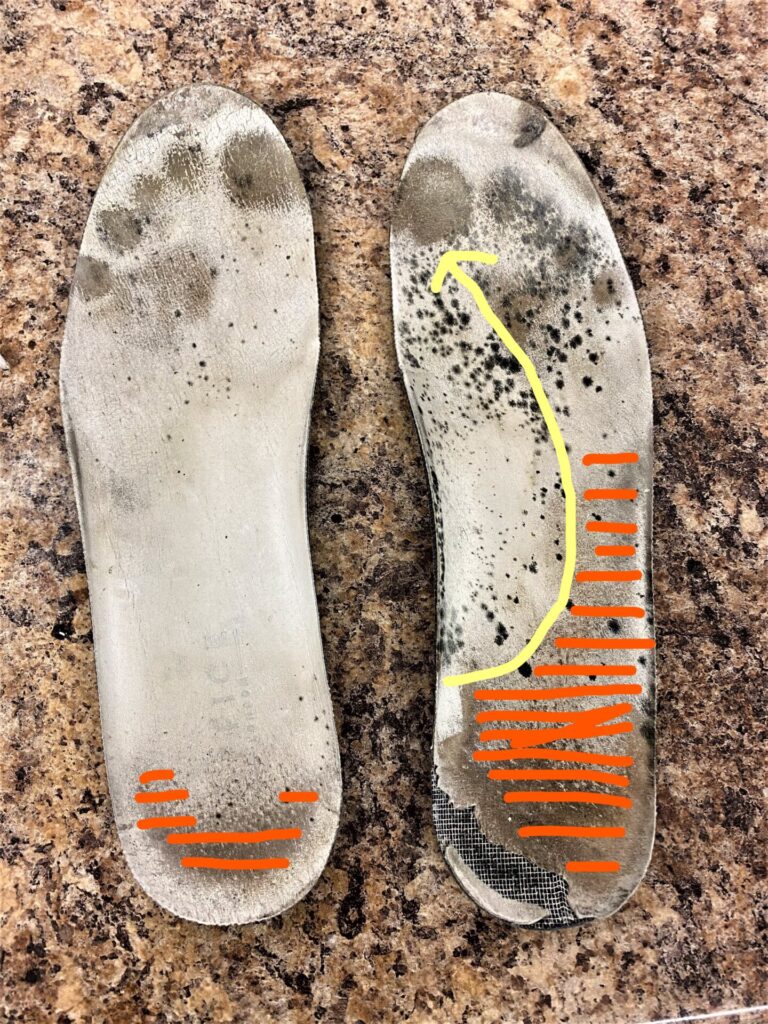
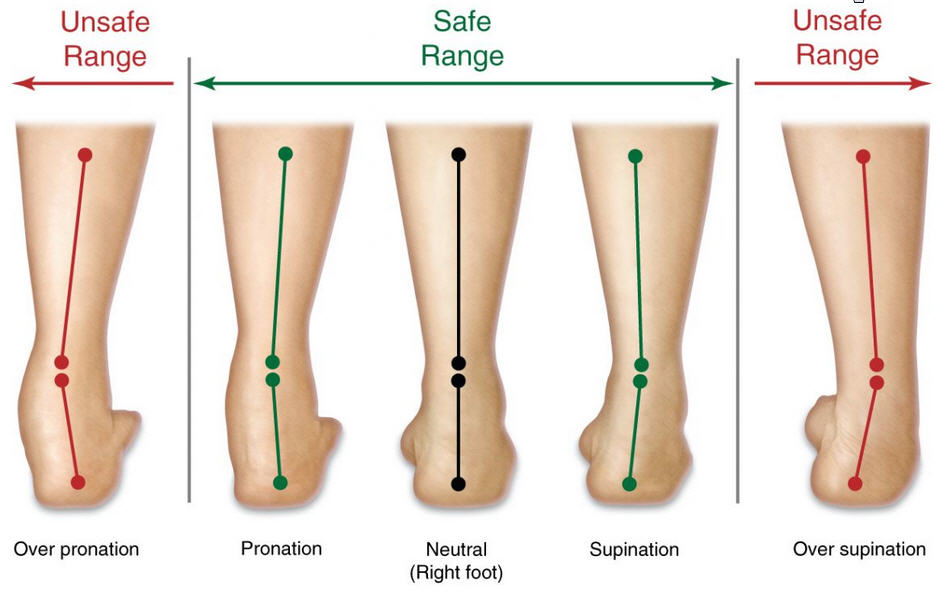
Uneven heel wear comes from a mix of body, shoe, and terrain factors. Your foot may pronate or supinate. You might favor one leg after an injury. Boots can be poor fit or low quality. Road or trail habits also wear heels strangely. Understanding the cause is the first step toward how to fix uneven wear on boot heels.

How to inspect and diagnose uneven heel wear
Start with a visual check of the heel top and sole. Look for wear on the inside, outside, or center. Check the tread and the heel cap. Watch yourself walk or have someone film your stride. Try these simple checks:
- Place boots on a flat surface and stand in them to see tilt.
- Compare left and right heels side by side.
- Press the sole and heel to find loose or compressed parts.
A clear diagnosis makes it easier to decide how to fix uneven wear on boot heels. Pay attention to fit and foot motion when you test. These clues tell you if you need a quick patch or deeper fixes.
Quick fixes to stop and repair uneven wear
If you need a fast fix, try these options. They can hold until you find a long-term solution.
- Heel taps or heel caps. These rubber or plastic pieces glue or screw onto the heel to restore shape.
- Shoe goo or resin. Use for small worn spots and to add thickness.
- Temporary shims. Thin leather or rubber under the heel shifts pressure away from the worn edge.
- Rotate shoes. Use a different pair for workouts and rough days to slow wear.
When you use quick fixes, keep checking the wear. Quick fixes help stop damage now while you decide how to fix uneven wear on boot heels long term.

Professional repairs and when to see a cobbler
Bring boots to a cobbler when wear is deep, uneven, or near the welt. Pros can replace heel blocks, resole, or add custom shims. They can also reattach loose heel counters and set the proper angle. A cobbler offers lasting repair and can explain why the wear happened.
Choose pro work when the boot is valuable or the sole needs full replacement. Professional repair is often cheaper than replacing high-quality boots and is a strong option for how to fix uneven wear on boot heels that keeps boots useful.
 orthotics, and prevention”
style=”max-width: 100%; height: auto; border: 2px solid black; border-radius: 10px; display: block; margin: 0 auto;”
loading=”lazy”
/>
Long-term fixes: gait, orthotics, and prevention
Address the root cause to avoid repeat wear. These steps help protect heels over time.
- Get a gait analysis. Physical therapists or specialty shoe stores can test your walk.
- Fit boots properly. Try half sizes, width, and try with the socks you wear most.
- Use orthotic insoles or custom orthotics to correct pronation or supination.
- Rotate footwear. Let soles rest between wears so materials recover.
- Strengthen and stretch. Foot and hip exercises can reduce uneven pressure.
When you combine these steps, you not only repair damage but stop the reason it started. That is the real answer to how to fix uneven wear on boot heels for good.

DIY step-by-step: fix uneven wear on boot heels at home
If you want to try a home repair, follow these clear steps. Work slowly and use the right tools.
- Clean the heel and sole with alcohol and a brush. Let dry.
- Remove any loose heel cap with pliers. Keep screws if present.
- Sand the area gently to give glue a good surface.
- Apply a strong adhesive designed for shoes. Press a heel tap or new heel cap in place.
- Clamp or tape the part until the glue cures (follow glue times).
- Trim excess material and sand edges smooth.
- Test by walking on a flat floor and re-check fit.
If the wear is deep or the boot wobbles after repair, stop and see a cobbler. This DIY path is useful for smaller fixes and shows you how to fix uneven wear on boot heels without spending much.

Materials, tools, and cost estimates
You don’t need much for small repairs. Here’s a basic list and typical costs.
- Heel taps or caps: low cost, $5–$20.
- Shoe glue or resin: $8–$20.
- Sandpaper and small files: under $10.
- Leather or rubber shims: $5–$15.
- Professional heel replacement or resoling: $40–$150 depending on boot and work.
A simple DIY kit runs under $50. Professional fixes cost more but last longer. Knowing costs helps you choose the right route for how to fix uneven wear on boot heels.
Personal experience and common mistakes to avoid
I have repaired many boots for friends and clients. I once glued new heel taps to a pair without sanding first. The taps popped off in a week. Lesson learned: prep matters. I also learned to watch for fit issues before repair. Fixing the shoe without fixing gait meant the new heels wore out fast.
Common mistakes to avoid:
- Skipping diagnosis and only patching the visible wear.
- Using household glue instead of adhesives made for shoes.
- Ignoring fit problems and assuming the boot is the only issue.
From my work, the best approach is to diagnose, fix the root cause, then repair. That method shows you how to fix uneven wear on boot heels with lasting results.
Frequently Asked Questions of how to fix uneven wear on boot heels
What causes uneven wear on boot heels?
Uneven heel wear often comes from gait patterns, poor fit, or an old heel block. It can also result from a leg length difference or past injury.
Can I fix uneven heel wear myself?
Yes, for light wear you can use heel taps, adhesive, or shims. For deep wear or structural damage, see a cobbler.
How long does a professional repair last?
A quality heel replacement or resole can last years, depending on use and care. Heavy use will shorten the life span, so rotate shoes.
Are custom orthotics necessary to stop wear?
Not always. Try off-the-shelf insoles first, and get a gait analysis if problems persist. Custom orthotics help when biomechanical issues are the cause.
When should I replace the boots instead of repairing them?
Replace when the upper is failing, the cost of repair exceeds new boots, or the sole is beyond trivial repair. For cheap or high-wear boots, replacement is often smarter.
Will heel taps change how the boot feels?
Yes. Heel taps add thickness and can slightly alter gait. Start with small changes and test for comfort before full use.
Can poor terrain speed up heel wear?
Absolutely. Rough surfaces and uneven trails increase friction and wear. Use tougher soles or avoid harsh terrain to extend heel life.
Conclusion
Fixing uneven wear on boot heels starts with a clear diagnosis, then moves to the right repair and prevention plan. Use quick fixes for short-term relief, see a cobbler for serious wear, and address gait or fit to stop the problem from returning. Try one small change this week—inspect your heels, rotate shoes, or add heel taps—and see how that keeps your boots in shape. Leave a comment if you want boot-specific advice or a step-by-step plan for your pair.

Rubel Miah is the Senior Editor at MyStyleGrid.com, where he brings a sharp editorial eye and an unshakable love for fashion to everything he does. A true style addict, Rubel lives and breathes trends, from streetwear to high fashion, and has a knack for turning inspiration into impactful stories. With years of experience in fashion journalism and digital media, he curates content that empowers readers to express themselves through style. When he’s not editing features or forecasting the next big thing, you’ll find him hunting down vintage pieces or capturing street style moments around the city.