Dry, air, and deodorize boots fast — remove moisture, kill bacteria, and use absorbents.
I’ve been fixing wet, smelly boots for years as someone who works outside and tests gear. In this guide I’ll show step-by-step how to stop boots from smelling after rain, why odors form, which household fixes actually work, and how to prevent smells long term. You’ll get practical tips, simple cleaning recipes, and materials-specific advice so your boots stay fresh even after heavy downpours. Read on to save your favorite boots and avoid the stink.

Why wet boots smell: the science behind odors
Wet boots smell because trapped moisture feeds bacteria and mildew. These microbes break down sweat, skin cells, and leather. That breakdown produces volatile compounds you smell as sour, musty, or rotten odors.
Common causes
- Moisture left inside after rain or sweating.
- Poor airflow from tight storage or sealed shoe boxes.
- Organic buildup from sweat, dead skin, or mud.
- Damaged waterproofing or soaked linings that stay damp.
What happens over time
- First 24 hours: moisture remains, bacteria multiply.
- 2–7 days: mildew can develop; deep-set odors form.
- Weeks: odors can permanently embed in leather or foam.
Understanding this helps you act fast. Quick drying and cleaning break the odor cycle. If you wait, odors get harder to remove. That’s why knowing how to stop boots from smelling after rain is about fast, correct steps.
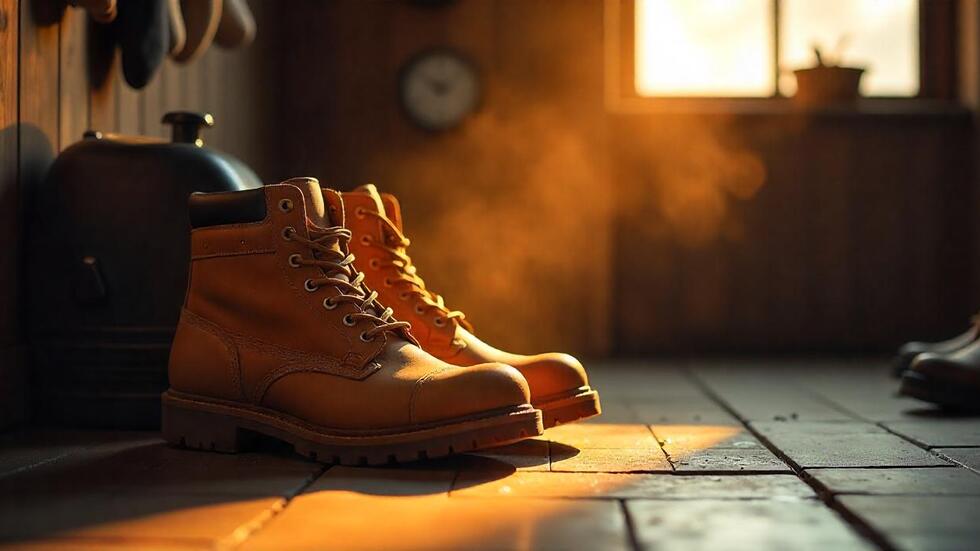
Immediate steps to take right after you get caught in the rain
Act fast. The sooner you start, the fewer bacteria will grow.
Step-by-step
- Remove liners and insoles. Wipe them with a dry cloth.
- Shake out debris and rinse off mud if needed.
- Pat interiors with an absorbent towel to remove surface water.
- Loosen laces and open any flaps to improve airflow.
- Place towels or crumpled newspaper inside to absorb moisture.
Quick tips
- Never put wet leather in direct heat. It dries too fast and cracks.
- Avoid plastic bags for storage while damp; they trap moisture.
- Use a fan for gentle forced air drying if possible.
These actions are the foundation of how to stop boots from smelling after rain. They curb bacterial growth immediately and make deeper cleaning more effective.
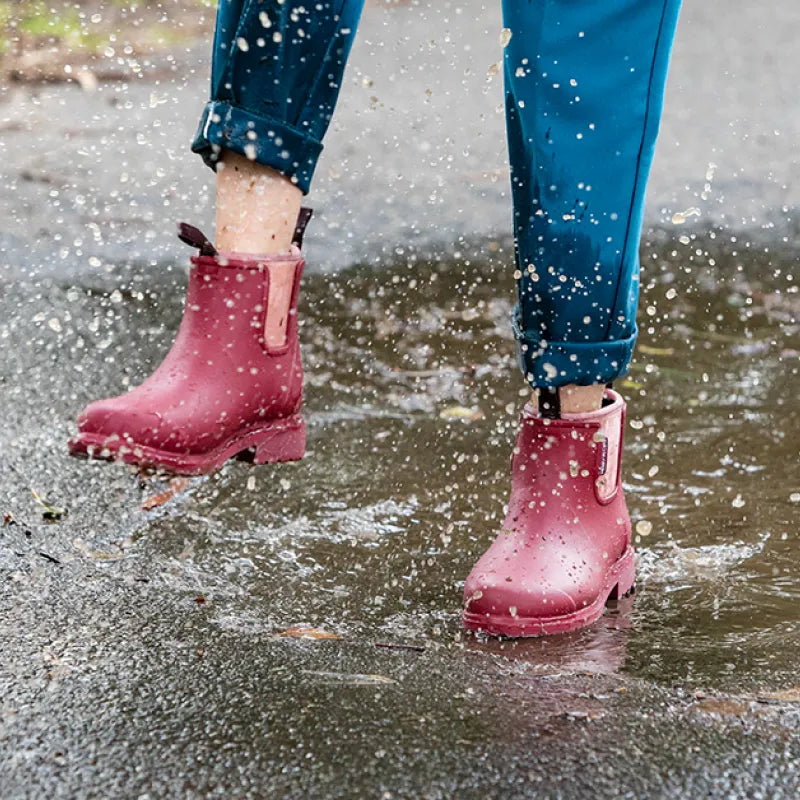
Deep cleaning methods that remove odor at the source
If smell persists after drying, clean the inside and outside to remove bacteria and grime.
Leather or synthetic boots
- Mix mild soap with warm water. Use a soft cloth to wipe interiors.
- For stubborn spots, use a solution of one part white vinegar to four parts water. Dab, then air dry.
- Condition leather after it’s fully dry to keep it supple.
Fabric and lining-safe cleaners
- Use enzyme-based cleaners to break down sweat and organic material.
- Spray lightly inside, scrub gently with a soft brush, then wipe and dry.
Cleaning insoles
- Hand wash removable insoles with soap and water.
- For foam insoles, avoid soaking; spot clean and air dry thoroughly.
Why this works
- Soap and enzymes remove food sources for bacteria.
- Vinegar lowers pH and helps neutralize odors.
- Regular cleaning is a core part of how to stop boots from smelling after rain for good.
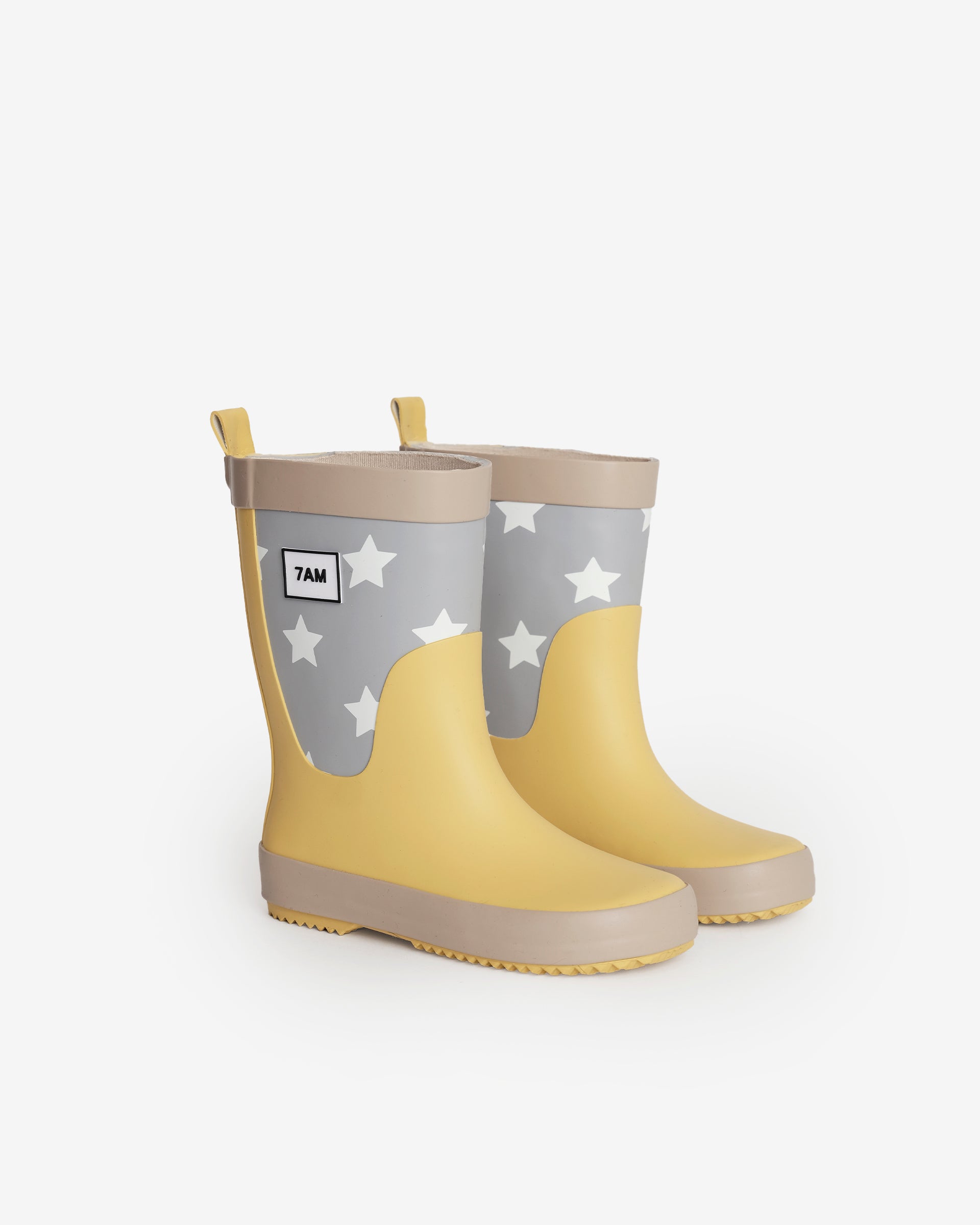
Source: 7amenfant.com
Drying and long-term odor prevention
Proper drying prevents odors. Use layered drying and breathable storage.
Drying methods
- Air dry at room temperature with good airflow. Turn boots upside down occasionally.
- Use crumpled newspaper or moisture-absorbing inserts to speed drying. Replace every few hours.
- Use a boot dryer or fan for safer, faster drying. Keep heat low.
Long-term prevention
- Rotate shoes so pairs get time to dry between wears.
- Apply breathable waterproofing to the outside; it helps keep interiors drier.
- Store boots in a well-ventilated area, not in plastic totes when damp.
Practical routine
- After rainy days, remove insoles and set both in front of a fan.
- Put a sachet of desiccant or baking soda in each boot overnight.
- Reapply waterproofing seasonally to reduce water ingress.
Consistent drying and airflow are the heart of how to stop boots from smelling after rain. Prevention beats heavy cleaning later.

Natural deodorizers and household fixes that actually work
Many natural items neutralize odors and are safe on most materials.
Baking soda
- Sprinkle inside boots. Let sit overnight then shake out. Repeat weekly for prevention.
- Baking soda absorbs moisture and neutralizes acids from sweat.
Activated charcoal
- Place a small pouch inside boots for 24–48 hours. Charcoal traps odor molecules.
White vinegar
- Wipe interiors with diluted vinegar (1:4). Air dry. Vinegar reduces bacteria and neutralizes smells.
Tea bags and cedar
- Dry tea bags and cedar chips help absorb odors and add a fresh scent.
- Use sachets to freshen boots during storage.
Avoid
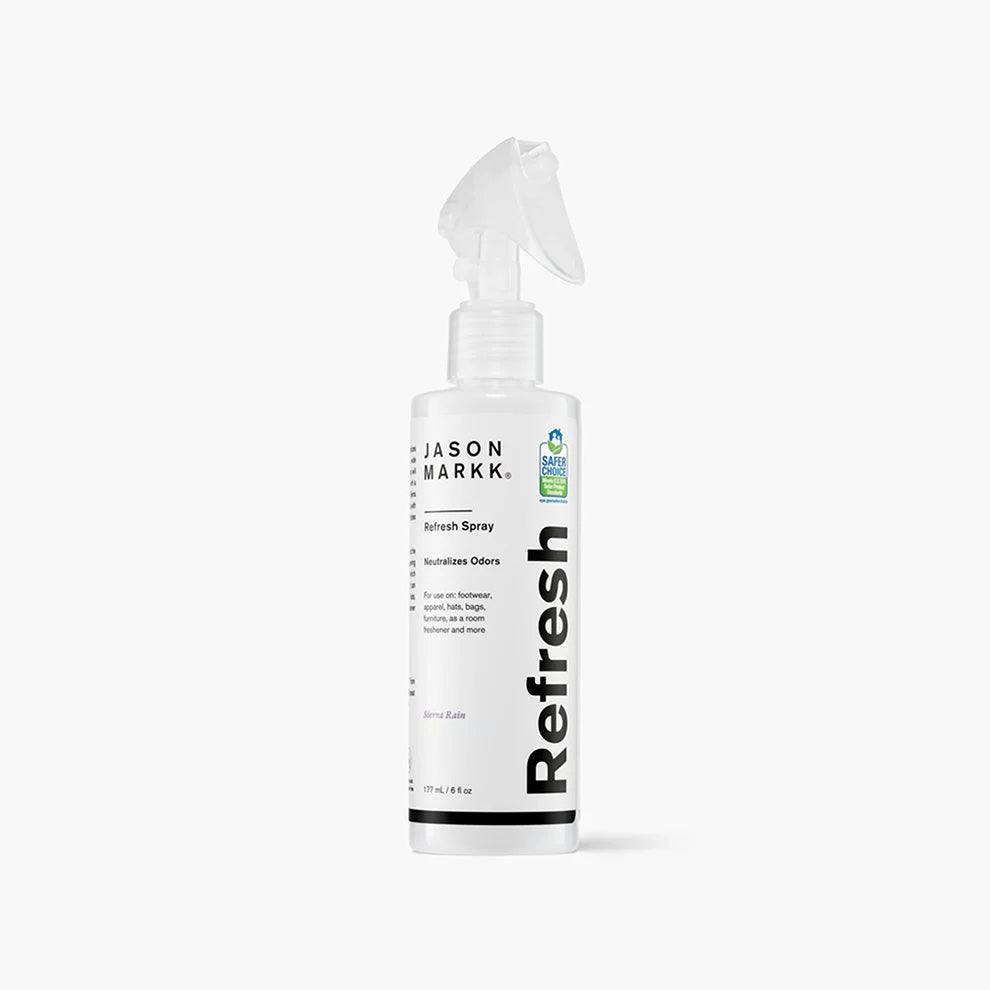
- Strong perfumes or sprays that mask odors but do not kill bacteria.
- Bleach on leather or colored fabrics — it can damage material.
These natural methods form a safe, budget-friendly part of how to stop boots from smelling after rain. They work best combined with cleaning and drying.
Materials-specific tips: leather, rubber, synthetics, and foam
Different materials need different care. Treat them right to avoid damage and persistent smells.
Leather boots
- Clean with saddle soap or mild cleaner. Condition when dry.
- Use cedar shoe trees to absorb moisture and keep shape.
Rubber boots
- Rinse and dry. Use baking soda or a diluted vinegar wipe for odor.
- Avoid long exposure to heat which can warp rubber.
Synthetic and fabric boots
- Machine-wash liners if permitted. Use enzyme cleaners for odor.
- Air dry completely; foam holds odors, so deep clean insoles.
Foam and athletic shoe insoles
- Replace foam insoles periodically if they hold odors.
- Consider charcoal or antimicrobial insoles for heavy sweaters.
Tailor your approach based on material. That is key to a lasting answer to how to stop boots from smelling after rain.

Troubleshooting stubborn smells and when to replace boots
Sometimes smells persist. Here’s how to test and decide.
Advanced steps
- Deep clean with an enzyme cleaner, then use activated charcoal for 72 hours.
- Steam clean interior fabric if material allows. This kills deep bacteria.
When to replace
- If smell returns within hours despite cleaning, the foam or lining may be permanently damaged.
- If soles separate or leather cracks, it’s time for new boots.
Cost-benefit thinking
- Repair or replace based on cost of boots versus repeated deep cleaning and discomfort.
- For expensive or specialty boots, professional cleaning or re-lining may be worth it.
These tips help you make the final call on how to stop boots from smelling after rain or when to move on.
My experience and lessons learned
I test gear outdoors and learned simple routines that work. One rainy season I ruined a pair of leather boots by drying them on a radiator. They cracked and still smelled. After that I switched to air drying with newspaper and cedar shoe trees. I now clean insoles weekly, rotate shoes, and keep a small boot dryer at home.
Lessons I learned
- Act immediately after rain.
- Avoid high heat on leather.
- Baking soda and charcoal are cheap and effective.
- Replace foam insoles before odors become permanent.
These are real fixes I used often. They show practical ways to stop boots from smelling after rain that you can try tonight.
PAA-style questions (quick answers)
Can I put wet boots in the dryer?
- Short answer: No for leather or heavy boots. Low-heat shoe dryers or air drying are safer.
How long does it take to fully dry boots?
- Most boots dry in 24–48 hours with good airflow; leather can take longer.
Will vinegar ruin leather?
- Diluted vinegar used sparingly is safe, but always condition leather after drying.
Are deodorizing sprays effective?
- Sprays mask smell; use them after cleaning and drying for best result.
Do insoles need replacing often?
- Replace every 6–12 months for heavy use or sooner if odor persists.
Frequently Asked Questions of how to stop boots from smelling after rain
How quickly should I start treating wet boots?
Start within the first few hours. Remove insoles, pat dry, and set newspaper or a fan to prevent bacteria growth.
Can I use a hair dryer to dry my boots?
Use a hair dryer only on a low setting and at a distance. High heat can warp soles and crack leather.
Is baking soda safe for all types of boots?
Yes, baking soda is safe for most materials. Test on a small area first for delicate finishes.
Will sunlight remove odors from boots?
Sunlight helps kill bacteria but can fade and dry out leather. Use indirect sunlight or short sun exposure.
How often should I deep clean boots to prevent smells?
Deep clean every 1–3 months depending on use. Clean more often after heavy sweating or muddy conditions.
Can store-bought odor eaters replace cleaning and drying?
They help but don’t replace cleaning and proper drying. Use them alongside good hygiene.
Should I use waterproofing sprays after cleaning?
Yes. Reapplying breathable waterproofing reduces water ingress and lowers odor risk.
Conclusion
Wet boots smell because moisture and bacteria meet. The reliable plan is to act fast, dry gently, clean deeply, and prevent repeat exposure. Use absorbents like newspaper, natural deodorizers such as baking soda or charcoal, and appropriate cleaners for materials. Rotate boots, replace old insoles, and avoid high heat on leather. Take these steps today and your boots will stay fresher after rain.
Try one routine this week: clean insoles, dry with newspaper, and leave a charcoal pouch overnight. Share your results below or subscribe for more gear care tips and guides.

Rubel Miah is the Senior Editor at MyStyleGrid.com, where he brings a sharp editorial eye and an unshakable love for fashion to everything he does. A true style addict, Rubel lives and breathes trends, from streetwear to high fashion, and has a knack for turning inspiration into impactful stories. With years of experience in fashion journalism and digital media, he curates content that empowers readers to express themselves through style. When he’s not editing features or forecasting the next big thing, you’ll find him hunting down vintage pieces or capturing street style moments around the city.