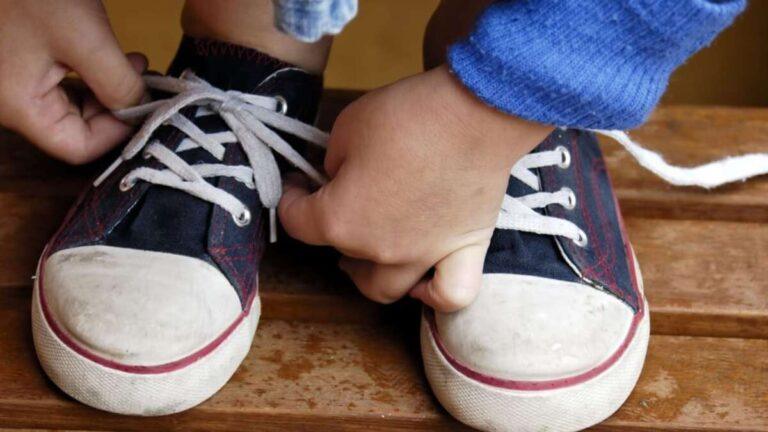
Start simple: pick one method, show slowly, guide his hands, and praise every small win.
I’ve taught kids and coached parents on how to teach my son to tie his shoes many times. I know what works and what trips up families. This guide walks you step by step through easy techniques, timing, practice games, and fixes for common stalls. Read on for clear, friendly, expert advice so you can teach your son to tie his shoes with calm, short lessons that stick.

Why teaching shoe-tying matters
Learning how to tie shoes builds fine motor skills and confidence. It is a milestone that helps kids gain independence at school and in daily life. Teaching your child how to tie shoes also supports hand-eye coordination and patience. When you focus on one method, short practice sessions, and lots of praise, progress comes fast.

When to start teaching your son to tie his shoes
Most kids are ready between 4 and 6 years old. Readiness depends on finger strength, interest, and ability to follow simple steps. If your son can button shirts or hold a pencil well, he is likely ready. Start early with play and practice, but keep formal lessons short and fun.

Two simple, proven methods to teach shoe-tying
Below are two popular methods. Use the one that fits your son’s learning style. Try both if needed.
- Bunny Ears method
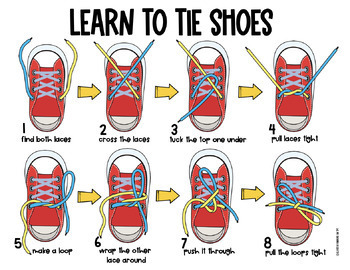
- Make two loops like “bunny ears” from the laces.
- Cross the ears, tuck one behind the other, and pull tight.
- Repeat slowly with your son’s hands guiding yours until he can do it alone.
- Loop, Swoop, and Pull (single-loop method)
- Make a loop with one lace.
- Wrap the other lace around the loop like a swoop.
- Pull the wrapped lace through to form a second loop, then tighten.
Both methods work. Teach one method at a time. Practice each step with your child’s hands in yours. Praise attempts, not just success.
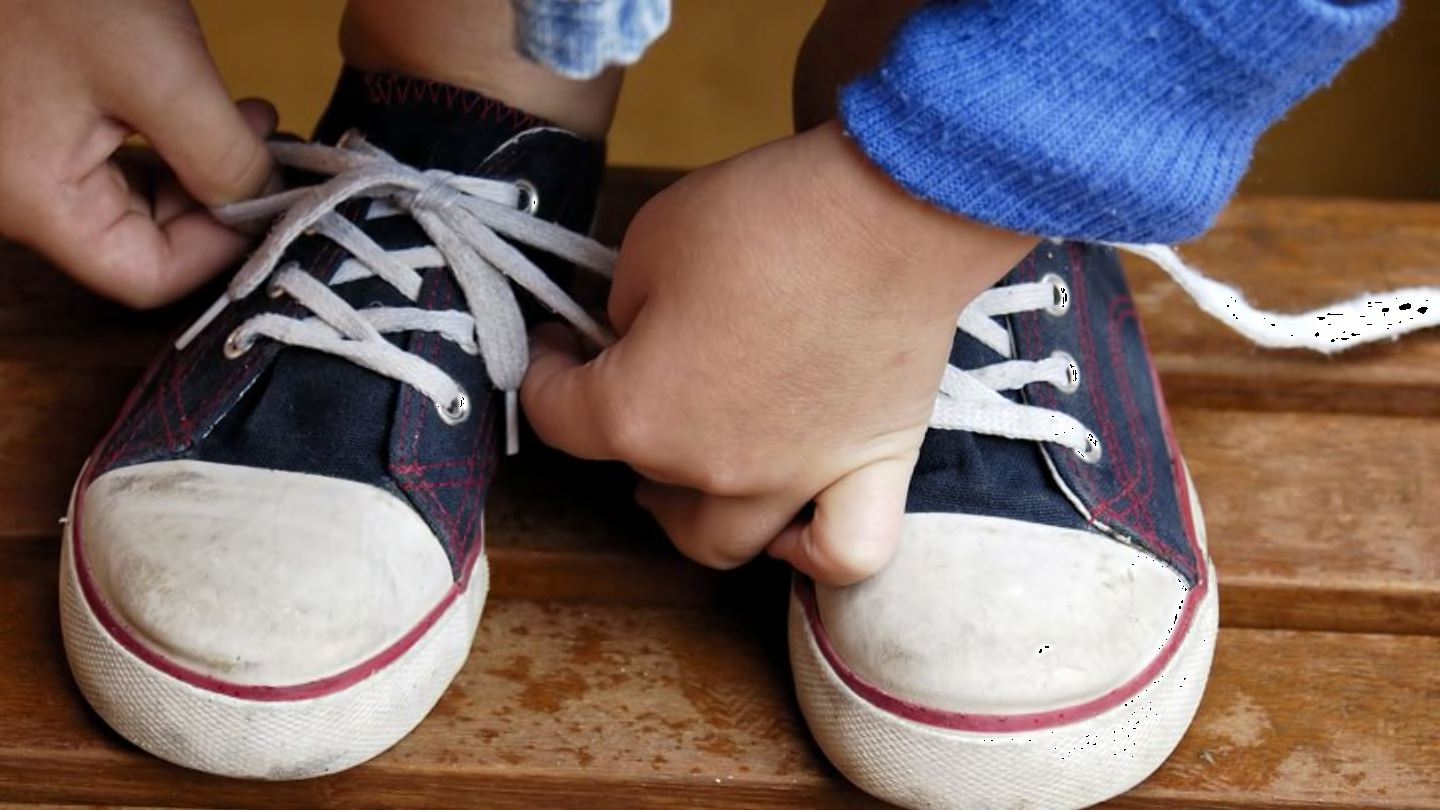
Step-by-step lesson plan you can use today
Use this plan during five-minute sessions. Repeat twice a day for a few weeks.
- Warm-up (1 minute)
- Do finger exercises: squeeze a ball or pick up coins.
- Say a rhyme to focus attention.
- Show and tell (1 minute)
- Demonstrate slowly while your son watches.
- Use simple words: loop, cross, pull.
- Guided practice (2 minutes)
- Place his hands over yours and move together.
- Reduce help slowly as he gains control.
- Independent try (1 minute)
- Let him try alone. Encourage even if it’s messy.
- Celebrate small wins with high fives or a sticker.
Repeat this short routine daily. Keep sessions light and positive.
Tools, shoes, and aids that help
The right gear can speed learning.
- Shoes with long, flat laces make loops easier to form.
- Lace-up trainers are better than slippery nylon laces.
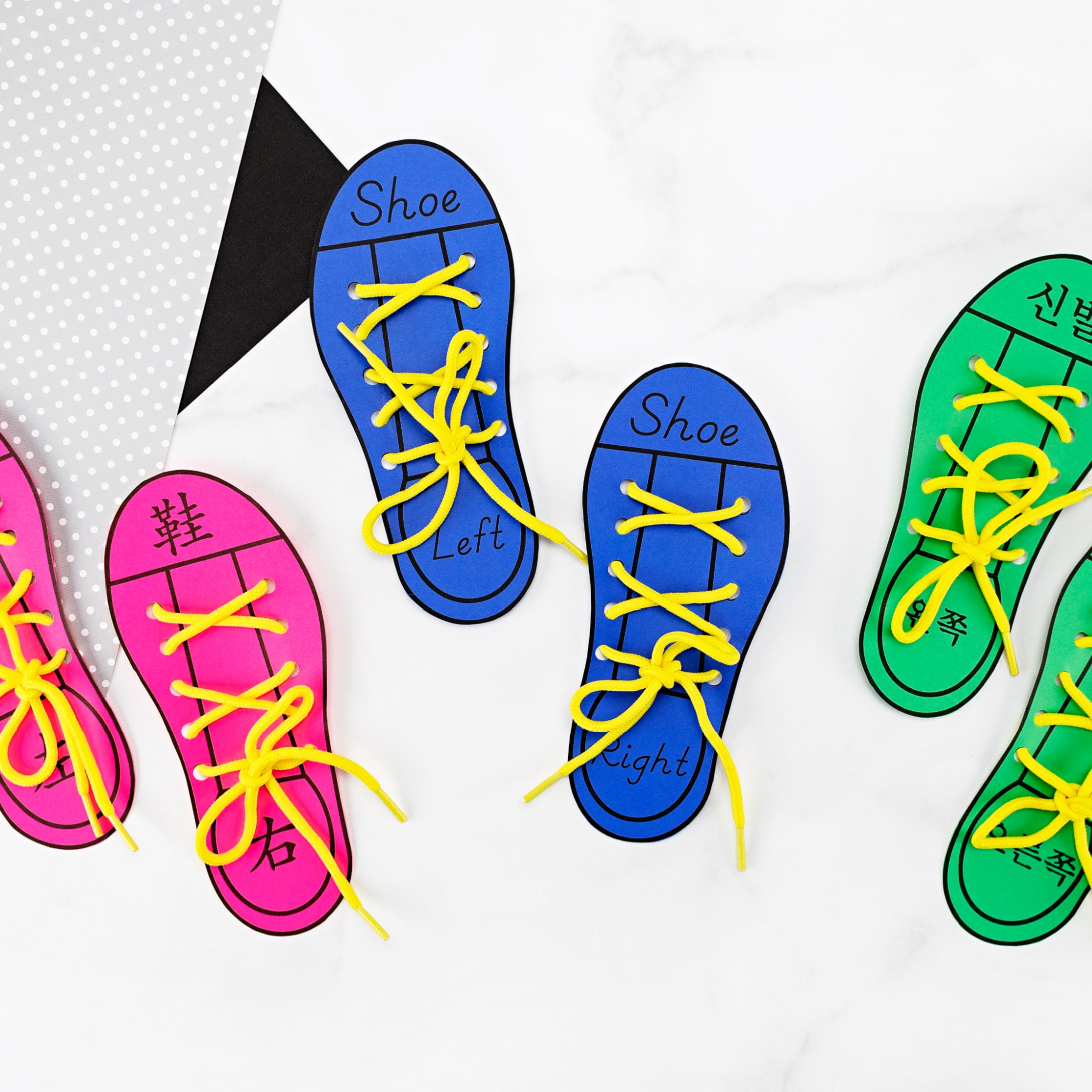
- Use colored laces to show left and right or which lace to move.
- Consider a practice board or felt shoe for tabletop practice.
- Use clothespins or a rubber band temporarily for kids who need extra hold.
Avoid relying on elastic no-tie laces until he can tie on demand. The goal is skill, not dependence.
Games, songs, and tricks to make practice fun
Play turns practice into habit.
- Sing a short rhyme for each step so he remembers the order.
- Time a practice round and try to beat the last time gently.
- Use stickers or a small chart to track progress and reward effort.
- Turn it into a race with stuffed animals to motivate him.
Short, playful sessions beat long, boring ones every time.
Troubleshooting: common problems and fixes
Here are quick fixes for typical stalls.
-
Problem: He gets stuck on one step.
- Fix: Break that step into two smaller moves and practice each.
-
Problem: Laces slip or are too thin.
- Fix: Switch to wider cotton laces or slightly worn laces for better grip.
-
Problem: He loses interest quickly.
- Fix: Use a one-minute game with a bright reward and stop while it’s fun.
-
Problem: He keeps tying uneven loops.
- Fix: Mark one lace with a small knot or colored tape to show which to move.
Be patient. Small wins add up fast when you repeat short, hands-on lessons.

Personal experience, lessons learned, and tips from the field
I taught my son to tie his shoes by doing two-minute sessions after breakfast. We used the bunny ears method first. He liked the name and the pretend story of rabbits hopping. I hand-over-hand guided him for a week. Then I let him practice on a worn pair of shoes at home. He first learned on a carpeted floor, which helped laces stay put.
Key lessons I learned:
- Keep sessions short and upbeat.
- Show the same method every time.
- Use simple words and a song to reinforce steps.
- Be patient and avoid pressure. Confidence is as important as skill.
These small choices made a big difference. Your experience might vary, but the same core rules apply.

PAA-style quick questions
How long does it take to teach my son to tie his shoes?
Most children learn basic tying in a few weeks with short, daily practice. Consistent, five-minute sessions speed learning.
Which method is easiest for most boys?
Many children find the bunny ears method easy because it uses two simple loops. The loop, swoop, and pull method can be quicker once the child masters it.
Should I wait until he is five?
You can start earlier with simple play if he shows fine motor skill and interest. Formal lessons between ages 4 and 6 are common and effective.
Frequently Asked Questions of how to teach my son to tie his shoes
How do I know when my son is ready to learn shoe-tying?
Look for steady hand control, ability to follow two-step directions, and interest in trying. If he can button or zipper, he’s likely ready.
What if my son gets frustrated and refuses to practice?
Stop and try later. Switch to a playful activity or a song. Praise small attempts and keep sessions short and positive.
Are no-tie laces a bad idea?
No-tie laces are great for safety and speed, but they can reduce motivation to learn. Use them when needed but still practice tying with real laces.
How often should we practice?
Short practice twice daily is ideal. Five minutes per session is enough to build habit without burnout.
Can both parents teach the same way?
Yes, but agree on one method and language so your son isn’t confused. Consistency helps learning.
Conclusion
Teaching your son to tie his shoes is a quick win with long-term benefits. Use one simple method, keep practice short, show hands-on guidance, and celebrate small steps. Patience, consistency, and play make this skill stick. Try the short lesson plan for two weeks and note the change. Share your wins, ask questions below, or subscribe for more parenting tips.

Rubel Miah is the Senior Editor at MyStyleGrid.com, where he brings a sharp editorial eye and an unshakable love for fashion to everything he does. A true style addict, Rubel lives and breathes trends, from streetwear to high fashion, and has a knack for turning inspiration into impactful stories. With years of experience in fashion journalism and digital media, he curates content that empowers readers to express themselves through style. When he’s not editing features or forecasting the next big thing, you’ll find him hunting down vintage pieces or capturing street style moments around the city.