If your heel slips, toes jam forward, or you feel extra length, your shoes are too big.
I’ve fitted hundreds of feet in stores and tried many brands myself. In this guide I’ll show clear, practical ways to check how to tell if your shoes are too big, why it matters, and what to do next. Read on for quick checks, step-by-step tests, fixes, and real tips from experience.

Signs your shoes are too big
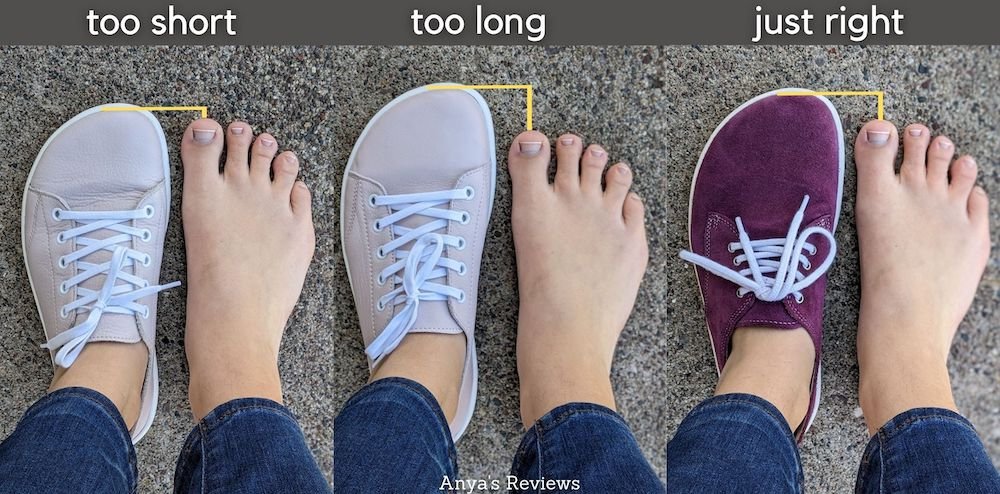
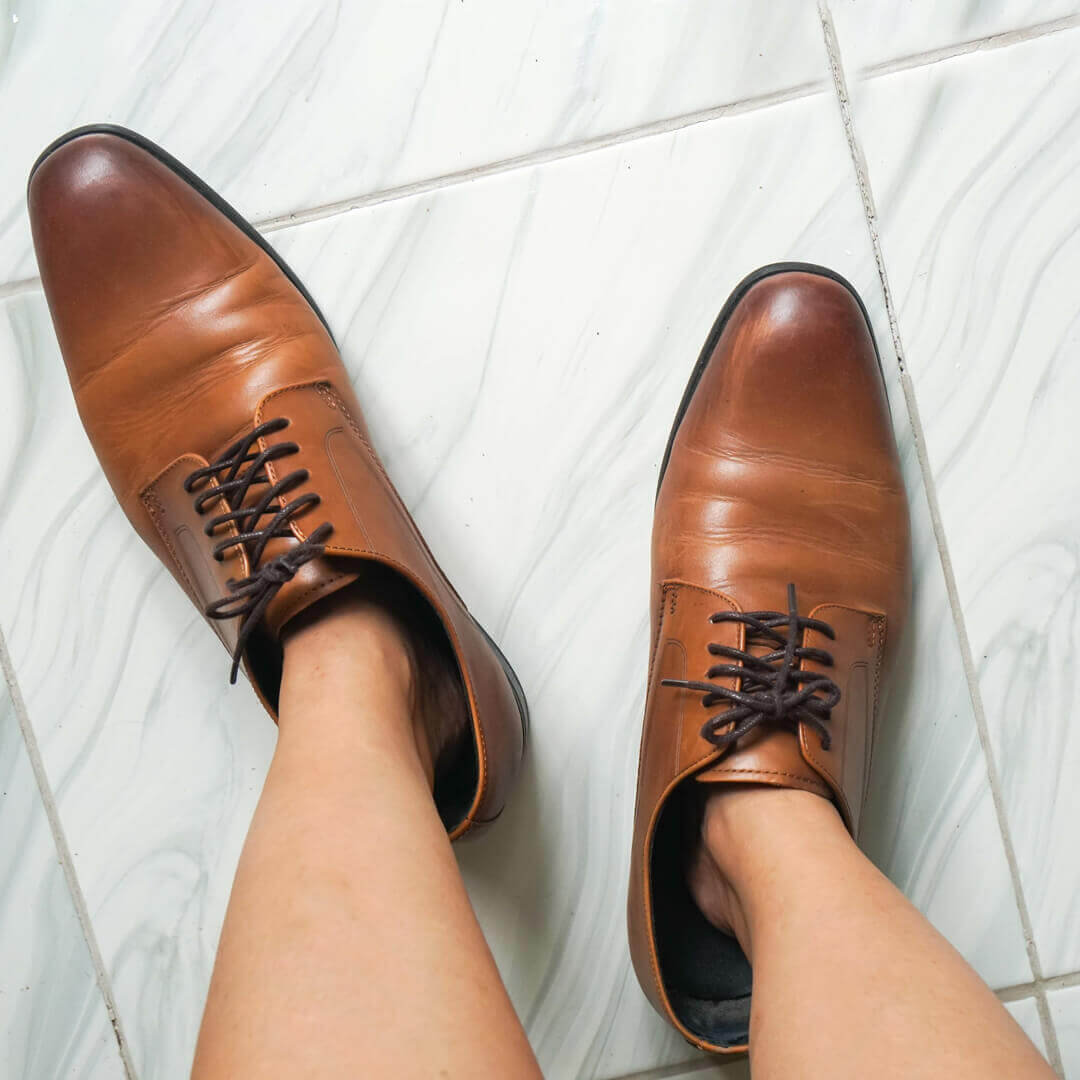
If you want to know how to tell if your shoes are too big, look for simple, clear signs. Shoes that are too large affect comfort and walking. Watch for heel slip. Watch for extra toe room. Watch for unstable steps.
Common signs
- Heel slip when you walk or run. This lifts the heel and causes friction.
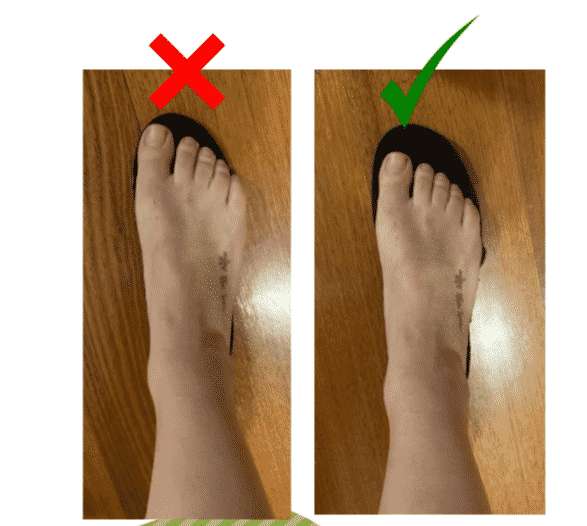
- Excess space at the toe box. Your toes should not have more than a thumb’s width of extra room.
- Shoes feel roomy all around. The foot slides side to side.
- Blisters form on the back or sides of the foot. Friction from movement causes blisters.
- You stand or walk awkwardly to keep shoes on. That change can hurt knees and hips.
How to tell if your shoes are too big while trying them on
- Put on the socks you will wear with the shoes.
- Stand and push your foot forward so your longest toe is at the front.
- Try to slip a thumb behind your heel. If there is more than a thumb’s width, the shoe is likely too long.
- Walk on a hard floor for a minute. If your heel lifts more than 1/4 inch, the shoe is too big.
How to tell if your shoes are too big also means checking fit in both standing and walking. Simple checks catch most fit issues.

Why it matters: risks of wearing shoes that are too big
Knowing how to tell if your shoes are too big is more than comfort. Fit affects foot health and posture. Ill-fitting shoes can cause short and long term problems.
Risks
- Blisters and calluses from rubbing.
- Ankle sprains from unstable footing.
- Altered gait that stresses knees and hips.
- Long-term pain like tendon strain or plantar issues.
Research and clinical evidence show that poor fit raises injury risk. If you run or hike, the effects grow faster. That is why learning how to tell if your shoes are too big matters for active people and casual wearers alike.
How to check fit at home — step-by-step tests
You can test shoes at home in minutes to learn how to tell if your shoes are too big. Use tools you already have.
What you need
- Socks you normally wear.
- A flat wall and a ruler or tape measure.
- A marker or pen.
Step-by-step
- Put on socks and shoes. Lace or fasten shoes as you would normally wear them.
- Stand with your heel against a wall. Have someone mark the tip of your longest toe, or press the shoe to see the toe position.
- Measure the inside length from heel to toe. Compare to your known foot length. More than 0.5 inch extra means the shoe is likely too big.
- Do the thumb test behind the heel. One thumb width is ideal. More means the shoe is too big.
- Walk 20 steps on a hard surface. Note any heel slip or foot movement.
- Try a quick jog or climb stairs if you will use the shoes for activity. Extra movement shows poor fit.
Quick at-home checks show how to tell if your shoes are too big without expert tools. They also let you test comfort under real conditions.

How to fix shoes that are too big
If you discover how to tell if your shoes are too big, you can often fix the fit without buying new shoes. Use simple fixes to reduce space and stop slip.
Easy fixes
- Thicker socks. Good for casual wear. They fill excess space.
- Insoles or heel pads. Add volume and reduce movement.
- Tongue pads. These sit under the tongue to push the foot back.
- Lacing techniques. Use runner’s loop or heel lock lacing to stabilize the heel.
- Shoe fillers. Foam toe inserts reduce length if the shoe is long.
When fixes won’t help
- If the shoe is several sizes too large.
- If the shoe is wide while your foot needs a narrow fit.
- If structural support is missing for your arch type.
In these cases, replacing the shoes is the best choice. You want a shoe that supports your foot shape and activity.

Choosing the right shoe size and fit tips
Learning how to tell if your shoes are too big includes learning how to pick the right pair. Use these fit tips when shopping in-store or online.
Fit tips
- Measure feet at the end of the day when they are largest.
- Measure both feet and fit to the larger foot.
- Try shoes with the socks you will wear most.
- Leave about a thumb’s width of space in front of your longest toe.
- Check heel snugness by walking and climbing stairs.
- Read brand size notes; sizes vary between makers.
Buying online
- Check the brand size chart and compare to your measured length.
- Read reviews about fit and true-to-size notes.
- Use sellers with easy return policies to test fit at home.
Following these steps helps you avoid buying shoes that are too big. It also saves money and time.

My experience: mistakes I made and lessons learned
I once bought running shoes that felt okay sitting down. They were too long when I ran. I got blisters and wasted two weeks on break-in. From that, I learned to always test shoes with a short run.
Lessons learned
- Never trust only sitting fit. Walk and jog if you can.
- One brand’s size 9 can feel different from another brand’s 9.
- Insoles help but are not a cure for a shoe that is much too large.
These lessons shaped how I teach others to check shoes. They also helped me save money and avoid foot pain.

When to see a professional
If you still wonder how to tell if your shoes are too big after tests or if pain persists, see a pro. A podiatrist or shoe fitter can help.
Reasons to consult
- Persistent foot pain even after adjusting fit.
- Repeated blisters or ankle instability.
- Complex foot shapes or medical conditions affecting fit.
A specialist can measure gait, foot shape, and recommend custom orthotics if needed.
Frequently Asked Questions of how to tell if your shoes are too big
Can shoes that are slightly big damage my feet?
Yes. Even slightly big shoes can cause blisters and change your gait. Over time, that can lead to pain in the knees or hips.
How much toe room is ideal?
Aim for about a thumb’s width of space from your longest toe to the shoe tip. Too much space means the shoe is too big.
Will thicker socks fix shoes that are too big?
Thicker socks can help mild extra space and stop heel slip. They are not a fix for shoes that are much too long or wide.
How do I stop heel slip without buying new shoes?
Try heel pads, a firm insole, and heel-lock lacing. These steps reduce movement and improve stability.
Is it better to size up for comfort?
No. Sizing up can cause instability and blisters. Pick the size that fits both length and width, and test with activity.
Conclusion
Learning how to tell if your shoes are too big protects your comfort and long-term foot health. Use the simple tests here: the thumb test, gait check, and home measurements. Try fixes like insoles or lacing tricks for small gaps, and replace shoes when the fit is far off. Take action today: measure your feet, test your favorite shoes, and choose a pair that supports every step. Share your fit stories or questions below and subscribe for more practical shoe and foot tips.

Rubel Miah is the Senior Editor at MyStyleGrid.com, where he brings a sharp editorial eye and an unshakable love for fashion to everything he does. A true style addict, Rubel lives and breathes trends, from streetwear to high fashion, and has a knack for turning inspiration into impactful stories. With years of experience in fashion journalism and digital media, he curates content that empowers readers to express themselves through style. When he’s not editing features or forecasting the next big thing, you’ll find him hunting down vintage pieces or capturing street style moments around the city.