Repair cracked leather shoes by cleaning, conditioning, filling, and sealing cracks with leather-specific products.
I’ve fixed dozens of cracked boots and shoes for friends and clients, so I know what works. This guide shows step-by-step how to repair cracked leather shoes, why cracks form, what tools to use, and when to call a pro. Read on for clear, practical methods, product tips, and common mistakes to avoid so your leather lasts longer and looks better.

Tools and materials you’ll need
Before starting, gather the right supplies. Using proper products makes the repair last.
- Leather cleaner or mild saddle soap. Use a gentle cleaner to remove dirt and oils.
- Soft cloths and cotton swabs. For cleaning and applying products.
- Leather conditioner and cream. Restores oils and flex.
- Leather filler or shoe repair compound. Fills deep cracks and gaps.
- Fine sandpaper (400–600 grit) or leather sanding pad. Smooths filler.
- Leather dye or color restorer that matches your shoes. Blends repairs.
- Leather sealant or waterproofing finish. Protects and seals work.
- Small palette knife or spatula. For applying filler.
- Shoe trees or crumpled paper. Keeps shape while drying.
- Work gloves and a well-ventilated space. Protect skin and breathe easy.
I recommend buying leather-specific products. Generic craft glues and paints often fail. Using proper items will improve results and longevity.

Why leather cracks and when repairs work best
Leather cracks for simple reasons. Age, dryness, heat, salt, and repeated bending break the leather fibers. Cheap or poorly finished leather tends to crack faster.
- Lack of moisture. Leather needs oils to stay flexible.
- Repeated flex points. Toe boxes and heels bend a lot.
- Exposure to sun and heat. UV and heat dry leather.
- Salt and moisture. Road salt and sweat break down finish.
- Poor storage. Folding or crushing leather causes stress.
Minor surface cracks often respond well to home repair. Deep cracks that expose the inner layers or split seams may need professional repair or replacement. Knowing the cause helps prevent future cracking.

Step-by-step: how to repair cracked leather shoes
Follow these steps for a solid home repair. Work patiently and test in a small area first.
- Clean the shoes
- Remove laces and insert shoe trees. Wipe off dirt with a dry cloth.
- Apply leather cleaner with a soft cloth. Work gently into cracks.
- Rinse cleaner residue with a damp cloth and let shoes dry fully.
- Assess the damage
- Press around cracks. If the leather flakes or the crack goes deep, note it.
- Small surface cracks are easier to fix than deep splits.
- Condition the leather
- Apply a thin layer of leather conditioner to softening the leather.
- Let it absorb for at least an hour. Repeat if leather was very dry.
- Fill deep cracks
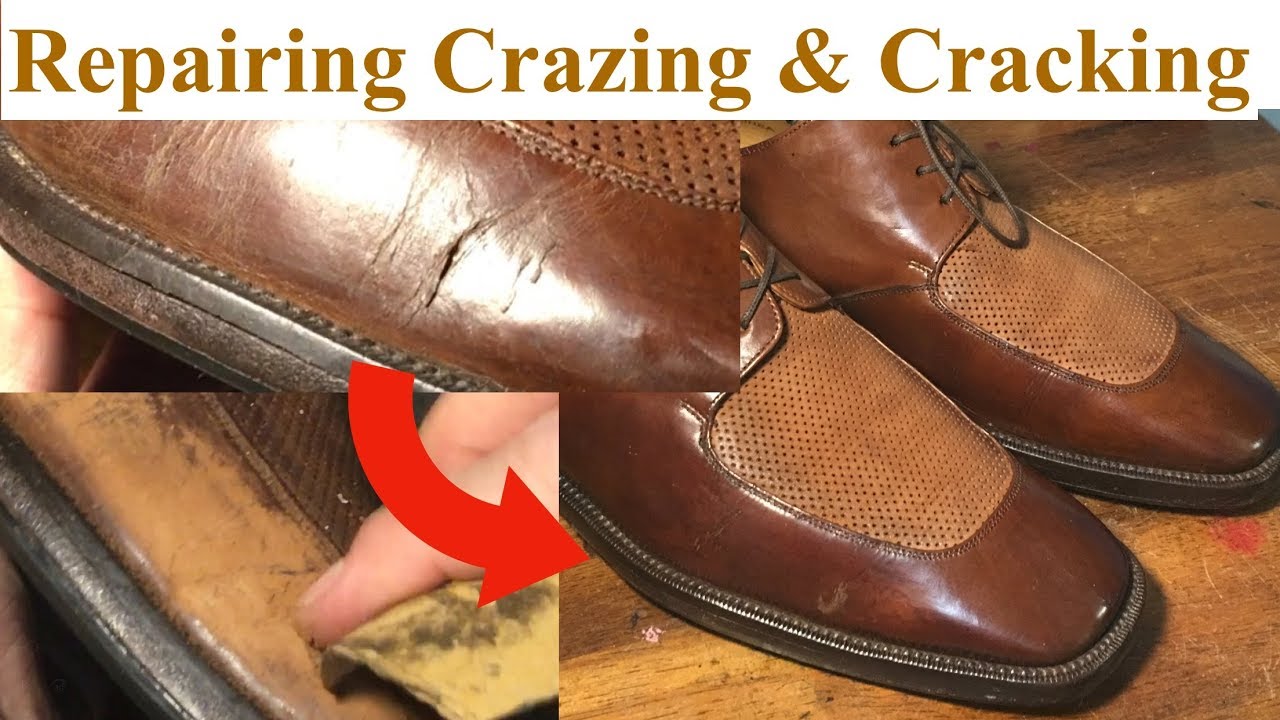
- Use a leather filler or compound for gaps. Apply thin layers with a palette knife.
- Let each layer dry per product instructions before adding another.
- Build up the filler until it is slightly above the crack.
- Sand smooth
- Lightly sand the dried filler with fine sandpaper until smooth and even with leather.
- Wipe away dust with a cloth.
- Match color
- Apply leather dye or color restorer in thin coats. Let each coat dry.
- Use a small sponge or cotton swab to control application in small areas.
- Seal and protect
- Apply a leather sealant or protective finish over the repaired area.
- Polish the whole shoe with cream that matches the leather for even shine.
- Final conditioning and break-in
- Once cured, apply a final coat of conditioner and polish.
- Wear shoes gradually to re-flex the repaired area without stressing it.
This step-by-step method shows how to repair cracked leather shoes reliably. Repeat conditioning every few months to keep leather supple.
Quick PAA-style questions (People Also Ask)
Will leather filler stop cracks from returning?
A thin, flexible leather filler can stop a crack short-term, but ongoing care and conditioning are needed to prevent recurrence.
Can I use shoe polish instead of leather dye?
Shoe polish can mask color but won’t repair deep cracks. Use dye for color matching after filler work.
How long does a repaired crack last?
With proper prep and maintenance, repairs can last years. Lifespan depends on use, leather quality, and care.
Advanced fixes for deep cracks and structural damage
For large splits or damaged grain, try these approaches.
- Edge repair and seam re-stitching. Reinforce torn seams before filling.
- Stretch and glue method. Use thin glue and clamps for splits that need rejoining.
- Patch from inside. Insert a thin leather patch under the crack for support.
- Professional resin systems. Cobblers use flexible resins for durable fixes.
If the crack reaches the inner lining or the leather flakes away in large pieces, professional service may be best. I once repaired a work boot with a hidden patch and flexible filler; it held up for years under heavy use.
Prevention and maintenance: avoid future cracks
Keep leather healthy with a simple routine.
- Clean shoes regularly. Dirt and salt accelerate wear.
- Condition monthly or after heavy exposure. Oils keep fibers flexible.
- Use shoe trees. They keep shape and help dry the leather evenly.
- Rotate shoes. Rest periods reduce repeated stress.
- Store away from heat and direct sun. Cool, dry spots are best.
- Apply waterproofing for wet climates. But avoid heavy waxes that dry leather.
Regular care is the best defense. Preventing cracks is cheaper and easier than repeated repairs.

When to seek a pro or replace the shoe
Not every repair is worth doing at home. Choose a pro or replace if any of these apply.
- Cracks are very deep and the leather core is exposed.
- Structural parts like soles or seams are failing.
- The shoe has high sentimental or monetary value and needs a durable fix.
- Your DIY attempts haven’t held up after one trial.
Cobblers can reline, patch internally, or use industrial fillers and dyes. For cheap mass-market shoes, replacement is sometimes the most cost-effective option.

Common mistakes to avoid
Avoid actions that make problems worse.
- Skipping cleaning before filling. Dirt prevents adhesion.
- Using superglue or craft filler. These crack and don’t flex with leather.
- Over-saturating with oils. Too much oil can weaken leather and ruin dyes.
- Rushing dye or filler drying times. This causes poor finish and peeling.
I learned these the hard way. Early in my DIY days, I used the wrong filler and had to redo a pair. Take time, and the repair will hold.

Frequently Asked Questions of how to repair cracked leather shoes
How long does a DIY leather repair take?
Most repairs take a few hours to a day. Drying and curing add time, so plan for multiple sessions.
Can I repair cracks on patent leather?
Patent leather has a plastic finish. Minor scuffs can be buffed, but deep cracks in the finish often need professional re-coating.
Will leather conditioner fix visible cracks?
Conditioner helps shallow surface cracks by softening and plumping the leather, but it won’t fill deep gaps.
Is it safe to use household glue for leather?
No. Household glues are rigid and brittle. Use leather-specific fillers and adhesives that remain flexible.
How often should I condition shoes to prevent cracks?
Condition every 1–3 months depending on wear and climate. More often in dry, hot conditions.
Conclusion
You can restore many shoes by learning how to repair cracked leather shoes step by step. Clean, condition, fill, color-match, and seal. Prevent future cracks with regular care and proper storage. Start with small repairs to build confidence, and bring in a cobbler for major damage. Try one method on an old pair today, and you’ll save money and keep your best shoes looking sharp. If this guide helped, leave a comment, share your results, or subscribe for more shoe care tips.

Rubel Miah is the Senior Editor at MyStyleGrid.com, where he brings a sharp editorial eye and an unshakable love for fashion to everything he does. A true style addict, Rubel lives and breathes trends, from streetwear to high fashion, and has a knack for turning inspiration into impactful stories. With years of experience in fashion journalism and digital media, he curates content that empowers readers to express themselves through style. When he’s not editing features or forecasting the next big thing, you’ll find him hunting down vintage pieces or capturing street style moments around the city.