Replace running sneakers when cushioning, tread, or fit visibly break down—typically every 300–500 miles.
I’ve spent years testing shoes, logging miles, and helping runners pick the right pair. This guide explains how to tell when running sneakers need replacing. I’ll show clear signs, simple at-home checks, mileage rules, injury risks, and practical tips from real experience. Read on and you’ll know exactly when a shoe has earned retirement and what to buy next.

Why timely replacement matters
Worn-out shoes change how your foot lands. That shifts force to joints and soft tissue. Over time, this raises risk for pain and injury. Replacing shoes before they fail keeps your runs comfortable and your body safer.
Using the phrase how to tell when running sneakers need replacing helps you search for clear cues and trustworthy advice. I rely on both feel and visible wear when deciding to replace a pair. Those two inputs, plus mileage tracking, give a reliable decision method.
10 clear signs your running sneakers need replacing
- Visible midsole creasing, sagging, or feel-flat cushioning.
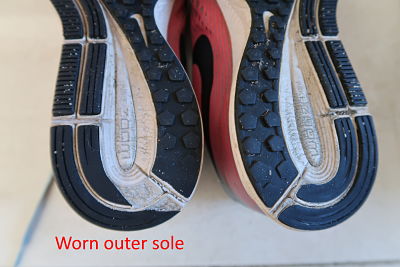
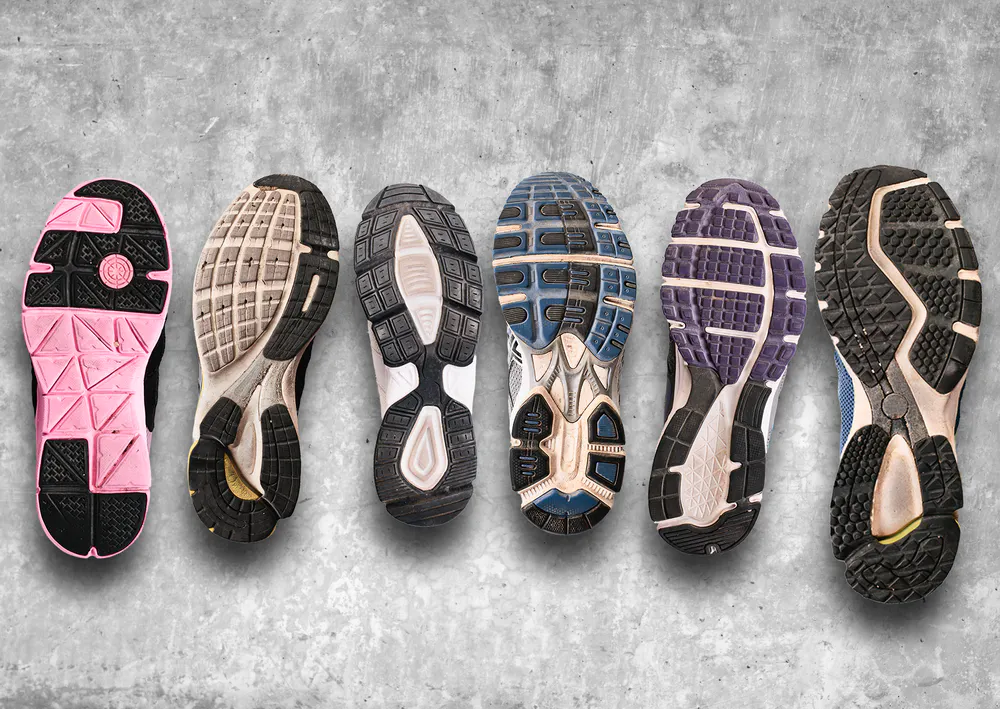
- Outsole tread worn smooth in running zones, especially the heel or forefoot.
- Uneven sole wear that changes how the shoe rolls.
- Heel collar or upper fabric ripped, torn, or stretched out.
- Heel counter (back of shoe) collapses or no longer holds shape.
- Persistent aches or new pains after runs when none existed before.
- Insole shows permanent compression or no longer springs back.
- Shoe feels less responsive, soft, or “dead” during runs.
- A change in fit — toes hit the front, or shoe feels loose despite same lacing.
- Mileage over typical lifespan — usually past 300–500 miles for most runners.
If you’ve ever asked how to tell when running sneakers need replacing, look for these signs. They combine what you see and what your body tells you.

Simple at-home checks to confirm wear
- Bend test. Hold the shoe by the heel and toe. If it folds very easily at the forefoot, cushioning may be gone.
- Heel counter test. Squeeze the back of the shoe. If it collapses, support is compromised.
- Outsole inspection. Lay shoes on a flat surface and check tread depth and wear patterns. Look for shiny or smooth areas.
- Insole test. Remove the insert and press with your thumb. If the foam doesn’t rebound, it’s worn.
- Compare pairs. If one shoe looks or feels different than when new, trust the change.
These checks answer how to tell when running sneakers need replacing without complex tools. They take minutes and are very reliable.

Mileage guidelines and activity-specific rules
Most running shoes last 300–500 miles. That range depends on:
- Your weight and running style — heavier runners wear shoes faster.
- Terrain — trails and rough surfaces shorten life.
- Shoe type — minimalist or high-cushion shoes age differently.
- Training load — frequent speedwork and long runs stress shoes more.
Track miles in a simple log or app. When a shoe hits the low end of its range and shows other signs of wear, replace it. I kept a spreadsheet for years. It saved me from running on dead shoes and eased knee pain.

Body signals and injury risks
Your body often signals shoe failure before visible wear appears. Watch for:
- New or worsening knee, hip, or lower-back pain.
- Achilles or calf tightness that doesn’t improve with rest.
- Increased soreness after runs that used to feel easy.
- A change in running form or stride length.
If you notice these signs, consider your shoes as a likely factor. In my coaching experience, swapping to a fresh pair reduced recurring aches for many runners.
How to extend the life of your shoes
- Rotate shoes. Use at least two pairs to let foam recover between runs.
- Use shoes for their intended purpose — don’t use road shoes for heavy trail runs.
- Dry shoes naturally. Avoid direct heat, which breaks down foam.
- Clean soles regularly to prevent grip loss and material breakdown.
- Replace insoles when they get flat to refresh feel and support.
These steps help postpone replacement. But know when to retire a shoe. That’s the core of how to tell when running sneakers need replacing.

Choosing your replacement wisely
- Fit matters more than brand. Buy shoes that feel right in-store or after a short run.
- Match shoe type to your runs — tempo, long run, trail, race.
- Test cushioning and support by doing short strides before buying.
- Consider heel-to-toe drop, width, and arch support based on your needs.
- Keep a budget for rotation—better to buy two reliable pairs than one worn-out hero shoe.
I try new models on a treadmill for short runs before committing. That quick test cut down on returns and helped me pick shoes that lasted longer.
Disposal, recycling, and repurposing old shoes
- Donate lightly used shoes to local shelters or community running programs.
- Recycle worn shoes through specialized programs that grind materials into tracks or playground surfaces.
- Repurpose old soles as garden mats or trimming projects.
- Use worn shoes for short, slow recovery walks to extend usefulness before recycling.
Proper disposal closes the loop and reduces waste. Knowing when to stop using them is part of responsible running.
Frequently Asked Questions of how to tell when running sneakers need replacing
How many miles should I run before replacing running shoes?
Most shoes last 300–500 miles. Adjust by your weight, terrain, and shoe type; heavier runners and trail use lower the range.
Can I rely on how the shoes feel to decide when to replace them?
Yes. Feel is a strong cue. If cushioning feels flat or the shoe feels unstable, it’s time to consider replacement even if tread looks okay.
Does outsole wear always mean I need new shoes?
Not always. Outsole wear is a clear sign, but combine it with cushioning tests and body feedback to make a final decision.
Are some shoes more durable than others?
Yes. Heavily cushioned trainers often degrade faster than firmer stability shoes. Quality materials also impact lifespan.
Can replacing shoes prevent injuries?
Replacing worn shoes can lower injury risk by restoring shock absorption and proper mechanics. It’s one of several steps to prevent problems.
How should I track shoe mileage effectively?
Keep a simple log in a notebook or app. Note start date, weekly miles, and key runs. Review at regular intervals to spot trends.
Conclusion
You can learn how to tell when running sneakers need replacing by watching wear, testing cushioning, and listening to your body. Use simple tests, track miles, and rotate pairs to protect comfort and reduce injury risk. Start checking your shoes after every 100 miles and act when multiple signs appear.
Take action this week: inspect your current pair, log their miles, and decide whether to rotate, retire, or replace. Share your experience or ask a question below to get tailored advice.

Rubel Miah is the Senior Editor at MyStyleGrid.com, where he brings a sharp editorial eye and an unshakable love for fashion to everything he does. A true style addict, Rubel lives and breathes trends, from streetwear to high fashion, and has a knack for turning inspiration into impactful stories. With years of experience in fashion journalism and digital media, he curates content that empowers readers to express themselves through style. When he’s not editing features or forecasting the next big thing, you’ll find him hunting down vintage pieces or capturing street style moments around the city.