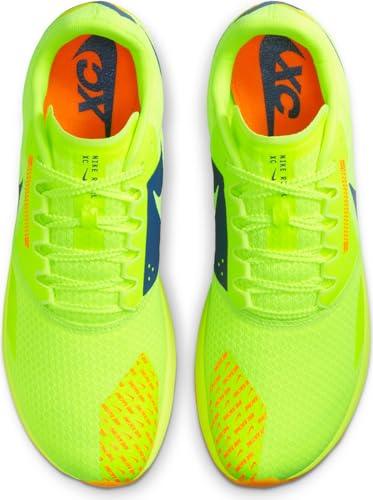
Lightweight racing spike built for XC: fast, responsive, and stiff enough for race day.
You know that pre-race scramble—pinning your bib, warming up, and worrying if your shoes will bite into mud or pack too soft. For many runners, the wrong spike ruins a meet. I tested the Nike Zoom Rival XC 6 across muddy courses, firm trails, and packed tracks to see if it solves traction, weight, and fit headaches. This review covers real runs, pros and cons, and who should lace these up.

Is Nike Zoom Rival XC 6 Good?
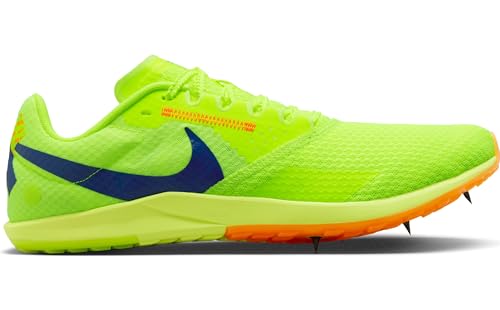
I’d say yes for most high school and club cross-country racers, and it depends for trail-only runners. The Nike Zoom Rival XC 6 is built as a race spike with a thin, responsive midsole, metal spike plate, and a snug, low-profile fit. In my experience, it shines on firm to mixed courses where responsiveness and light weight matter. For muddy, rooty, or very uneven terrain, you might want more aggressive lugs and a bit more cushioning. I used these in two-season cycles: short, fast intervals and three races. They offered quick toe-off and good traction on packed dirt. On one muddy day, they felt slippery in deep puddles, so consider course conditions before you pick them.

My First Impression for Nike Zoom Rival XC 6
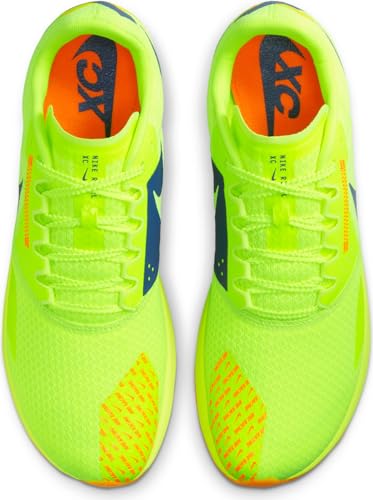
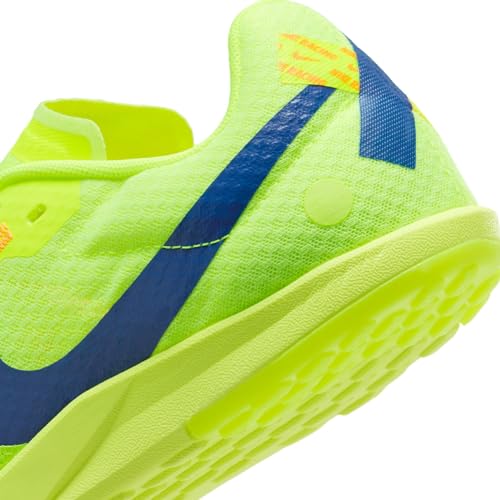
The shoes arrived in a neat box with minimal packaging. Right away the build looked race-focused: thin synthetic upper, reinforced toe, and a stiff forefoot plate. My first touch told me these are light—really light—and the knit felt breathable. Lacing is straightforward and the tongue sits low, so slipping them on was easy. On first jogs, the ride felt firm and springy. I was excited by the quick toe-off but noticed the snug fit around the forefoot. That thrill turned to cautious optimism after a wet run, where I wanted a little more grip. Overall, my first run met expectations for a racing spike.

What Makes It Stand Out / Key Features
- Lightweight race-focused construction for fast toe-off
- Responsive Zoom unit underfoot for snappy acceleration
- Durable spike plate compatible with removable metal spikes
- Low-profile, snug fit to reduce slippage inside the shoe
- Breathable synthetic upper that dries quickly after wet runs
What I Like
- Very light—I felt quicker on intervals and short races
- Excellent toe-off thanks to responsive Zoom feel
- Secure, low-profile fit that limits foot movement inside the shoe
- Simple, race-ready design with durable spike plate
- Quick-drying upper, great if your course has damp sections
What Could Be Better
- Not ideal for very muddy, rooty, or rocky trails—grip can be limited
- Minimal cushioning may feel harsh on longer runs or rough terrain
- The snug fit may not suit wide-footed runners

My Recommendation
If you race cross-country on mostly packed or mixed courses, the Nike Zoom Rival XC 6 is a solid pick. I’d recommend them to junior and club racers who want a fast, race-ready spike without heavy cushioning. If you need a versatile shoe for training long miles, pick a more cushioned trainer. The Nike Zoom Rival XC 6 gives great value for race day performance and is easy to find online.
| Best for | Why |
|---|---|
| High school racers | Lightweight and responsive for short, hard races |
| Club athletes | Race-ready feel without a big price premium |
| Runners on packed courses | Good grip and quick drying upper for mixed terrain |
Alternative Products You Can Consider
Brooks Mach X Spike — Best for runners who want a bit more cushioning without losing race feel. The Brooks option trades a touch of snappiness for more comfort on longer courses. It handles variable terrain well and feels more forgiving on rough surfaces.
New Balance XC-5000 — A reliable choice for those who prefer a slightly roomier toe box. It’s durable and gives consistent traction on packed and slightly muddy courses. Compared to the Nike Zoom Rival XC 6, it’s more stable but a tad heavier.
Adidas Adizero XC — Best for racers focused on pure speed on firm courses. This spike emphasizes low weight and aggressive toe-off. It’s comparable in race performance but may lack the quick-dry upper found on the Nike model.
| Product | Best For | Key Difference |
|---|---|---|
| Nike Zoom Rival XC 6 | Race-day speed on packed courses | Lightweight with responsive Zoom unit |
| Brooks Mach X Spike | Comfort plus speed | More cushioning, slightly heavier |
| New Balance XC-5000 | Durability and roomier fit | More stable, less snug than Nike |

Final Verdict: Which Should You Buy?
If your races run on packed dirt, short grass, or mixed firm courses, choose the Nike Zoom Rival XC 6 for its lightweight speed and responsive feel. If you run on very muddy, technical trails or need more comfort for longer runs, consider a more cushioned option like the Brooks Mach X Spike or New Balance XC-5000. For race-day performance where every second counts, the Nike model is a strong, value-oriented pick.
FAQs Of nike zoom rival xc 6 review
Are these spikes true to size?
They run true to size for most runners. If you have a wide forefoot, consider a half size up or try a wider model. I kept my usual race size and felt snug but secure.
Can I use them for training?
You can, but they’re optimized for racing. The minimal cushioning makes them less ideal for heavy daily mileage. I used them for short tempo runs and sharp intervals.
Do they shed mud well?
They do okay on light mud but not on very sticky, deep mud. The low-profile plate clears faster than flat shoes, but aggressive mud still slows them down.
Are metal spikes included?
Typically metal spikes are not included; you add removable spikes. Check the Amazon listing to confirm what’s in the box.
Who should avoid the Nike Zoom Rival XC 6?
Avoid them if you need lots of cushioning, have very wide feet, or mostly race on technical muddy trails. In those cases, pick a more stable, grippy option.

Rubel Miah is the Senior Editor at MyStyleGrid.com, where he brings a sharp editorial eye and an unshakable love for fashion to everything he does. A true style addict, Rubel lives and breathes trends, from streetwear to high fashion, and has a knack for turning inspiration into impactful stories. With years of experience in fashion journalism and digital media, he curates content that empowers readers to express themselves through style. When he’s not editing features or forecasting the next big thing, you’ll find him hunting down vintage pieces or capturing street style moments around the city.