What is the Lowest Prescription Glasses? Find Affordable Options

What Is The Lowest Prescription Glasses

If you’ve ever felt a little confused when someone talks about “the lowest prescription glasses,” you’re not alone. Many people wonder what this phrase means, why it matters, and how it relates to their own vision. As someone who has helped many people choose glasses, I want to make this topic simple, clear, and practical.

This article will guide you step by step through all you need to know.

Let’s break down what “lowest prescription” really means, how eye prescriptions work, who needs these glasses, and what to watch out for if you’re thinking about getting them. I’ll also share some common mistakes, answer your top questions, and give you clear, direct advice.

What Does “lowest Prescription” Mean?

You might hear the term “lowest prescription” when people talk about glasses. But what is it, really? This phrase usually refers to glasses with the smallest power to correct vision. Sometimes, it means the weakest prescription that still helps the person see better.

In other cases, it’s the lowest number you’ll see on a prescription from an eye doctor.

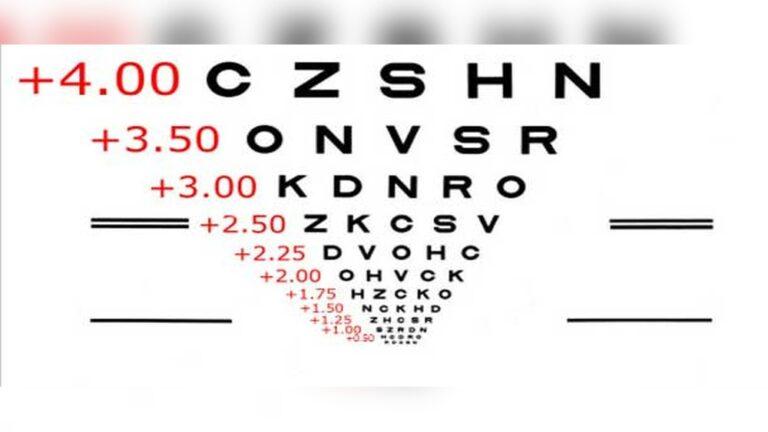
The most common “lowest prescription” is -0.25 diopters or +0.25 diopters. Let’s explain:

  • Minus sign (-): Corrects nearsightedness (trouble seeing far away)
  • Plus sign (+): Corrects farsightedness (trouble seeing up close)
  • Diopter: The unit that measures the power of the lens

If your prescription says -0. 25, this is the smallest step for nearsighted correction. For farsightedness, the smallest is +0. 25.

But not every eye doctor will write a prescription for these low numbers. Some will say you don’t need glasses for such a small correction. Others may write it if you have symptoms, like headaches or eye strain.

How Eye Prescriptions Work

When you get your eyes checked, the doctor tests how well you see. They measure the amount of help your eyes need to focus. This result is your eye prescription.

A typical prescription looks like this:

  • Right Eye (OD): -1.00
  • Left Eye (OS): -0.25

The numbers show how much correction each eye needs. The further from zero, the stronger the lens.

Here’s what the numbers mean:

  • 0.00: No correction needed (perfect vision)
  • -0.25, -0.50, -0.75: Mild nearsightedness
  • +0.25, +0.50, +0.75: Mild farsightedness

Lowest prescription glasses are those with the smallest number, usually -0.25 or +0.25.

Who Needs The Lowest Prescription Glasses?

You may wonder, “If my prescription is so small, do I really need glasses? ” This is a great question.

People who get the lowest prescription usually have mild vision issues. For example:

  • Students who get tired eyes when reading the board
  • Office workers who get headaches from looking at screens
  • Drivers who want sharper vision at night
  • People with eye strain even when the numbers are small

If you have symptoms, even a tiny prescription can help. But if you see well and have no problems, you may not need glasses at all.

What Are The Lowest Prescription Numbers?

Let’s look at real examples. The lowest prescription numbers given by eye doctors are:

  • -0.25 diopters: Mildest nearsighted correction
  • +0.25 diopters: Mildest farsighted correction
  • +0.50 add: Mildest reading (bifocal) power

You might see prescriptions in these increments: 0.25, 0.50, 0.75, and so on. Most glasses are made in steps of 0.25 diopters.

Here’s a quick view:

Prescription Number Type What It Means
-0.25 Nearsighted Mild blur far away
+0.25 Farsighted Mild blur up close
+0.50 Add Reading/Progressive Very mild reading help

So, when we talk about “lowest prescription glasses,” we usually mean these numbers.

Why Do People Get The Lowest Prescription Glasses?

You may think, “If the prescription is so small, why bother?” Here are some real reasons:

  • Comfort: Even a small correction can stop headaches or eye strain.
  • Sharpness: Some people want the clearest vision, even if their eyes are almost perfect.
  • Driving: For night driving, even mild blur can be a problem.
  • Reading: Small amounts of farsightedness can make reading tiring.
  • Prevention: Some believe wearing low prescription glasses can stop eye strain from getting worse.

How Does It Feel To Wear The Lowest Prescription Glasses?

You might not notice a huge difference if you wear -0. 25 or +0. 25 glasses. Some people say things look a bit sharper. Others do not feel much change.

A few things to keep in mind:

  • Your eyes may adjust quickly, so you might forget you’re wearing them.
  • For some, the glasses help only in certain situations (like at night or on the computer).
  • For others, wearing them all the time is not needed.

Most people with such a low prescription can go without glasses, but some feel more comfortable with them.

What is the Lowest Prescription Glasses? Find Affordable Options

Credit: allianceformulations.com

How Are These Glasses Made?

Manufacturing the lowest prescription glasses is the same as making stronger ones. The only difference is the lens power.

Steps to make these glasses:

  • Eye exam: Doctor measures your eyes.
  • Prescription: Doctor writes the numbers.
  • Lens order: The lab makes lenses with the exact power.
  • Assembly: Lenses are put in frames.
  • Quality check: Glasses are checked before you get them.

Even for small numbers, labs must be precise. Small mistakes can make glasses uncomfortable, even if the prescription is low.

Common Uses For The Lowest Prescription Glasses

Let’s look at when these glasses are most helpful:

Computer Work

People who stare at screens all day often feel eye fatigue. Even a small correction can help reduce strain, especially if you’re slightly farsighted.

Night Driving

Some people with mild blur feel unsafe driving at night. The lowest prescription can make road signs and lights clearer.

Reading

If you’re just starting to need reading glasses, a +0. 25 or +0. 50 “add” can make letters sharper and reading more comfortable.

Students

Young students sometimes get mild prescriptions to help them see the board better, even if their vision is close to perfect.

How Do You Know If You Need Them?

The best way is to get a full eye exam. Your doctor will test your vision and talk to you about your symptoms.

Signs you might benefit from the lowest prescription glasses:

  • You squint to see far or near
  • You get headaches after reading or using the computer
  • You feel eye tiredness often
  • Your vision feels “just a bit off”

If you have no symptoms, you may not need glasses, even with a low prescription.

Are There Risks To Wearing The Lowest Prescription Glasses?

Wearing glasses with a low prescription is safe for most people. But there are things to know:

  • If you wear them when you don’t need them, your eyes won’t get worse, but you may get used to the slight help.
  • Some people get mild dizziness or discomfort at first, but this usually goes away.
  • A wrong prescription, even if it’s low, can cause headaches.

Always check with an eye doctor before buying glasses, even if the prescription is small.

How To Read A Prescription

Your glasses prescription can look like a secret code. Here’s how to read it:

  • OD: Right eye
  • OS: Left eye
  • SPH: Sphere (main correction, like -0.25 or +0.25)
  • CYL: Cylinder (for astigmatism)
  • AXIS: Direction for astigmatism
  • ADD: Extra power for reading

For the lowest prescription glasses, focus on the SPH number. If it says -0. 25 or +0. 25, that’s a very mild correction.


Example:

Eye SPH CYL AXIS ADD
OD (Right) -0.25
OS (Left) +0.25

This person has very mild nearsightedness in the right eye and mild farsightedness in the left.

When Should You Skip Low Prescription Glasses?

Not everyone with a tiny prescription needs glasses. Here’s when you might skip them:

  • You have no symptoms (no blur, no headaches, no strain)
  • You see well in daily life (reading, driving, working)
  • Your doctor says the prescription is “optional”

If your vision is comfortable and you function well, you can safely skip these glasses.

Low Prescription And Eye Health Myths

People often worry that if they don’t wear their mild prescription glasses, their eyes will get worse. This is not true.

Key facts:

  • Not wearing low prescription glasses will not damage your eyes.
  • Wearing them will not make your vision better or worse in the long run.
  • Children with mild prescriptions may not need glasses unless they have symptoms.

The most important thing is comfort and clear vision. Listen to your body.

Over-the-counter Glasses Vs. Prescription Glasses

You may see cheap “reading glasses” in stores. These are not the same as true prescription glasses.

  • Over-the-counter glasses: One size fits all, only for reading, no test needed.
  • Prescription glasses: Custom made for your eyes, with exact numbers.

For the lowest prescriptions, you might find reading glasses at +1. 00 or +1. 25 in stores. But you won’t find -0. 25 or +0. 25. You need a real prescription for these.

What is the Lowest Prescription Glasses? Find Affordable Options

Credit: allianceformulations.com

Can You Buy The Lowest Prescription Glasses Online?

Yes, many online shops let you order glasses for any prescription. You just enter your numbers and choose frames.

But be careful:

  • Make sure you have a recent prescription from an eye doctor.
  • Check return policies—very mild prescriptions can feel different on your face.
  • Some people need to adjust to new glasses, even with low numbers.

How Much Do The Lowest Prescription Glasses Cost?

The price of glasses does not depend on the prescription strength. Whether you need -0. 25 or -10. 00, the price is usually the same.

What affects price:

  • Frame style: Designer frames cost more
  • Lens material: Thin, light lenses cost more
  • Extra features: Blue light filter, anti-glare, transitions

On average, basic prescription glasses cost between $50 and $200. Online shops can be cheaper. Always compare prices and read reviews.

Children And The Lowest Prescription Glasses

For kids, eye doctors are extra careful. Children’s eyes change as they grow. Most doctors won’t prescribe glasses for -0.25 or +0.25 unless the child has:

  • Problems learning in school
  • Headaches or eye strain
  • Trouble seeing the board

If the child has no symptoms, glasses are often not needed for such a mild prescription.

What About Astigmatism?

Some people have astigmatism, which means the eye shape is not perfectly round. The lowest correction for astigmatism is -0.25 cylinder.

For example:

  • Right eye: -0.25 SPH, -0.25 CYL, 90 AXIS

This is the smallest correction for astigmatism, and some doctors may choose not to prescribe for such a low number unless there are symptoms.

Real-life Examples

Let’s look at how people use the lowest prescription glasses in daily life:

  • Maya, 25 years old: She works at a computer all day. Her doctor gave her +0.25 reading glasses for eye strain. She wears them only at work.
  • Carlos, 19 years old: His prescription is -0.25 in one eye. He wears glasses only for driving at night.
  • Sarah, 35 years old: She has +0.25 in both eyes. Her doctor said glasses are optional, so she only uses them when reading for a long time.

These examples show that the lowest prescription glasses are often used for comfort, not because someone cannot see.

Common Mistakes When Choosing The Lowest Prescription Glasses

Many people make small errors when dealing with mild prescriptions. Here’s what to avoid:

  • Skipping the eye exam: Always see a doctor first.
  • Buying over-the-counter glasses: These won’t match your exact needs.
  • Wearing glasses all day: With very low prescriptions, you may only need them sometimes.
  • Ignoring symptoms: Even mild blur can cause headaches—listen to your body.
  • Trusting online tests: Internet vision tests are not accurate for small numbers.
What is the Lowest Prescription Glasses? Find Affordable Options

Credit: www.readingglasses.com

How To Make The Most Of Your Glasses

If you get the lowest prescription glasses, here are tips for comfort:

  • Wear them only when you need them (reading, computer, driving).
  • Clean the lenses often for clear vision.
  • If you feel dizzy or uncomfortable, go back to your doctor.
  • Try the glasses for a week before deciding if you like them.

How To Talk To Your Eye Doctor

Don’t be shy about asking questions. Good communication helps you get the best care.

Ask your doctor:

  • “Do I really need glasses for this prescription?”
  • “Will glasses help my symptoms?”
  • “How often should I wear them?”
  • “What are the risks if I skip them?”

A good doctor will explain your options clearly.

Comparison: Lowest Prescription Vs. No Glasses

Let’s compare what happens if you wear the lowest prescription glasses or none at all.

Situation With Glasses Without Glasses
Reading Less eye strain, clearer letters Possible mild blur or tiredness
Driving at Night Sharper vision, more confidence Possible mild blur, halos around lights
Daily Life May not notice much difference Comfortable if no symptoms

As you can see, for most daily activities, you may not notice a big change. But in special cases, like night driving or long reading, the lowest prescription glasses can help.

Two Insights Beginners Often Miss

  • Tiny numbers can matter: Even a small prescription, like -0.25, can make a difference for people who are sensitive to blur or do detailed work. Don’t ignore your symptoms because the number seems low.
  • Glasses are not “forever”: You can try wearing the lowest prescription glasses for a while. If you don’t like them or don’t notice a benefit, you can stop. Your eyes won’t get worse from not wearing them.

Final Advice

If you’ve been told you need the lowest prescription glasses, don’t worry. These glasses are very mild and safe. They’re often used for comfort, not because you can’t see. Listen to your body and ask your doctor if you’re unsure.

The goal is always clear, comfortable vision.

For more about how glasses prescriptions work, you can read about it at the Wikipedia Eyeglass Prescription page.

Frequently Asked Questions

What Is The Lowest Prescription For Nearsightedness?

The lowest prescription for nearsightedness is -0.25 diopters. This means you have a very mild blur when looking at things far away. Not everyone with this prescription needs glasses.

Can I Wear Glasses With A -0.25 Or +0.25 Prescription All The Time?

Yes, you can. But many people only wear them for special tasks, like reading or driving. If you feel comfortable without them, you don’t need to wear them all day.

Will My Eyes Get Worse If I Don’t Wear My Lowest Prescription Glasses?

No, your eyes will not get worse if you skip wearing mild prescription glasses. They are for comfort, not to “fix” your eyes.

Can Children Get The Lowest Prescription Glasses?

Yes, but most eye doctors only give them to children if there are symptoms, like trouble in school or headaches. If the child sees well and has no problems, glasses are usually not needed.

Are Over-the-counter Reading Glasses The Same As Low Prescription Glasses?

No. Over-the-counter reading glasses are not customized. They are usually stronger than +0. 25 or -0. 25. True lowest prescription glasses are made for your exact needs after an eye exam.

If you still have questions, talk to your eye doctor. Your vision is important, and it’s always good to get advice that fits your own eyes.

Leave a Reply

Your email address will not be published. Required fields are marked *