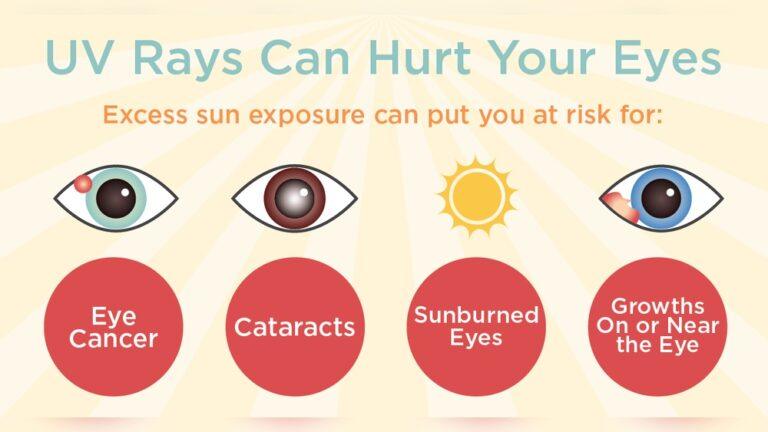
If you care about your eyes, picking the right sunglasses is not just a fashion choice. It’s about keeping your eyes safe from things you might not even see. Sunlight can look nice, but it brings hidden risks like UV rays and glare.
Some sunglasses look great but do not protect you well. Others can make a real difference for your eye health. I want to show you what matters most when you choose sunglasses, what options work best, and how you can make a smart decision without feeling lost.
Why Eye Protection Matters More Than You Think
Many people believe sunglasses are only for sunny days or style. But your eyes face danger from the sun almost every day, even when it’s cloudy. The sun gives off ultraviolet (UV) rays that can damage your eyes over time. Too much UV can cause problems like cataracts, macular degeneration, and even cancer around the eyes. Some studies say up to 20% of cataracts are caused by UV exposure.
You may also notice problems from glare, which makes it hard to see and can tire your eyes. This is common when you drive, walk near water, or play outside. Good sunglasses cut down on glare, making your vision clearer and more comfortable.
If you spend a lot of time outside, you need to protect your eyes just like you protect your skin. Even kids and teenagers need sunglasses for the same reasons.
What Makes Sunglasses Truly Protective?
Not all sunglasses are created equal. Many cheap sunglasses look dark, but they don’t block the most dangerous rays. Here’s what you should look for if you want real eye protection:
- UV Protection: The sunglasses must block 100% UVA and UVB rays. Look for labels that say “UV400” or “100% UV protection.”
- Lens Material: Polycarbonate and Trivex lenses are strong and lightweight. Glass offers the best clarity but can break more easily.
- Lens Color and Tint: The color of the lens does not always mean better protection. Dark lenses without UV protection can be more harmful because they make your pupils open wider, letting in more UV.
- Polarization: Polarized lenses cut glare, especially from water, roads, or snow. They are great for driving and outdoor sports.
- Lens Size and Shape: Bigger lenses or wrap-around styles block more stray light from the sides. This gives you better coverage.
- Coatings: Some sunglasses have coatings that resist scratches, repel water, or reduce reflections on the back of the lens.
- Fit and Comfort: If sunglasses do not fit well, you will not wear them. The best sunglasses feel light and stay in place.
Let’s look at these details more closely.
Uv Protection: The Non-negotiable
UV400 means the sunglasses block all light rays up to 400 nanometers. This covers both UVA and UVB. Never buy sunglasses without this rating. Many cheap sunglasses skip this, putting your eyes at risk.
Polarized Lenses: Not Just Hype
Polarized lenses use a special filter that blocks reflected light. If you fish, drive, ski, or spend time on the water, you will notice the difference right away. Colors look sharper, and your eyes feel less tired.
Lens Materials: Choose For Your Life
- Polycarbonate: Strong, light, shatterproof. Good for sports or kids.
- Trivex: Like polycarbonate but with better clarity.
- Glass: Best optics, but heavier and can break.
- Plastic: Cheap and light but scratches easily.
Tints And Colors: More Than Just Looks
Brown, gray, and green tints keep colors true. Yellow or orange tints are good in low light but not for bright sun. Mirror coatings help reduce glare but do not block UV by themselves.
Frame Shape And Coverage
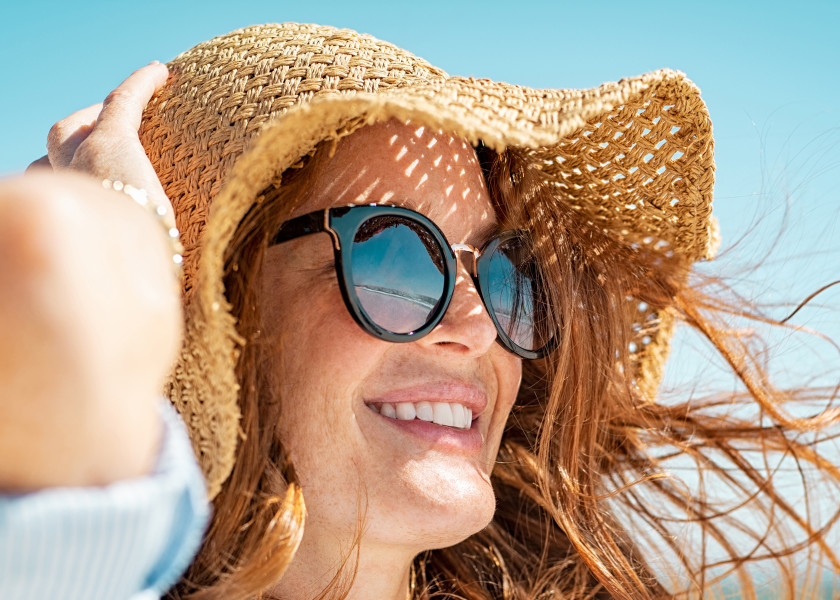
Wraparound frames and large lenses give the best sun protection. Tiny fashion glasses may look cool, but they leave parts of your eyes exposed.
Credit: www.eyecarecenter.com
Top Sunglasses For Eye Protection
Now that you know what to look for, let’s talk about some of the best sunglasses for eye protection. I will focus on brands and models that are trusted by eye doctors, outdoor professionals, and people who care about their eye health.
1. Oakley Flak 2.0 Xl
Oakley is famous for making sunglasses with high-tech materials and strong UV protection. The Flak 2.0 XL model uses Plutonite lenses that block 100% of UVA, UVB, and UVC. The frames are light and made for sports, but you can wear them anywhere.
- Lens: Polycarbonate (Plutonite)
- Protection: 100% UV, optional polarization
- Fit: Wraparound, stays in place
These are great for running, cycling, or driving. They also come with different lens colors for different light conditions.
2. Ray-ban Rb2132 New Wayfarer
Ray-Ban is a classic brand. The New Wayfarer model blends style with real eye safety. All Ray-Bans have lenses that block 100% UV. You can pick polarized lenses for better glare protection.
- Lens: Glass or plastic
- Protection: 100% UV, optional polarization
- Fit: Medium, works for most faces
If you want something stylish that still protects your eyes, this is a smart choice.
3. Maui Jim Ho’okipa
Maui Jim is known for its PolarizedPlus2 lens technology. This blocks glare, boosts colors, and cuts 100% of UVA and UVB rays. The Ho’okipa model is light and wraps around your face for extra coverage.
- Lens: Polycarbonate
- Protection: 100% UV, polarized
- Fit: Wraparound, very light
These are perfect for water sports, beach trips, or just a walk outside.
4. Costa Del Mar Fantail
Costa sunglasses are loved by people who fish or spend time on water. The Fantail model uses 580G (glass) or 580P (polycarbonate) lenses with full UV protection and top-level polarization.
- Lens: Glass or polycarbonate
- Protection: 100% UV, polarized
- Fit: Wraparound, snug
If you need sunglasses for boating or fishing, these should be on your list.
5. Wiley X Omega
Wiley X makes sunglasses for the military, so you know they are tough. The Omega model has strong polycarbonate lenses with 100% UV protection and meets safety standards for impact resistance.
- Lens: Polycarbonate
- Protection: 100% UV, polarized options
- Fit: Large, close to the face
These work well for sports and outdoor work.
6. Serengeti Aviator
Serengeti is famous for its photochromic lenses. These change tint in bright or low light, giving you just the right amount of shading. Their aviator models offer a blend of style, eye safety, and comfort.
- Lens: Glass or polycarbonate, photochromic
- Protection: 100% UV, some models polarized
- Fit: Aviator style, classic look
These are great if you move between bright and dim places.
7. Julbo Explorer 2.0
If you hike, climb, or ski at high altitude, you need extra protection. The Julbo Explorer 2.0 is made for extreme conditions. It has large, wraparound lenses and side shields to block light from every angle.
- Lens: Polycarbonate, some photochromic
- Protection: 100% UV, anti-fog
- Fit: Wraparound, adjustable
These are a top pick for adventurers.
8. Smith Optics Guides Choice
Smith’s Guides Choice sunglasses use high-quality ChromaPop lenses that boost contrast and block all UV. These are very popular with fishing guides and outdoor workers.
- Lens: Polycarbonate or glass, ChromaPop tech
- Protection: 100% UV, polarized
- Fit: Wraparound, comfortable
They are made to stay on your face, even when you sweat.
9. Persol Po0649
Persol is an Italian brand that mixes fashion with eye safety. The PO0649 model offers UV-blocking crystal lenses and a classic look.
- Lens: Glass (crystal)
- Protection: 100% UV
- Fit: Medium, stylish
If you want something elegant but still safe, try these.
10. Rudy Project Rydon
Rudy Project is trusted by cyclists and runners. The Rydon model has wraparound lenses, adjustable arms, and top UV protection.
- Lens: Polycarbonate, many tints
- Protection: 100% UV, some polarized
- Fit: Adjustable, wraps well
They are light and won’t slip when you sweat.
11. Tifosi Jet Wrap
Tifosi offers good sunglasses at a lower price. The Jet Wrap model has polycarbonate lenses and blocks all UV.
- Lens: Polycarbonate
- Protection: 100% UV
- Fit: Wraparound, sporty
These are good for cycling or running on a budget.
12. Adidas Sport Sp0015
Adidas makes more than shoes. Their Sport SP0015 sunglasses are made for athletes. The lenses block 100% UV and are designed for quick movement.
- Lens: Polycarbonate
- Protection: 100% UV, some polarized
- Fit: Sporty, snug
If you play sports outside, these will serve you well.
13. Under Armour Igniter
Under Armour’s Igniter sunglasses are made for action. The lenses block all UV and are impact-resistant.
- Lens: Polycarbonate
- Protection: 100% UV
- Fit: Sporty, wraparound
These are popular with runners and baseball players.
14. Bliz Fusion
Bliz is popular in Europe for sports eyewear. The Fusion model is light, strong, and blocks 100% UV. The wide lens gives good side coverage.
- Lens: Polycarbonate
- Protection: 100% UV
- Fit: Wide, adjustable
These are good for biking, skiing, or running.
15. Sunski Headland
Sunski uses recycled materials to make stylish, eco-friendly sunglasses. The Headland model has polarized, UV-blocking lenses.
- Lens: Polycarbonate
- Protection: 100% UV, polarized
- Fit: Medium, casual
If you care about the planet, check these out.
Comparison Of Key Features
To help you see differences more clearly, here’s a side-by-side look at the main features of some top models:
| Model | UV Protection | Polarized | Lens Material | Fit Type |
|---|---|---|---|---|
| Oakley Flak 2.0 XL | 100% UV | Optional | Polycarbonate | Wraparound |
| Ray-Ban New Wayfarer | 100% UV | Optional | Glass/Plastic | Medium |
| Maui Jim Ho’okipa | 100% UV | Yes | Polycarbonate | Wraparound |
| Costa Fantail | 100% UV | Yes | Glass/Polycarbonate | Wraparound |
| Persol PO0649 | 100% UV | No | Glass | Medium |
Choosing The Best Sunglasses For Your Needs
Picking the best sunglasses means thinking about how and where you will use them. Here’s how to decide:
For Sports And Outdoor Activities
Choose wraparound sunglasses with polycarbonate lenses. You get the best protection against impacts and stray sunlight. Polarized lenses help if you are near water or snow.
For Driving
Polarized lenses are a must. They cut glare from the road and other cars. Gray or brown tints keep colors true, which helps you see traffic signals and signs.
For Fashion
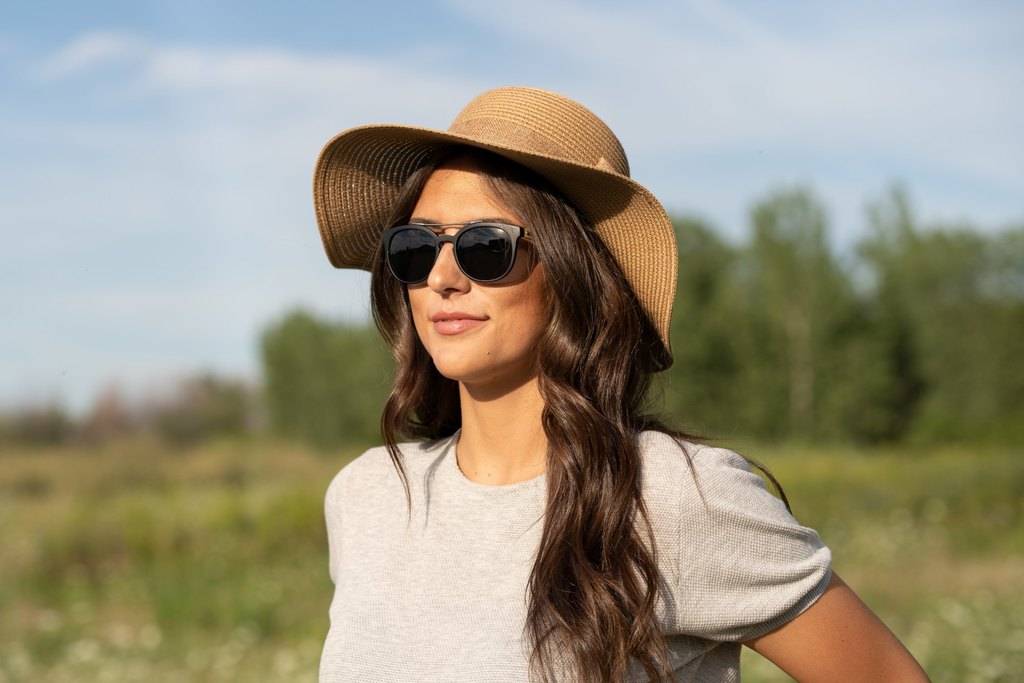
Look for sunglasses that blend style with real UV protection. Do not trust brands that only focus on looks. Always check for the UV400 label.
For Children
Kids need sunglasses as much as adults. Their eyes are more sensitive. Pick small, comfortable, impact-resistant sunglasses with 100% UV protection.
For Everyday Use
If you just need sunglasses for walking or shopping, focus on fit and comfort. Lightweight frames and medium tints are good choices.
Common Mistakes When Choosing Sunglasses
Most people make mistakes when buying sunglasses. Here are the most common ones, so you can avoid them:
- Choosing dark lenses without checking UV protection. Dark does not mean safe. Always check for “100% UV” or “UV400.”
- Buying only for style. Fashion sunglasses often skip real protection. Always check the label.
- Ignoring fit. If sunglasses slide down your nose or pinch, you will not wear them.
- Forgetting about side protection. Small lenses let in sunlight from the sides.
- Assuming expensive means better. Some cheap sunglasses give full UV protection. Price does not always tell the whole story.
A surprising fact: Even clear lenses can block UV if they are made with the right material.
Signs Of Good Sunglasses: Quick Checks
Here are two easy tricks you may not know:
- Hold the sunglasses up to a bright light. Look for a label or sticker that says “100% UV” or “UV400.”
- If possible, check them with a UV flashlight. The best sunglasses will block all UV light.
If you shop online, always read the specs. If you shop in a store, ask the staff to show you the UV label.
How To Care For Your Sunglasses
Good sunglasses are an investment in your health. Take care of them so they last longer.
- Keep them in a case when you’re not using them. This prevents scratches.
- Clean them with a soft cloth and lens cleaner. Do not use your shirt or paper towels.
- Rinse off sand or grit with water before wiping. This stops scratches.
- Check screws and hinges every few months. Tighten if needed.
- Do not leave them in hot cars. Heat can damage the lens coatings.
Credit: lovie.vn
Sunglasses And Special Eye Conditions
Some people need extra help:
- If you have had cataract surgery, you may be more sensitive to light. Wraparound, polarized sunglasses help a lot.
- If you have dry eyes, sunglasses can block wind and dust.
- If you wear glasses, look for clip-on sunglasses or prescription sunglasses.
Data: How Sunglasses Reduce Eye Disease
Studies show that wearing sunglasses with full UV protection can lower your risk of cataracts and other eye diseases by up to 20%. In places with strong sunlight, this is even more important. For example, people in Australia and the southern United States see more eye problems due to stronger UV rays.
Here’s a quick look at how much UV different surfaces reflect:
| Surface | UV Reflection (%) |
|---|---|
| Snow | Up to 80% |
| Water | Up to 25% |
| Sand | Up to 15% |
| Grass | About 3% |
As you can see, snow and water reflect a lot of UV. If you spend time skiing or boating, you need top sunglasses.
Non-obvious Insights For Smarter Choices
- Polarized does not always mean better: Polarized lenses cut glare but do not block UV by themselves. Always check for UV protection too.
- Lens size matters more than color: Bigger lenses and wraparound designs block more harmful rays from the sides, which is often missed by beginners.
- Some contact lenses block UV: If you wear contacts, check if they have UV protection. But you still need sunglasses to protect the whole eye and surrounding skin.
Real-life Example: Why Quality Matters
Let’s say you buy sunglasses at a gas station. They are dark and look cool. But they have no UV label. After a summer of wearing them, you may notice more eye strain or sunburn around your eyes. Over many years, this adds up.
Now compare this to someone who spends a little more on sunglasses with real UV protection. They have less eye strain, fewer headaches, and a lower risk of eye disease. It’s a small investment with a big payoff.
Credit: www.sightmd.com
Where To Buy And What To Watch For
Buy from trusted stores or online shops with good reviews. Be careful with street vendors or unknown websites. Counterfeit sunglasses often have fake “UV” stickers but do not protect you.
If you want to learn more about UV protection and sunglasses, the American Academy of Ophthalmology has helpful advice and research.
Frequently Asked Questions
How Do I Know If Sunglasses Really Block Uv Rays?
Check for a sticker or label that says “100% UV protection” or “UV400”. If you buy from a store, ask to see proof. If you are still unsure, some opticians can test sunglasses for UV blocking.
Are Polarized Sunglasses Always Better For My Eyes?
Polarized lenses cut glare and make vision clearer, especially on water or roads. But polarization is not the same as UV protection. Make sure your sunglasses have both if you want the best eye safety.
Can Children Wear Adult Sunglasses?
Children should wear sunglasses made for their size. Adult sunglasses may not fit well or cover their eyes fully. Always choose sunglasses made for children, with 100% UV protection.
Do Expensive Sunglasses Protect Better Than Cheap Ones?
Price does not always mean better protection. Some inexpensive sunglasses block all UV. Always check the label for UV400 or 100% UV, no matter the price.
Can I Wear Sunglasses In Cloudy Weather?
Yes, you can and should. UV rays pass through clouds and can still harm your eyes. Wear sunglasses whenever you are outside during daylight.
Good sunglasses do more than look nice. They protect your eyes today and for years to come. When you know what matters—UV protection, lens quality, and fit—you can choose with confidence and keep your eyes safe in every season.
Madison Clark is a footwear expert and the voice behind MyStyleGrid.com. She specializes in honest shoe reviews, style tips, and practical guides to help readers find the perfect pair for any occasion. With years of experience in blogging and content creation, Madison makes footwear knowledge simple, stylish, and easy to follow.