Trail shoes should feel snug in the midfoot, secure at the heel, with about a thumb’s width of toe room.
I’ve fitted hundreds of runners and hikers and tested dozens of models on real trails. This guide explains exactly how tight should trail shoes be, why that fit matters, and how to test, tweak, and break in shoes for better comfort and performance. Read on for clear, expert-backed steps, practical lacing tips, and real-world fixes so your feet stay healthy on every climb and descent.
Why fit matters for trail shoes
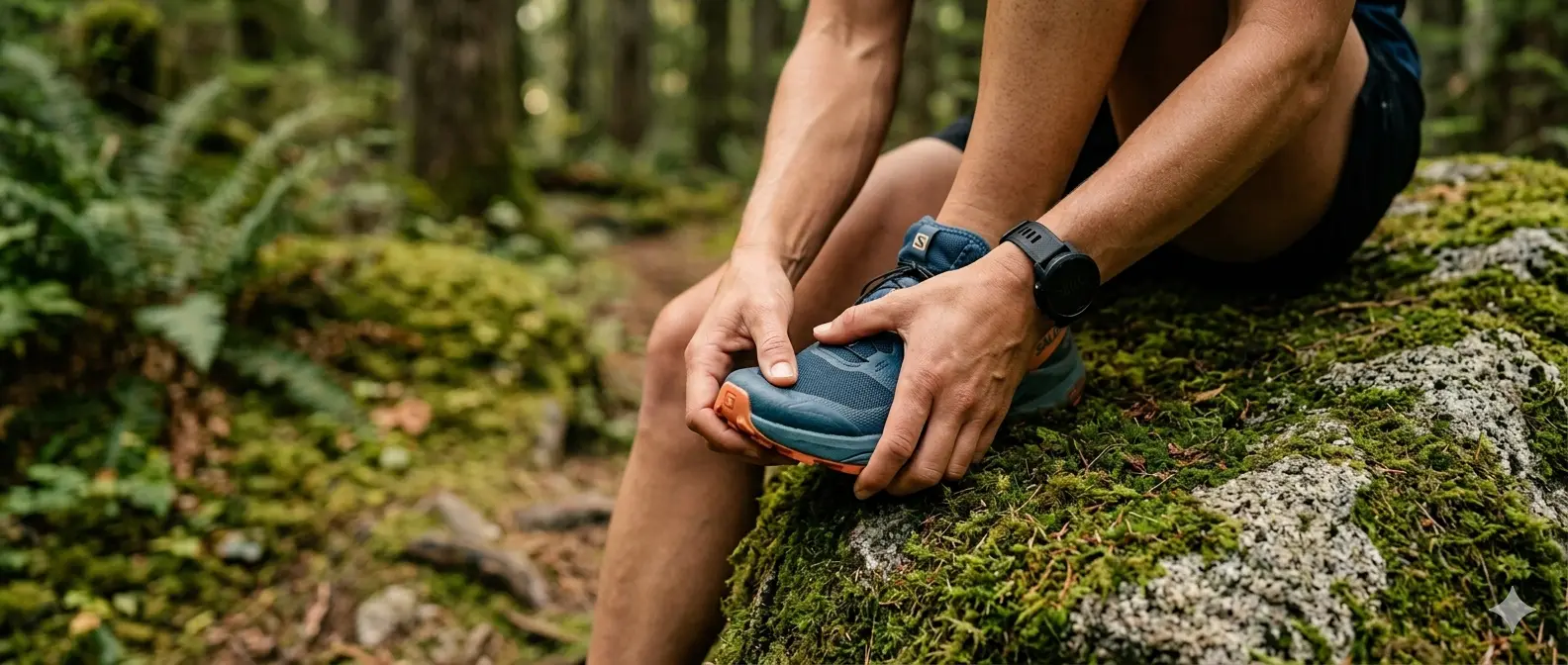
A correct fit keeps you fast, safe, and blister-free on technical ground. Trail surfaces change fast. Your shoes must hold your foot without pinching or slipping. Poor fit leads to blisters, black toenails, ankle twists, and loss of control on rocks and roots.

How tight should trail shoes be
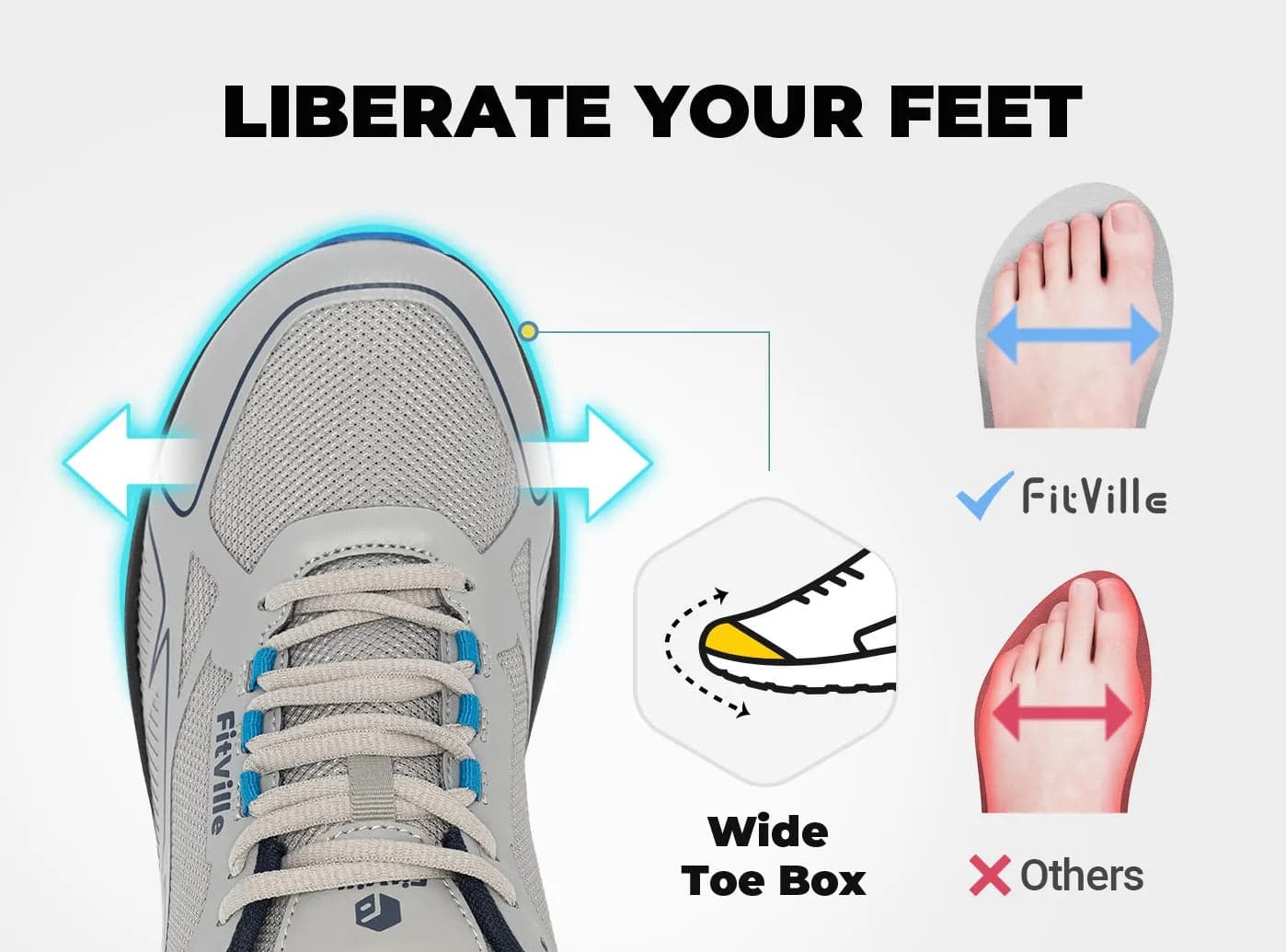
This is the core question for any trail runner or hiker. The short rule is: snug across the midfoot, secure at the heel, and roomy in the toe box. Here are precise fit points to follow:
- Toe room: Leave about one thumb width (roughly 1/2 inch) of space between your longest toe and the shoe front. This prevents bruised or black toenails on long descents.
- Midfoot: The shoe should feel snug but not painful across the arch. Tightness here prevents your foot sliding forward.
- Heel: Minimal heel lift when you walk or jog. One small lift can be okay, but constant slip causes blisters.
- Width: The shoe should not squeeze the sides of your foot. If your foot goes numb or you see pressure marks, it is too tight.
- Overall: You want a secure fit that lets you wiggle toes, doesn’t pinch, and prevents forward motion on descents.
Adjust for conditions. If you run steep downhills, add a little more toe room. If you wear thick socks or orthotics, size accordingly. Practically, try shoes with the socks you will use on the trail and test them on a ramp or stairs to check toe and heel behavior.

How to measure and test fit step by step
Follow a consistent routine so you pick the right size and fit every time.
- Measure late in the day when feet are their largest.
- Wear the trail socks you plan to use.
- Stand and press weight forward to simulate downhill forces.
- Check the thumb-width toe rule and feel the midfoot snugness.
- Walk and jog a few minutes. Try a few downhill steps.
- Test the heel for slippage and look for hotspots.
Do this in-store or at home with a flat surface and a ramp or stairs. If the shoe passes these checks, it likely fits well on the trail.

Lacing and fit adjustments that change tightness
Lacing matters as much as size. Small tweaks can eliminate slippage or pressure.
- Heel lock (surgeon’s knot): Use the extra eyelet to lock your heel in place without over-tightening the midfoot.
- Window lacing: Create a small gap near a bony spot to relieve pressure.
- Double knot: Keeps laces tight on long runs.
- Loosen midfoot, tighten forefoot: For more toe room while keeping the foot secure.
- Gaiter-friendly: If you use gaiters, ensure laces leave room for them and won’t create pressure.
Play with lace tension on short runs to learn how adjustments change fit. Good lacing can turn a so-so shoe into a great fit.

Common fit problems and quick fixes
Trail shoes can create a few predictable issues. Here’s how to fix them fast.
- Blisters on the heel: Try a heel lock, thinner socks, or a slightly roomier heel cup.
- Hotspots on top of foot: Check lacing pressure; use window lacing or a lace cover.
- Numb toes or side-pressure: The shoe is too narrow; consider a wider model or larger size.
- Black toenails: Not enough toe room or excessive downhill pounding; increase toe space.
- Foot sliding forward: Add midfoot tightening or consider a half size up for more toe room and better downhill control.
If a shoe causes pain that doesn’t fade after a short break-in, try a different model or size. Your comfort matters more than brand loyalty.
Break-in, timing, and when to size up or down
Trail shoes don’t always fit perfectly out of the box. But they should not require a long, painful break-in.
- Short break-in: Expect light softening of the upper and insole after 20–50 miles.
- Major break-in issues: Persistent pressure points or pain after 50 miles mean wrong fit.
- When to size up: If toes hit the front on downhill, or toes curl after short use.
- When to size down: If midfoot slips and you can’t get a secure fit via lacing.
- Terrain and load: If you carry a heavy pack, add more toe room and possibly go up half a size.
Proper break-in means comfort on varied terrain within a few outings, not weeks of suffering.
Trail shoe fit for different foot types
Fit needs vary by foot shape. Here’s how to adapt.
- Wide feet: Choose models labeled wide or try a half size up. Focus on roomy toe box.
- Narrow feet: Look for snug-fitting models and use thin liners or heel locks.
- High arches: Seek shoes with good midfoot support and secure lacing.
- Flat feet: Stability or neutral shoes with proper support help prevent roll and hotspots.
- Bunions or foot deformities: Look for roomy uppers or models designed with wider forefoot volumes.
Brands differ. Try multiple models and take notes on which brands match your foot shape best.
Buying, trying, and shopping tips
Make the most of every purchase with smart habits.
- Try shoes in the late afternoon. Feet swell through the day.
- Use the socks you plan to wear on trails.
- Bring orthotics or insoles you’ll run with.
- Test on an incline or stairs to simulate downhill forces.
- Check return policies for online buys. Keep packaging until you’re sure.
If you’re new to a brand, test in-store or buy two sizes and return the wrong one. The right fit saves money and pain.
Personal experience and lessons learned
I’ve tested many shoes on scree, mud, and long descents. I learned three hard truths fast.
- Small heel slip becomes a blister on day two. Fix it with lacing or a different model.
- Downhill demands real toe room. I once ignored this and lost two toenails on a single race.
- Sock choice changes everything. A thicker sock once rescued a tight but otherwise perfect shoe on a cold alpine run.
I now always test shoes on downhill steps and try a few miles before trusting them in a race. These habits kept my feet healthy and my pace steady.
PAA-style quick questions
What if my trail shoes feel tight in the afternoon but fine in the morning?
Feet swell throughout the day. Size and test shoes in the evening or after activity to get a realistic fit.
Can I fix a too-tight shoe with stretching or a larger insole?
Stretching can help soft uppers slightly, but structured tightness from narrow lasts often needs a different model or a larger size.
How much extra space do I need for downhill trails?
Add about a thumb-width more toe room than you use on flat routes so toes don’t jam on descents.
Are trail shoes tighter than road shoes?
They can be snugger in the midfoot for control, but toe room should be similar or slightly larger than road shoes.
How do orthotics affect fit?
Orthotics add volume and can make shoes feel tighter. Test shoes with your orthotics during fitting to ensure room and comfort.
Frequently Asked Questions of how tight should trail shoes be
How tight should trail shoes be for long hikes?
Trail shoes should be snug in the midfoot and heel with about a thumb’s width of toe room. That balance prevents blisters and toe injuries over many miles.
Should trail shoes be tighter than road shoes?
Midfoot and heel can be slightly tighter for control, but toe room should be equal or a bit larger than road shoes. Downhill space is crucial for trail shoes.
What happens if trail shoes are too loose?
Loose shoes allow your foot to slide, causing blisters, hotspots, and less control on technical terrain. Tighten laces or try a different size.
When should I size up in trail shoes?
Size up if your toes hit the front on downhill steps or if you plan heavy packs and thick socks. A half size up is often enough.
Will trail shoes stretch over time?
Some uppers soften, but the shoe rarely gains significant width or length. If a shoe is painfully tight, it’s better to choose another model or size.
Conclusion
Getting the fit right is simple when you focus on three things: secure midfoot, locked heel, and enough toe room. Test shoes with your trail socks, try downhill movements, and use targeted lacing techniques to fine-tune the tension. Your feet will reward you with fewer blisters, more control, and happier miles. Try these tips on your next fitting, leave a comment about your experience, and subscribe for more gear and fit advice.

Rubel Miah is the Senior Editor at MyStyleGrid.com, where he brings a sharp editorial eye and an unshakable love for fashion to everything he does. A true style addict, Rubel lives and breathes trends, from streetwear to high fashion, and has a knack for turning inspiration into impactful stories. With years of experience in fashion journalism and digital media, he curates content that empowers readers to express themselves through style. When he’s not editing features or forecasting the next big thing, you’ll find him hunting down vintage pieces or capturing street style moments around the city.