Shoes with extra cushioning, wide toe box, removable insoles, and low heels are best for neuropathy.
I help people with nerve pain and numb feet find practical shoe solutions. I’ve worked with patients, tested shoes, and read clinical guidance on diabetic and neuropathic foot care. This guide answers what are the best shoes for neuropathy in clear, usable terms. You’ll get plain rules, real examples, and simple steps to pick shoes that ease pain, protect skin, and support safe walking.
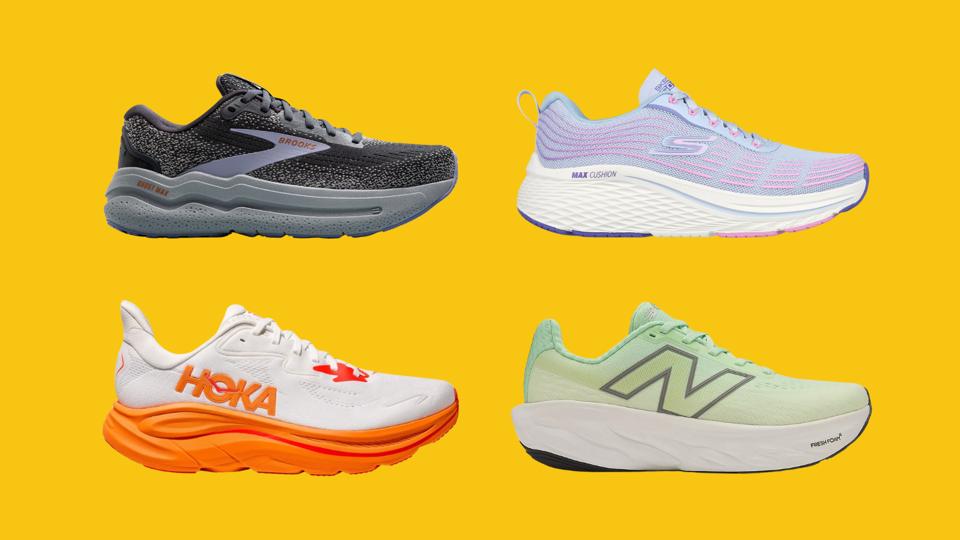
Why shoe choice matters for neuropathy
Neuropathy changes how your feet feel pressure and pain. That raises the risk of blisters, ulcers, and falls. Choosing the right shoe reduces pressure points and improves balance.
When you ask what are the best shoes for neuropathy, think protection first. A good shoe cushions, fits well, and avoids seams that rub. It also helps you walk more steadily and confidently.
Research and clinical guidelines show that proper footwear can lower foot complications in people with nerve damage. I’ve seen patients avoid wounds and walk farther once they wear shoes that match these needs.

Key shoe features to look for
Answering what are the best shoes for neuropathy means looking for these features:
- Wide toe box to let toes spread and reduce pressure.
- Deep interior and roomy fit to allow orthotic insoles.
- Removable insoles so you can add custom orthotics.
- Soft, seamless lining to prevent rubbing and blisters.
- Thick midsole with good cushioning to absorb shock.
- Low, stable heel with slight rocker to ease roll-through.
- Flexible forefoot that still gives structure under the arch.
- Breathable, durable upper to reduce moisture and friction.
Why these features matter: numb feet may not sense small injuries. Cushioning lowers impact. Roomy fit prevents pressure hot spots. Removable insoles let you use a custom orthotic that corrects foot shape or pressure.

Best types and practical examples
To answer what are the best shoes for neuropathy, here are the types that work well and why:
- Diabetic or therapeutic shoes: Made for protection. They often include a wide toe box, soft linings, and removable liners. They meet standards for foot health.
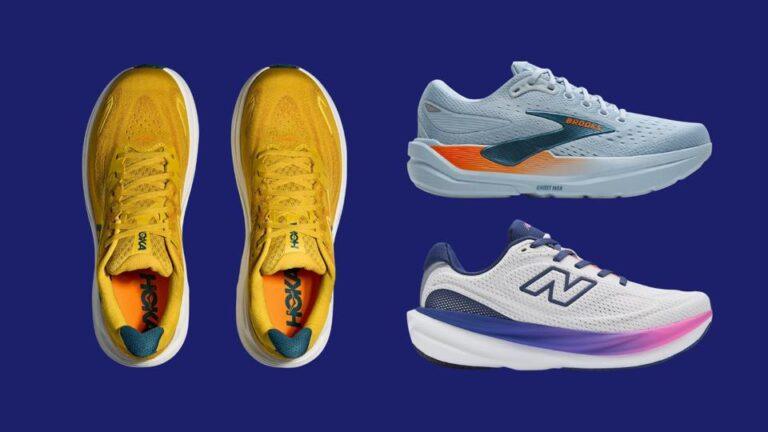
- Walking shoes with plush midsoles: Offer shock absorption and a stable base for daily movement.
- Stability or motion-control shoes: Help those with balance issues. They guide foot motion and reduce roll.
- Rocker-bottom shoes: Reduce pressure on the forefoot and help with painful toes or calluses.
- Slip-on shoes with stretch uppers: Good for limited mobility and those who need a gentle, adaptable fit.
- Custom orthotic-ready shoes: If you use a podiatrist-prescribed insole, these shoes make fit easy.
Examples in practice: a cushioned walking shoe with a removable insole is often a first try. If you have foot deformities or severe loss of sensation, a therapeutic or custom-made shoe is usually best. When deciding what are the best shoes for neuropathy, match the type to your specific problem: balance, pressure sores, or toe deformities.

How to choose the right shoe step by step
Follow this simple process to find what are the best shoes for neuropathy for you:
- Assess your needs
- Note numbness, pain points, foot shape, and balance issues.
- Measure feet late in the day
- Feet swell with activity. Shop when they are largest.
- Try shoes with the socks you wear daily
- This gives the most realistic fit.
- Check fit and feel
- You should have thumb-width space at the toe, no pinching, and a snug heel.
- Test by walking
- Walk on hard and soft floors. Check for rubbing or pressure.
- Use removable insoles or custom orthotics if needed
- A podiatrist can prescribe an orthotic to correct pressure spots.
- Replace shoes regularly
- Cushioning breaks down over months. Replace before performance drops.
If you’re unsure, consult a podiatrist. They can inspect skin, check sensation, and advise on what are the best shoes for neuropathy for your feet.
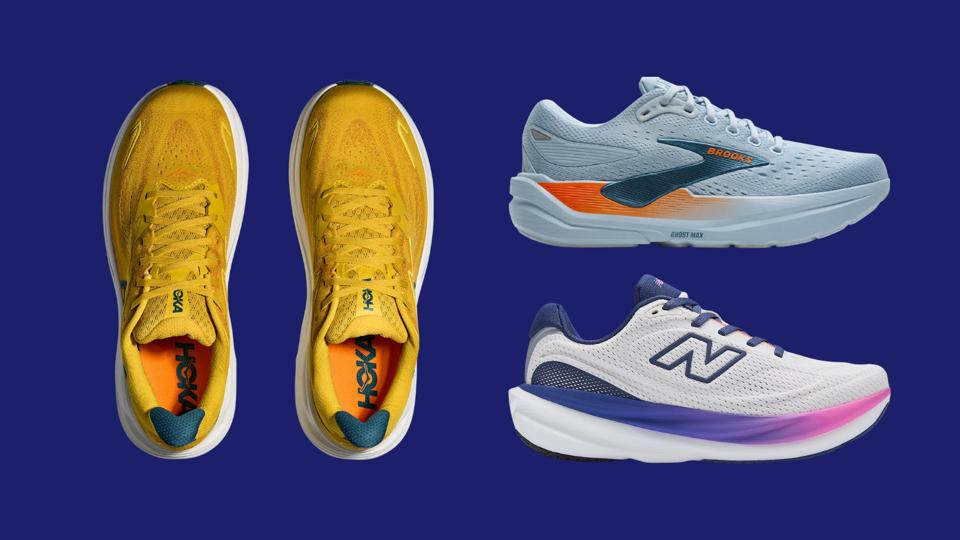
Insoles, orthotics, and accessories that help
Good shoes often need better insoles. Here’s what to consider:
- Off-the-shelf cushioned insoles can add shock absorption.
- Custom orthotics redistribute pressure and correct alignment.
- Silicone or foam toe protectors shield sensitive areas.
- Seamless socks reduce friction and wick moisture.
- Shoe stretch or padding can relieve tight spots without a new shoe.
Choosing the right insole often answers what are the best shoes for neuropathy faster than swapping brands. A modest orthotic can transform a shoe that otherwise fits poorly.

Personal experience and practical tips
I’ve worked with many people testing shoes for neuropathy. A common mistake is chasing brand names instead of features. I once recommended a popular sneaker to a patient because it looked supportive. It caused a blister due to a seam near the toe. We switched to a seamless therapeutic shoe with a custom insole. The blister healed quickly and walking improved.
Lessons I’ve learned:
- Prioritize fit and construction over looks.
- Always try shoes while standing and walking.
- Keep simple tools: a soft brush to clean shoes, seam tape for small rubs, and spare insoles.
When you ask what are the best shoes for neuropathy, remember that comfort plus protection beats fashion every time.
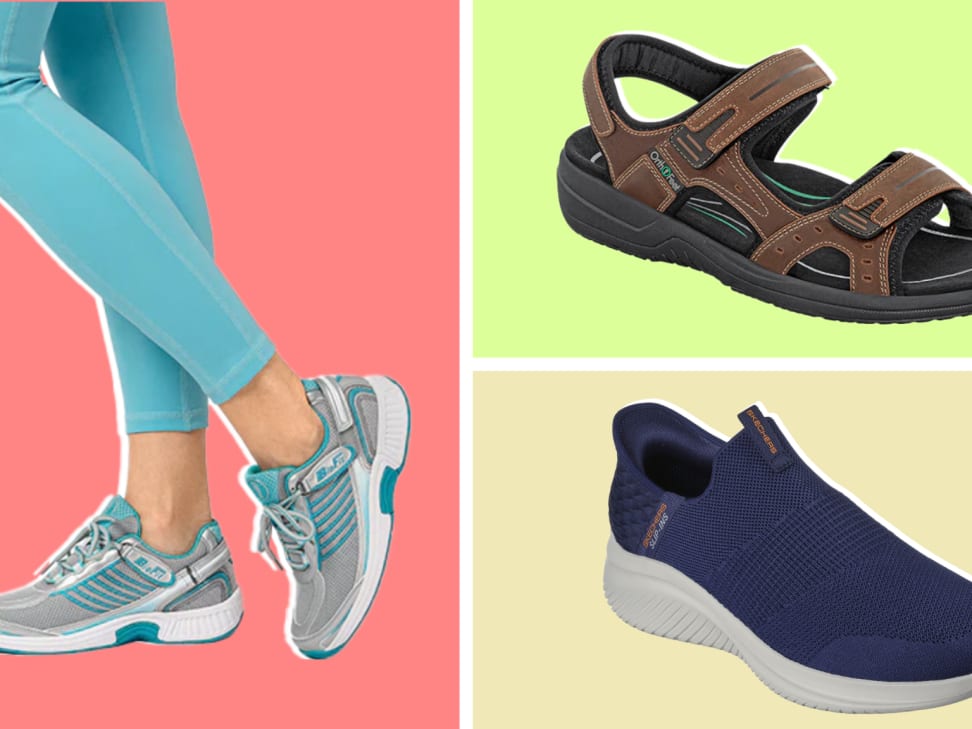
Frequently Asked Questions of what are the best shoes for neuropathy
What shoes should someone with neuropathy avoid?
Avoid tight, narrow, or high-heeled shoes. Also skip shoes with hard seams, thin soles, or poor cushioning that increase pressure and the risk of skin injury.
Can regular running shoes work for neuropathy?
Some running shoes can work if they have a wide toe box, removable insoles, and good cushioning. Always check fit and consult a professional if you have severe loss of sensation.
Do I need custom orthotics for neuropathy?
Not everyone needs custom orthotics, but they help when you have uneven pressure, deformities, or recurrent skin breakdown. A podiatrist can test gait and recommend orthotics when needed.
Are slip-on shoes safe for neuropathy?
Slip-ons can be safe if they fit well and do not rub. Look for stretchable uppers, firm heel support, and a roomy interior.
How often should neuropathy shoes be replaced?
Replace shoes when cushioning and structure wear out, usually every 6 to 12 months for active use. Check soles and midsole compression as signs to replace them.
Common PAA-style questions
What features reduce pain from neuropathy in shoes?
Choosing thick cushioning, a wide toe box, and removable insoles reduces pressure and pain. A low, stable heel and seamless lining also help.
Can shoes prevent foot ulcers with neuropathy?
Proper shoes lower the risk of ulcers by reducing friction and pressure points. They are not a guarantee; skin checks and medical care are still essential.
How do I know if a shoe fits a neuropathic foot?
A good fit gives room to wiggle toes, no pinching, and firm heel lock. Walk around and check for any hot spots or rubbing before buying.
Conclusion
Choosing what are the best shoes for neuropathy comes down to fit, cushioning, and protection. Pick shoes with a wide toe box, removable insoles, soft linings, and stable soles. Test them by walking and consider custom orthotics when pressure problems persist. Small changes in shoes can lead to big improvements in comfort, safety, and mobility.
Try one change this week: measure your feet, try a supportive shoe, and walk at home for 10 minutes to test comfort. Share your results in the comments or subscribe for more practical foot-care tips.

Rubel Miah is the Senior Editor at MyStyleGrid.com, where he brings a sharp editorial eye and an unshakable love for fashion to everything he does. A true style addict, Rubel lives and breathes trends, from streetwear to high fashion, and has a knack for turning inspiration into impactful stories. With years of experience in fashion journalism and digital media, he curates content that empowers readers to express themselves through style. When he’s not editing features or forecasting the next big thing, you’ll find him hunting down vintage pieces or capturing street style moments around the city.