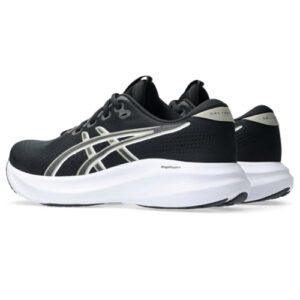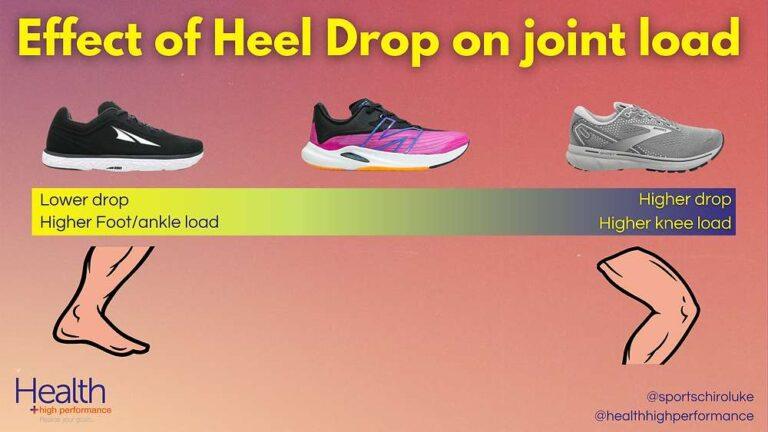
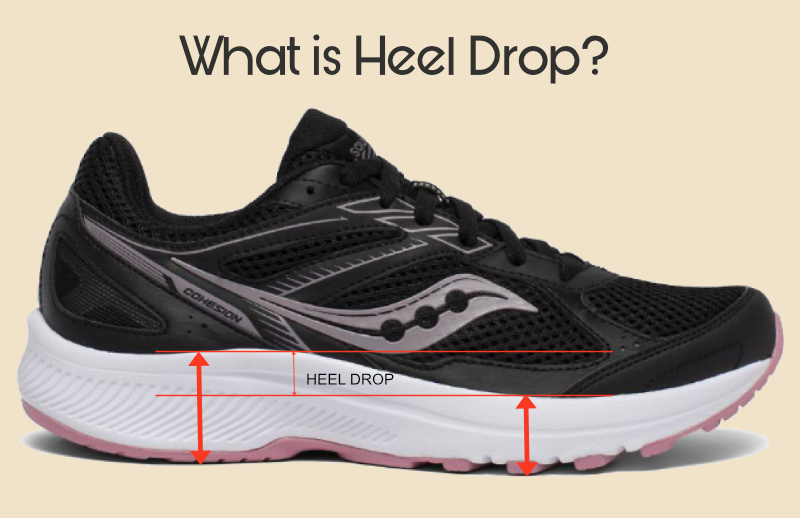
Heel drop is the height difference between a shoe’s heel and forefoot, measured in millimeters.
I’ve spent years testing shoes and advising runners and walkers. I will explain what is heel drop in shoes, how it affects your body, and how to pick the right drop for your goals. This article blends hands-on experience, clear biomechanics, and practical tips so you can make an informed choice about your next pair of shoes. Read on to learn simple rules, common mistakes, and how to transition safely.
What is heel drop in shoes — definition and basics
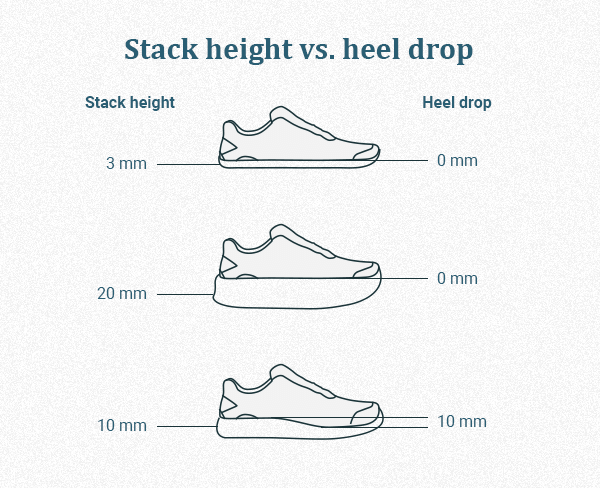
Heel drop is the numeric gap between the shoe’s heel height and its forefoot height. The number is given in millimeters. Common values are 0 mm, 4 mm, 8 mm, 10 mm, and 12 mm.
A higher number means the heel sits noticeably higher than the forefoot. A lower number means the sole is flatter. Knowing what is heel drop in shoes helps you match shoes to your posture, stride, and injury history.
How manufacturers measure it:
- Place the shoe on a flat surface.
- Measure the height at the heel and at the forefoot.
- Subtract forefoot height from heel height to get the heel drop.
Practical example:
- A heel 28 mm high and a forefoot 18 mm high yields a 10 mm heel drop. That 10 mm difference shifts how your foot lands and how muscles work.
Why heel drop matters for comfort, performance, and injury
Heel drop changes ankle angle at landing. That alters which muscles absorb impact. A large drop reduces ankle bend and loads the calf less. A small drop increases ankle bend and loads the calf and Achilles more.
Effects you may notice:
- Comfort: Some people feel better in higher drops. Others prefer flatter shoes.
- Running form: Lower drops often encourage midfoot or forefoot striking. Higher drops often encourage rearfoot striking.
- Injury risk: Sudden changes in drop can stress tendons. Gradual changes reduce risk.
Research and clinical experience show no single drop is best for all. The right choice depends on your body, past injuries, and training. That is why knowing what is heel drop in shoes matters for safe progress.
People also ask
Does lower heel drop make you faster?
Lower drop can improve cadence and reduce braking for some runners, but gains are individual and depend on form and training.
Is higher heel drop better for long runs?
Higher drop can feel less taxing on calves for long runs, but it may increase load on knees for some people.

How to choose the right heel drop for you
Start with what you already use. If you run pain-free, stay close to your current drop. If you have Achilles or calf issues, a higher drop may ease tension. If you want to strengthen calves and change form, a gradual move to a lower drop can help.
Steps to choose:
- Check current shoes and note the drop.
- Match your choice to goals: comfort, rehab, or form change.
- When trying new drops, test with short runs or walks first.
Tips for special cases:
- Heel pain or plantar fasciitis: a moderate to higher drop often helps early on.
- Achilles tendinopathy: avoid sudden decreases in drop.
- Trail and hiking: consider stability and cushion as well as drop.
Understanding what is heel drop in shoes makes these choices clearer. It turns product specs into practical decisions.
Common heel drop types and real-world examples
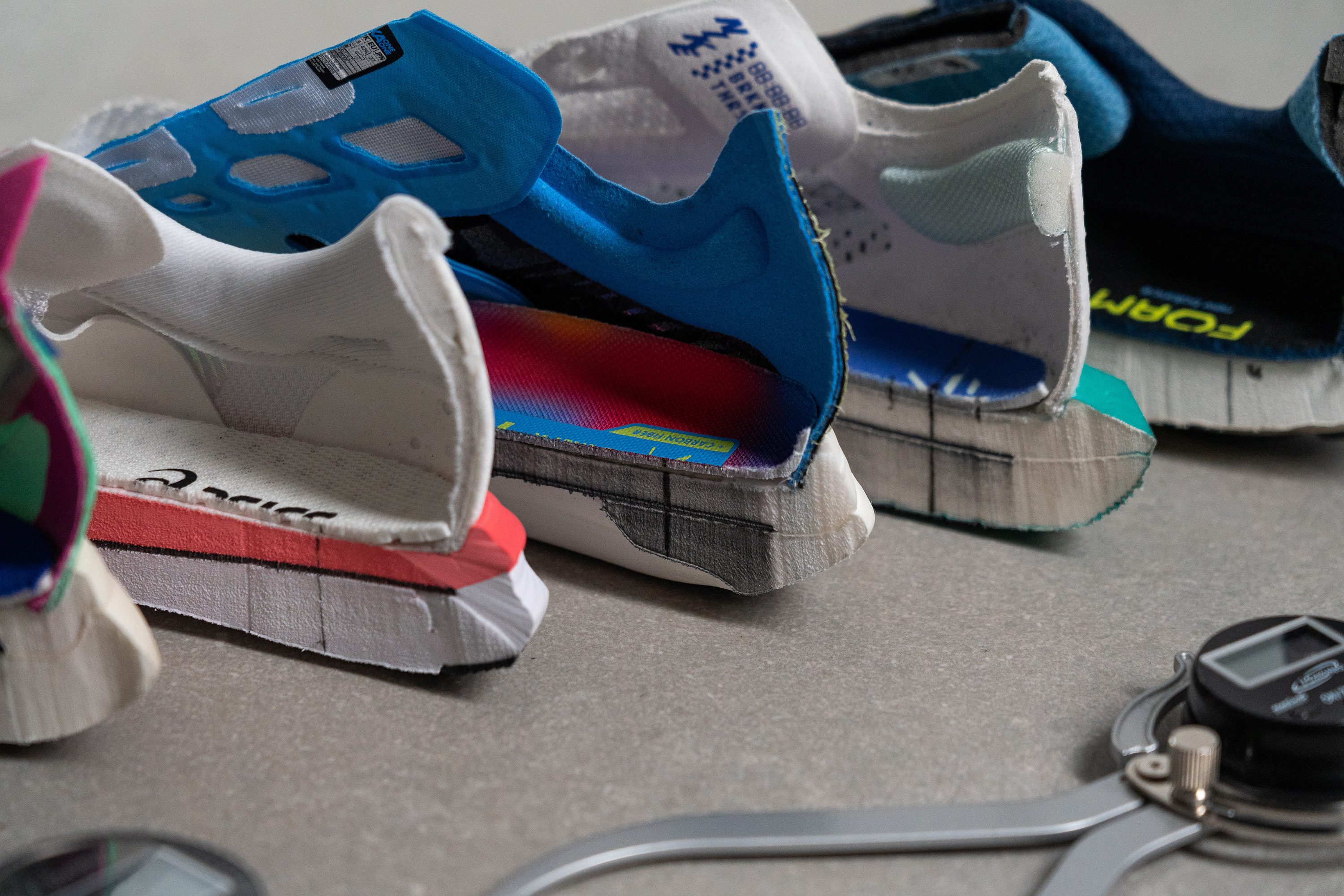
Zero drop
- Definition: Heel and forefoot same height.
- Use: Minimalist running, natural foot function.
- Pros: Encourages natural stride and stronger foot muscles.
- Cons: Greater calf and Achilles load during transition.
4–6 mm drop
- Definition: Modest slope.
- Use: Many modern running shoes and trainers.
- Pros: Balance between natural feel and some heel cushioning.
- Cons: May not suit heavy heel-strikers without adjustment.
8–12 mm drop
- Definition: Noticeable slope.
- Use: Traditional running shoes, many stability models.
- Pros: Cushioned heel for heel-strikers and those with tight calves.
- Cons: Can encourage heel striking and change knee loads.
Why these categories matter: Knowing what is heel drop in shoes helps you compare models and decide what to try in stores or online.

How to transition between heel drops safely
Don’t switch overnight. Your tendons and muscles adapt slowly. A careful plan keeps you running and prevents setbacks.
A safe transition plan:
- Reduce or raise heel drop in small steps over weeks.
- Mix old and new shoes during training.
- Shorten runs and add strengthening exercises for calves and feet.
- Monitor pain and adjust pace or rest if you feel persistent soreness.
Example timeline for moving from 12 mm to 4 mm:
- Week 1–2: wear new shoes for easy runs under 30 minutes twice a week.
- Week 3–4: increase to three easy runs and add calf strength work.
- Week 5–6: increase duration slowly and evaluate pain or stiffness.
This practical approach helped me guide clients from stable trainers to lower-drop racing shoes without injury.

My experience, lessons learned, and practical tips
I tested shoes across many drops over years. I once moved too fast from a 12 mm trainer to a zero-drop racer. That caused calf soreness for two months. The lesson: respect adaptation time.
What worked for me and clients:
- Give a six-week window for any major drop change.
- Do short runs in new shoes first.
- Add heel raises and eccentric calf work when decreasing drop.
- Use gait analysis if pain persists.
Common mistakes to avoid:
- Jumping drops for a race.
- Ignoring foot strength work.
- Blaming shoes alone for pain without checking training load.
These simple rules saved me and others from pointless injuries. Understanding what is heel drop in shoes made choices clearer and less stressful.
Frequently Asked Questions of what is heel drop in shoes
What exactly does heel drop measure?
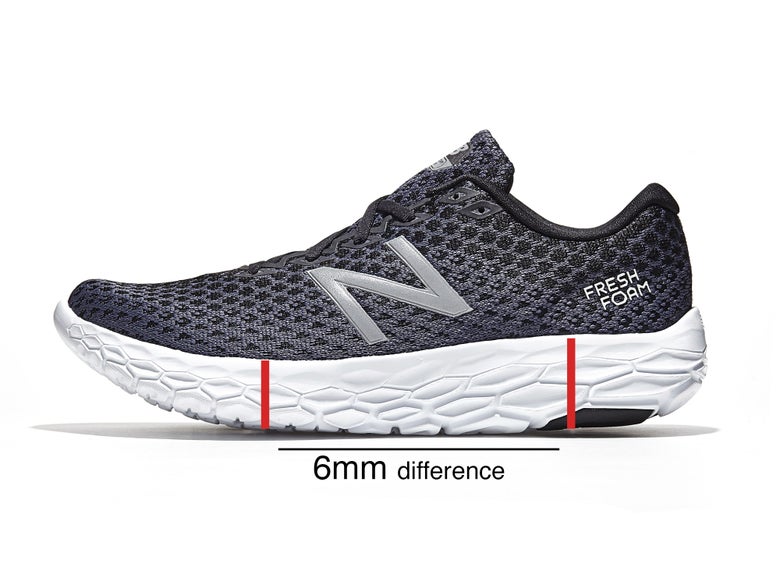
Heel drop measures the height difference between the shoe’s heel and forefoot, usually in millimeters. It shows how much the heel is elevated relative to the toes.
How do I find the heel drop of my current shoes?
Check the brand’s specs or measure heel and forefoot heights and subtract. Many retailers list the number in product details.
Is a lower heel drop better for running economy?
Lower drop can improve cadence and reduce braking for some runners, which may help economy. Benefits vary and depend on individual form and training.
Can changing heel drop cause injuries?
Yes, rapid changes can overload tendons like the Achilles. Gradual transitions and strengthening lower the risk.
Should beginners choose a high or low heel drop?
Beginners often start with a moderate drop for comfort and support. The best choice depends on pain, mobility, and goals.
Will heel drop affect walking as much as running?
Yes, heel drop affects walking posture and comfort, though the forces are generally lower than running. Choose what feels comfortable for long daily wear.
Conclusion
Heel drop is a simple number with real effects. It shapes foot strike, muscle use, and comfort. Use your current shoe as a baseline, pick a drop that matches your needs, and change slowly. Try small tests and add strengthening work before you commit.
Takeaway: pay attention to heel drop, plan gradual changes, and test shoes in short sessions before long runs. If you found this useful, try tracking the drops of your shoes, share your experience below, or subscribe for more footwear tips.

Rubel Miah is the Senior Editor at MyStyleGrid.com, where he brings a sharp editorial eye and an unshakable love for fashion to everything he does. A true style addict, Rubel lives and breathes trends, from streetwear to high fashion, and has a knack for turning inspiration into impactful stories. With years of experience in fashion journalism and digital media, he curates content that empowers readers to express themselves through style. When he’s not editing features or forecasting the next big thing, you’ll find him hunting down vintage pieces or capturing street style moments around the city.