Most running shoes last about 300–500 miles, depending on type and usage.
I’ve tested, measured, and replaced dozens of running shoes over many years, so I know how confusing that range can feel. This article breaks down how many miles are running shoes good for, why mileage varies, clear signs to replace them, and practical steps you can take right now to get the most life out of every pair. Read on for real-world advice, simple tests, and a plan to protect your legs and your wallet.

What "how many miles are running shoes good for" really means
When people ask how many miles are running shoes good for, they want a practical lifetime number. That number depends on cushioning, structure, and how you use the shoe. Typical guidance gives a range, not a hard rule. The range is a helpful starting point. But the true answer needs a little detective work on your shoes and habits.

Typical mileage ranges by shoe type
Different shoes are built differently. That affects how many miles are running shoes good for.
- Daily trainers: 300 to 500 miles. Good balance of cushion and support.
- Max-cushion shoes: 400 to 600 miles. More foam can mean longer life, but not always.
- Lightweight racing shoes: 150 to 300 miles. Thin foam wears faster.
- Trail shoes: 300 to 500 miles. Outsole wear depends on rocks and mud.
- Minimalist shoes: 200 to 400 miles. Less foam equals faster breakdown.
How you run changes that number. If you run on hard roads, you’ll use up shoes faster. Heavier runners compress foam quicker. Faster, more forceful strides strain shoes differently.

Key factors that determine how many miles are running shoes good for
Several factors change shoe life. Check these to get a tailored answer.
- Runner weight and stride: Heavier runners and those with a strong heel strike wear foam faster.
- Weekly mileage and frequency: More miles means faster breakdown.
- Surface you run on: Tread wears faster on pavement than on grass or treadmill.
- Shoe construction: Denser foam, better outsole rubber, and reinforced uppers last longer.
- Body mechanics: Overpronation or other gait issues can cause uneven wear.
- Shoe rotation and care: Rotating pairs and drying shoes extends life.
Think of shoes like tires. How you drive matters as much as the tire brand.
Signs your shoes need replacing
Rather than only tracking miles, look for signs. These signs tell you when the shoe no longer protects you.
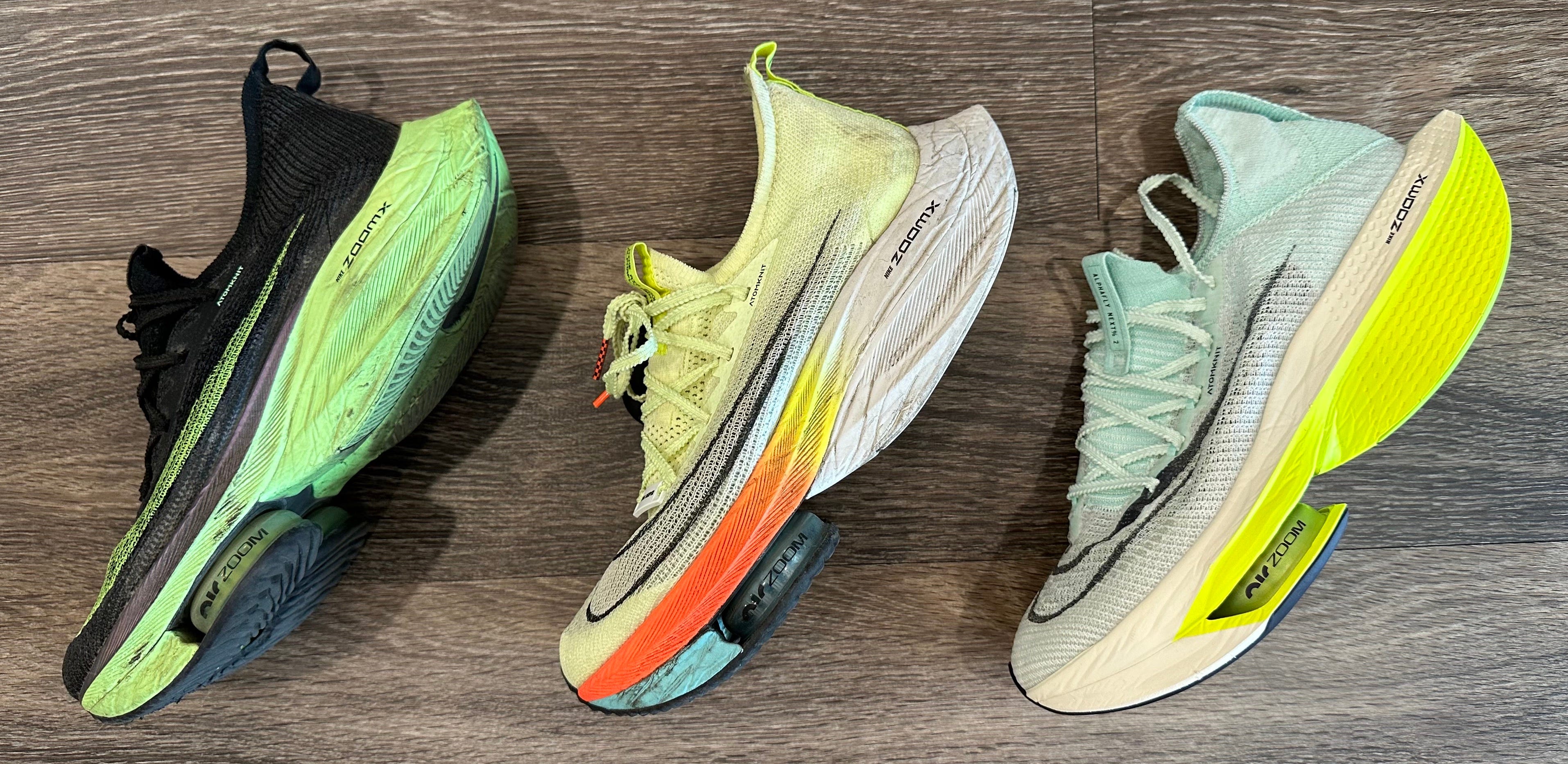
- Noticeable midsole compression or creasing on the shoe’s side.
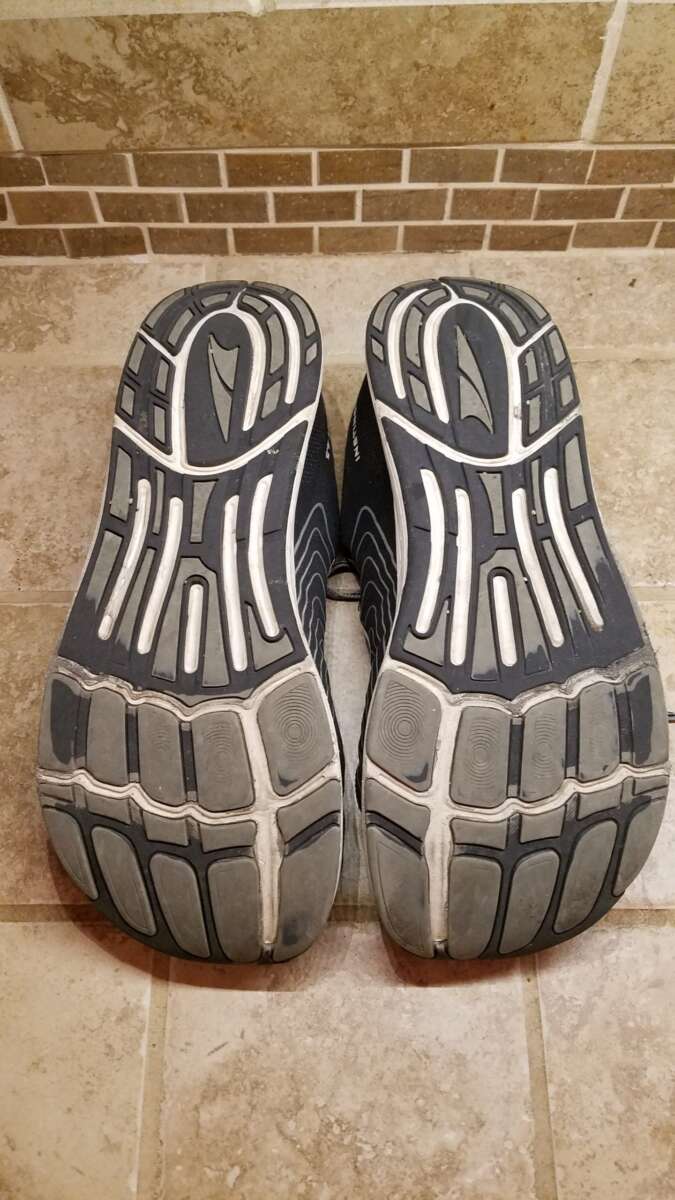
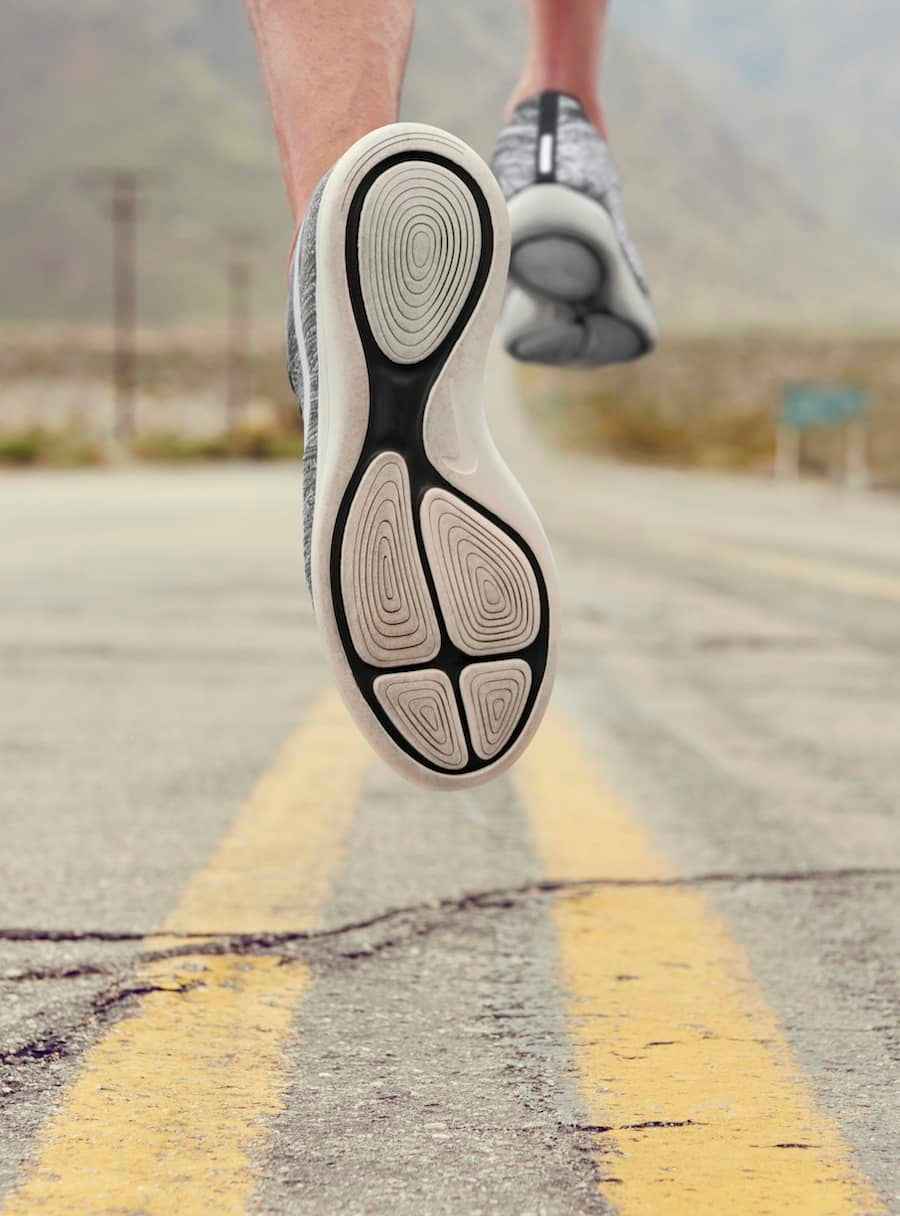
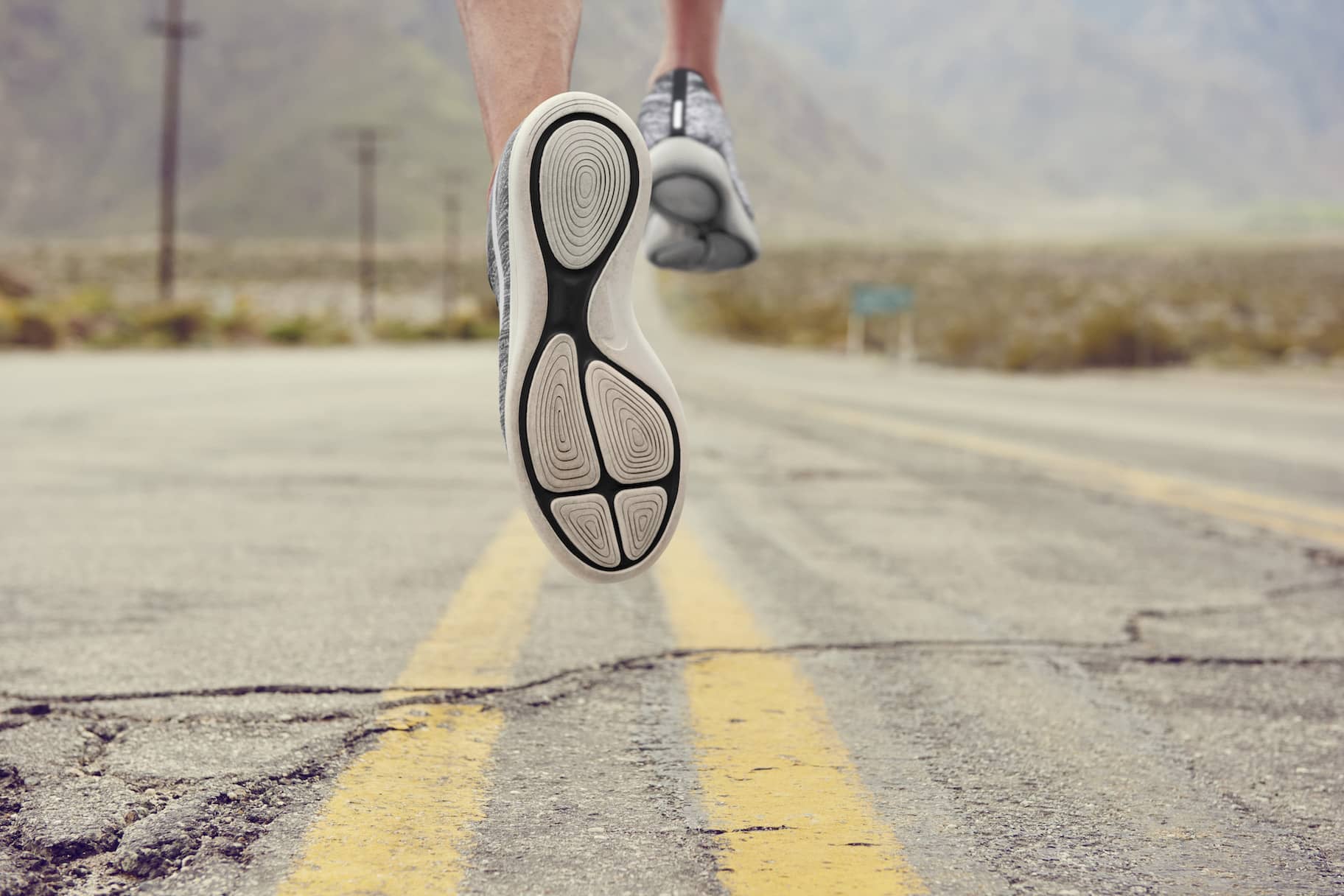
- Outsole tread worn flat, especially under the heel or forefoot.
- Lack of cushioning — runs feel harsher or your legs hurt after short miles.
- New aches in knees, hips, or lower back after runs.
- Uneven wear pattern or collapsed heel counter.
Quick home tests:
- Press test: Squeeze the midsole with your thumb. Little bounce means worn foam.
- Flat shoe test: Place shoe on a flat surface. If it leans inward or outward, structure is gone.
These checks answer "how many miles are running shoes good for" better than a number alone.
How to track shoe mileage effectively
Keeping a simple log solves a lot of guesswork.
- Use a running app or calendar. Note the shoe name for each run.
- Write the start date and cumulative miles on the tongue with a permanent marker.
- Rotate at least two pairs. Alternate to let foam recover between runs.
- Replace proactively—when a shoe nears the lower end of its range or shows wear.
I log all shoes. It made me stop guessing and avoid a few nagging injuries.
Practical tips to extend shoe life
You can stretch life without compromising safety.
- Rotate shoes. Foam recovers slightly when unused.
- Use shoes only for running. Don’t wear them all day as casual shoes.
- Avoid laundering in the washing machine. Hand-clean and air-dry instead.
- Use gait analysis and proper sizing. Poor fit speeds breakdown.
- Protect the outsole with resoling if the brand offers it.
- Store shoes in a cool, dry place away from direct sun.
Small habits add up. I once extended a pair’s life by 20% with simple rotation and care.
When mileage matters most for injury prevention
Knowing how many miles are running shoes good for helps reduce injury risk. Worn foam reduces shock absorption. That can increase stress on joints and soft tissue.
- Research and coaches often recommend replacing shoes before significant foam loss.
- If you start getting odd aches, check shoes first.
- For runners training for races, swap in a fresher pair for key long runs.
Think of fresh shoes as preventative care. It’s often cheaper than physio.

Buying and rotating strategy
A smart buying plan reduces cost and keeps you safe.
- Keep one training pair and one recovery/light pair.
- Match shoe type to run type—long runs deserve more cushion.
- Buy a fresh pair about 50–100 miles before a goal race for final tuning.
- Sell or donate old but still wearable shoes instead of hoarding them.
I usually rotate three pairs. It smooths out mileage and keeps the foam rebounding.
Personal experience and common mistakes
I’ve logged dozens of shoe lifespans. Here are lessons I learned.
- Mistake: Waiting until shoes look terrible. That’s often too late.
- Lesson: Replace based on feel and mileage. Don’t be sentimental.
- Practical tip: Buy a second pair of the shoe you like. That avoids fit surprises.
- Observation: Heavier runners often need replacement 20–30% sooner.
My worst mistake was running a marathon in a worn pair. I learned the hard way to trust signs over looks.
Quick PAA-style questions
Q: Do shoes lose cushioning even if the outsole looks fine?
A: Yes. The midsole foam can compress before you see outsole wear. Feel and ride change first.
Q: Can you resole running shoes?
A: Some brands and cobblers can replace rubber outsoles. It helps when the midsole is still good.
Q: Does treadmill running use up shoes slower?
A: Generally yes. Treadmills are gentler, but mileage still accumulates and foam still compresses.
Frequently Asked Questions of how many miles are running shoes good for
How many miles are running shoes good for exactly?
Most running shoes are good for about 300–500 miles, depending on shoe type, runner weight, and terrain.
Will my running shoes last longer if I only run on trails?
Trail surfaces can be less abrasive on foam, but rocks and mud can damage the outsole. Trail shoe lifespan varies but is often similar to road shoes.
How often should I replace running shoes if I run 20 miles per week?
At 20 miles per week, a 300–500 mile shoe will last about 3 to 6 months. Check signs of wear earlier to be safe.
Can using orthotics change how many miles shoes are good for?
Yes. Orthotics can redistribute pressure and may extend life by reducing localized wear, or shorten life if they stress certain areas.
Is it okay to run in shoes past 500 miles?
You can run past 500 miles, but risk of injury rises as cushioning and support decline. Monitor comfort closely and replace at first sign of problems.
Conclusion
How many miles are running shoes good for depends on many small factors. Use mileage ranges as a guide, but check fit, cushioning, and wear regularly. Rotate shoes, log miles, and replace when performance drops or pain starts. Start today: mark your shoes with their start miles, rotate pairs, and plan your next replacement before it’s urgent. If this helped, try tracking your current pair for a month and leave a comment with what you discover.

Rubel Miah is the Senior Editor at MyStyleGrid.com, where he brings a sharp editorial eye and an unshakable love for fashion to everything he does. A true style addict, Rubel lives and breathes trends, from streetwear to high fashion, and has a knack for turning inspiration into impactful stories. With years of experience in fashion journalism and digital media, he curates content that empowers readers to express themselves through style. When he’s not editing features or forecasting the next big thing, you’ll find him hunting down vintage pieces or capturing street style moments around the city.