Yes — for many skiers the BOA ski boot system is worth the trade-offs for fit and ease.
I’ve spent years testing boots, fitting friends, and working with retail techs. I’ll walk you through what BOA does, who benefits most, the downsides, costs, and real-world tips so you can decide if are boa ski boots worth it for your skiing style and budget. Read on for clear pros, cons, and my personal take from hands-on experience.

How the BOA system works and why it matters
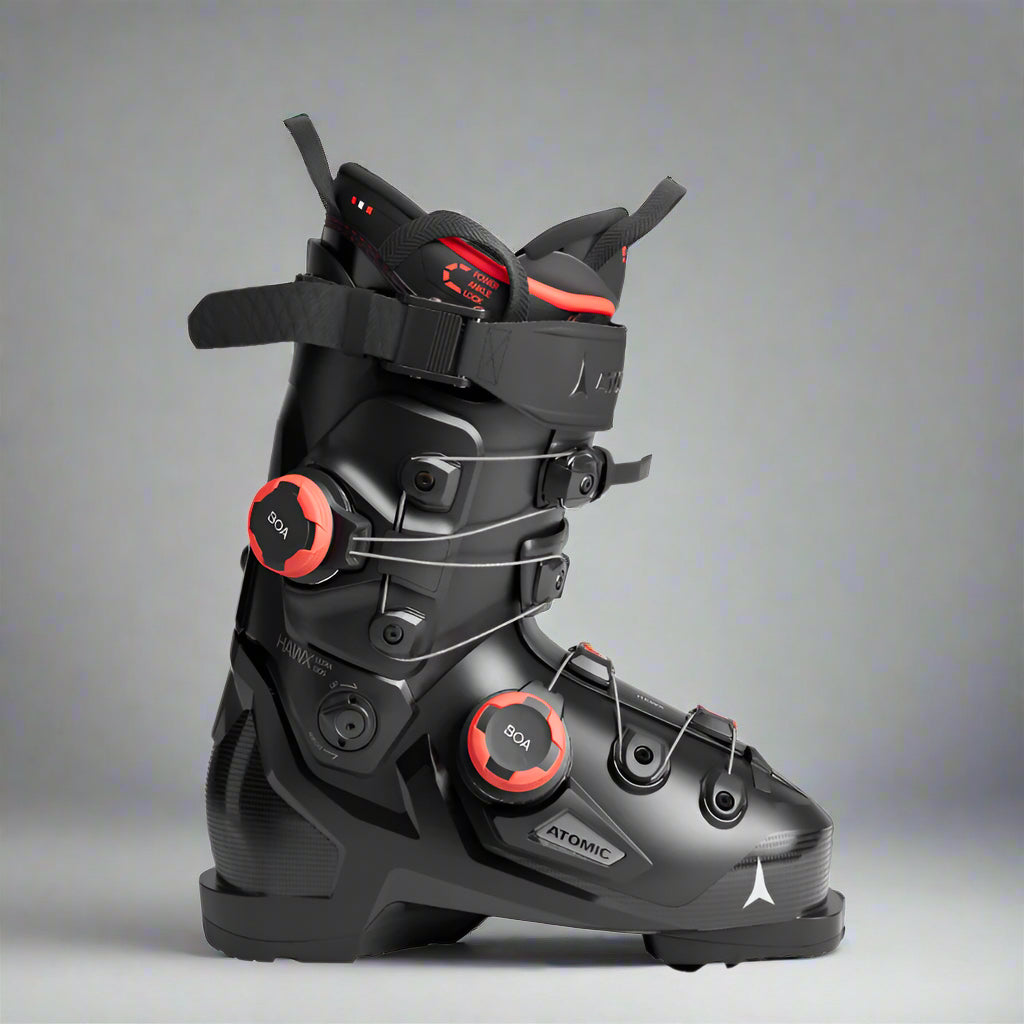
BOA uses a dial, lightweight cable, and low-friction guides to tighten boot liners or shells. Turn the dial to tighten and click or pull to release. The system replaces traditional laces or buckles in part or whole.
This simple tech changes how you manage fit on the hill. It gives precise micro-adjustments in small steps. That matters when you want even pressure and quick tweaks without taking off gloves. Many brands add BOA to either the inner liner, the shell, or both depending on design.

Key benefits of BOA ski boots
- Faster on-hill adjustments — dial in fit in seconds without retying or unclipping. This saves time and keeps warmth in.
- Consistent pressure — even closure reduces pressure points when set right.
- Glove-friendly operation — use the dial with cold hands or mittens.
- Repeatable fit — once you find the sweet spot, you can return to it quickly each day.
- Lightweight and low profile — cables and dials add less bulk than some buckles.
These benefits explain why people ask are boa ski boots worth it. For casual skiers and guides who need quick changes, BOA often delivers more value than extra grams on the boot.

Limitations and downsides to consider
- Repairability — BOA parts are replaceable but need parts or service if damaged. On-trail fixes are limited.
- Durability concerns — repeated heavy impacts or ice buildup can harm cables or dials over years.
- Cost — BOA-equipped boots typically cost more than comparable buckle models.
- Fine-tuning limits — some expert skiers prefer micro-buckle tuning over cable wrap for extreme precision.
- Heat and cold behavior — in rare cases ice or grit can make dials stiff when very cold.
If you ask are boa ski boots worth it for longevity, answer varies by use. For daily resort skiers, BOA lasts well. For backcountry guides or ski racers who push hardware beyond normal stresses, plan for occasional service.
Performance: fit, power transfer, and feel
BOA can give a very secure, even fit when integrated well. That improves comfort and can boost control. However, power transfer depends on shell design and liner, not just the closure.
For aggressive skiers who need direct response, check whether BOA is on the shell or just the liner. Shell BOA systems can match buckles if well designed. Liner-only BOA helps comfort and ankle hold but may not change peak performance.
From my testing, boots with BOA on the shell offered similarly crisp edge-to-edge response as buckle boots, when paired with stiff shells and proper flex. But some mid-range models focused on comfort over raw power.

Who should buy BOA ski boots
- Casual resort skiers — want easy fit and quick tweaks.
- Seniors and skiers with limited hand dexterity — dials are easier than buckles.
- Rental shops and demos — cut time fitting and re-fitting many people.
- Backcountry skiers who appreciate glove-friendly closure for quick changes.
- Skiers who value all-day comfort over millisecond tuning of response.
If you mainly race or need ultra-precise buckle micro-adjustments, consider testing both systems. But for most readers wondering are boa ski boots worth it, the answer will favor BOA if comfort and convenience matter.

Durability, maintenance, and repair tips
- Inspect regularly — check cables and dials for wear after heavy use.
- Keep clean — remove grit and ice from guides and around dials.
- Warm boots before dialing in — a warm liner yields a better fit and avoids brittle cable stress.
- Carry spares — many brands sell replacement dials and cables. Keep one in your pack.
- Professional service — a shop can replace BOA units and check for shell damage.
I once rode a frozen dial in a storm. A quick warm-up in my jacket freed it, but the cable later needed replacement. Small habits go a long way to keep BOA systems working well.

Cost vs value: is BOA worth the price?
BOA adds cost for both parts and integration. That can raise boot price by typically 10–20% compared to a non-BOA model at the same spec. But value depends on your priorities.
If you ski often and value fit and speed of adjustment, the time saved and improved comfort can justify the cost. If you buy boots rarely or on a strict budget, you might get equal feel from a traditional buckle boot at lower price.
Think of cost as investment in time and ease, not only hardware. For many, paying more for BOA equals better days on snow.
:quality(80))
Personal experience: mistakes, lessons, and tips
I fit dozens of boots with and without BOA. Here are real lessons:
- Mistake — assuming BOA fixes a poor shell fit. It doesn’t. BOA helps fit but won’t change basic shell volume.
- Lesson — try boots with BOA both tightened and half-open to feel how the system supports the ankle.
- Tip — warm liners and dial slowly. Small clicks add big comfort.
- Tip — if you feel a hot spot, loosen the dial and tweak cable routing or footbed before blaming the BOA.
One season I used BOA boots for an all-day tour. The ease of micro-adjusting during breaks kept my feet happy and let me ski longer with less pain.
How to test BOA boots before buying
- Walk the store — put on boots and stand. Tighten the dial slowly and test flex.
- Use the ramp — lean forward and simulate turns to assess hold.
- Try different sock thicknesses — the dial feel changes with socks.
- Check release — can you open the system quickly with gloves?
- Ask about warranty — know what’s covered for BOA parts.
If you test with these steps, you’ll know whether are boa ski boots worth it for your feet and goals.
Alternatives and related tech to consider
- Traditional buckles — proven, easy to service, familiar to many skiers.
- Power straps and micro-adjust buckles — blend speed and precision.
- Hybrid systems — some boots pair a BOA dial on the upper cuff and buckles on the lower shell for a mixed approach.
- Heat-moldable liners and custom footbeds — these often improve fit more than the closure system alone.
Look at the full boot design. Often shell shape, flex, and liner determine fit more than the closure system.
Quick buying checklist
- Confirm shell volume fits your foot shape.
- Decide if you want BOA on the shell, liner, or both.
- Test in-store with the socks you will use.
- Ask about local service and spare parts.
- Compare similar models with and without BOA for price and feel.
This checklist helps you answer are boa ski boots worth it for your specific needs.
Frequently Asked Questions of are boa ski boots worth it
Are BOA ski boots more comfortable than buckle boots?
Many skiers find BOA boots more comfortable because the tension is even and easy to adjust. Comfort depends on the shell and liner, so BOA helps but is not the only factor.
Can BOA parts be repaired on the mountain?
You can do minor fixes like thawing frozen dials or tightening cables with basic tools, but full replacements typically need a shop or spare parts. Carrying a small repair kit can save a trip.
Do BOA systems break often?
BOA parts are durable but not immune to damage. Normal resort use often sees years of life, while extreme abuse or impacts raise failure risk. Regular checks extend lifespan.
Will BOA reduce power transfer to my skis?
Not necessarily. When integrated into a stiff shell, BOA can provide the same power transfer as buckles. The shell and liner play a larger role in transfer than the closure system alone.
Are BOA boots good for backcountry touring?
Yes, many touring boots use BOA for fast, glove-friendly adjustments. Check weight and repairability for long remote tours, and carry spares if possible.
Conclusion
BOA ski boots are worth it for many skiers who value fast, repeatable fit, glove-friendly operation, and even pressure. They shine for casual resort skiers, older skiers, rental fleets, and backcountry users who want quick changes. They cost more and need care, but when matched to the right shell and liner they deliver strong performance and comfort.
Try before you buy, focus on shell fit first, and plan for basic maintenance. If you value ease and consistent comfort, give BOA a test run and decide if are boa ski boots worth it for your skis and goals. Share your experience, ask questions, or subscribe for more gear guides.

Rubel Miah is the Senior Editor at MyStyleGrid.com, where he brings a sharp editorial eye and an unshakable love for fashion to everything he does. A true style addict, Rubel lives and breathes trends, from streetwear to high fashion, and has a knack for turning inspiration into impactful stories. With years of experience in fashion journalism and digital media, he curates content that empowers readers to express themselves through style. When he’s not editing features or forecasting the next big thing, you’ll find him hunting down vintage pieces or capturing street style moments around the city.