Yes — barefoot shoes can help some people with plantar fasciitis when used carefully and gradually.
I’ve worked with runners and patients for years and tested barefoot-style shoes myself. I will explain how barefoot shoes work, why they might ease plantar fasciitis, when they can make pain worse, and how to try them safely. This guide is practical, evidence-aware, and drawn from hands-on experience so you can decide if barefoot shoes are a good path for your heel pain.

How barefoot shoes work and plantar fasciitis basics
Plantar fasciitis is a common heel pain caused by overload of the band of tissue under the foot. Pain often appears with the first steps in the morning or after long rest. Key goals of treatment are to reduce stress on the fascia, improve foot mechanics, and allow tissue to heal.
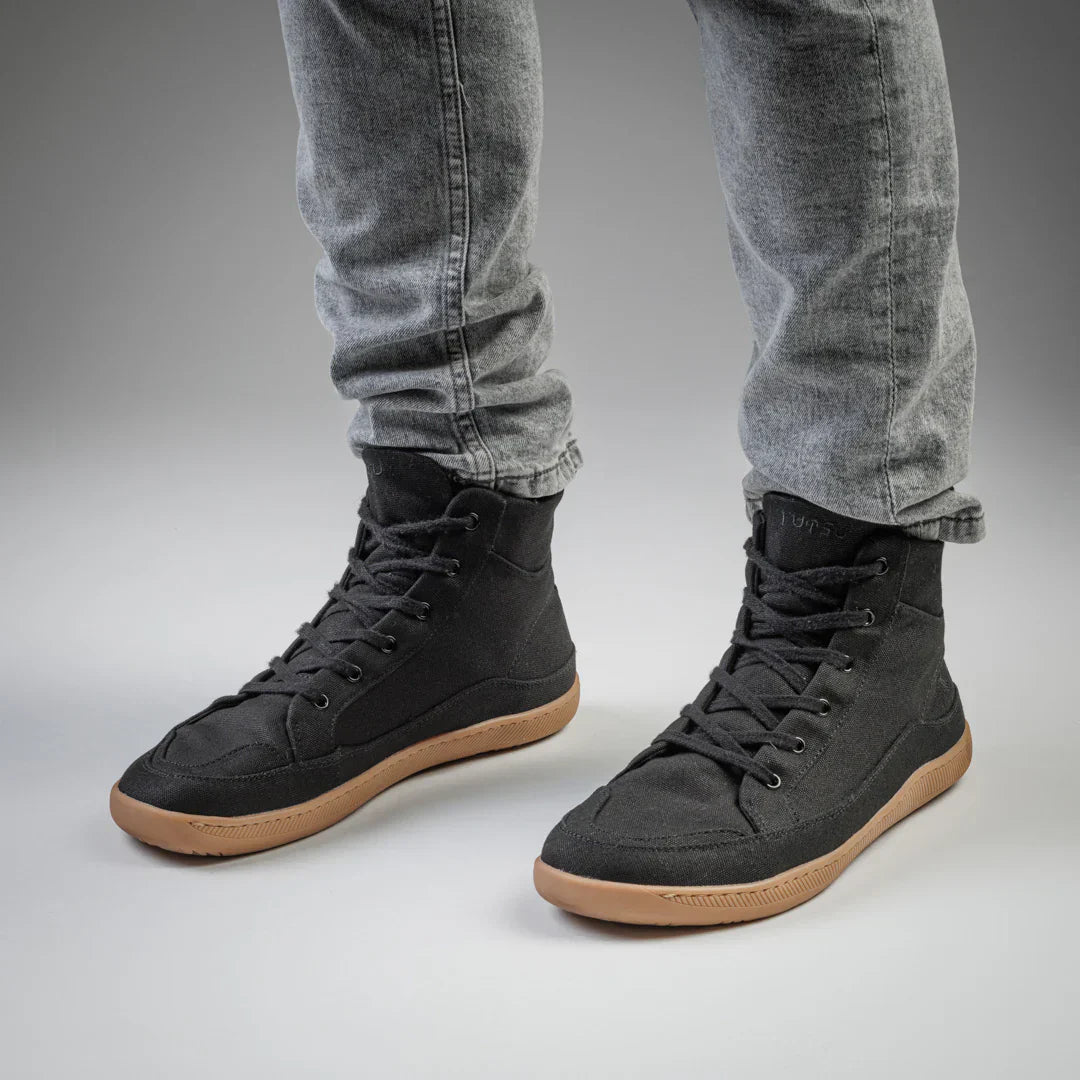
Barefoot shoes are thin-soled, wide-toe-box shoes that let your foot move more naturally. They reduce cushioning and change how your foot strikes the ground. When people ask “are barefoot shoes good for plantar fasciitis” they mean whether that natural motion helps or harms the healing of the plantar fascia.
How barefoot shoes change mechanics:
- They encourage more forefoot or midfoot striking rather than heavy heel striking.
- They let toes splay and strengthen small foot muscles over time.
- They reduce artificial arch support and cushioning, which shifts load patterns.
If you have sharp, new, or severe heel pain, avoid sudden changes. A careful approach is the safest route when testing barefoot shoes for plantar fasciitis.

Potential benefits of barefoot shoes for plantar fasciitis
Many people ask: are barefoot shoes good for plantar fasciitis because they promise strength and natural motion? Here are the possible benefits.
Improved foot strength
- Barefoot shoes let intrinsic foot muscles work more. Stronger foot muscles can help support the arch and lower strain on the plantar fascia.
Better gait and load distribution
- They can change how you land and push off. This can reduce repetitive stress at the heel in some people.
Increased proprioception and balance
- Feeling the ground more helps you adjust steps and avoid bad mechanics that worsen pain.
Long-term adaptation
- With slow use, many people report less heel pain after weeks to months. This is because the foot learns to share load more evenly.
Evidence snapshot
- Research shows mixed results. Some studies report benefits in muscle strength and comfort. Other trials show no clear advantage over supportive shoes. The outcome often depends on how the shoes are used and the person’s baseline strength.
If you wonder “are barefoot shoes good for plantar fasciitis” the short, careful answer is: they can be good for some people, especially when combined with exercises and a gradual plan.

Risks and limitations when using barefoot shoes for plantar fasciitis
Barefoot shoes are not a cure-all. They carry real risks if used improperly.
Initial overload
- Reducing support too fast can increase stress on the plantar fascia and calf. This may worsen pain or cause new injuries.
Not ideal for high load jobs
- If your day involves heavy standing on hard surfaces, the thin soles may not protect your feet enough.
Pre-existing structural issues
- Flat feet with long-standing mechanical problems or severe arch collapse may still need arch support or orthotics.
Individual variability
- People respond differently. For some, barefoot shoes reduce pain. For others, they increase it.
When deciding “are barefoot shoes good for plantar fasciitis,” weigh risks against benefits and consult a clinician for persistent pain.

How to transition safely to barefoot shoes for plantar fasciitis
If you choose to try barefoot shoes, follow a gradual plan. Transition errors are the main reason people get worse.
Seven-step transition plan
- Start with short sessions. Wear barefoot shoes for 10–15 minutes a day while at home.
- Add 5–10 minutes every few days if you feel okay.
- Keep some supportive shoes in rotation. Do not switch full time for at least 6–8 weeks.
- Do specific strengthening exercises (see next list).
- Monitor pain: mild soreness is normal; increasing sharp pain is a sign to stop.
- Use ice and rest after painful sessions.
- See a professional if pain persists beyond a few weeks.
Key exercises to pair with barefoot shoes
- Toe curls with a towel to build intrinsic foot muscle strength.
- Calf raises to strengthen the triceps surae and reduce strain on the fascia.
- Plantar fascia stretches for gentle lengthening.
A slow, consistent plan often answers the question “are barefoot shoes good for plantar fasciitis” with a practical “maybe, if you take it slow.”

Choosing barefoot shoes: what to look for
Not all barefoot shoes are the same. Pick one that fits your needs.
Fit and shape
- Wide toe box so toes can splay.
- Zero or low drop to keep heel-to-toe difference small.
- Thin but durable sole for some protection on hard surfaces.
Build quality
- Flexible sole that still resists sharp objects.
- Breathable upper and secure fit to avoid rubbing.
Support options
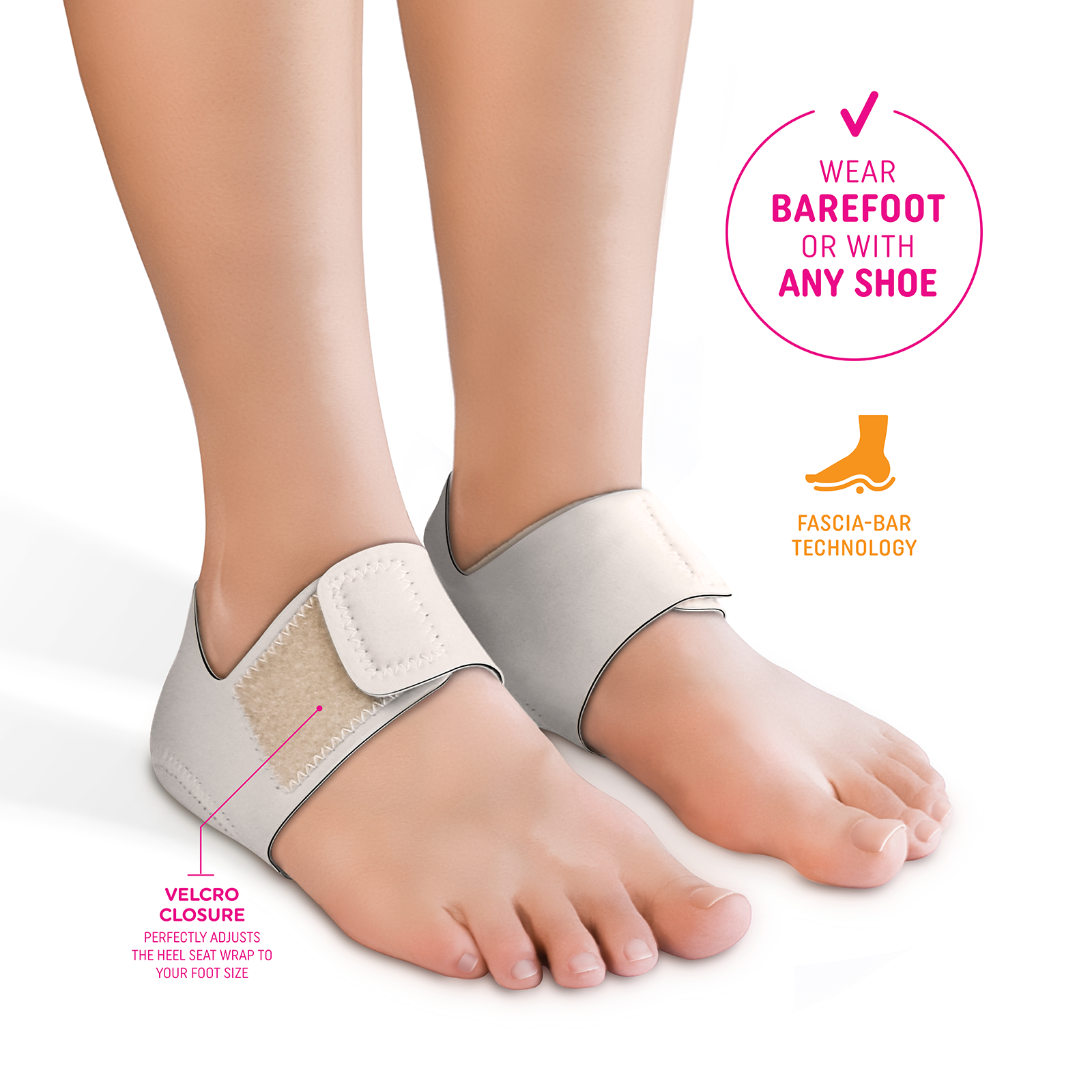
- Some barefoot shoes let you add a thin insole for the first weeks. This can ease the transition.
Try shoes in a store and walk on different surfaces. If your plantar fasciitis pain spikes, try a different model or consult a clinician. Choosing wisely matters when asking “are barefoot shoes good for plantar fasciitis.”
My experience and practical tips
I’ve worked with patients and tried barefoot shoes myself. I also coached runners through transitions. Here are real lessons I learned.
What worked for my clients
- People who had good calf strength and no severe foot deformity often improved. They reported less morning heel pain after 6–12 weeks.
- Those who jumped in full time usually flared up and needed rest.
What I did wrong at first
- I switched too fast. I wore barefoot shoes all day for a week. My heel pain flared and I had to rest for two weeks.
- I neglected calf work. Strong calves made the switch smoother.
Practical tips I recommend
- Begin with short walks and mix supportive shoes.
- Focus on daily foot exercises for at least 6 weeks.
- Keep a pain diary to track progress and setbacks.
If you ask “are barefoot shoes good for plantar fasciitis,” use my experience as one piece of evidence. Success depends on a sensible plan and good habits.

Common questions people ask (PAA-style)
Q: Will barefoot shoes cure plantar fasciitis?
A: They rarely cure it alone. Barefoot shoes can help when paired with exercises, load management, and time.
Q: How long before I see improvement?
A: Improvements often take 6–12 weeks with steady use and exercises. Some people see slow gains sooner.
Q: Can barefoot shoes cause other injuries?
A: Yes. Switching too quickly can cause calf strains, Achilles pain, or stress on the forefoot.
Q: Should I use orthotics with barefoot shoes?
A: You can use thin orthotics during the transition. Long term, many people move away from heavy support if their foot strength improves.
Q: Are barefoot shoes safe for runners with plantar fasciitis?
A: They can be, but runners need a very gradual plan and reduced mileage while adapting.
Frequently Asked Questions of are barefoot shoes good for plantar fasciitis
Are barefoot shoes good for plantar fasciitis for everyone?
No. They help some people but not everyone. Your foot strength, job, and pain level matter.
How soon can I run in barefoot shoes if I have plantar fasciitis?
Wait at least 8–12 weeks of gradual walking and strengthening before adding running. Start with short, easy runs and low mileage.
Can barefoot shoes make plantar fasciitis worse?
Yes. If you switch too fast or have weak calves, pain can increase. A slow plan reduces that risk.
Do barefoot shoes replace stretching and strengthening?
No. Barefoot shoes are a tool. Stretches and strength work are essential for lasting recovery.
When should I see a doctor about plantar fasciitis and barefoot shoes?
See a clinician if pain is severe, sudden, or not improving after 4–6 weeks of careful changes. Get an evaluation before major shoe switches if you have other foot issues.
Conclusion
Barefoot shoes can be a helpful option for plantar fasciitis for some people. They promote natural foot motion and can build strength, but they carry risk if you switch too fast or if your foot mechanics are poor. Start slowly, combine shoes with daily exercises, and watch pain closely. If you try barefoot shoes with care, you may reduce heel pain and gain a stronger, more resilient foot.
Try a measured plan this week: pick one short barefoot-shoe session, add two simple foot exercises, and track pain for two weeks. Share your results or questions below and consider subscribing for more practical tips on foot health and smart footwear choices.

Rubel Miah is the Senior Editor at MyStyleGrid.com, where he brings a sharp editorial eye and an unshakable love for fashion to everything he does. A true style addict, Rubel lives and breathes trends, from streetwear to high fashion, and has a knack for turning inspiration into impactful stories. With years of experience in fashion journalism and digital media, he curates content that empowers readers to express themselves through style. When he’s not editing features or forecasting the next big thing, you’ll find him hunting down vintage pieces or capturing street style moments around the city.