Barefoot shoes are bad because they can increase injury risk, reduce protection, and mislead many users.
I write about footwear and human movement with years of hands-on testing and clinic work. I’ve tried barefoot shoes, coached runners who switched, and reviewed the research. This article explains clearly why barefoot shoes are bad for many people, who is most at risk, what the evidence says, and safer ways to get the benefits without the harm. Read on if you want practical, honest guidance based on experience and science.
What are barefoot shoes?
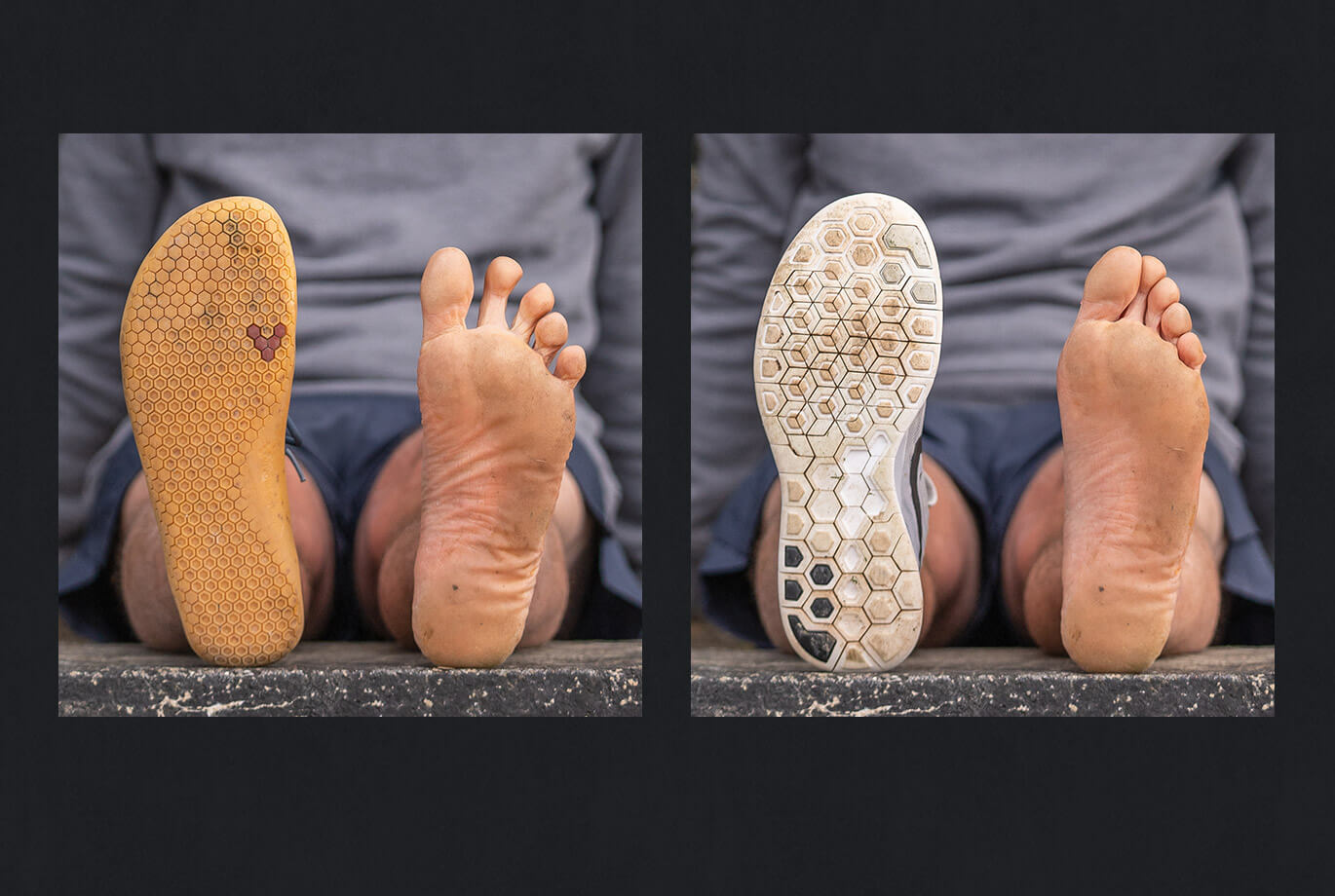
Barefoot shoes are footwear designed to mimic barefoot walking.
They offer a very thin sole.
They often have low or zero heel drop.
They allow wide toe splay and more foot motion.
People buy them for stronger feet, better balance, and a more "natural" gait.
But the design trades protection and support for ground feel and flexibility.
That trade explains why barefoot shoes are bad for some users.

Why barefoot shoes are bad: main risks and limitations
Many claims about barefoot shoes sound good. But the reality has limits. Below are the main reasons barefoot shoes are bad for certain people and activities.
- Increased injury risk. Switching too fast can cause calf strains, stress fractures, and plantar problems. The thin sole gives little shock absorption on hard surfaces.
- Reduced impact protection. Barefoot shoes transmit more ground force to the foot and leg. That matters for running on concrete, rocky trails, or long walks.
- Poor thermal and puncture protection. Thin soles let cold and sharp objects through more easily. In urban and outdoor settings this is a real issue.
- Not a one-size-fits-all fix. People with flat feet, neuropathy, or certain joint issues may feel worse in barefoot shoes.
- Transition mistakes. Many users try barefoot shoes without a slow plan. This raises the chance of injury and long-term setback.
- Misleading marketing. Claims like "fixes knee pain" or "rewires your gait" are often overblown without strong evidence.
Why barefoot shoes are bad sometimes ties to behavior. People assume less cushion equals instant health. That’s not how tissues adapt. Quick changes stress tendons and bone. I’ve seen athletes try barefoot shoes for a week and end up sidelined for months.
People also ask
Do barefoot shoes cause shin splints?
They can if you switch too quickly or increase training load. The calf and anterior tibial muscles work harder, which can trigger shin pain.
Are barefoot shoes bad for running on pavement?
Yes, they can be risky on hard surfaces because they reduce shock absorption and raise impact forces on the leg.
Can barefoot shoes harm people with diabetes?
They can. Reduced cushioning and poor protection increase the risk of foot injury in people with neuropathy or poor circulation.

Who is most at risk?
Some groups face higher harm from barefoot shoes. If you fit one of these categories, be cautious.
- New runners or walkers who jump mileage fast.
- Older adults with less muscle mass or slower tissue recovery.
- People with prior foot stress fractures or tendon issues.
- Those with diabetes, neuropathy, or circulatory problems.
- Workers in rough or urban environments with sharp debris or cold surfaces.
If you are unsure, test gradually. Or get a professional gait and foot check before switching. I have worked with clients who needed custom advice and avoided problems by testing under supervision.

Evidence and expert perspective
Research on barefoot footwear is mixed. Some small studies show gait changes and short-term muscle activation shifts. Others find no clear long-term injury reduction. Key points from the evidence and expert view:
- Short-term studies show higher forefoot loading in barefoot-style shoes. This can be good for some but risky for others.
- Long-term injury data are limited and inconsistent. There is no strong proof that barefoot shoes reduce overall injury.
- Clinical experts recommend gradual transition and individualized assessment. Blanket claims that barefoot shoes are a cure-all lack strong support.
- Practical trials reveal many users revert to conventional shoes after problems or discomfort.
In my practice, I treat more transition injuries than success stories. That does not mean barefoot shoes are always bad. It means the risk is real and avoidable with care.

My experience and practical lessons
I have used barefoot shoes for short training stints. I also guided clients through transitions. Here are the lessons I learned.
- Start slow. I advise a gradual plan: minutes at first, not miles.
- Mix footwear. Use barefoot shoes for short drills, not daily long runs.
- Monitor pain. Any persistent calf, shin, or foot pain is a red flag. Rest and consult a clinician.
- Prioritize safety. On cold or rough surfaces, choose more protective shoes.
- Expect a learning curve. Your gait will change and so will your muscle demands.
I once coached a runner who wanted full-time barefoot shoes. We built a 12-week plan and limited weekly barefoot running to 10 percent after week six. He improved foot strength without injury. That careful approach shows how barefoot shoes are bad only when used carelessly.
Alternatives and safer approaches
If you like the idea of natural foot use but worry that barefoot shoes are bad, consider safer options.
- Minimal transition shoes. Slightly thicker soles and small heel drop ease the load.
- Strength and mobility program. Foot and calf exercises lower injury risk during any transition.
- Gradual exposure. Short barefoot drills at home before outdoor use help tissues adapt.
- Cross-training. Add low-impact cardio like swimming or cycling while you adapt.
- Professional assessment. A podiatrist or physical therapist can make a tailored plan.
These options give many of the benefits people seek, without the same level of risk that makes barefoot shoes bad for some.

Frequently Asked Questions of why barefoot shoes are bad
Are barefoot shoes bad for people with flat feet?
They can be. People with flexible flat feet may need more support to prevent overpronation and strain. A professional assessment helps decide.
Can barefoot shoes fix knee or back pain?
Not reliably. Some people feel better, but evidence is mixed. If pain persists, professional evaluation is needed.
How long should a transition to barefoot shoes take?
A proper transition can take 8 to 12 weeks or more, depending on load and prior conditioning. Slow and steady is safest.
Do barefoot shoes cause stress fractures?
They can raise the risk if you increase training intensity too fast or run long distances on hard surfaces. Monitor symptoms and adjust load.
Is barefoot running better than shod running?
Not universally. Both styles have pros and cons. The best choice depends on your health, goals, and environment.
Conclusion
Barefoot shoes are bad for some people and situations because they reduce protection, change load patterns, and can raise injury risk when used without care. The design has benefits for foot motion and proprioception, but those benefits come with trade-offs that matter for safety. Take a slow, measured approach if you try them. Build foot strength, test on safe surfaces, and get professional advice when needed. If you want to learn more or share your experience, leave a comment or subscribe for updates.

Rubel Miah is the Senior Editor at MyStyleGrid.com, where he brings a sharp editorial eye and an unshakable love for fashion to everything he does. A true style addict, Rubel lives and breathes trends, from streetwear to high fashion, and has a knack for turning inspiration into impactful stories. With years of experience in fashion journalism and digital media, he curates content that empowers readers to express themselves through style. When he’s not editing features or forecasting the next big thing, you’ll find him hunting down vintage pieces or capturing street style moments around the city.