Yes — many cobblers can make shoes smaller, but success depends on the shoe type and construction.
I’ve worked with cobblers and repaired dozens of shoes over the years, so I know what works and what doesn’t. This guide explains exactly how can a cobbler make shoes smaller, which shoe styles respond best, what techniques pros use, and when resizing is risky or impossible. Read on for practical steps, real-life tips, and the questions you should ask before handing over your favorite pair.

How cobblers make shoes smaller
Cobblers resize shoes in several ways. The process depends on the material, construction, and how much smaller the shoe needs to be. When you ask "can a cobbler make shoes smaller," expect an honest assessment first. A good cobbler inspects seams, linings, heels, and soles before recommending a method.
Common approaches include:
- Taking in seams to narrow the upper.
- Replacing or tightening the heel counter to reduce slip.
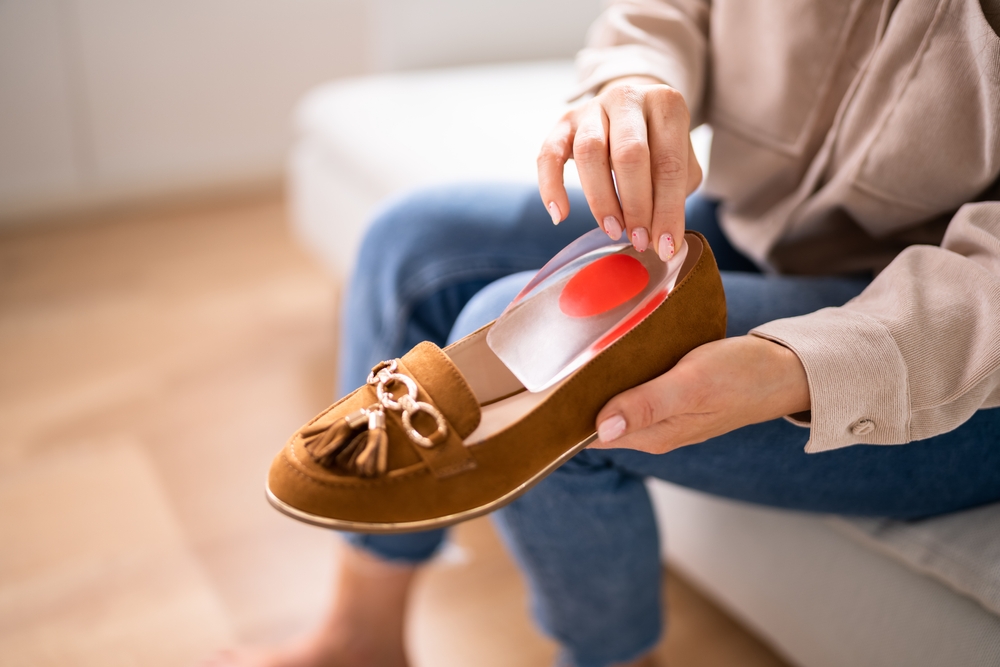
- Adding insoles or padding to fill space.
- Rebuilding or replacing the insole and sock lining.
- Shortening straps or repositioning buckles on sandals.
Most leather and fabric shoes can be adjusted slightly. Molded or glued shoes, and shoes with complex internal structures, are harder to alter without damage. When you ask can a cobbler make shoes smaller, remember small changes are easier and safer than major downsizing.
Which shoes can be made smaller and which cannot
Not all shoes respond the same. When you wonder "can a cobbler make shoes smaller," the answer hinges on shoe type.
Shoes that resize well:
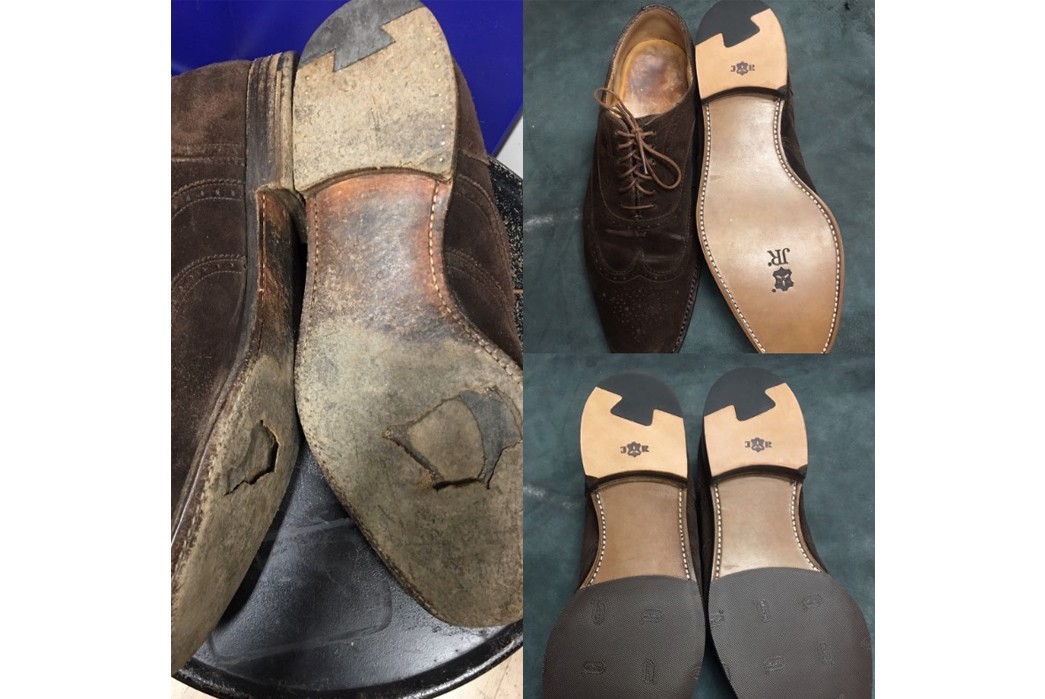
- Leather dress shoes with stitched soles.
- Loafers, oxfords, and derby shoes with roomy linings.
- Boots with removable insoles and flexible uppers.
- Fabric sneakers with sewn construction.
Shoes that resist resizing:
- Cemented or glued sneakers with molded uppers.
- Modern athletic shoes with knit uppers and complex midsoles.
- Shoes with molded plastic frames or rigid components.
- Shoes needing more than one full size reduction.
A cobbler can often take a shoe in by half a size or so. Larger reductions—more than one size—carry risks like distorted shape and discomfort.
Methods cobblers use to make shoes smaller
When clients ask can a cobbler make shoes smaller, I explain the toolbox and steps. Here are the common methods and what to expect.
Taking in the upper
- Cobblers open the lining and sew seams closer. This narrows the forefoot and vamp.
- Works best on leather and fabric that stretch or flex.
Heel adjustments
- Cobbler tightens or rebuilds the heel counter.
- Adds foam or heel grips to stop heel slip without changing fit elsewhere.
Insole and padding options
- Thick insoles or full-length orthotics reduce internal length.
- Met pads and toe grips help fill extra width or volume.
Reshaping and restitching
- For high-end shoes, the cobbler may reassemble parts to preserve profile.
- This is labor-intensive and costs more.
Shrinkage and steaming
- Leather can be lightly steamed and re-formed, but results vary.
- Overdoing it risks cracking or warping.
When you ask can a cobbler make shoes smaller using these methods, expect a tailored mix. The cobbler combines techniques based on the shoe and the amount of reduction needed.

Cost, time, and what to expect
People often ask: can a cobbler make shoes smaller affordably and quickly? Costs vary a lot.
Typical price ranges
- Simple insoles and heel grips: low cost, same-day or a day.
- Taking in seams or heel rebuilds: moderate cost, two to five days.
- Major reconstruction: higher cost, one week or more.
Factors that affect price
- Material and shoe brand.
- Extent of alteration.
- Local labor rates and cobbler experience.
Expectation tips
- Ask for a written estimate.
- Expect a trial fit or test after initial work.
- Remember cheaper is not always better for delicate shoes.
Risks, limitations, and when not to resize
Answering can a cobbler make shoes smaller also means outlining limits. Be realistic.
Main risks
- Change in shoe balance and comfort.
- Visible alterations that affect style.
- Damage to glued shoes or brittle leather.
When to avoid resizing
- When the shoe is already tight in other areas.
- When you need more than about one size reduction.
- When the shoe has structural glued parts or elaborate finishes.
A trusted cobbler will decline risky jobs. That honesty is part of skilled workmanship.

How to choose a cobbler and prepare your shoes
Choosing the right cobbler improves success when you ask can a cobbler make shoes smaller.
What to ask the cobbler
- Have you altered this shoe type before?
- How many sizes can you safely reduce?
- Do you offer a test fitting option?
What to bring
- The shoes in question, clean if possible.
- The pair of socks you plan to wear.
- Notes on where the shoe feels loose or tight.
Red flags
- Vague answers or no inspection.
- Extremely low price for a complex job.
- No before-and-after photos or references.
Follow these steps and your chance of a good result increases.
PAA-style quick questions
Q: Can a cobbler change shoe size by a full size?
- Most cobblers avoid full-size reductions. They can usually change by a half size safely.
Q: Will altering shoes ruin their appearance?
- Minor changes are often invisible. Major alterations can alter shape and style.
Q: Are custom insoles a good first step?
- Yes. Insoles are low-cost and reversible, making them a smart first attempt.

Personal experience, tips, and mistakes to avoid
From my years working with cobblers and clients, I’ve learned practical lessons about can a cobbler make shoes smaller.
Lessons and tips
- Start with insoles. I saved expensive shoes this way many times.
- Photograph shoes before work. I once lost a stitching pattern without pictures.
- Ask for a test fit. I’ve sent shoes back for fine-tuning after initial work.
Common mistakes to avoid
- Expecting dramatic size changes for cheap.
- Skipping the inspection and handing over shoes without discussion.
- Not checking the return or redo policy.
These tips help you get a better result and protect your favorite shoes.

Frequently Asked Questions of can a cobbler make shoes smaller(make it h2 tag)
Can all shoes be made smaller by a cobbler?
Not all shoes can be made smaller. Shoes with stitched uppers and leather are the best candidates, while glued or molded styles resist major changes.
How much smaller can a cobbler make shoes?
Most cobblers can reduce a shoe by about half a size safely. Larger reductions risk shape distortion and comfort problems.
Will altering shoes affect their warranty or resale value?
Altering shoes can void manufacturer warranties and may lower resale value if visible changes were made. High-quality work can minimize those effects.
How long does shoe resizing usually take?
Simple fixes take a day or less. More extensive work can take several days to a week depending on the cobbler’s schedule.
Is it cheaper to buy new shoes than to resize?
It depends. Minor adjustments are usually cheaper than buying new shoes. Major reconstructions can cost as much as new mid-range shoes.
Conclusion
A skilled cobbler can make shoes smaller in many cases, but success depends on shoe construction, material, and how much change you need. Start with reversible fixes like insoles, choose a reputable cobbler, and expect honest advice about limits. If you want your shoes altered the right way, ask questions, request a test fit, and protect your investment with clear expectations. Try a small alteration first, then decide on anything more major — and if this helped, leave a comment or share your shoe story.

Rubel Miah is the Senior Editor at MyStyleGrid.com, where he brings a sharp editorial eye and an unshakable love for fashion to everything he does. A true style addict, Rubel lives and breathes trends, from streetwear to high fashion, and has a knack for turning inspiration into impactful stories. With years of experience in fashion journalism and digital media, he curates content that empowers readers to express themselves through style. When he’s not editing features or forecasting the next big thing, you’ll find him hunting down vintage pieces or capturing street style moments around the city.