Check box codes, materials, stitching, logos, and SKU to spot fake Jordan shoes fast.
I’ve authenticated hundreds of sneakers for resellers and collectors. I’ll teach you how to spot fake Jordan shoes with clear, tested checks you can use in minutes. Read on and you’ll know what to inspect, what to trust, and what to avoid when buying Jordans.
Why spotting fakes matters
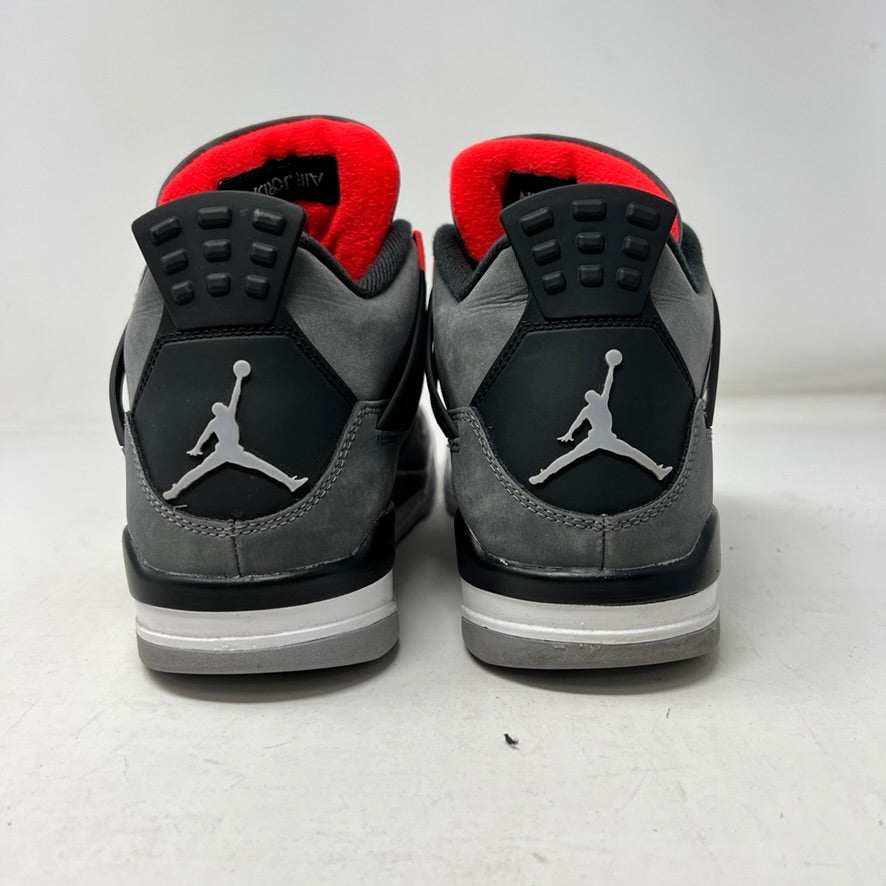
Counterfeit Jordan shoes harm collectors and buyers. Fakes can look good in photos but fall apart fast. Knowing how to spot fake Jordan shoes protects your wallet and your reputation if you resell or trade. I’ll show practical checks that work for common Air Jordan models and special drops.
Key areas to inspect (quick overview)
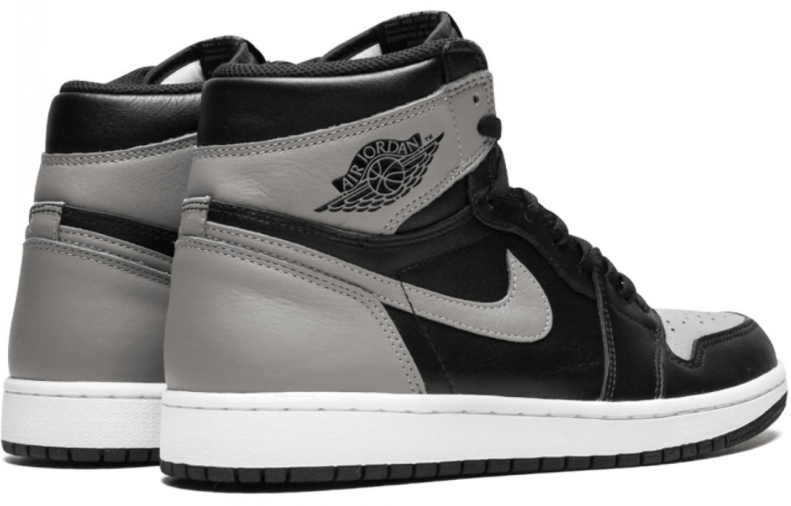
Here are the main places to check when learning how to spot fake Jordan shoes:
- Box and label: Check SKU, color code, and font consistency.
- Materials and stitching: Inspect leather, suede, and seam quality.
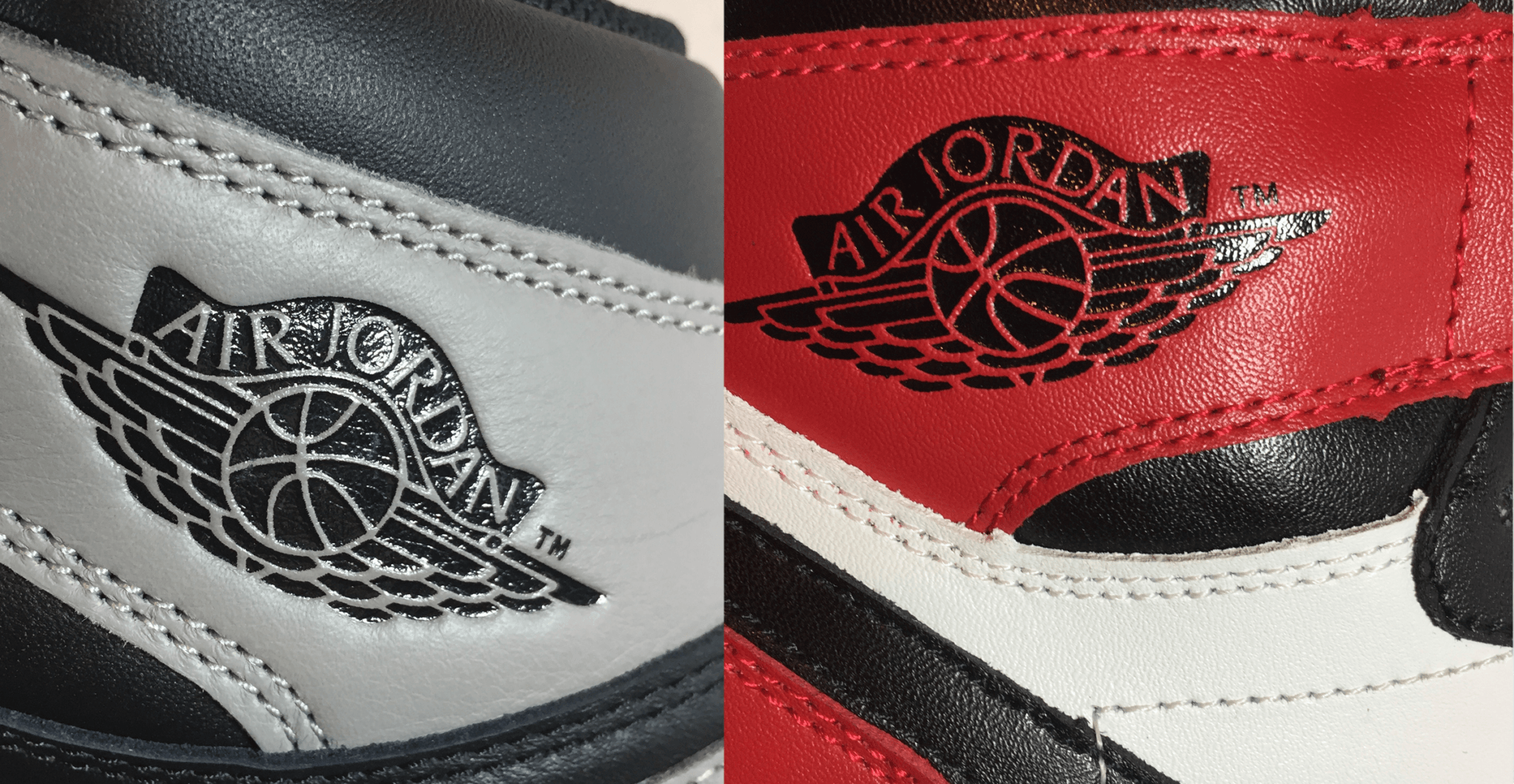
- Logos and branding: Examine the Jumpman, Nike Swoosh, and embossing.
- Size tags and QR codes: Verify SKU and factory codes match the box.
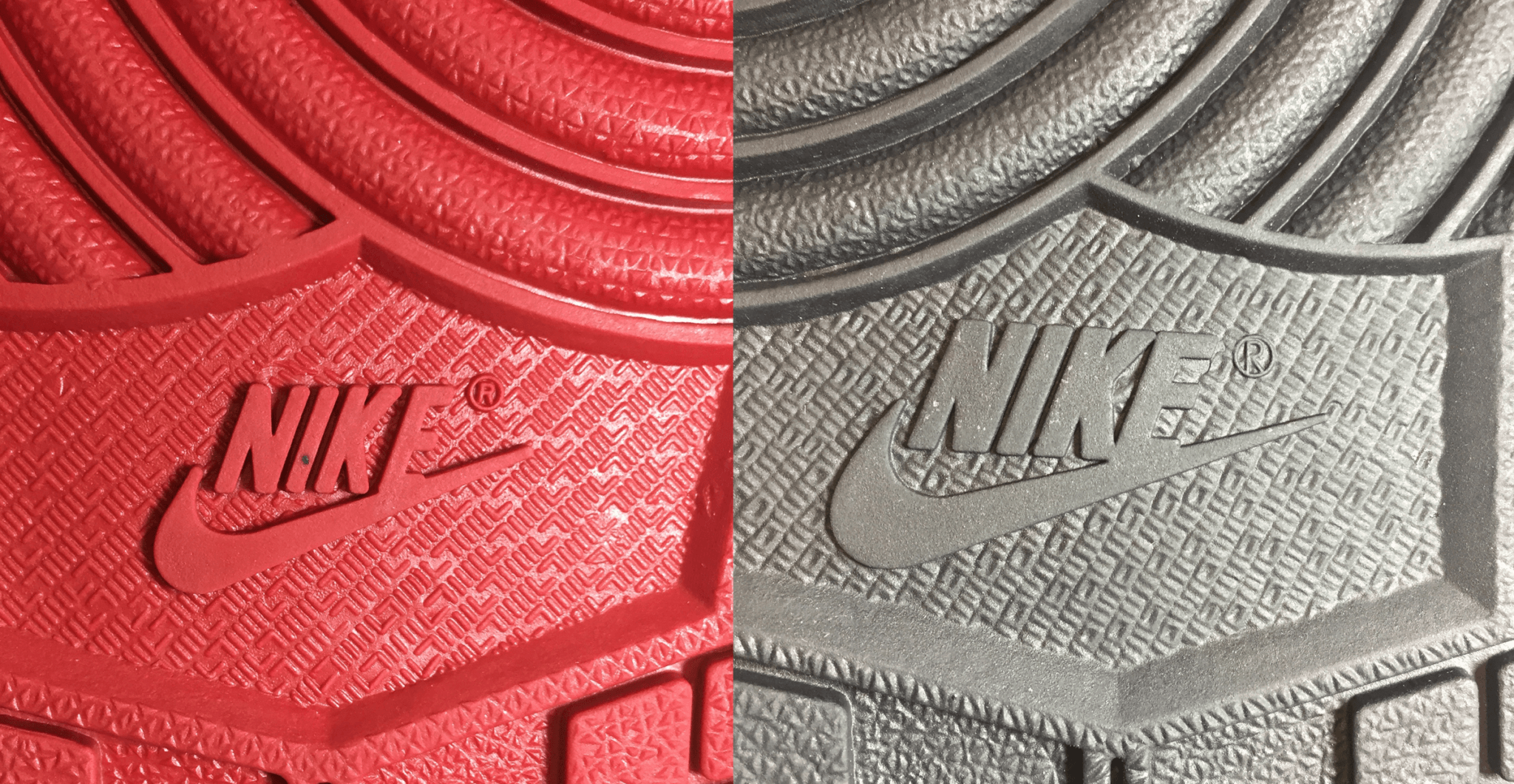
- Soles and midsoles: Look at air units, materials, and tread patterns.
- Smell and glue: Strong chemical smells or messy glue often indicate fakes.
Box, label, and packaging: start here
The box tells a lot. Real Jordans ship in sturdy boxes with crisp printing. The size label must match the shoe’s size tag and SKU. Check the color code and model name against known retail details.
What to look for:
- SKU mismatch: If the tag number on shoes does not match the box, it is a major red flag.
- Poor printing: Blurry logos or off-center text usually mean counterfeit packaging.
- Inconsistent materials: Cheap cardboard, wrong tissue paper, or missing stickers point to a fake.

Inspect materials and construction
Materials separate legit Jordans from replicas. Nike uses specific leathers, threads, and foams that fakes rarely copy perfectly.
How to inspect:
- Leather and suede feel: Authentic materials feel consistent and premium. Fake leather often feels plasticky or overly soft.
- Stitching quality: Look for tight, even stitches. Uneven or loose stitching is common on counterfeit pairs.
- Edge paint and glue: Check joins like the midsole seam. Excess glue or sloppy paint lines are warning signs.
Logos, embossing, and branding details
Brand marks must be precise. The Jumpman’s shape, hand position, and proportions are often wrong on fakes.
Check these items:
- Jumpman silhouette: Compare to official images; tiny shape changes matter.
- Swoosh size and angle: Misplaced or misshapen Swooshes are frequent on counterfeits.
- Font and embossing: Numbers, “NIKE AIR,” or wings logos should be crisp and balanced.

Size tag, SKU, and internal codes
The size tag inside the shoe is a key proof point when figuring out how to spot fake Jordan shoes. Real tags include factory codes, dates, and a consistent font.
Steps:
- Match SKU: The SKU on the size tag must match the SKU on the box.
- Check manufacture dates: Unrealistic dates or mismatched ranges can indicate fakes.
- Scan QR codes if present: QR codes on newer Jordans often link to product pages or verification tools.

Soles, midsoles, and air units
Sole design and technology are hard to fake well. Air units, foam density, and tread patterns should match official specs.
What to test:
- Air unit clarity and placement: Off-center or cloudy air pockets can signal a fake.
- Midsole texture and weight: Fake foams may compress too easily or feel off-balance.
- Tread pattern accuracy: Compare tread shapes to verified images for the same model and size.

Smell, glue, and finishing touches
Scent and finishing are quick ways to assess authenticity. Real Jordans rarely have strong chemical fumes or sloppy glue marks.
Quick checks:
- Smell test: Overpowering chemical smell is often a sign of low-quality materials.
- Glue marks: Visible glue on seams and soles suggests counterfeit construction.
- Heel counters and inner padding: These should be firm and well-shaped on genuine pairs.
Price, listings, and seller verification
Price and seller behavior give context. Knowing how to spot fake Jordan shoes includes spotting shady listings.
Guidelines:
- Too cheap to be real: Deep discounts on hot releases are suspicious.
- Seller history: Check reviews, ratings, and past sales for consistency.
- Clear photos request: Ask for close-ups of SKU, size tag, box label, and stitching before buying.
Authentication tools and services
Use tools when visual checks are not enough. Authentication services can add confidence for costly buys.
Options:
- Brand verification tools: Some platforms offer built-in authentication for shoes sold on their site.
- Third-party services: Paid authenticators inspect photos or handle in-person checks.
- Community help: Sneaker forums and groups can help compare details and spot trends.
Step-by-step checklist to follow when buying
Follow this simple routine any time you evaluate Jordans. It helps you avoid mistakes and saves time.
Checklist:
- Verify box SKU and size label match shoe tag.
- Inspect stitching, materials, and edges for quality.
- Compare Jumpman and Swoosh to official images.
- Check soles, air units, and midsole foam for correct specs.
- Ask about seller history and price reasons; request extra photos or proofs.
Common mistakes and how I learned from them
I once bought a pair with correct box printing but wrong inner tags. I trusted the photos too quickly. Lesson learned: always ask for close-ups of the size tag and inside tongue.
Tips I use now:
- Always request a clear photo of the tongue tag and insole.
- Compare multiple verified images of the same model and size.
- If something feels off, walk away or use an authentication service.
Limitations and things to keep in mind
No single sign proves a fake on its own. Sophisticated counterfeiters can copy one or two details well.
Keep in mind:
- High-quality replicas can still fool buyers; layered checks work best.
- Market variations exist: vintage Jordans show wear and natural production variance.
- Authentication is probabilistic, not absolute; use multiple indicators.
Frequently Asked Questions of how to spot fake jordan shoes
How do I check if my Jordan box is real?
Compare the SKU, size code, and model name on the box to the inside tag. Look for clear, well-printed text and consistent barcodes.
Can the Jumpman logo prove authenticity?
The Jumpman helps but is not definitive alone. Check proportions, placement, and compare to official images for the same model and size.
Is price a reliable way to tell if Jordans are fake?
Price alone is not definitive, but extremely low prices on new or limited drops are a strong red flag. Combine price with physical checks.
Are QR codes on the tag accurate proof?
QR codes add evidence but can be faked or linked incorrectly. Scan and verify the resulting product page and SKU details.
Should I use paid authentication for Jordan shoes?
Paid services are worth it for expensive or rare pairs. They reduce risk and add confidence when buying from unknown sellers.
How important is stitching quality?
Very important. Poor stitching, uneven seams, or loose threads are common signs of counterfeit production.
Can photos be trusted when buying online?
Photos can help but can be edited or staged. Request multiple close-ups of tags, logos, and stitching before you commit.
Conclusion
Mastering how to spot fake Jordan shoes comes down to layered checks. Inspect the box and SKU, feel the materials, study logos, check stitching, and verify the seller. Use authentication tools when in doubt and learn from experience. Start using this checklist today, ask for better photos, and don’t rush purchases—your patience protects your money and reputation. Share your questions or photos in the comments and subscribe for more practical sneaker tips.

Madison Clark is a footwear expert and the voice behind MyStyleGrid.com. She specializes in honest shoe reviews, style tips, and practical guides to help readers find the perfect pair for any occasion. With years of experience in blogging and content creation, Madison makes footwear knowledge simple, stylish, and easy to follow.