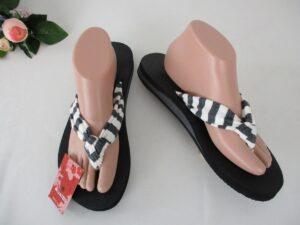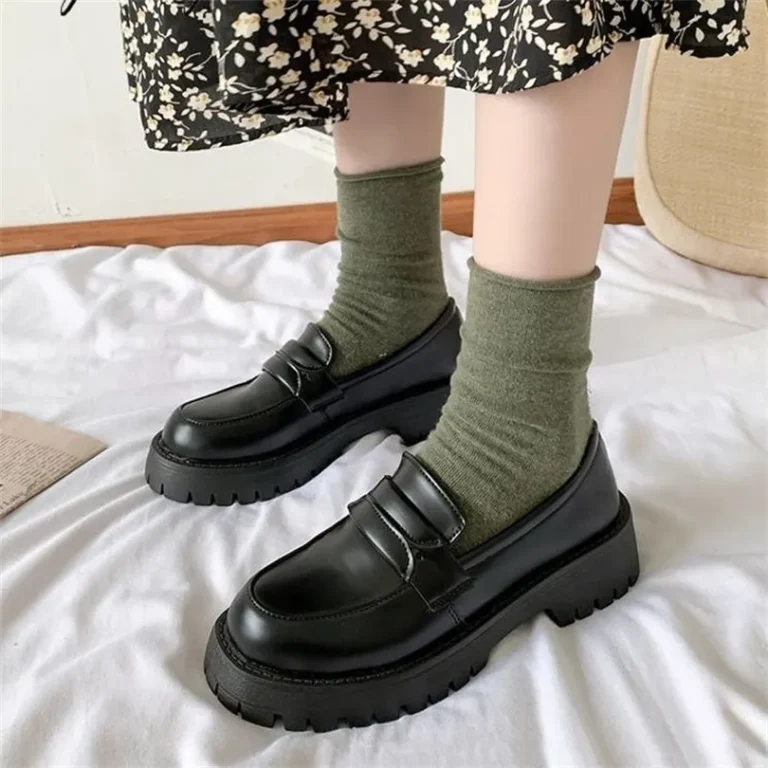
Japanese school shoes are called uwabaki for indoor shoes and gakko-gutsu for outdoor school shoes.
If you’ve ever wondered about what are japanese school shoes called, the answer is tied to Japan’s school culture, where students often wear different shoes inside and outside the classroom. I’ve spent years writing about school culture, fashion, and practical daily gear, and this topic is a great example of how something small can reveal a lot about routine, discipline, and comfort in Japanese schools.
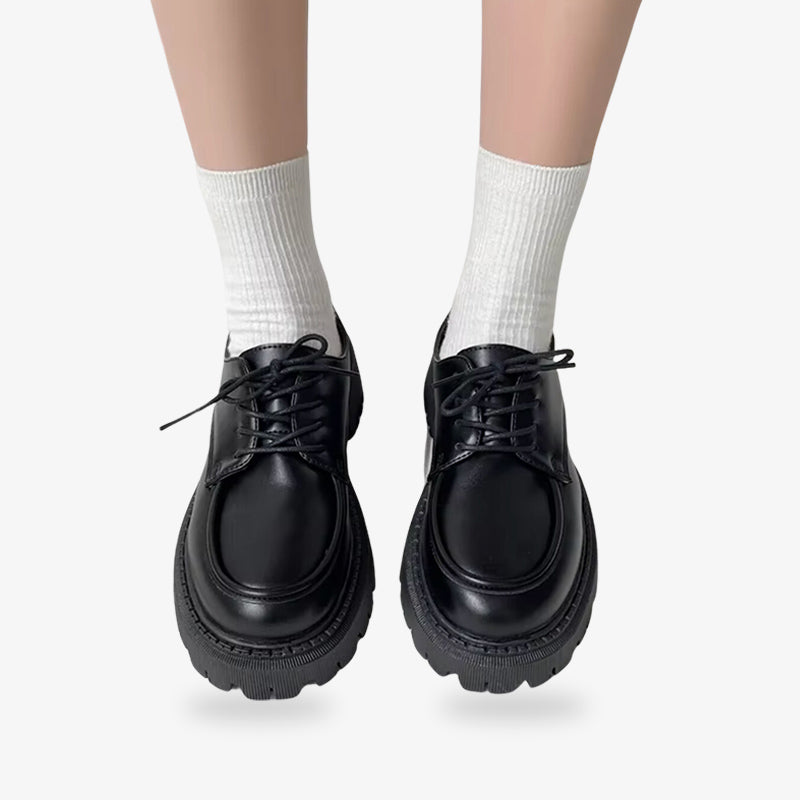
What Are Japanese School Shoes Called?
The most common term people are looking for is uwabaki, which refers to the soft indoor shoes worn at school in Japan. Students usually change from outdoor shoes into indoor shoes when they enter the school building.
Outdoor school shoes are often just called gakko-gutsu, meaning school shoes, or described more simply as black or dark loafers, sneakers, or flats depending on the school rules. If you are asking what are japanese school shoes called in everyday life, uwabaki is usually the word that comes up first.
In Japan, this shoe system is not random. It is part of a clean indoor culture that keeps dirt outside and helps schools stay neat. That simple habit shapes the way students move through the day.

The Meaning of Uwabaki in Japanese School Life
Uwabaki are indoor shoes worn by students, teachers, and sometimes staff. They are made to be light, easy to slip on, and comfortable for long school days.
Most uwabaki have rubber soles and simple uppers, often in white, navy, or other school-approved colors. They are not meant for fashion. They are meant for use, comfort, and hygiene.
Here is why uwabaki matter so much:
• They keep classroom floors cleaner
• They make it easy to switch between outside and inside spaces
• They support a school routine built around order and respect
• They are usually cheap and easy to replace
When people ask what are japanese school shoes called, they often expect one single shoe name. But in reality, Japanese schools usually use a two-shoe system: outdoor shoes and indoor shoes.

Outdoor School Shoes in Japan
Outdoor school shoes are the shoes students wear when traveling to and from school. These are not always a special named type, but many schools prefer simple, plain shoes.
Common outdoor styles include:
• Black loafers
• Plain sneakers
• Leather school shoes
• Simple flats for girls in some schools
Some schools have strict dress codes, while others allow more flexibility. In many cases, the goal is to keep the look neat and uniform.
From a practical point of view, this system works well. I’ve seen how a single shoe type can fail when it has to do everything. Separating indoor and outdoor shoes helps shoes last longer and keeps school spaces cleaner.

Why Japanese Schools Use Two Different Shoes
This is one of the most useful parts of understanding what are japanese school shoes called. The system is about more than footwear. It reflects Japanese habits around cleanliness, routine, and shared space.
There are a few reasons schools use two shoe types:
• Cleanliness: Outdoor dirt does not get tracked into classrooms
• Comfort: Indoor shoes are softer and lighter for all-day wear
• Order: Students develop a habit of changing shoes at the entrance
• Respect: School spaces are treated as shared, cared-for places
This custom is deeply connected to Japanese home life too, where people often remove shoes at the door. Schools extend that same idea into public education.
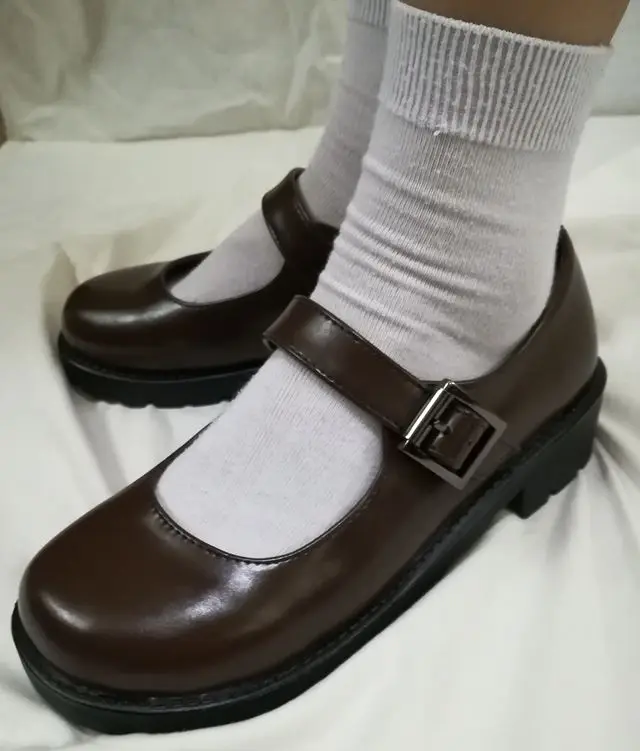
Common Types of Japanese School Shoes
If you are researching what are japanese school shoes called, it helps to know the different categories. The term changes depending on where and how the shoes are used.
Uwabaki
Uwabaki are indoor school shoes. They are usually simple, washable, and comfortable.
Sukuuru-gutsu
This is a general term that means school shoes. It can refer to the shoes worn for school use more broadly.
Loafers
Many schools use loafers as outdoor shoes, especially in more traditional settings. These are neat and easy to pair with uniforms.
Sneakers
Some schools allow sneakers for outdoor use, especially in modern or less strict settings. These are practical for walking and active students.
Slippers
In some contexts, especially for younger students or certain school areas, slipper-like indoor shoes may be used. These are less formal but still part of the indoor system.
The exact style depends on school rules, age group, and region. That is why there is no single universal shoe design in Japan.
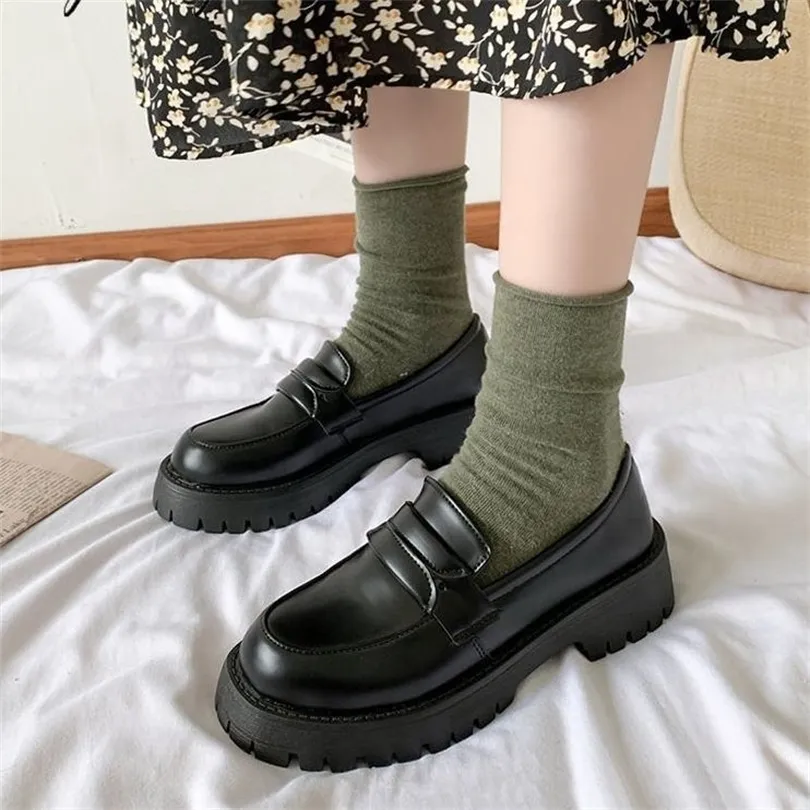
What Do Japanese School Shoes Look Like?
Japanese school shoes are usually plain and functional. They are not designed to stand out.
Typical features include:
• Simple shapes
• Neutral colors like white, black, navy, or brown
• Easy slip-on design
• Light materials for comfort
• Minimal decoration
Indoor shoes, especially uwabaki, often have a white canvas or synthetic upper with a rubber sole. Outdoor school shoes may look like standard loafers or dress shoes.
If you are imagining a highly styled shoe, that is usually not the case. The design reflects the school environment, where neatness matters more than fashion.
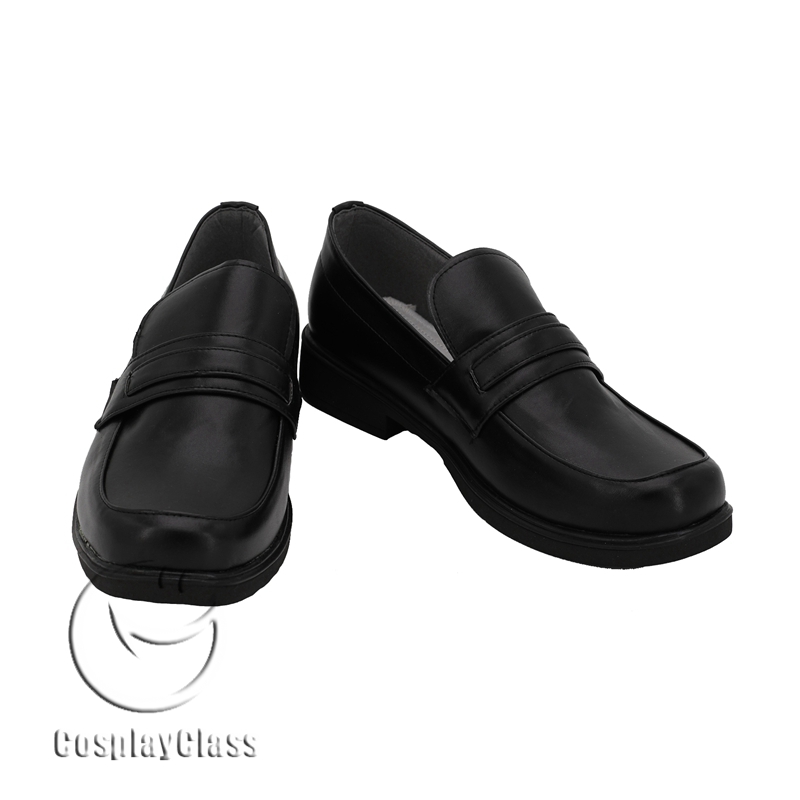
What Students and Families Need to Know
If someone is preparing for school in Japan, or buying shoes for a Japanese-style school program, there are a few practical things to keep in mind.
• Check the school rules first
• Buy the correct size with enough room for growing feet
• Make sure indoor shoes are easy to clean
• Label the shoes if required
• Keep separate pairs for inside and outside use
One mistake I often see parents make is buying one pair that seems “good enough” for everything. In Japanese school settings, that can be a problem. The system works best when each shoe has a clear job.
Cultural Context Behind Japanese School Shoes
Understanding what are japanese school shoes called also means understanding the culture behind them. In Japan, shoes are tied to ideas of cleanliness, discipline, and shared responsibility.
Children learn early that changing shoes is part of school life. It is a small action, but it teaches rhythm and respect. That daily habit can feel almost like a ritual, and it helps school spaces stay calm and organized.
This is one reason Japanese school culture often feels so structured. The shoes are not the whole story, but they are a perfect symbol of the larger system.
Benefits and Limits of the Japanese School Shoe System
The system has clear strengths, but it is not perfect. Like any school rule, it works best when matched to the needs of the students.
Benefits
• Better indoor hygiene
• Less wear on outdoor shoes
• Clear separation between school spaces and street spaces
• Simple daily routine for students
Limits
• Requires students to carry extra shoes
• Can be confusing for visitors or new families
• May feel restrictive to students used to one-shoe systems
• Replacement costs can add up over time
Overall, the system is practical and efficient, but it does require consistency. That is why schools usually explain the rules early and keep them simple.
How to Choose the Right Japanese School Shoes
If you are buying shoes for a Japanese school setting, here are the main things to look for.
- Check the school dress code
- Choose the right size and width
- Pick breathable material
- Make sure the sole is durable but light
- Avoid overly flashy designs unless allowed
For indoor shoes, comfort matters most. For outdoor shoes, durability and support are more important. A good pair should feel easy to wear from morning until the last bell.
Frequently Asked Questions
What are Japanese school shoes called?
Japanese school shoes are commonly called uwabaki when people mean indoor school shoes. Outdoor school shoes may simply be called school shoes or gakko-gutsu.
Do all Japanese students wear uwabaki?
Most students in Japanese schools wear uwabaki indoors, but the exact rule depends on the school. Some schools may have different shoe policies for certain areas or activities.
Why do Japanese schools require indoor shoes?
They require indoor shoes to keep classrooms clean and reduce dirt from the outside. It also helps students build a habit of changing shoes, which is a common part of Japanese daily life.
Are Japanese school shoes always white?
No, not always. Indoor uwabaki are often white, but outdoor school shoes may be black, brown, navy, or another plain color depending on the school.
Can visitors wear uwabaki in Japanese schools?
Yes, in many schools visitors are expected to wear indoor slippers or borrowed uwabaki when entering the building. This keeps the indoor areas clean and follows school etiquette.
Conclusion
Now you know what are japanese school shoes called and why the answer is a little more layered than it first seems. The key term is uwabaki for indoor shoes, while outdoor school shoes are usually just plain, school-approved shoes.
What makes this topic interesting is how much it reveals about Japanese school life. The shoe rule is simple, but it reflects a bigger culture of cleanliness, respect, and routine.
If you are choosing shoes, studying Japanese culture, or just curious about school customs, start with the basics: learn the terms, check the rules, and pay attention to how the system works in daily life. If you found this guide helpful, keep exploring Japanese school traditions and leave a comment with the next topic you want explained.

Rubel Miah is the Senior Editor at MyStyleGrid.com, where he brings a sharp editorial eye and an unshakable love for fashion to everything he does. A true style addict, Rubel lives and breathes trends, from streetwear to high fashion, and has a knack for turning inspiration into impactful stories. With years of experience in fashion journalism and digital media, he curates content that empowers readers to express themselves through style. When he’s not editing features or forecasting the next big thing, you’ll find him hunting down vintage pieces or capturing street style moments around the city.