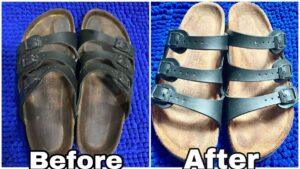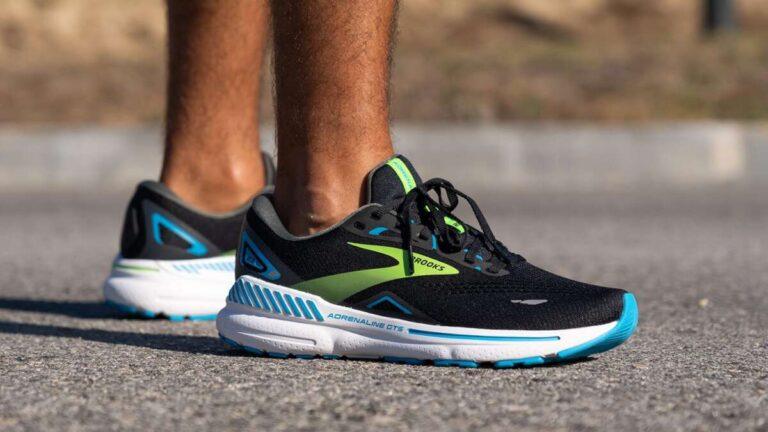
Sturdy sandals with firm arch support, deep heel cups, and cushioned midsoles work best for plantar fasciitis.
I have tested many supportive sandals and reviewed research on foot pain. In this guide I explain what sandals are good for plantar fasciitis, why those features matter, and how to pick the right pair for daily comfort and healing. Read on for clear, practical advice, real-life tips, and step-by-step checks you can use when shopping.

Why the right sandals matter for plantar fasciitis
Plantar fasciitis is inflammation of the band under the foot. It causes sharp heel pain, especially after rest or long standing. The wrong shoe can make pain worse. The right sandal can reduce stress on the plantar fascia and ease symptoms.
Good sandals do three things. They support your arch, stabilize the heel, and absorb shock. This lowers strain during walking. Studies and clinical reports show arch support and heel cushioning reduce pain and improve function.
Choosing what sandals are good for plantar fasciitis is not just about looks. It is about structure, fit, and function. A well-made sandal can be part of a recovery plan and help you stay active.
Key features to look for in sandals for plantar fasciitis
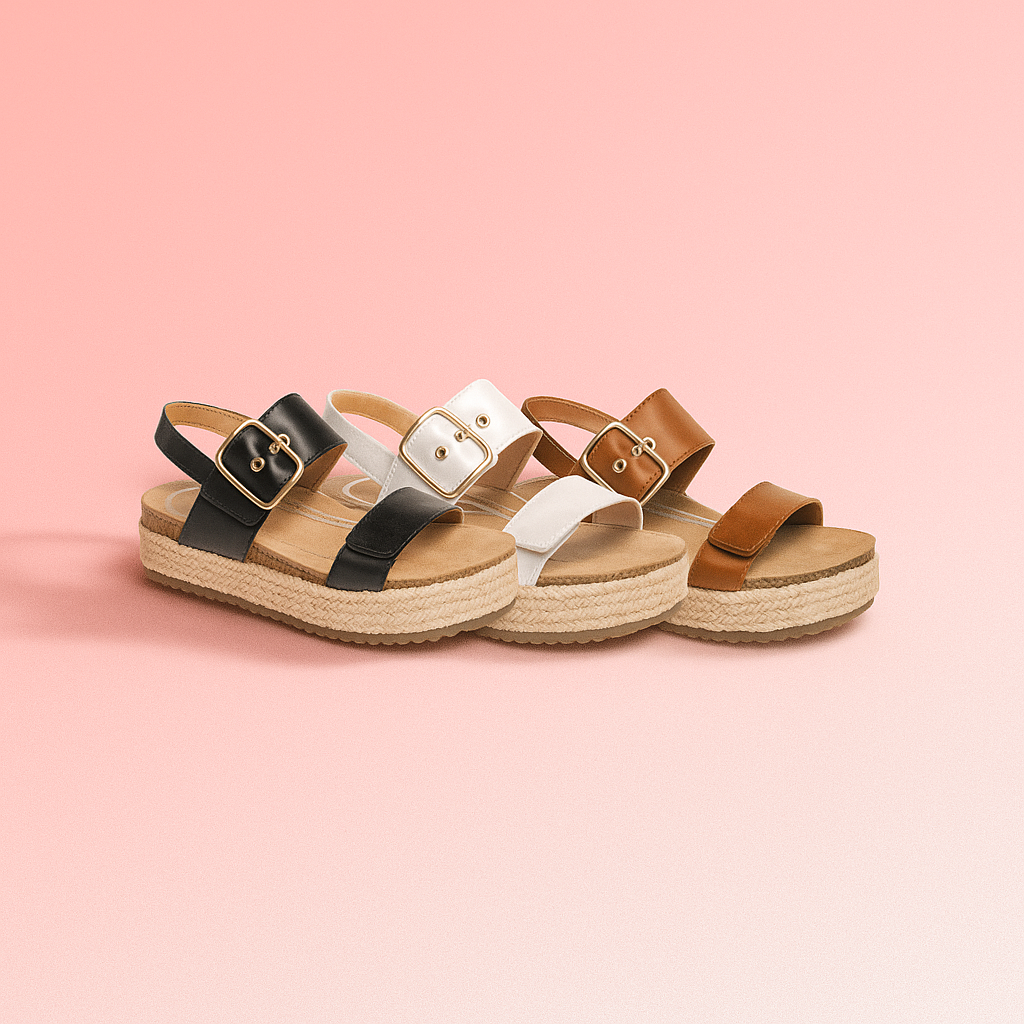
Look for these features when deciding what sandals are good for plantar fasciitis.
- Arch support: A firm, shaped arch keeps the foot aligned and lowers fascia pull.
- Deep heel cup: Cradles the heel and centers your foot for stability.
- Cushioning: A soft yet supportive midsole absorbs ground impact.
- Removable footbed: Lets you swap in custom orthotics if needed.
- Stable sole with slight rocker: Promotes smooth toe-off and reduces strain.
- Adjustable straps: Secure fit prevents slipping and foot collapse.
- Breathable materials: Keep the foot dry and reduce irritation.
PAA-style question: How much arch support is ideal?
- Moderate to firm arch support that matches your arch height is best. Too soft support can let the foot flatten and increase strain.
PAA-style question: Are flip-flops bad for plantar fasciitis?
- Most thin flip-flops lack arch support and a heel cup, so they can worsen symptoms. Use flip-flops only for short, low-impact wear.

Best styles and types of sandals good for plantar fasciitis
Certain sandal styles consistently help people with plantar fasciitis. Here are the main types to consider and why they work.
- Contoured footbed sandals
- Feature a molded bed that supports the arch and heel. They spread pressure evenly across the foot.
- Orthopedic and medical sandals
- Designed specifically for foot pain. They often accept custom orthotics and focus on stability.
- Sport or hiking sandals
- Offer rugged soles, firm midsoles, and multiple straps for a locked-in fit. Good for active days.
- Slide sandals with contoured midsoles
- Easy on and off, with consistent arch support in the footbed. Best when the footbed is firm.
- Sandals with rocker soles
- The curved sole reduces motion at the big toe and eases push-off. Helpful for walking with less fascia strain.
- Custom orthotic–friendly sandals
- Removable insoles allow use of prescriptions or custom supports for severe cases.
When shopping, test for stability and comfort. Walk on different surfaces if possible. If a sandal feels better within minutes and stays comfortable after 10–15 minutes, it is likely a good match for plantar fasciitis.
How to choose the right size and fit
A correct fit is essential when selecting what sandals are good for plantar fasciitis.
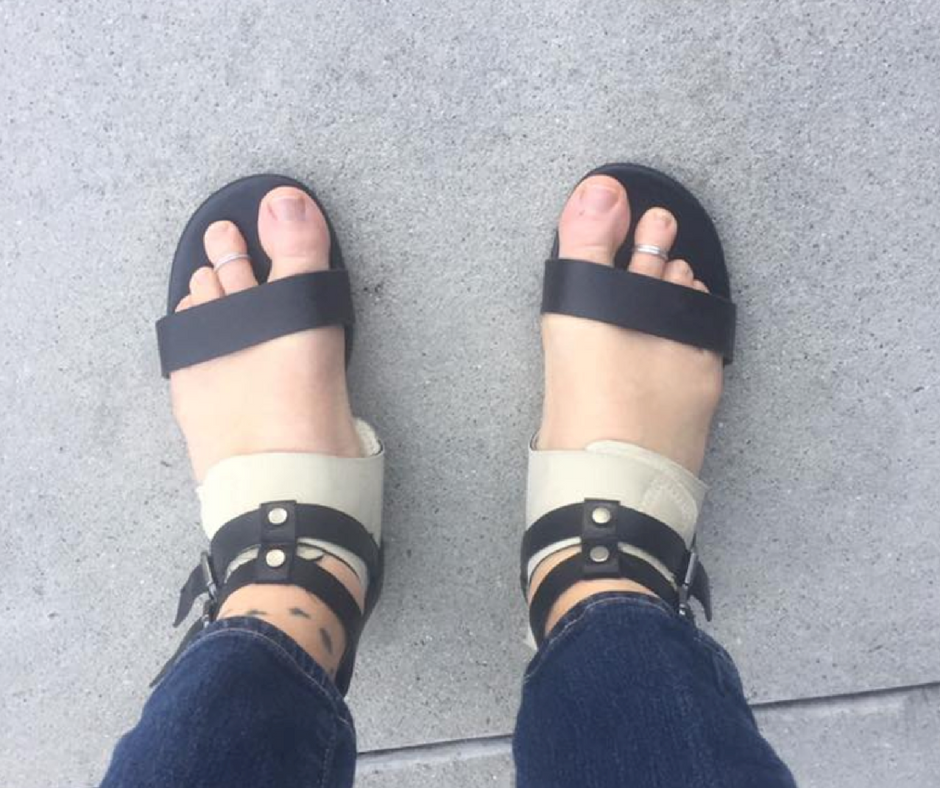
- Measure both feet at the end of the day when they are slightly swollen.
- Leave a thumb’s width of space at the toe to prevent crowding.
- Heel should not slip; heel slip means poor support and more strain.
- Try the heel squeeze: a firm heel counter should not collapse under gentle pressure.
- Walk for at least five minutes to check comfort and alignment.
If a sandal requires you to curl toes or grip to stay on, it’s not right. Proper fit keeps the foot in neutral and reduces tissue stress.

How to break in and care for supportive sandals
Breaking in supportive sandals helps them mold to your foot without causing flare-ups.
- Start slow: wear new sandals for 30–60 minutes the first day and increase time daily.
- Alternate shoes: avoid wearing the same supportive sandal all day every day.
- Use topical ice after long walks if soreness appears.
- Clean and dry sandals per manufacturer guidance to maintain materials.
- Inspect footbeds for wear; replace insoles when cushioning compresses.
These habits help protect your recovery and extend sandal life.
Personal experience and lessons learned
I have tested dozens of sandals and worked with people easing plantar fasciitis. From that work I learned a few clear rules.
- Don’t chase fashion over function: attractive thin-soled sandals often harm recovery.
- Test before you buy: a trial walk reveals comfort more than specs.
- Removable footbeds matter: they let me use custom inserts when pain returned.
- Give new sandals time: rushing can trigger setbacks.
One time I bought a very cushy slide that felt great standing still but hurt after a mile. Swapping to a firmer contoured sandal cut my pain and let me walk longer. That experience taught me that cushion without support is often the problem.
Limitations and when to see a professional
Sandals can help many people, but they are not a cure-all.
- If pain is severe, sharp, or lasts more than a few weeks, see a foot specialist.
- Persistent symptoms may need physical therapy, night splints, or custom orthotics.
- Advanced or chronic cases could require imaging and targeted treatments.
Be honest about your pain. If sandals help but do not solve the issue, seek professional evaluation to avoid long-term damage.

Frequently Asked Questions of what sandals are good for plantar fasciitis
What sandals should I wear every day for plantar fasciitis?
Choose a sandal with firm arch support, a deep heel cup, and a cushioned but stable midsole. Rotate with closed shoes and avoid thin flip-flops for long wear.
Can I use custom orthotics in sandals?
Yes, many sandals have removable footbeds designed to accept custom orthotics. This option is useful if over-the-counter support is not enough.
Are sandals with memory foam a good choice?
Memory foam offers comfort but can collapse over time and reduce arch support. Look for memory foam paired with a stable structural layer.
How long before I notice improvement wearing supportive sandals?
Some people feel relief within days, while others need several weeks of consistent use. Improvement depends on severity and overall care routines.
Can barefoot walking in sandals help plantar fasciitis?
Barefoot walking in unsupportive sandals often worsens pain by increasing fascia strain. Use supportive sandals that keep the foot aligned for healing.
Conclusion
Choosing what sandals are good for plantar fasciitis comes down to support, fit, and durability. Pick sandals with firm arch support, a deep heel cup, and a stable midsole. Try them on, break them in slowly, and use them as part of a broader plan that includes stretching and movement changes. Start with one supportive pair and monitor your pain for a few weeks. If you see steady improvement, you’ve likely found a good match. If not, consult a foot specialist and consider custom orthotics.
Take action today: try a supportive sandal, follow the fit checks here, and share what works for you in the comments or by subscribing for more shoe and foot care tips.

Rubel Miah is the Senior Editor at MyStyleGrid.com, where he brings a sharp editorial eye and an unshakable love for fashion to everything he does. A true style addict, Rubel lives and breathes trends, from streetwear to high fashion, and has a knack for turning inspiration into impactful stories. With years of experience in fashion journalism and digital media, he curates content that empowers readers to express themselves through style. When he’s not editing features or forecasting the next big thing, you’ll find him hunting down vintage pieces or capturing street style moments around the city.